Best Maca Root Supplement
We researched and tested the best maca root supplements on the market. Here’s what we recommend.

Photo by Innerbody Research
You may find yourself worrying about cognitive decline more than you used to. Maybe you're looking for an herbal remedy to stave off diabetes or beat back erectile dysfunction (ED). Perhaps you've just heard about a particular herbal remedy that tastes good. Whatever your reason, you've sought out maca supplements.
It's true that research supports maca root’s potential to aid in numerous issues, not just the ones we mentioned above but also things like osteoporosis and daily fatigue.1 So, how can you tell which maca root supplement will work best for a specific ailment?
We created this guide to demystify some of the more complicated aspects of maca root supplements and to divulge all the pros, cons, and details of the top brands so that you can decide on the one that fits your unique needs.
If you’re in a hurry, here’s a quick look at our recommendations:
Summary of recommendations
- Best overall: The Maca Team Gelatinized Tri-Color
- Best powder: The Maca Team Gelatinized Tri-Color
- Best testosterone booster with maca: Testosterone Support by Innerbody Labs
- Best for male sexual performance: Natgrown Horny Goat Weed and Maca Extract
- Best single-ingredient capsule: Nootropics Depot Maca Extract
- Best for sensitive stomachs: Organic Traditions Maca with Probiotics
- Best maca coffee alternative: The Maca Team Morning Motivator Blend

The Maca Team is simply unmatched as a standalone maca root supplement when it comes to quality and cost.
This blend contains three colors of maca in what’s actually the most affordable supplement among our top picks. The maca is grown on organic co-op farms where conditions produce the best maca — a small region of the Andes mountains in Peru — and The Maca Team provides a certificate of analysis to verify safety. To buy it, go directly to The Maca Team’s website; the company has a storefront on Amazon, but products are currently unavailable there.
Jump to:
Why you should trust us
At Innerbody Research, we conduct hands-on testing with each product and service that we review, including the maca root supplements in this guide. Our research phase involved the analysis of scholarly articles in scientific journals dedicated to maca itself or to the various ailments maca proponents claim it can treat. All told, our team consumed more than 130 such articles, spending a collective 200 hours on the topics.
We also ordered the maca supplements in this guide for ourselves (as well as several that didn’t make the cut) so we could accurately report on things like taste, ease of use, and apparent efficacy and safety from within our team. Additionally, like all health-related content on this website, this guide was thoroughly vetted by one or more members of our Medical Review Board for accuracy and will continue to be monitored for updates by our editorial team.
Over the past two decades, Innerbody Research has helped tens of millions of readers make more informed decisions about staying healthy and living healthier lifestyles.
How we evaluated maca root supplements
In setting out to evaluate maca root supplements, we compared the offerings from the top companies to the available scientific research to find products that delivered doses we could confirm were safe and effective. We also compared the costs of maca root supplements from the market’s top manufacturers, as well as a few smaller companies that fly under the radar but produce some of the best maca in the business.
To compare the products to one another, we consolidated all of our considerations into four criteria: effectiveness, safety, cost, and convenience. Let’s look closer at how our recommendations performed in each category:
Effectiveness
Advantage: The Maca Team Gelatinized Tri-Color
There’s ample evidence that the success of maca supplementation for the most common needs is related to compounds in maca known as macamides and macaenes. The presence of macamides and macaenes is determined by several factors, including the color of the maca in use (e.g., reg, black, yellow, etc.) and processing methods (e.g., air-drying versus oven-drying).2 3
- Maca color: Different maca colors have been found to contain different quantities of glucosinolates — precursors to macamides and macaenes.2 Yet maca research has often ignored maca color as an important factor in establishing safety and efficacy profiles.4 Head-to-head maca color studies for specific ends are not yet available.
- Maca origin: Location matters, as well. Maca is traditionally cultivated in a small area of Peru in the Andean Mountains. Specific aspects of this region’s climate, including its specific freeze-thaw cycle and ground nutrients, consistently create maca that outperforms varieties grown elsewhere.5
- Maca processing: Air-drying has proven superior to oven-drying at facilitating an increase in conversion from glucosinolates to macamides and macaenes. Then there’s gelatinization, during which maca is subjected to water, heat, and pressure, changing its structure slightly to increase its bioavailability and make it easier to digest.4 While this process does reduce some enzyme content and cook off maca’s natural vitamin C, it does not impact macamide or macaene content.
All of this led us to conclude that a blend of colors would offer the widest-reaching potential benefits by removing the potential for one color to outperform another. It also led us to seek out a product that was grown and processed in Peru, air-dried, and gelatinized. The Maca Team’s Tri-Color Maca checks all of these boxes.
A close runner-up among the complex formulas we tested would have to be Testosterone Support by Innerbody Labs, especially for men interested in maca for erectile or testosterone concerns. It contains a potent 10:1 maca extract delivering an equivalent of 3g maca powder, as well as ten other ingredients associated with male sexual wellness and testosterone enhancement, all dosed at levels consistent with successful research.
Safety
Winner: The Maca Team Gelatinized Tri-Color
In one of the most prominent studies on maca’s potential to help men with hypogonadism, participants received 6g/day of encapsulated maca powder for 12 weeks.6 Two out of 80 participants (2.5%) showed only gastrointestinal (GI) distress as a side effect, and both continued to participate in the study.
This study indicates that doses of maca powder reaching up to 6g/day should be safe for most people. And studies looking into maca’s other potential benefits typically use doses approaching 3g/day at the most.
So, if maca is generally pretty safe, what metrics did we apply to declare The Maca Team’s products to be the safest? Well, it was a close call between that company and Nootropics Depot, whose high macamide concentration resulted in a lower overall dose. Nootropics Depot also offers batch-specific certificates of analysis detailing third-party testing. The Maca Team offers similar certificates, but its testing is done internally, not by an independent third party.
That said, there isn’t any research into supplementation with a more highly concentrated maca extract like the one you can get from Nootropics Depot. While we can rely on our research team’s knowledge base to make assessments about how a lower overall dose can contribute to an increased safety profile, we wouldn't base a categorical victory on that without scientific support.
As a result, we looked at The Maca Team’s certificates of testing, as well as the fact that it offers gelatinized maca in powder and capsule form, and we saw serious potential to contend for our top safety pick. Then we considered the fact that The Maca Team’s products are verifiably Peruvian in origin, grown on organic co-operative farms. From that point, we couldn’t find a contender to compete with The Maca Team for safety.
Cost
Advantage: The Maca Team Gelatinized Tri-Color
With wins for safety and efficacy, it would be easy to assume The Maca Team’s products would be among the most expensive. But we’ve found the opposite to be true, especially when calculating the cost per gram of maca you receive. Here’s a quick comparison of the maca-only products in our guide:
| Maca Team Gelatinized Tri-Color powder, 1kg | Organic Traditions Maca with Probiotics | Nootropics Depot Maca Extract, 180-count | |
|---|---|---|---|
| Price | $31.22 | $13.00 | $59.99 |
| Total maca | 1,000g | 150g | 36g |
| Cost per gram of maca | $0.03 | $0.09 | $1.67 |
| Total macamides | 10g | 1.5g | 1.8g |
| Cost per gram of macamides | $3.12 | $8.67 | $33.33 |
Yes, The Maca Team’s sticker price is higher, but you get so much more maca for that price that it easily beats Organic Traditions on cost. And you don’t have to opt for The Maca Team’s largest bag to get a competitive price. Its Gelatinized Tri-Color Maca also comes in 1lb and 8oz quantities, the latter of which costs only $11.88, a $0.05 cost per gram of maca.
Convenience
Advantage: Nootropics Depot Maca Extract
Loose maca powders are undeniably less convenient than capsules. You have to measure out a specific amount, find something to mix it into, and hope that you end up with something that tastes good enough to drink every day. There’s the potential for mess and the loss of some product to spillage, as well.
The problem with capsules is that maca doses typically reach up to 3g/day, and sometimes more, while the average capsule might be able to squeeze in about 750mg of maca powder. In The Maca Team’s case, that results in a serving suggestion of 4-12 large capsules daily for its Tri-Color Maca. That’s a lot of big pills.
The answer for convenience seems to be extraction, which concentrates maca’s beneficial components by exposure to a solvent like water, ether, or petroleum ethanol. Nootropics Depot’s 5:1 extract standardizes the macamide content to 5% (five times the average 1% found in powdered maca). One of its 200mg capsules provides 10mg of macamides, compared to a much larger 750mg capsule from The Maca Team that only delivers 7.5mg of macamides. So, instead of 4-12 large capsules yielding 30-90mg of macamides, you can get the same dose from Nootropics Depot with just 3-9 much smaller capsules.
What is maca?
In Peru’s puna grasslands, above the treeline but below the permanent snowline of the Andean Mountains, centuries of adaptation and cultivation have resulted in a plant called Lepidium meyenii, or maca. Above ground, the plant resembles the green tops of carrots. Below ground, the roots better resemble a cross between a radish and a turnip, with a wide variety of sizes and colors.
Locally, maca has been used in traditional medicine to treat numerous ailments, purportedly enhancing libido and fertility, reducing pain and inflammation, and treating respiratory conditions.1 As scientific research has lent credence to some of these claims, maca has become a key component of the supplement industry, especially since additional research has indicated neuroprotective potential.
Maca’s popularity grew at such a rate that some Chinese manufacturers actually traveled to Peru, where they acquired plant and soil samples to bring back to China and attempt to re-create the maca grown in Peru.7 Results were poor, with Chinese maca offering far fewer active components compared to Peruvian maca. Chinese maca has flooded the market nonetheless, so diligence is required on the consumers’ part to ensure they get a high-quality product.
How do maca root supplements work?
Research indicates that maca’s most important components are what scientists have come to call macamides and macaenes, unique classes of nonpolar, long-chain fatty acid N-benzylamides found only in maca root. Interestingly, though these components have been identified as the key drivers of maca’s health benefits, as one study puts it, “Little is known regarding their biosynthetic pathways and the mechanisms underlying the biological activities.”8 So, researchers aren’t completely sure how they work.
Another shortcoming in the research is that studies looking into one potential benefit or another often seem to choose their maca color at random, creating an environment in which it’s nearly impossible to compare colors for efficacy with regard to specific issues like fertility or energy. That’s why we recommend color blends, which circumvent the risk of getting you the “wrong” color maca for your needs and ensure a baseline of efficacy across all ends.
Without delving into unproven theories as to what potential mechanisms of action could be behind maca’s various purported benefits, let’s look directly at the effects seen in scientific research:
Sexual wellness and fertility
Multiple studies have linked maca with improvements in fertility and erectile performance. One study employing a 2g daily dose of maca powder saw a marked increase in sperm concentration, albeit without positive changes to sperm motility or morphology.9 A similar study using 1.75g/day saw increases in concentration and motility,10 and a study looking at sexual desire saw upticks after eight weeks of supplementing 1.5g and 3g daily. Finally, in studies of patients with mild ED and SSRI-induced sexual dysfunction, doses of 2.4g/day and 3g/day, respectively, saw positive results compared to placebo.11 12
Fatigue and athletic performance
Research suggests maca may help support energy and physical performance, though it doesn't act like a stimulant. A 2019 study found that 2.1g of maca daily for 28 days improved hand grip strength, fatigue, and sexual well-being.13 Another study in elite athletes found that maca reduced inflammation while improving both anaerobic (ATP-PC) and aerobic energy systems.14 Similarly, a study comparing habitual maca consumers with nonconsumers living at high altitude found that regular maca users reported better energy levels and fewer symptoms of chronic mountain sickness (CMS), while also performing better on a simple sit-to-stand test.15
More recently, a 2025 clinical trial found that men who supplemented with maca for 12 weeks showed a stronger immune response after an exhaustive endurance workout, suggesting maca may also help support recovery from intense exercise.45 Researchers didn't observe improvements in exercise performance itself, however, so it's still unclear whether these immune changes translate to meaningful real-world benefits.
Blood pressure
The 2013 study mentioned above, comparing habitual maca consumers with nonconsumers living at high altitude, found that consumers consistently had lower blood pressure readings, indicating maca’s potential in cases of hypertension or prehypertension.15 Another study in postmenopausal women found decreases in both blood pressure and depression symptoms after six and 12 weeks of a 3.3g daily dose.16
Osteoporosis
A 2010 study in rats subjected to ovariectomies saw black and red maca varieties reverse the reduction in femoral bone structure resulting from the surgery, providing what researchers described as “protective effects on bone architecture.”17 A more recent study identified a specific macamide responsible for bone health improvements, noting that “N-benzyl-palmitamide promotes osteoblast proliferation, differentiation, and mineralization, plus it benefits bone formation through enhanced expression of osteogenesis-related genes.”18
Blood sugar
Numerous animal studies have shown that maca supplementation can have a positive effect on blood glucose and in the treatment of metabolic disorders like diabetes.19 However, these results have not been replicated in humans at this time.
Neuroprotection
Extensive studies in rats and other animals have illustrated the potential neuroprotective effects of maca.20 These are hopeful studies, but there are no significant data on maca’s ability to improve or protect memory or learning in human subjects. Maca remains a popular ingredient in nootropics and other mood and memory supplements, but we’d like to see more concrete evidence before recommending it for such use.
Is maca root safe?
For the majority of potential maca users, the root should be perfectly safe to consume, though large quantities of powdered root have been shown to cause some GI distress in studies. This is particularly true of raw maca root powder, which is why we typically recommend a gelatinized powder (maca that has been subjected to a combination of moisture, heat, and pressure to make it more digestible and bioavailable).
All that said, there are some specific risks for certain people, including those with heart conditions. Namely, maca has been shown to reduce blood pressure. That’s a good thing for the 49% of Americans with hypertension,21 but if any of those folks are taking blood pressure medication, adding maca might bring their pressure too far down, creating a state of hypotension that can cause lightheadedness, fainting, and, in severe cases, death.22
Case studies have highlighted other possible dangers, though much more research is needed to confirm them. One case showed a manic episode, while another resulted in vaginal bleeding.23 24 Again, case reports like these are extremely rare examples of issues that can’t definitively be tied to maca consumption, but the correlation is still worth noting.
Whatever your interest in maca, it’s best to talk to your doctor before adding it to your regimen.
Who are maca supplements for?
Maca supplements are best suited for people looking to support sexual wellness, fertility, energy, or overall well-being through gradual, consistent supplementation. Unlike stimulants or prescription medications, maca's benefits tend to develop over several weeks rather than occur immediately.10 11 13
More specifically, the following groups stand to benefit most:
People experiencing low libido or mild ED
Men looking to support fertility
Some studies suggest maca may improve semen parameters, such as sperm concentration and motility, without significantly affecting hormone levels.9 10 While researchers haven't shown that maca improves pregnancy rates, it may be worth considering for men interested in supporting reproductive health alongside other healthy lifestyle habits.
People looking for sustained energy instead of a caffeine boost
Postmenopausal women
Small clinical studies suggest maca may help improve mood, quality of life, and some menopause-related symptoms, with one pilot study also reporting modest reductions in blood pressure.16 Unlike hormone replacement therapy, these effects don't appear to come from increasing estrogen or other sex hormone levels.
Who may want to look elsewhere?
Maca has earned a reputation as a cure-all, but some of its marketing claims are much stronger than the evidence behind them. If one of the following describes your goals, you may want to consider another supplement — or at least adjust your expectations.
People looking for a natural testosterone booster
Maca is commonly marketed as a testosterone booster, but human studies haven't consistently shown that it increases testosterone levels.7 But that doesn't mean it can't support men's health; in fact, research suggests it may improve libido, mild ED, and some semen parameters without significantly changing hormone levels.10 11 That's one reason you'll often see maca paired with ingredients like ashwagandha and fenugreek in men's health formulas, where it complements ingredients with stronger evidence for supporting healthy testosterone levels.
Women looking to “balance” their hormones
Maca is frequently promoted as a hormone-balancing supplement for women, but human research hasn't shown that it significantly increases estrogen or other sex hormones.16 Some studies suggest it may improve mood, quality of life, and certain menopause-related symptoms, but these benefits appear to occur through other mechanisms rather than by altering hormone levels. If you're primarily looking for hormonal support, our guide to the best female hormone balance supplements explores options specifically formulated for that purpose.
People concerned about memory loss or cognitive decline
Animal studies suggest maca may help protect brain cells and support learning, but human evidence remains very limited.20 If cognitive support is your primary goal, we recommend starting with ingredients backed by stronger human research. Our guides to the best choline supplements and best lion's mane supplements are good places to begin.
People with low blood pressure or taking blood pressure medication
Some early research suggests maca may modestly reduce blood pressure.16 While that could be beneficial for some people, it also means anyone with naturally low blood pressure or taking an antihypertensive should speak with their healthcare provider before supplementing.
The Maca Team
Best overall, best powder, and best maca coffee alternative

Photo by Innerbody Research
Pros
- Tri-Color combines red, yellow, and black maca
- Grown and processed using traditional methods in Peru
- Organic, vegan, and non-GMO
- Raw and gelatinized products available
- Company only works with cooperative farms
- Safety testing results available on website
- Coffee alternative has a nice mocha flavor
- Outstanding prices and low cost per gram of maca
Cons
- Doesn’t mix well without at least a shaker cup
- High $99 free-shipping threshold
- Coffee alternative has a relatively short shelf life (<1 year)
- Extracts only available in liquid form
- No money-back guarantee
Unlike the other companies in this guide, The Maca Team produces maca products exclusively — no other supplements. The company’s product variety comes from offering raw and gelatinized versions of major maca colors and color blends in both capsule and powder forms. You can also get liquid maca extracts and a couple of specialty products containing maca.
Based on everything we’ve come to know about maca, we put a lot of stock in traditional cultivation methods, including growing location, land maintenance, and processing techniques. The Maca Team is one of the few companies we’ve found that focuses on these variables first and foremost.
It starts with the growing and land maintenance, which takes place in the Junin region of Peru, where maca was originally cultivated. The Maca Team uses only farming co-ops for its products, which helps ensure fair labor practices, and the farms cycle their land over the course of many years, allowing harvested soil to rest and reset before replanting. Once the maca is harvested, it air-dries in the traditional method, exposed to intense UV from natural sunshine and the region's unique freeze-thaw cycle.
All of this creates maca products that are as close to the original powders used in the region for centuries. And the scientific research we’ve seen backs up every one of those steps in creating superior maca.3

Photo by Innerbody Research
We specifically recommend The Maca Team’s Tri-Color Gelatinized Maca Powder, as it avoids the research gaps in comparing one color to another for certain needs, and it ensures that you’ll have a high quantity of each color at your disposal. Specifically, The Maca Team’s Tri-Color contains 40% yellow, 30% red, and 30% black maca.
Insider Tip: The Maca Team also sells a “Premium” Tri-Color Gelatinized Maca at an increased cost. We believe this product is, in fact, inferior to the standard tri-color maca. The company states that two factors distinguish its Premium product from the original: low-temperature drying instead of air-drying and processing immediately after harvest. But research indicates that air-drying converts more glucosinolates to macamides and macaenes — the beneficial compounds in maca. And maca degrades much more quickly after processing, so it’s better to process it as close to packaging and shipping as possible. So, save yourself some money and skip the premium blend.
Our testers also tried the Morning Motivator Blend, a coffee alternative intended to provide energy and focus without any caffeine. Instead, it contains our preferred Tri-Color maca mixed with raw cacao, raw coconut sugar, raw mezquite powder, and raw lucuma powder. The cacao and coconut sugar provide recognizable flavor and sweetness (there’s also an unsweetened version available), but the other two ingredients were new to us.
Lucuma powder, made from a fruit native to South America, supposedly has antioxidant benefits, though we haven’t found much research to support the claim.25 And the mezquite powder provides a little nuttiness to the mix, as well as a little protein.
The team agreed that Morning Motivator had a pleasant taste, especially when mixed into non-dairy milk or smoothies. It’s a light flavor, so you can afford to add a lot if you like, and none of our testers experienced any side effects such as jitteriness (as from caffeine) or the GI issues associated with some maca products.
If there’s one complaint about the Morning Motivator Blend, it’s the same complaint we have about most maca powders: it doesn’t mix well. Shaker cups were sufficient to break up any clumps and leave only a small amount of sediment at the bottom of the glass, but our team had the best results with high-powered blenders.
Pricing and returns with The Maca Team
Pricing from The Maca Team is excellent, especially considering the lengths the company goes to in securing traditionally cultivated maca from a specific region of Peru. Our preferred product, the Tri-Color Gelatinized Maca Powder, is available in three sizes, with a better price per gram of maca as you go up in size. Here’s how it works out:
| Price | Total grams of maca | Cost per gram of maca | |
|---|---|---|---|
| 8oz bag | $11.88 | 227 | $0.05 |
| 16oz bag | $17.47 | 454 | $0.04 |
| 1kg bag | $31.22 | 1,000 | $0.03 |
The Morning Motivator Blend is available in sweetened and unsweetened varieties for the same price, with only one size offered: a 16oz bag for $24.78.
Your order ships free if you spend more than $99, which is a high threshold for most maca products, especially well-priced ones like this company offers. Shipping is calculated by package weight and customer location. As an example, one of our orders contained an 8oz bag of Tri-Color and a 16oz bag of Morning Motivator, and it cost $8.31 to ship it to the NYC region. By comparison, both Innerbody Labs and Nootropics Depot offer free shipping on orders of $50 or more.
The Maca Team does not offer a money-back guarantee, but you can return unopened products for up to 45 days. That’s longer than the 30-day setup from Innerbody Labs, but Innerbody Labs actually lets you try the product for that whole month, with the option to return opened products for a refund. Natgrown goes even further, offering a full 60-day money-back guarantee.
Nootropics Depot Maca Extract
Best single-ingredient capsule

Photo by Innerbody Research
Pros
- Extract is standardized to contain 5% macamides
- Third-party lab tested with available certificates of analysis
- Testing is batch-specific
- Vegan, lactose-free, gluten-free, and non-GMO
- Capsules are small and easy to take
Cons
- Highest cost per gram of maca in our guide
- $10 shipping on orders under $50 adds to the cost
- Maca source and color are not specified
- No research into this specific concentration
- No money-back guarantee
Taking maca in capsule form is one way that people can avoid potential GI upset, as large powder doses can cause some discomfort. Encapsulation helps deliver more maca to sites of absorption without subjecting as much of the GI tract to exposure. But the big problem with encapsulated maca powder is that it requires you to take large numbers of big capsules to get a requisite dose. Encapsulated maca extracts are superior in this regard, but they’re less common than encapsulated powders.
Nootropics Depot, a purveyor of various cognitive health-related ingredients, offers its maca in a standardized extract capable of delivering about five times the macamides you can expect from maca powder on its own. That 5% concentration delivers 10mg of macamides in every 200mg capsule. By comparison, maca powder capsules from The Maca Team contain 750mg of maca powder each while delivering around 7.5mg of macamides.
Interestingly, that 5% concentration indicates a 5:1 extract (approximately), delivering an equivalent of 1g maca powder in every capsule. We’re aware of more potent maca extracts, including the 10:1 extract used in Innerbody Labs Testosterone Support’s 300mg dose (3g powder equivalent). Of course, Innerbody Labs' maca is part of a more complex blend, so it’s not directly comparable. Further complicating things is that there aren’t any clearly trustworthy 10:1 extracts on the market sold on their own, at least not at this time.
Nootropics Depot pricing
The biggest hurdle with Nootropics Depot Maca Extract is the pricing. It’s the most expensive maca by gram in our guide, with a modest discount if you opt for the 180-count bottle over the 60-count bottle, and no opportunity for a subscription discount. Here’s how the pricing looks:
| Price | Total grams of maca | Cost per gram of maca | |
|---|---|---|---|
| 60-count | $29.99 | 12 | $2.50 |
| 180-count | $59.99 | 36 | $1.67 |
As we illustrated in our cost section toward the top of the piece, these prices are a little easier to stomach when you account for the increased concentration of macamides, yet still Nootropics Depot Maca Extract remains the most expensive product in this guide even with that difference taken into account. Ultimately, then, Nootropics Depot is best suited for people who want to take a capsule in the hopes of avoiding GI upset while also needing a smaller capsule or fewer capsules than would be necessary with an encapsulated raw or gelatinized powder.
Nootropics Depot has a lower free-shipping threshold than The Maca Team, but it has a higher shipping cost of $10 if you fail to meet it. Its 60-count bottle costs less than the $50 threshold, but the 180-count bottle crosses it, unlocking free shipping.
Like The Maca Team, Nootropics Depot doesn’t offer refunds on opened products, so you don’t get the kind of 30- or 60-day protection you get from Innerbody Labs or Natgrown, respectively.
Organic Traditions Maca with Probiotics
Best for sensitive stomachs
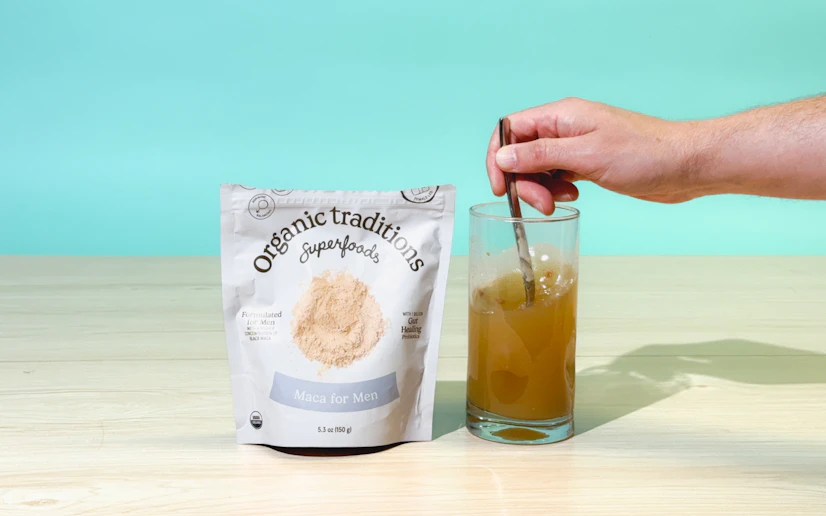
Photo by Innerbody Research
Pros
- Combines gelatinized maca with probiotics for digestive support
- Uses organic, Peruvian maca
- Third-party tested
- Vegan-friendly
- Reasonably priced, especially with a subscription
Cons
- Doesn’t include yellow maca
- Probiotic dose is lower than those used in some clinical studies
- High $10 shipping fee unless you spend at least $50
- Refund policy is vague compared to competitors
Garden of Life Fair Trade Maca Root was previously our pick for sensitive stomachs, but the product is being discontinued. Organic Traditions Maca with Probiotics is the closest replacement we’ve found, and in some ways, we think it's an even better fit for this category.
Like Garden of Life, Organic Traditions uses gelatinized maca, which has been heat-processed to make it easier to digest. That's important because maca is typically taken in gram-level doses, and many people find gelatinized maca gentler on the stomach than raw maca. Organic Traditions also includes the shelf-stable probiotic strain Bacillus coagulans MTCC 5856 at 1 billion CFU per serving.28 The company confirmed to us that this probiotic count is intended to remain through the product's shelf life when stored properly.
The probiotic is another reason this product caught our attention. Bacillus coagulans MTCC 5856 has been studied in people with digestive complaints, including functional gas, bloating, and diarrhea-predominant irritable bowel syndrome (IBS).27 Most studies used about 2 billion CFU per day, so Organic Traditions provides a smaller amount. Still, we'd rather see a named, clinically studied strain than a proprietary blend that doesn't tell you exactly what you're getting.
Organic Traditions offers two versions that differ only in their maca blend:
- Maca for Men with Probiotics: 2:1 black maca to red/purple maca
- MMaca for Women with Probiotics: 2:1 red/purple maca to black maca
There’s some rationale behind the different formulations, but it shouldn't be overstated. Black maca has shown the strongest color-specific evidence for sperm production in animal studies, which likely explains why it makes up a larger proportion of the men's formula.26 Beyond that, however, the evidence becomes much less clear. No human studies have shown that a black-heavy blend is better for men or that a red-heavy blend is better for women.
That's one reason we still prefer The Maca Team's Tri-Color Gelatinized Maca as our overall pick. Researchers haven't determined which maca color is best for which outcome, so a blend of red, black, and yellow maca offers the broadest approach. Organic Traditions leaves out yellow maca, which we see as a drawback compared to tri-color formulas. Still, if digestive comfort is your top priority, it's one of the few maca supplements that pairs gelatinized maca with a clinically studied probiotic strain.
Of course, formulation is only part of the equation. Our testing team wasn't nearly as enthusiastic about the taste. Compared to the other maca powders we tried, Organic Traditions was one of the most bitter, lacking the subtle nutty flavor that makes some maca products surprisingly enjoyable. Fortunately, it performed much better when it came to mixing. Even with nothing more than moderate stirring using a fork, we saw very little clumping, making it easy to blend into smoothies, yogurt, or other foods where the stronger flavor is less noticeable.
Pricing
Both Organic Traditions Maca with Probiotics products cost $13 for a one-time purchase or $10.40 with a subscription. Subscriptions are flexible, with delivery every 30, 60, or 90 days.
- One-time price: $13.00
- Subscription price (20% off): $10.40
- Servings per container: 50
- Cost per serving (one-time): $0.26
- Cost per serving (subscription): $0.21
The pricing is very reasonable, especially if you subscribe, but shipping is the biggest downside. Organic Traditions charges $10 shipping on orders under $50, so buying a single bag directly from the company significantly increases the overall cost. Fortunately, the products are also available through iHerb, where shipping is only $5, or free on orders of $25 or more. If you're already stocking up on supplements, iHerb may be the more economical place to buy.
Also, Organic Traditions' refund policy is less reassuring than those of some competitors, such as Natgrown's 60-day money-back guarantee. The company states that customers should contact support if a product is defective, tampered with, or doesn't meet its standards, but it doesn't clearly explain whether opened products are eligible for a refund. While the policy is vague, the relatively low purchase price helps reduce the risk.
Testosterone Support by Innerbody Labs
Best testosterone booster with maca
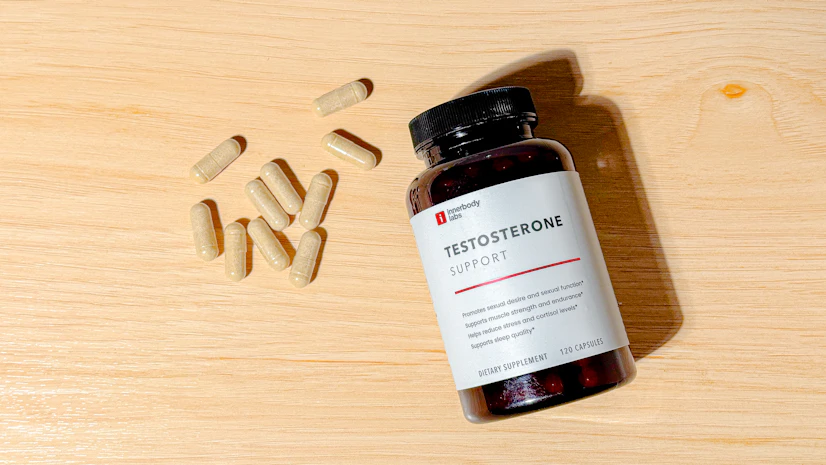
Photo by Innerbody Research
Pros
- Contains a potent maca extract
- Also includes ten other ingredients for men’s sexual wellness
- Doses align with or exceed successful research studies
- Ingredients are individually tested
- All purchase options qualify for free shipping
- Subscriptions and bulk savings of up to 40%
Cons
- Not suitable for vegans
- Some extracts are unbranded
- More expensive than standalone maca supplements
Innerbody Labs created Testosterone Support to fill a gap the company perceived in the market after years spent writing about its alternatives. The idea was to create a supplement that didn't underdose on any of its components but instead provided doses at levels supported by clinical research.
Here’s a look at Testosterone Support’s full ingredient list:
- Ashwagandha: 600mg KSM-66
- Fenugreek: 600mg
- Maca: 3,000mg
- Longjack: 400mg
- Vitamin A: 750mcg
- Vitamin D: 1,000IU
- Vitamin K2: 75mcg
- Zinc: 25mg
- Copper: 300mcg
- Selenium: 20mcg
- Black pepper extract: 5mg
In most cases, these ingredients are included primarily for their testosterone-boosting potential, but some are there for safety or increased absorption. For example, the formula includes copper because zinc supplementation can induce copper deficiency,35 and black pepper extract can aid in nutrient absorption, leading to superior results.36
While Testosterone Support is predominantly a testosterone supplement, its creators also chose to include a potent maca extract to help alleviate the sexual symptoms many men with low testosterone may experience, including a lack of libido and erectile difficulties. And for men interested in maca for testosterone purposes, but who may come to find that maca’s testosterone-boosting potential isn't well-supported by research, having it combined with known testosterone boosters like ashwagandha and fenugreek could be a perfect solution.
The non-maca ingredients in Testosterone Support do more than just boost testosterone, as well. Ashwagandha has anti-anxiety effects and may improve erectile performance,29 30 fenugreek can help manage blood glucose and inflammation,31 32 and tongkat ali can improve fertility and fight anxiety.33 34
Pricing and shipping
Innerbody Labs offers both bulk and subscription discounts, which combine to deliver up to 40% off compared to a single one-time purchase. Here’s how it works out:
| Price | Cost per bottle | Cost per dose | |
|---|---|---|---|
| One-time purchase | $78 | $78 | $2.60 |
| Monthly subscription | $67 | $67 | $2.23 |
| Quarterly subscription | $164 | $55 | $1.83 |
| Semiannual subscription | $281 | $47 | $1.57 |
Shipping costs $6.50 for domestic orders under $50, with free shipping on orders of $50 or more.
You get a 30-day money-back guarantee with Innerbody Labs Testosterone Support, which is better than some but not as long as the guarantee from Natgrown. That said, with some research pointing toward maca efficacy in as little as 28 days, a 30-day guarantee may be enough for you to confirm efficacy.13
Natgrown Horny Goat Weed and Maca Root
Best for male sexual performance

Photo by Innerbody Research
Pros
- Very potent 10:1 maca extract
- Also contains a standardized Epimedium sagittatum extract
- Black pepper is included to improve absorption
- Vegan, non-GMO, gluten- and soy-free
- Bulk purchases can save up to 20%
- 60-day money-back guarantee
Cons
- Epimedium standardized to only 10%
- Combining Epimedium and maca may more dramatically drop blood pressure
- No subscription option
Natgrown has a relatively small catalog of products (14 at the time of this writing), four of which include maca:
- A straightforward encapsulated maca powder
- A blend of maca, ashwagandha, and fenugreek
- A black maca and ginseng formula
- A mix of maca and horny goat weed
Our choice from the group is the maca and horny goat weed formula. We’re aware that maca is often sought after by men interested in improving their performance in the bedroom, whether that be their libido or their physical erectile abilities. Maca studies have shown that the substance can help men with mild ED to regain erectile strength,11 so pairing it with another incredibly popular erectogenic herb like horny goat weed (Epimedium sagittatum) makes a lot of sense.43 The other three maca products from Natgrown are fine, but they don’t feel as targeted as this one does.
The maca extract in Natgrown’s Horny Goat Weed and Maca Root is a 10:1 extract dosed at 500mg. That provides the equivalent of a 5g powder dose, which is more than we’ve seen in numerous successful studies. That also delivers around 50mg of macamides per dose, which is at least five times what we’ve seen in most other maca supplements.
If we have a nit to pick, it’s that the horny goat weed dose is just a little low: 500mg of a 10% extract provides only 50mg of icariin, the active beneficial compound in horny goat weed. That’s well above the minimum that some studies suggest would help men with erectile difficulties, but it’s also well below the higher end of the range and below the average we see in competing products. Many competitors provide 1,000mg doses of a 10% or 20% extract.
The blend also includes 5mg of black pepper extract, which we discussed under the Innerbody Labs Testosterone Support section as a compound that may increase nutrient absorption from supplements, though its effects likely aren’t universal across all ingredients.
Pricing
For what it offers, Natgrown prices the supplement pretty fairly. You can buy one, three, or six bottles at a time for the following prices:
| Price | Cost per bottle | |
|---|---|---|
| 1 bottle | $29.95 | $29.95 |
| 3 bottles | $89.85 | $26.95 |
| 6 bottles | $143.76 | $23.96 |
You might not want to spend $144 up front for half a year’s worth of this supplement, but if you try it and find that it works, it’s a nice way to save money in the long run. While Natgrown offers subscriptions for some of its other products, that option isn't currently available for Horny Goat Weed & Maca Root, making bulk purchases the only way to save. Fortunately, Natgrown offers the longest money-back guarantee in this guide at 60 days, giving you plenty of time to decide whether it's right for you.
Alternatives to maca root supplements
While many maca shoppers are interested in male sexual performance, the substance’s other purported effects make comparing it to other supplements a little more complicated. Let’s touch on the major potential benefits of maca as they compare to potential alternatives:
Male sexual performance
No supplement can compete with the strength and reliability of a prescription PDE5 inhibitor like Viagra or Cialis, the generic equivalents of which have become widely available for extremely low prices. And since many PDE5 inhibitors can be taken as needed (as opposed to the daily regimen of a supplement), there are greater opportunities for savings if you have sex less frequently. Research indicates that women and their partners prefer tadalafil (generic Cialis) to other medications, as it has the longest window of activity, lasting for up to 36 hours.
If you're considering a prescription medication instead of a supplement, our guide to the best online ED treatments compares tadalafil, sildenafil, telehealth providers, and other options to help you find the right fit.
Neuroprotection
The evidence supporting maca's potential for treating or preventing cognitive disorders remains limited, with most research confined to animal and laboratory studies. Several other ingredients — including alpha-GPC, citicoline, and phenylalanine — have considerably stronger evidence for supporting brain health and cognition.37 38 39 For a deeper look at these and other evidence-based options, check out our guide to the best nootropic supplements.
Fatigue and athletic performance
Maca's track record for reducing fatigue and supporting athletic performance is encouraging, but dedicated nitric oxide boosters may be a better fit if those are your primary goals. Our roundup of the best nitric oxide supplements compares the leading options and explains how ingredients like citrulline, beetroot, and arginine support exercise performance.
Osteoporosis
Traditionally, calcium has been the go-to supplement for anyone interested in bone health. But adding magnesium and vitamins D and K to the picture creates a more cohesive product, as D helps with calcium absorption, K helps with vitamin D balance, and magnesium serves as a building block for bones almost as important as calcium.40 41 42 You can usually find these ingredients in a decent multivitamin, though some companies sell more targeted supplements for osteoporosis, like Life Extension’s Bone Restore.
Maca supplement FAQ
Sources
Innerbody uses only high-quality sources, including peer-reviewed studies, to support the facts within our articles. Read our editorial process to learn more about how we fact-check and keep our content accurate, reliable, and trustworthy.
Ulloa Del Carpio, N., Alvarado-Corella, D., Quiñones-Laveriano, D. M., Araya-Sibaja, A., Vega-Baudrit, J., Monagas-Juan, M., Navarro-Hoyos, M., & Villar-López, M. (2024). Exploring the chemical and pharmacological variability of Lepidium meyenii: A comprehensive review of the effects of maca. Frontiers in Pharmacology, 15, 1360422.
Gonzales-Arimborgo, C., Yupanqui, I., Montero, E., Alarcón-Yaquetto, D. E., Zevallos-Concha, A., Caballero, L., Gasco, M., Zhao, J., Khan, I. A., & Gonzales, G. F. (2016). Acceptability, safety, and efficacy of oral administration of extracts of black or red maca (Lepidium meyenii) in adult human subjects: A randomized, double-blind, placebo-controlled study. Pharmaceuticals (Basel, Switzerland), 9(3), 49.
Zhang, Z., Yang, F., Shao, L., Pu, M., Ruan, Y., Yang, L., & Li, H. (2020). The metabolic formation profiles of macamides accompanied by the conversion of glucosinolates in maca (Lepidium meyenii) during natural air drying. International Journal of Food Science & Technology, 55(6), 2428-2440.
Minich, D. M., Ross, K., Frame, J., Fahoum, M., Warner, W., & Meissner, H. O. (2024). Not all maca is created equal: A review of colors, nutrition, phytochemicals, and clinical uses. Nutrients, 16(4), 530.
Beharry, S., & Heinrich, M. (2018). Is the hype around the reproductive health claims of maca (Lepidium meyenii Walp.) justified? Journal of Ethnopharmacology, 211, 126-170.
Shin, D., Jeon, S. H., Piao, J., Park, H. J., Tian, W. J., Moon, D. G., Ahn, S. T., Jeon, K. H., Zhu, G. Q., Park, I., Park, H. J., Bae, W. J., Cho, H. J., Hong, S. H., & Kim, S. W. (2023). Efficacy and safety of maca (Lepidium meyenii) in patients with symptoms of late-onset hypogonadism: A randomized, double-blind, placebo-controlled clinical trial. The World Journal of Men's Health, 41(3), 692–700.
Neuman, W. (2014, December 6). Vegetable spawns larceny and luxury in Peru. The New York Times.
Zhu, H., Hu, B., Hua, H., Liu, C., Cheng, Y., Guo, Y., Yao, W., & Qian, H. (2020). Macamides: A review of structures, isolation, therapeutics and prospects. Food Research International, 138, 109819.
Alcalde, A. M., & Rabasa, J. (2020). Does Lepidium meyenii (Maca) improve seminal quality? Andrologia, 52(10), e13755.
Melnikovova, I., Fait, T., Kolarova, M., Fernandez, E. C., & Milella, L. (2015). Effect of Lepidium meyenii Walp. on semen parameters and serum hormone levels in healthy adult men: A double-blind, randomized, placebo-controlled pilot study. Evidence-Based Complementary and Alternative Medicine: eCAM, 2015, 324369.
Zenico, T., Cicero, A. F., Valmorri, L., Mercuriali, M., & Bercovich, E. (2009). Subjective effects of Lepidium meyenii (Maca) extract on well-being and sexual performances in patients with mild erectile dysfunction: A randomised, double-blind clinical trial. Andrologia, 41(2), 95-99.
Dording, C. M., Fisher, L., Papakostas, G., Farabaugh, A., Sonawalla, S., Fava, M., & Mischoulon, D. (2008). A double-blind, randomized, pilot dose-finding study of maca root (L. meyenii) for the management of SSRI-induced sexual dysfunction. CNS Neuroscience & Therapeutics, 14(3), 182-191.
Jiannine, L.M., & Antonio, J. (2019). The effects of Lepidium meyenii on grip strength, fatigue, and sexual behavior. Journal of Exercise and Nutrition, 2(1).
Lee, E., Park, M., Kim, B., & Kang, S. (2023). Effect of black maca supplementation on inflammatory markers and physical fitness in male elite athletes. Nutrients, 15(7), 1618.
Gonzales, G. F., Gasco, M., & Lozada-Requena, I. (2013). Role of maca (Lepidium meyenii) consumption on serum interleukin-6 levels and health status in populations living in the Peruvian Central Andes over 4000 m of altitude. Plant Foods for Human Nutrition (Dordrecht, Netherlands), 68(4), 347-351.
Stojanovska, L., Law, C., Lai, B., Chung, T., Nelson, K., Day, S., Apostolopoulos, V., & Haines, C. (2015). Maca reduces blood pressure and depression, in a pilot study in postmenopausal women. Climacteric: The Journal of the International Menopause Society, 18(1), 69-78.
Gonzales, C., Cárdenas-Valencia, I., Leiva-Revilla, J., Anza-Ramirez, C., Rubio, J., & Gonzales, G. F. (2010). Effects of different varieties of maca (Lepidium meyenii) on bone structure in ovariectomized rats. Forschende Komplementarmedizin (2006), 17(3), 137-143.
Liu, H., Jin, W., Fu, C., Dai, P., Yu, Y., Huo, Q., & Yu, L. (2015). Discovering anti-osteoporosis constituents of maca (Lepidium meyenii) by combined virtual screening and activity verification. Food Research International, 77, 215-220.
Mohamed, S. M., Shalaby, M. A., El-Shiekh, R. A., Bakr, A. F., Kamel, S., Emam, S. R., & El-Banna, H. A. (2024). Maca roots: A potential therapeutic in the management of metabolic disorders through the modulation of metabolic biochemical markers in rats fed high-fat high-carbohydrate diet. Journal of Ethnopharmacology, 321, 117533.
Guo, S. S., Gao, X. F., Gu, Y. R., Wan, Z. X., Lu, A. M., Qin, Z. H., & Luo, L. (2016). Preservation of cognitive function by Lepidium meyenii (Maca) is associated with improvement of mitochondrial activity and upregulation of autophagy-related proteins in middle-aged mouse cortex. Evidence-Based Complementary and Alternative Medicine: eCAM, 2016, 4394261.
Chobufo, M. D., Gayam, V., Soluny, J., Rahman, E. U., Enoru, S., Foryoung, J. B., Agbor, V. N., Dufresne, A., & Nfor, T. (2020). Prevalence and control rates of hypertension in the USA: 2017-2018. International Journal of Cardiology. Hypertension, 6, 100044.
National Heart, Lung, and Blood Institute. (2022, March 4). Low blood pressure. National Institutes of Health, U.S. Department of Health and Human Services.
Quandt, P., & Puga, M. (2016). Manic episode secondary to maca. European Psychiatry, 33(S1), S339-S339.
Srikugan, L., Sankaralingam, A., & McGowan, B. (2011). First case report of testosterone assay-interference in a female taking maca (Lepidium meyenii). BMJ case reports, 2011, bcr0120113781.
Bogova, A., Durakova, A., Vrancheva, R., & Slavov, A. (2020). Antioxidant activity and sorption characteristics of ready-made mixture with lucuma powder. Bulgarian Journal of Agricultural Science 26(4), 906.
Gonzales C, Rubio J, Gasco M, Nieto J, Yucra S, Gonzales GF. Effect of short-term and long-term treatments with three ecotypes of Lepidium meyenii (MACA) on spermatogenesis in rats. Journal of Ethnopharmacology. 2006;103(3):448–454.
Majeed M, Nagabhushanam K, Natarajan S, Sivakumar A, Ali F, Pande A, Majeed S, Karri SK. Bacillus coagulans MTCC 5856 supplementation in the management of diarrhea predominant Irritable Bowel Syndrome: a double blind randomized placebo controlled pilot clinical study. Nutrition Journal. 2016;15:21.
Shinde T, Vemuri R, Shastri MD, Perera AP, Tristram S, Stanley R, Eri R. Probiotic Bacillus coagulans MTCC 5856 spores exhibit excellent in-vitro functional efficacy in simulated gastric survival, mucosal adhesion and immunomodulation. Journal of Functional Foods. 2019;52:100–108.
Salve, J., Pate, S., Debnath, K., & Langade, D. (2019). Adaptogenic and anxiolytic effects of ashwagandha root extract in healthy adults: A double-blind, randomized, placebo-controlled clinical study. Cureus, 11(12), e6466.
Chauhan, S., Srivastava, M. K., & Pathak, A. K. (2022). Effect of standardized root extract of ashwagandha (Withania somnifera) on well-being and sexual performance in adult males: A randomized controlled trial. Health Science Reports, 5(4), e741.
Hassani, S. S., Fallahi Arezodar, F., Esmaeili, S. S., & Gholami-Fesharaki, M. (2019). Effect of fenugreek use on fasting blood glucose, glycosylated hemoglobin, body mass index, waist circumference, blood pressure and quality of life in patients with type 2 diabetes mellitus: A randomized, double-blinded, placebo-controlled clinical trials. Galen Medical Journal, 8, e1432.
Pundarikakshudu, K., Shah, D. H., Panchal, A. H., & Bhavsar, G. C. (2016). Anti-inflammatory activity of fenugreek (Trigonella foenum-graecum Linn) seed petroleum ether extract. Indian Journal of Pharmacology, 48(4), 441-444.
Ismail, S. B., Wan Mohammad, W. M., George, A., Nik Hussain, N. H., Musthapa Kamal, Z. M., & Liske, E. (2012). Randomized clinical trial on the use of PHYSTA freeze-dried water extract of Eurycoma longifolia for the improvement of quality of life and sexual well-being in men. Evidence-Based Complementary and Alternative Medicine: eCAM, 2012, 429268.
Talbott, S. M., Talbott, J. A., George, A., & Pugh, M. (2013). Effect of tongkat ali on stress hormones and psychological mood state in moderately stressed subjects. Journal of the International Society of Sports Nutrition, 10(1), 28.
Duncan, A., Yacoubian, C., Watson, N., & others. (2015). The risk of copper deficiency in patients prescribed zinc supplements. Journal of Clinical Pathology, 68(9), 723-725.
Badmaev, V., Majeed, M., & Prakash, L. (2000). Piperine derived from black pepper increases the plasma levels of coenzyme Q10 following oral supplementation. The Journal of Nutritional Biochemistry, 11(2), 109-113.
Parker, A. G., Byars, A., Purpura, M., & Jäger, R. (2015). The effects of alpha-glycerylphosphorylcholine, caffeine or placebo on markers of mood, cognitive function, power, speed, and agility. Journal of the International Society of Sports Nutrition, 12(Suppl 1), P41.
Secades, J.J. (2019). Citicoline in the treatment of cognitive impairment. Journal of Neurology and Experimental Neuroscience, 5(1): 14-26.
Suzuki, H., Yamashiro, D., Ogawa, S., Kobayashi, M., Cho, D., Iizuka, A., Tsukamoto-Yasui, M., Takada, M., Isokawa, M., Nagao, K., & Fujiwara, Y. (2020). Intake of seven essential amino acids improves cognitive function and psychological and social function in middle-aged and older adults: A double-blind, randomized, placebo-controlled trial. Frontiers in Nutrition, 7, 586166.
Christakos, S., Dhawan, P., Porta, A., Mady, L. J., & Seth, T. (2011). Vitamin D and intestinal calcium absorption. Molecular and Cellular Endocrinology, 347(1-2), 25-29.
Masterjohn, C. (2007). Vitamin D toxicity redefined: Vitamin K and the molecular mechanism. Medical Hypotheses, 68(5), 1026-1034.
Groenendijk, I., Van Delft, M., Versloot, P., Van Loon, L. J., & De Groot, L. C. (2022). Impact of magnesium on bone health in older adults: A systematic review and meta-analysis. Bone, 154, 116233.
Shindel, A. W., Xin, Z. C., Lin, G., Fandel, T. M., Huang, Y. C., Banie, L., Breyer, B. N., Garcia, M. M., Lin, C. S., & Lue, T. F. (2010). Erectogenic and neurotrophic effects of icariin, a purified extract of horny goat weed (Epimedium spp.) in vitro and in vivo. The Journal of Sexual Medicine, 7(4 Pt 1), 1518-1528.
Ho CY, Hsu CH, Chien TJ. Herbal dietary supplements for erectile dysfunction: A systematic review and meta-analysis of randomized-controlled trials. Journal of Traditional and Complementary Medicine. 2026;16(1):109–120.
Weng PW, Chung YC, Lin TC, Hsu PC, Yang CT, Lin S, Yang MT. Enhancement of Interferon-γ Secretion by Lepidium meyenii Extract Supplementation After Exhaustive Endurance Exercise in Healthy Men: A Double-blind, Placebo-controlled Trial. International Journal of Medical Sciences. 2025;22(2):398–408.

Copyright © Innerbody Research 1997 - 2025. All Rights Reserved.