Best CBD for Sleep
With so many CBD sleep products on the market, how do you choose? We break down all the details to help you find the best options in 2026.
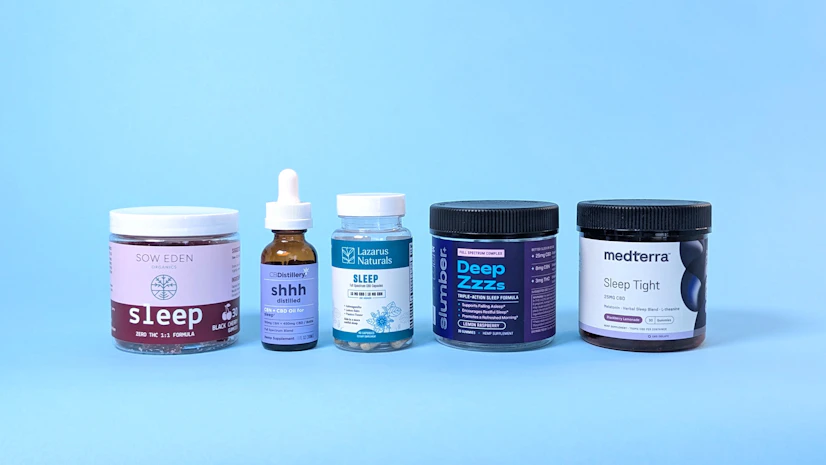
Photo by Innerbody Research
Maybe you’ve tried a sleep aid only to wake feeling as though you’d hardly slept at all. It’s a common problem with OTCs that induce drowsiness, and a tough way to learn that a full eight hours of snoozing isn’t the same as a quality night’s rest.
Generally, hypnotic supplements are best reserved only for occasional use. For a long-term sleep solution, you’d do better with something that promotes relaxation rather than knocks you out. Something like cannabidiol, more commonly known as CBD.
Navigating the CBD-for-sleep market isn’t easy. You have to watch out for proper doses, low-quality brands, and other active ingredients that could counteract your sleep efforts. To help you, we’ve evaluated dozens of CBD products based on their alignment with current scientific research, plus key consumer considerations.
For the quickest rundown, see our summary of recommendations below. Then read further to understand how we made our picks.
Summary of recommendations
- Best for most people: Lazarus Naturals Sleep Full-Spectrum CBD + CBN Capsules
- Best THC-free alternative: Sow Eden Sleep
- Best overall gummies: Slumber Deep ZZZs
- Best tincture: CBDistillery Shhh Distilled CBN + CBD Oil for Sleep (300mg CBN + 900mg CBD)
- Best short-term solution: Medterra Sleep Tight Gummies
- Budget pick: Medterra Sleep Tight Gummies

A two-capsule serving provides 30mg full-spectrum CBD plus healthy doses of CBN, lemon balm, passionflower, and ashwagandha.
Lazarus Naturals products are third-party batch-tested for quality and safety, with test results easily accessible through the company’s website. A 40ct bottle is reasonably priced at $32, and even less on subscription, and further savings are available if you buy in quantity.
In this Review
Why you should trust us
Over the past two decades, Innerbody Research has helped tens of millions of readers make more informed decisions about staying healthy and living healthier lifestyles.
We’ve spent hundreds of hours researching CBD and testing a large variety of products. To date, we’ve read well over 150 clinical studies on CBD’s benefits, limitations, and mechanisms of action, and have personally sampled dozens of oils, capsules, gummies, and other edibles. We’ve done all this to offer you perspectives from both the scientific literature and the consumer experience, ultimately giving you the most realistic idea of CBD’s potential as a long-term sleep aid.
Additionally, like all health-related content on this website, this review was thoroughly vetted by one or more members of our Medical Review Board for accuracy. To keep things up to date, we monitor the CBD landscape and update this page as information changes.
How we evaluated CBD sleep products
We identified and evaluated the market’s best CBD products based on these criteria:
- Effectiveness: How likely is the product to promote quality rest, with minimal risk of next-day drowsiness, in the majority of users?
- Safety: How much risk of adverse effects does the formulation pose?
- Cost: How high is the financial barrier to entry? The long-term financial sustainability?
- Convenience: How easy is it to administer and incorporate into regular use?
Here’s what we’ve found:
Effectiveness
Advantage: Lazarus Naturals Sleep Full-Spectrum CBD + CBN Capsules
In clinical sleep studies, CBD yielded the best results when combined with other sleep-promoting ingredients. Some support ingredients have a sedating effect, which, given the potential to cause next-day drowsiness, isn’t ideal for regular use. So practically all of our recommendations instead pair CBD with anxiolytic rather than sedative components.
Among them, Lazarus Naturals Sleep Capsules stand out for a couple of reasons. One is that their capsule form (with coconut MCT carrier oil for increased bioavailability) absorbs slowly in the body, thereby yielding longer-lasting effects — ideal for sleep. Second is their balance of well-studied anxiolytic botanicals included alongside cannabinoids:
- 30mg CBD: a low dose, but clinically relevant for sleep complaints2
- 20mg CBN: the exact dose shown in a 2024 study to reduce nighttime wakefulness and overall sleep disturbance without resulting in next-day grogginess29
- 300mg lemon balm: just shy of the 320mg dose shown to improve sleep quality and restlessness6
- 120mg passionflower: shown in a 2020 placebo-controlled study to improve total sleep time and sleep efficiency at doses as low as 60mg25
- 120mg Shoden ashwagandha: a potent branded form of a well-known anxiolytic, capable of promoting sleep via stress relief at a 120mg dose24
Compare this ingredient list to, say, Slumber and CBDistillery, which rely entirely on cannabinoids for their sleep-promoting action. Cannabinoid-only formulations are effective, yes, but not as reliable as Lazarus’ more diverse formula.
Mind, we’re talking about a full-spectrum product here, so it has trace amounts of THC. There’s a chance it can get you a little high, so if you’d rather avoid that, then Sow Eden is your best alternative.
Safety
Advantage: CBDistillery Shhh Distilled CBN + CBD Oil for Sleep
All of our recommendations pose a baseline level of risk, as they all contain cannabinoids. So, as to safety, the deciding factors boil down to:
- What does the manufacturer do, operationally, to minimize the baseline risk?
- How closely does a product hew to the baseline?
As to the first point, all of our recommended brands openly provide third-party lab results for their products. So far, they’re even.
But as to the second point, simplicity is the key factor. The fewer ingredients, the less opportunity for side effects and interactions. Among our recommendations, the simplest formulation belongs to CBDistillery Shhh Distilled CBN + CBD for Sleep: just the two active eponymous ingredients, plus some THC. Therefore, you have none of the interaction risk or next-day drowsiness you might get with Medterra, or the same level of acute drowsiness you might experience with Lazarus Naturals. In this regard alone, CBDistillery is at least a stride ahead of the other brands in this guide.
Cost
Advantage: Medterra Sleep Tight Gummies
Medterra is ultimately our budget pick not because it has the lowest sticker price, and not because it has the lowest possible per-serving cost, but because it has the lowest average per-serving cost. Average cost was important here because of the disparities in dosing and serving counts between our recommendations. Lazarus Naturals, for example, may have a lower price tag for its standard-size bottle, but it also contains ten fewer servings than Medterra; and Sow Eden may have the lowest potential per-serving cost breakdown, but only for people who need a significantly lower dose of ingredients. Medterra offers the best bang-for-buck balance.
The following table illustrates (bulk subscriptions and assistance programs excluded):
The chart doesn’t tell the whole story. Because Medterra contains melatonin, which should be taken only occasionally and short-term, a single bottle could last you way more than a month.27 For frequent sleep disturbances, a sensible dosing schedule would be no more than three times per week, or around 12 doses of Medterra per month, meaning that one order of Medterra equals nearly three months of supplementation. Therefore, a per-day cost breakdown would favor it even further over Lazarus, Sow Eden, Slumber, and CBDistillery, which are more like daily-use supplements.
On the flip side, because Medterra isn’t recommended for regular use, it isn’t appropriate for everyone looking to CBD as a sleep solution. For the melatonin-averse, then, we recommend Lazarus Naturals as our alternative budget pick.
Convenience
Advantage: Slumber Deep Zzzs
Not everyone is keen on swallowing capsules, and probably fewer like to deal with the taste and use instructions of an oil-based tincture. Gummies are therefore the most convenient mode of CBD administration.
Among our gummy recs, Slumber Deep Zzzs are the easiest to incorporate into daily use owing to their balance of flavor and mouthfeel. While its texture isn’t meaningfully different from Sow Eden and Medterra — all are soft and tend not to cling to the teeth — we felt that it tasted significantly better. Our benchmark here was “how similar is it to a candy store gummy?”, and had we not known we were tasting a CBD supplement, we might have thought Slumber was some newfangled, softer Haribo or something. Sow Eden and Medterra don’t meet that benchmark exactly: they each have a bitter undertone that betrays their hemp origins, which isn’t to everyone’s liking.
How the top CBD sleep products compare
The table below lays out the top five CBD sleep products across key factors. The listed prices are for one-month supplies of the supplements (or the closest equivalent).
What is CBD?
CBD is one of the 100+ phytocannabinoids found in cannabis. It’s extracted from hemp, which (as of November 2026) legally means the final product has less than 0.4% THC per container.
Some CBD-only products pose zero risk of intoxication. Others could get a person high. It depends on the form of CBD one takes:32
- Isolate: pure CBD, with no THC or other cannabinoids — no risk of a high
- Full-spectrum: whole-plant extract containing all of hemp’s cannabinoids, including THC, as well as terpenes and other beneficial natural compounds — can potentially cause a high
- Broad-spectrum: similar to full-spectrum, but with THC reduced to undetectable levels33 — very low risk of a high
We consider full-spectrum CBD to be the most efficacious form, as it’s the most likely to yield the entourage effect. This is the theory that cannabis compounds work together to produce an outcome greater than the sum of their parts.28 Most of the recommendations in this guide are full-spectrum products.
CBD forms (routes of administration)
CBD’s route of administration makes a difference with respect to the onset and duration of effects. For sleep applications, CBD is typically sold as:
Generally, CBD tinctures are your most effective option since they require a smaller amount of CBD to feel effects, and because they’re oil-based, they more effectively transport the fat-soluble CBD, leading to faster-hitting effects compared with edibles or capsules. One obstacle here is taste: if you don’t like the earthy, herbaceous flavor of hemp, administering a tincture will feel like a very long minute indeed. Another obstacle is duration: for a sleep product, a longer-lasting form ought to better ensure a full night’s rest.
Edibles overcome the duration problem, and since they’re effectively candies, they’re more user-friendly. But you may need to be conscientious about timing. It’s no good to take an edible just before bed only to lie awake waiting for the effects to take hold. Edibles may have potency issues, too, as suggested by a 2023 study on dosing inconsistencies in melatonin and CBD gummies.54 The CBD gummy you take may, then, have significantly more or less of the key ingredients listed on the label.
Capsules tend to be more consistently dosed than edibles, and they overcome the duration issue of tinctures. Some capsule brands also address the slow-absorption problem by adding a carrier oil. Lazarus Naturals, for example, uses coconut MCT oil in its capsules.
As for pulmonary administration, you’d do best to avoid it. The onset is rapid, but the duration is short. You may fall asleep faster, but potentially wake in the middle of the night after the effects wear off. Also, inhaling any substance introduces the risk of respiratory health problems. Even if you’re vaping instead of smoking, the vitamin E acetate commonly used in e-liquids can cause you serious lung injury.11 It’s for this reason that we don’t include inhalable CBD among our recommendations.
For more information about CBD in general, check out our guide that covers everything you need to know.
What do we know about CBD and sleep?
While research on CBD’s effects on sleep is still in its infancy, multiple supportive studies have emerged, and the literature is growing.
Much of the research points to the notion that CBD’s sleep-promoting effects stem from its actions against anxiety and pain.
The human body naturally produces cannabinoids. The most important of these is anandamide, an anxiety- and inflammation-lowering compound. Anandamide is broken down by an enzyme called fatty acid amide hydrolase (FAAH), but CBD inhibits FAAH, allowing anandamide to build up.1 32 You end up with more anandamide in your body, and the more anandamide, the less likely you are to experience anxiety or inflammation.12
In addition to its action on FAAH, CBD appears to act on a membrane channel in our cells called TRPV1. When TRPV1 opens, it triggers the transmission of a pain signal to the brain.3 But CBD blocks TRPV1, thereby keeping the pain signal from being sent.
With regard to sleep, both of these factors come into play. After all, pain and anxiety can both contribute to sleep disturbances, and several clinical studies have borne out CBD’s attenuating influence on them. A 2019 study, for example, saw that 15mg CBD capsules in chronic pain patients could significantly improve sleep quality, and another study from the same year found that patients with post-traumatic stress disorder (PTSD) experienced fewer PTSD-related nightmares after taking CBD.4 5
CBD and sleep disorders
Poor sleep isn’t necessarily the same as having a sleep disorder:
- Poor sleep can be occasional, arising from transient environmental, social, and lifestyle factors.
- A sleep disorder is chronic and typically tied to a medical condition.
So, how good is CBD for the latter?
Turns out, it depends. Clinical studies suggest that CBD works better for less severe sleep problems, such as REM sleep behavior disorder (RBD) and excessive daytime sleepiness (EDS), than for something more debilitating, like sleep apnea, narcolepsy, or insomnia.7
But CBD research on those “lesser” disorders looks promising. Take, for instance, a 2014 study on four RBD patients who reported reduced symptoms after taking CBD, or a 2021 placebo-controlled study of 33 RBD patients in which subjects reported improved sleep satisfaction.8 9 A sample size of 37 is certainly limited, but the results do point to the potential for positive health outcomes. Also, these findings track with what we know about CBD as an anxiolytic, as RBD and EDS seem to correlate positively with anxiety.34 35
The ideal dose of CBD for sleep
CBD’s potential sleep effects depend on how much you take. At very high doses, it may have a sedating effect, as demonstrated in a multi-year study published in 1981. In this study, participants who received 160mg of CBD experienced increased sleep duration but also reduced dream recall, suggesting lower sleep quality.10 36 Conversely, at very low doses, it may actually increase wakefulness, as shown in a 2004 study using 5–15mg doses of CBD alongside equal amounts of THC.37
What’s the sweet spot, then?
Around 30mg appears to be a good starting point. Case in point is a 2022 study that administered that exact amount of CBD over a four-week course to participants with moderate-to-severe anxiety, which yielded a reduction in anxiety measurements of 79.9% and an overall sleep improvement of 36.43%.38 A 2026 placebo-controlled trial also reported improvements in sleep measures with the same dose.39
At the same time, other studies administering 30mg of CBD have reported no significant improvements in anxiety or sleep measures. What we can make of that is:
- The literature could use more high-quality research on both CBD and the endocannabinoid system’s role in sleep.19
- The ideal dose may vary from person to person.
As to the second point, we reiterate that 30mg (or thereabouts) is a starting point. Some experimentation may be necessary on the user’s part to consistently achieve the desired effect.
Other ingredients in CBD sleep products
Given the irregularity of CBD’s efficacy in improving sleep measures, you can minimize the experimentation variable by choosing a supplement that bolsters CBD’s anxiolytic action with other sleep-promoting ingredients. Here are some such ingredients to look for:
CBN
CBN (cannabinol), commonly described as the “sleepy cannabinoid in old weed,” is a nonpsychoactive compound that arises as a byproduct of THC degradation.30 15 16 Though the scientific position on CBN’s sleep effects has historically been mixed, recent years have seen the publication of more favorable research. Examples include a 2023 study in which 20mg of CBN isolate successfully reduced nighttime wakefulness, and a 2025 review stating that non-CBD cannabinoids (e.g., CBN) merited consideration as therapeutic options for poor sleep.29 40
To learn more about CBN, check out our guide to the best CBN gummies.
THC
THC (tetrahydrocannabinol) is the principal psychoactive cannabinoid in cannabis. It’s the thing that gets you high. It also has sedative properties, thus promoting sleep. Research has shown that it can reduce the time needed to fall asleep and possibly increase slow-wave sleep, but it may also decrease REM sleep.41 Because of its negative effect on REM sleep, as well as its greater misuse potential, it isn’t suitable for everyone and is best taken in moderate doses.
Melatonin
Melatonin is a naturally occurring hormone that’s considered one of the most reliable sleep aids for infrequent use.13 Note that we said infrequent use. Because your body produces melatonin on its own, adding supplemental amounts may overload your body to the point that it can’t clear out the hormone by morning, causing you to feel drowsy the next day.14 Therefore, it’s best used as a corrective at times when your natural melatonin pattern is thrown out of whack.
Functional mushrooms
Botanicals
Valerian root, chamomile, lemon balm, passionflower, ashwagandha, and L-theanine are common botanicals or botanically derived compounds added to CBD blends for sleep, and each has demonstrated high potential to promote relaxation and rest in clinical studies. Given the diversity of botanical options, we examine the supporting research under individual brand sections, where relevant.
Is CBD safe?
Researchers consider CBD to be a safe substance.17 It’s nonintoxicating, nonaddictive, and generally well-tolerated, even at extremely high dosages. Side effects may arise — drowsiness, dry mouth, appetite changes, maybe some gastrointestinal discomfort — but they aren’t severe (in the case of drowsiness, it’s actually desired in a sleep aid).44
Yet CBD does pose some risks, namely related to the liver.
To be sure, CBD’s hepatotoxicity potential is largely unproven, with liver injury being possible primarily with very high doses, but the risk of adverse events increases when CBD is combined with certain medications.45
CBD is metabolized by cytochrome P450 (CYP) liver enzymes, the same ones that metabolize almost half of all prescription drugs, including but not limited to:18
- Anticonvulsants
- Immunosuppressants
- Protease inhibitors
- Anti-infectives
- Statins
- Antidepressants
- Blood thinners
- Oral contraceptives
- Antipsychotics
At the very least, combining CBD with any such medication may result in therapeutic failure of the medication; at worst, it can damage the liver.46
So, if you’re currently taking a prescription medication, exercise caution. Read your prescription bottle carefully, as any drug broken down by cytochrome P450 will almost certainly bear a notice on the label. And as always, speak with your doctor or pharmacist to ensure that CBD is appropriate for you.
Who are CBD sleep products for (and not for)?
Most CBD sleep products are best suited for people who want to take a proactive approach to sleep health with simple ingredients that promote relaxation. As long as you don’t have any contraindicating liver conditions or prescriptions, CBD and its common partner ingredients may be able to prime your mind and body for a more natural sleep than the typical over-the-counter supplement can provide. With consistent use, it may even help you overcome common low-grade sleep problems associated with stress or anxiety, such as poor sleep-onset latency and nocturnal awakenings.
In case of a circadian disturbance, like jet lag, CBD may also help if it’s paired with a modest dose of melatonin.
But CBD isn’t known to be a dependable solution for all sleep problems, especially chronic ones. Anyone suffering from narcolepsy, sleep apnea, or insomnia would do much better to seek a clinical workup and prescription treatment. The same goes for people with general anxiety disorder (GAD). CBD has anxiolytic properties, yes, but they probably aren’t enough to attenuate GAD symptoms to a degree sufficient for reliable sleep onset.
One would also do well to temper their expectations. Long-term research on CBD’s effects is still severely lacking, and what we currently know suggests that its potential as a sleep aid is relatively mild. People who experience semi-regular but non-chronic sleep disturbances may see decent benefit, but maybe not so much for those whose disturbances are more frequent.
Lazarus Naturals Sleep Full-Spectrum CBD + CBN Capsules
Best for most people
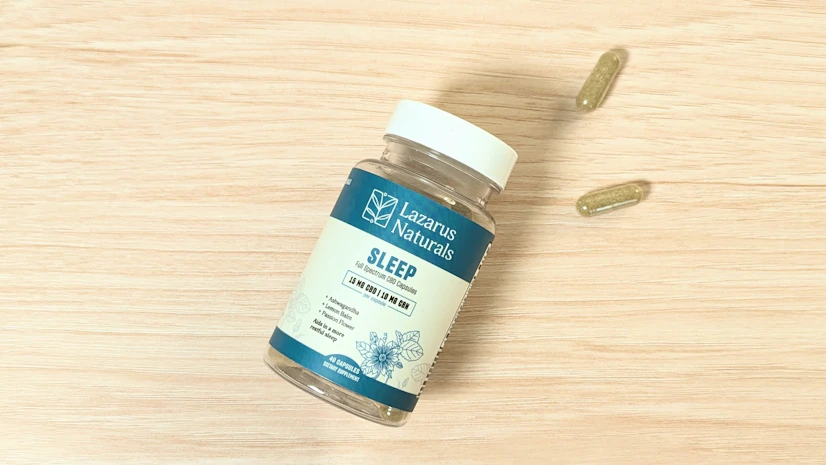
Photo by Innerbody Research
Pros
- Clinically relevant dose of CBD for sleep
- Includes CBN, which can further support sleep
- Contains four other anxiolytic ingredients, mostly in clinically relevant doses
- Capsule form may impart longer-lasting effects
- Includes carrier oil to aid absorption
- Third-party tested (test results available on website)
- Relatively affordable
- 60% discount for veterans, people on long-term disability, and low-income households
- Available in two bottle sizes
- 90-day return policy, with free returns
Cons
- Lemon balm may be slightly underdosed
- 40ct bottle isn’t enough to last a month
Lazarus Naturals is one of our favorite companies because it balances fair prices with high-quality formulations and operational transparency. Every batch of every product it makes even has its own certificate of analysis.
We’d previously named Lazarus’ Full-Spectrum CBD + CBN as our best capsules, but it has since undergone a significant reformulation that has elevated its designation. In addition to its 30mg dose of CBD, which research would suggest as a good starting point, it contains four other potentially effective ingredients to promote a good night’s rest:
- CBN (20mg): shown in a 2023 study to reduce nighttime wakefulness, at the exact dose given here29
- Lemon balm (300mg): capable of improving sleep quality and restlessness at 320mg6
- Passionflower (120mg): may improve total sleep time and sleep efficiency at doses as low as 60mg25
- Shoden ashwagandha (120mg): at 120mg, can promote sleep by reducing stress levels24
Only the lemon balm is underdosed, but only slightly. All of the other ingredients’ doses are within clinically relevant ranges. No other CBD sleep product we’ve seen is so thoughtfully formulated. Take into account, too, the ordinariness of the route of administration (capsules), and you’ve got a supplement that should appeal to the widest range of people seeking a hemp-based sleep solution.
Pricing
Available in two sizes as either a one-time purchase or a subscription, Lazarus Naturals Full-Spectrum CBD + CBN is sold at multiple price points:
| 40ct (20 servings) | 200ct (100 servings) | |
|---|---|---|
| One-time purchase | $32.00 | $120.00 |
| Subscription | $27.20 | $102.00 |
| Per-serving cost | $1.36–$1.60 | $1.02–$1.20 |
The per-serving cost refers to the label-recommended two-capsule serving size. If you find that you get results from just a half-serving, the value of a single bottle will of course double. But you could say that about any of our recommendations in this guide.
The serving count is one of the gripes we have with Lazarus Naturals. A 40ct bottle, for example, is good for only two-thirds of a month if used according to the label directions, and none of the default delivery intervals aligns with such an awkward schedule. For each of our other recommendations, the standard unit size provides a tenable 30-day serving count, and we see no reason that Lazarus Naturals can’t offer the same.
But to end on an optimistic note:
- Lazarus Naturals has one of the most generous assistance programs we’ve encountered: up to 60% off for veterans, people on long-term disability, and low-income households. The program potentially reduces the price of a single bottle to $10.88–12.80 for the 40ct bottle, and $40.80–$48.00 for the 100ct bottle. If we’d included assistance programs in our cost evaluation, Lazarus Naturals would be our budget pick.
- You have 90 days to initiate a return for a refund, which is 30–60 days longer than most of our other recs. It applies to open products, too, and return shipping is free.
Sow Eden Sleep
Best THC-free alternative

Photo by Innerbody Research
Pros
- Contains 25mg doses each of CBD and CBN
- L-theanine and reishi may promote sleep via relaxation
- The least likely product in this guide to cause drowsiness (can feasibly be taken as a standard anxiolytic in the daytime)
- Third-party tested (test results available on the product page)
- Free of THC
- Available in three product sizes: 5ct, 30ct, and 60ct
- May come with a free sample
Cons
- 30-day return period only for unopened items
- Disappointing flavor
A lot of people aren’t keen on THC. Maybe they’re drug-tested for school or work. Maybe they have a health contraindication. Or maybe they’d just rather not ingest a psychotropic substance. For them, we recommend Sow Eden Sleep as an alternative to Lazarus Naturals.
Sow Eden’s formulation is very different from that of Lazarus, but almost as promising. Alongside 25mg of broad-spectrum CBD and 25mg of CBN, it contains:
- Reishi mushroom (500mg): In a 2024 study, 500mg of reishi showed some efficacy in reducing anxiety measures. A 1,000mg dose was found to be significantly more effective.43
- L-Theanine (200mg): In a 2019 study, 200mg of L-theanine successfully reduced stress-related symptoms, as well as decreased scores for sleep latency, sleep disturbance, and the need for sleep medication.47
Compared to Lazarus, Sow Eden’s formulation isn’t as robust for sleep improvements, but it’s still well-supported. Think of it as more of a straight anxiolytic supplement, something that should put you more in the mood for sleep than make you yawn and your eyelids feel heavier. That may actually be to Sow Eden’s credit, as it can do double-duty as a general stress reliever during the day and a sleep aid at night.
One knock against it is the taste. It doesn’t taste bad, but it’s not especially good, either. It has a bitter undertone that you normally don’t expect from a gummy supplement.
Pricing
Like Lazarus, Sow Eden is available in multiple serving sizes and, therefore, numerous price points:
| 5 gummies | 30 gummies | 60 gummies | |
|---|---|---|---|
| One-time purchase | $12.00 | $60.00 | $110.00 |
| Subscription | $9.60 | $48.00 | $88.00 |
| Per-serving cost | $0.96–$2.40 | $0.80–$2.00 | $0.73–$1.67 |
Notice the wide ranges in the per-serving costs. The label-recommended serving size is either half a gummy or a full gummy — your choice. If all you need is half a gummy, then Sow Eden is cost-effective indeed, at all product sizes. But if you need a full one, it’s in no way as affordable as Medterra or Lazarus Naturals.
No assistance programs here, either, and the return policy is lousy. You have 30 days to initiate a return, but only unopened products qualify for a refund. And you’re the one responsible for return shipping costs.
Slumber Deep ZZZs
Best overall gummies
Pros
- 25mg of CBD per gummy
- Found to improve sleep quality in a (self-funded) study
- Third-party tested (test results available on website)
- Only a small amount of THC
- Tastes pretty good
- 30-day satisfaction guarantee on first-time purchases
Cons
- Second-most expensive product in this guide
- Does not ship to Idaho, West Virginia, Oregon, or Rhode Island
With Slumber, we have a product that builds on a 25mg dose of CBD with two other cannabinoids. One is CBN, and the other is THC. The CBN dose is quite low, but the THC is simultaneously modest and sufficient.
Colloquial wisdom states that 2.5mg of THC is a good beginner’s dose.48 Slumber’s 3mg quantity (the same amount you can expect from a dose of CBDistillery’s Shhh) gives you just a half milligram above that, and research suggests that it ought to give users the sleep outcomes they seek, as well as the potential for a high. In 2025, for example, a study administered a cannabinoid supplement that contained 3mg of THC, 6mg of CBN, and 10mg of CBD — not terribly different from Slumber. By the end of the study period, the researchers concluded that this combination of cannabinoids could “improve adults' sleep quality/efficiency and health‐related quality of life.”49
There has also been a study using Slumber Deep Zzzs specifically. Mind, it was funded by Slumber and never published in a peer-reviewed journal, but it at least gives us some solid data grounded in the scientific method. It involved over 500 participants, 82% of whom reported that Slumber helped them sleep, 80% of whom claimed they had an easier time falling back asleep after a disturbance, and 70% of whom said Slumber helped them feel more refreshed upon waking. For what it’s worth, these findings broadly reflect our experience with Slumber Deep Zzzs.
The gummies taste pretty good, too. They used to have a skunkier smell, but that seems to be a thing of the past. Now, olfactorily and gustatorily, Slumber Deep Zzzs are hardly distinguishable from a gummy from a candy store.
Pricing
Slumber Deep Zzzs cost $60 as a one-time purchase and $45 on subscription. They may not be the most expensive CBD sleep product on the market, but they’re at least the second-priciest product in this guide.
The saving grace is that Slumber offers a 30-day satisfaction guarantee on first-time purchases. Thirty days should be more than enough time to see whether Deep Zzzs are supporting your sleep health, so your first purchase is risk-free.
CBDistillery Shhh Distilled CBN + CBD Oil for Sleep (300mg CBN + 900mg CBD)
Best tincture

Photo by Innerbody Research
Pros
- 30mg of CBD is clinically relevant
- Also contains 10mg of CBN
- Only a small amount of THC
- Third-party tested (test results available on website)
- Free shipping over $45
- Relatively mild hemp taste
- 60-day satisfaction guarantee
Cons
- CBN may be underdosed
- Most expensive product in this guide
- Inconvenient mode of administration
CBDistillery Shhh Distilled CBN + CBD Oil for Sleep is available in two strengths. One contains 150mg of CBN and 450mg of CBD; the other has 300mg of CBN and 900mg of CBD. The milligram count on the label refers to total cannabinoids per bottle. Each bottle contains 30 servings, so the per-serving dosing breaks down thusly:
- 150mg CBN + 450mg CBD: 5mg CBN and 15mg CBD per serving
- 300mg CBN + 900mg CBD: 10mg CBN and 30mg CBD per serving
We specifically recommend the second, stronger option because its CBD dosing aligns with clinical studies.38 39 The CBN may be half of what has been deemed effective in research,29 but because we’re dealing with a tincture, the dose can more easily be titrated upward, at least as long as you can tolerate a larger amount of CBD. Note, too, that CBDistillery’s certificates of analysis indicate a THC concentration that amounts to around 3mg per serving, the same amount as Slumber, and the dose supported by a 2025 study.49
The act of dosing can be a drag, though. To get the full benefits of the tincture, you need to hold it under your tongue for 45–60 seconds. The whole time, you’ll be tasting hemp. The taste is blessedly mild, but it’s still hemp. Compared to a gummy or a quick swallow of capsules, the experience is much less pleasant. The trade-off is that it’s theoretically more bioavailable, as the cannabinoids initially absorb through your oral mucosa, and then absorb further via digestion after you swallow.
Pricing
CBDistillery Shhh Distilled CBN + CBD Oil for Sleep (300mg CBN + 900mg CBD) costs $110 as a one-time purchase, which is around 2.4 times as much as a 30ct bottle of our budget pick, Medterra. Subscription-based purchases are $77 per month, which is much lower, but still more expensive than a two-month supply of Medterra.
Shipping, though, should cost you nothing. On orders over $45 (as well as for subscriptions), CBDistillery ships for free, and a single bottle easily clears the threshold. Plus, there’s a discount program for military, firefighters, police officers, and EMTs.
Apart from that, CBDistillery offers a 60-day satisfaction guarantee, which is twice as long as that of most of our recommended brands. Only Lazarus Naturals’ 90-day policy is better.
Medterra Sleep Tight Gummies
Best short-term solution, budget pick

Photo by Innerbody Research
Pros
- 25mg of CBD supported by L-theanine, chamomile, lemon balm, passionflower, 5-HTP, and melatonin
- U.S. Hemp Authority certified
- Third-party tested (test results available on website)
- Lowest average per-serving cost in this guide
- Can be purchased in a two-pack bulk
- Discounts for military and people on long-term disability
- 30-day risk-free guarantee
Cons
- Melatonin may cause next-day drowsiness
- Chamomile, L-theanine, lemon balm, and passionflower are underdosed
- 5-HTP may be unsafe for some people
- Uses CBD isolate, not full-spectrum
Medterra takes roughly the same approach to formulation as Lazarus Naturals and Sow Eden, packing multiple anxiolytic or sleep-inducing components alongside an effective dose of CBD:
- L-Theanine (100mg)
- Chamomile (50mg)
- Lemon balm (50mg)
- Passionflower extract (40mg)
- 5-HTP (10mg) — a precursor to tryptophan and serotonin that may improve sleep-onset latency21
- Melatonin (3mg)
Notice, though, that several ingredients are underdosed. Based on what you’ve now read about L-theanine, lemon balm, and passionflower, you know that you’d need something like 2–6 times the amount of these botanicals than what’s present in Medterra.
And the other ingredients? Most of them are underdosed, too. For sleep, a standard dose of chamomile is at least 1,100mg, and a dose of 5-HTP would be at least 100mg.50 51
But those ingredients are just bit players in the Medterra formulation. The co-star here, next to CBD, is melatonin. The 3mg dose is certainly clinically relevant. In a 2020 randomized, double-blind clinical trial, that exact amount of melatonin was found to improve total sleep time, REM sleep, and morning wake time in middle-aged patients with insomnia.52 So, even with a bunch of underdosed ingredients on its bill, Medterra offers plenty of sleep-inducing power.
The downside of melatonin is its potential to cause next-day drowsiness. The “melatonin hangover,” as it’s known, results from your body being unable to eliminate enough of the hormone by the time you wake, leaving excess amounts of a sleep-inducing agent circulating in your system during the daytime.14 For that reason, Medterra is best taken only on an occasional basis, at times when your circadian rhythm and natural melatonin production are disrupted (e.g., jet lag).
The 5-HTP can be a problem, too. As the precursor to serotonin, 5-HTP can interact with prescription medications that affect serotonin levels, potentially leading to a serious health condition called serotonin syndrome. The 5-HTP dose in Medterra may be low, but the risk remains. Therefore, if you take selective serotonin reuptake inhibitors (SSRIs), monoamine oxidase inhibitors (MAOIs), tricyclic antidepressants, or other such drugs, you’re better off avoiding Medterra entirely.31
Pricing
Medterra Sleep Tight Gummies can be bought as either a single bottle or a two-bottle bulk order. Both options are available as a one-time purchase or a subscription.
| One-time | Subscription | |
|---|---|---|
| 1 bottle (30ct) | $45.99 | $34.49 |
| 2 bottles (60ct) | $73.58 | $55.19 |
The per-serving costs break down to $1.15–$1.53 for a single-bottle purchase, and $0.92–$1.22 for the double-bottle bulk. On average, then, Medterra is the most cost-effective option in this guide.
Like Lazarus Naturals, Medterra also runs a discount program. Here, it’s for military personnel and people with long-term disabilities.
Medterra’s guarantee period is only a third as long as Lazarus’, but it’s at least the standard 30-day length.
Alternatives to CBD for getting a good night’s sleep
Clinical research on CBD’s effects on sleep is still in its early stages, so there’s still a lot that’s unknown about its mechanisms on sleep. You’d be well within reason to prefer a sleep product with more definitive research on its dosing and efficacy.
Below are some such products.
Individual supplements
With several of our recommendations, even if you cut cannabinoids out of the picture, you may still see some relief from the things keeping you awake at night. Chamomile, L-theanine, lemon balm, and passionflower — appearing across Lazarus Naturals, Sow Eden, and Medterra — are well-known for their calming effects, and with any one of them, you can find an individual supplement that delivers a clinical dose.
There are other supplements to consider as well. One example is GABA, an inhibitory neurotransmitter that can quiet anxiety. One study found that people with insomnia have an average of 30% less GABA in their brains than those without, suggesting that supplementation might alleviate their symptoms.20
Vitamins and minerals
Among vitamins and minerals, B6, B12, and magnesium are the three you should have your eye on, as a 2019 study found that people with moderate insomnia saw symptom improvement after three months of supplementation with these nutrients (alongside melatonin).22
We especially like magnesium (enough to write a whole guide to magnesium-based sleep supplements) since it can also lower your cortisol levels, which are stress-linked and highest upon waking.23
Complex Supplements
There are some good complex supplements out there that thoughtfully combine clinical doses of multiple botanicals, vitamins, minerals, and other components. Innerbody Labs Sleep Support tops our list of recommendations in this space, though brands such as Thesis, Recess, and Ritual can also yield excellent results.
See our guide to the best OTC sleep aids for more info.
Prescription medications
When severe enough, a sleep disorder requires something stronger than a supplement can ever be expected to be — something like Halcion, Ativan, or Ambien. You’ll need a medical workup and a prescription, of course.
CBD for sleep FAQ
Sources
Innerbody uses only high-quality sources, including peer-reviewed studies, to support the facts within our articles. Read our editorial process to learn more about how we fact-check and keep our content accurate, reliable, and trustworthy.
Scherma, M., et al. (2019). Brain activity of anandamide: A rewarding bliss? Acta Pharmacologica Sinica, 40(3), 309-323.
Shannon, S., et al. (2019). Cannabidiol in anxiety and sleep: A large case series. The Permanente Journal, 23, 18-41.
Ho, K. W., Ward, N. J., & Calkins, D. J. (2011). TRPV1: A stress response protein in the central nervous system. American Journal of Neurodegenerative Disease, 1(1), 1-14.
Capano, A., Weaver, R., & Burkman, E. (2020). Evaluation of the effects of CBD hemp extract on opioid use and quality of life indicators in chronic pain patients: A prospective cohort study. Postgraduate Medicine, 132(1), 56-61.
Elms, L., et al. (2019). Cannabidiol in the treatment of post-traumatic stress disorder: A case series. Journal of Alternative and Complementary Medicine, 25(4), 392-397.
Mathews, I. M., et al. (2024). Clinical efficacy and tolerability of lemon balm (Melissa officinalis L.) in psychological well-being: A review. Nutrients, 16(20).
Babson, K. A., Sottile, J., & Morabito, D. (2017). Cannabis, cannabinoids, and sleep: A review of the literature. Current Psychiatry Reports, 19(23).
Chagas, M. H., et al. (2014). Cannabidiol can improve complex sleep-related behaviours associated with rapid eye movement sleep behaviour disorder in Parkinson's disease patients: a case series. Journal of Clinical Pharmacy and Therapeutics, 39(5), 564-566.
De Almeida, C. M. O., et al. (2021). Cannabidiol for rapid eye movement sleep behavior disorder. Movement Disorders: Official Journal of the Movement Disorder Society, 36(7), 1711-1715.
Carlini, E. A., & Cunha, J. M. (1981). Hypnotic and antiepileptic effects of cannabidiol. Journal of Clinical Pharmacology, 21(S1), 417Sz-427S.
American Lung Association. (n.d.). E-cigarette or Vaping Use-Associated Lung Injury (EVALI). ALA.
Bluett, R. J., et al. (2014). Central anandamide deficiency predicts stress-induced anxiety: behavioral reversal through endocannabinoid augmentation. Translational Psychiatry, 4(7), e408.
Xie, Z., et al. (2017). A review of sleep disorders and melatonin. Neurological Research, 39(6), 559-565.
Amstrup, A. K., et al. (2015). The effect of melatonin treatment on postural stability, muscle strength, and quality of life and sleep in postmenopausal women: A randomized controlled trial. Nutrition Journal, 14, 102.
Khouchlaa, A., et al. (2024). Health benefits, pharmacological properties, and metabolism of cannabinol: A comprehensive review. Industrial Crops and Products, 213, 118359.
Zhang, Q., et al. (2024). The progress of small molecules against cannabinoid 2 receptor (CB2R). Bioorganic Chemistry, 144, 107075.
Larsen, C., & Shahinas, J. (2020). Dosage, efficacy and safety of cannabidiol administration in adults: a systematic review of human trials. Journal of Clinical Medicine Research, 12(3), 129-141.
Balachandran, P., Elsohly, M., & Hill, K. P. (2021). Cannabidiol interactions with medications, illicit substances, and alcohol: A comprehensive review. Journal of General Internal Medicine, 36, 2074-2084.
Kesner, A. J., & Lovinger, D. M. (2020). Cannabinoids, endocannabinoids and sleep. Frontiers in Molecular Neuroscience, 13.
Winkelman, J. W., et al. (2008). Reduced brain GABA in primary insomnia: Preliminary data from 4T proton magnetic resonance spectroscopy (1H-MRS). Sleep, 31(11), 1499-1506.
Sutanto, C., et al. (2021). The impact of 5-hydroxytryptophan supplementation on sleep quality of older adults in Singapore: A randomized controlled trial. Current Developments in Nutrition, 5(Suppl 2), 372.
Djokic, G., et al. (2019). The effects of magnesium–melatonin–vit B complex supplementation in treatment of insomnia. Open Access Macedonian Journal of Medical Sciences, 7(18), 3101-3105.
Dmitrašinović, G., et al. (2016). ACTH, cortisol and IL-6 Levels in athletes following magnesium supplementation. Journal of Medical Biochemistry, 35(4), 375-384.
Mishra, D. N., & Kumar, M. (2024). Shoden promotes relief from stress and anxiety: A randomized, double-blind, placebo-controlled study on healthy subjects with high stress levels. Heliyon, 10(17), e36885.
Lee, J., et al. (2020). Effects of Passiflora incarnata Linnaeus on polysomnographic sleep parameters in subjects with insomnia disorder: A double-blind randomized placebo-controlled study. International Clinical Psycopharmacology, 35(1), 29-35.
Lucas, C.J., Galettis, P., & Schneider, J. (2018). The pharmacokinetics and the pharmacodynamics of cannabinoids. British Journal of Clinical Pharmacology, 84(11), 2477-2482.
National Health Service of the United Kingdom. (2023). How and when to take melatonin. NHS.
Ferber, S. G., et al. (2020). The “entourage effect”: Terpenes coupled with cannabinoids for the treatment of mood disorders and anxiety disorders. Current Neuropharmacology, 18(2), 87.
Bonn-Miller, M. O., et al. (2024). A double-blind, randomized, placebo-controlled study of the safety and effects of CBN with and without CBD on sleep quality. Experimental and Clinical Psychopharmacology, 32(3), 277-284.
Maioli, C., et al. (2022). Cannabinol: History, syntheses, and biological profile of the greatest “minor” cannabinoid. Plants, 11(21), 2896.
Memorial Sloan Kettering Cancer Center. (2022). 5-HTP. MSKCC.
Cather, J. C., & Cather, J. C. (2020). Cannabidiol primer for healthcare professionals. Proceedings, 33(3), 376.
Zvorsky, I., et al. (2025). Urinalysis and perceived effects following 2-week use of a commercial broad-spectrum cannabidiol product. Experimental and Clinical Psychopharmacology, 33(1), 62–67.
Yao, C., et al. (2019). Risk factors for possible REM sleep behavior disorder: A CLSA population-based cohort study. Neurology, 92(5), e475-e485.
Wang, Y., et al. (2025). Association of excessive daytime sleepiness with anxiety, depressive symptoms, and quality of work life among maternal and child health nurses. Scientific Reports, 16(1), 43.
Brand, S., et al. (2011). Dream recall and its relationship to sleep, perceived stress, and creativity among adolescents. The Journal of Adolescent Health, 49(5), 525-531.
Nicholson, A. N., et al. (2004). Effect of Δ-9-tetrahydrocannabinol and cannabidiol on nocturnal sleep and early-morning behavior in young adults. Journal of Clinical Psychopharmacology, 24(3), 305-313.
Perez, J. G., et al. (2025). Cannabinoids for anxiety and sleep disturbances: A scoping review. Medical Cannabis and Cannabinoids, 8(1), 219-237.
Lavender, I. G., et al. (2026). Cannabinol for acute treatment of insomnia disorder in a randomized placebo-controlled crossover trial. Journal of Sleep Research, e70284.
Da Silva, G. H. S., et al. (2025). Effectiveness of cannabinoids on subjective sleep quality in people with and without insomnia or poor sleep: A systematic review and meta-analysis of randomised studies. Sleep Medicine Reviews, 84, 102156.
Kaul, M., Zee, P. C., & Sahni, A. S. (2021). Effects of cannabinoids on sleep and their therapeutic potential for sleep disorders. Neurotherapeutics, 18(1), 217-227.
Qiu, Y., et al. (2021). Exploration of the anti-insomnia mechanism of Ganoderma by central-peripheral multi-level interaction network analysis. BMC Microbiology, 21, 296.
Mitra, S., et al. (2024). Efficacy of lingzhi or reishi medicinal mushroom Ganoderma lucidum (Agaricomycetes) supplementation on psychological stress and selective fitness profile parameters in female college students in West Bengal, India. International Journal of Medicinal Mushrooms, 26(11), 51-64.
Mayo Clinic. (2022). What are the benefits of CBD — and is it safe to use? Mayo Clinic.
LiverTox. (2023). Cannabidiol. National Institute of Diabetes and Digestive and Kidney Diseases.
Villeneuve, J. P., & Pichette, V. (2004). Cytochrome P450 and liver diseases. Current Drug Metabolism, 5(3), 273-282.
Hidese, S., et al. (2019). Effects of L-theanine administration on stress-related symptoms and cognitive functions in healthy adults: A randomized controlled trial. Nutrients, 11(10), 2362.
Canadian Centre on Substance Use and Addiction. (n.d.). Edible cannabis affects people differently. CCSA.
Hausenblas, H., Hooper, S., & Lynch, T. (2025). Effectiveness of a cannabinoids supplement on sleep and mood in adults with subthreshold insomnia: A randomized double‐blind placebo‐controlled crossover pilot trial. Health Science Reports, 8(2), e70481.
Drugs.com. (2026). Chamomile. Drugs.com.
Andrew Weil Center for Integrative Medicine. (2026). 5HTP. AWCIM.
Xu, H., et al. (2020). Efficacy of melatonin for sleep disturbance in middle-aged primary insomnia: A double-blind, randomised clinical trial. Sleep Medicine, 76, 113-119.
Tennessee Poison Center. (2022). Could over-the-counter CBD or delta-8 supplements cause positive urine drug screens? Vanderbilt University Medical Center.
Cohen, P. A., et al. (2023). Quantity of melatonin and CBD in melatonin gummies sold in the U.S. JAMA, 329(16), 1401-1402.
READ THIS NEXT



Copyright © Innerbody Research 1997 - 2025. All Rights Reserved.