Best CBN Gummies
Need a good night’s rest? CBN gummies may help. Our team did the research and testing to help you choose the best.
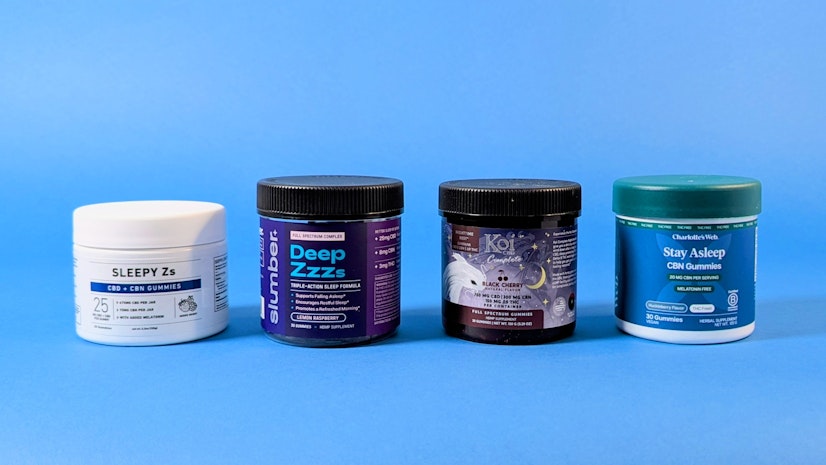
Photo by Innerbody Research
Anywhere from one-third to one-half of the U.S. adult population have difficulting falling asleep or staying asleep.1 51 Whether it’s due to stress, insomnia, lifestyle, or any number of causes, this difficulty ends up in sleep deprivation, which can have a profound effect on your day-to-day life.2 3 As explained by Dr. Jennie Stanford, MD, FAAFP, DipABOM, a family medicine physician and member of our medical review board, “Poor quality or inadequate sleep is strongly linked to poor health outcomes, including appetite changes, weight gain, insulin resistance, stress, and depression.”
Many people seek over-the-counter solutions to the causes and effects of poor sleep, and one option that’s gained popularity is cannabinol (CBN) gummies. CBN is often referred to as the “sleepy cannabinoid,”4 but does it live up to its designation?
In this guide, we cover the research behind CBN’s efficacy and safety, and examine what we’ve found to be the best CBN gummies on the market.
See below for a quick rundown of our recommendations. Then read further to see how we made our picks.
Summary of recommendations
- Best overall: Slumber Deep Zzzs
- Best budget pick: Koi Complete Nighttime Rest
- Best CBN isolate (THC-free): Charlotte’s Web Stay Asleep Gummy
- Best with added melatonin: Green Roads Sleepy Zs

With its Deep Zzzs, Slumber offers a gummy that our testers found to be the most effective at helping them sleep (even more effective than the gummy containing melatonin).
The fact that Slumber achieves this effectiveness without melatonin is an advantage. While Slumber isn’t the least expensive, its effectiveness, impressive safety profile, and appealing taste make it the best value in our opinion. Unlike other companies, Slumber even conducted a 500-person study that suggests that its effectiveness for us was no fluke. The subscription opportunity makes the price more attractive, too. But note that this product is full-spectrum; that likely makes it more effective as a sleep aid, but also not suitable for anyone who wants to avoid THC entirely. Also, it’s unavailable in Idaho, West Virginia, Oregon, and Rhode Island due to state laws.
Jump to:
Why you should trust us
Over the past two decades, Innerbody Research has helped tens of millions of readers make more informed decisions involving staying healthy and living healthier lifestyles.
For this guide, we spent over 175 hours reading more than 50 scientific sources on CBN, with the goal of assessing its safety and efficacy and identifying its most suitable user populations. We also surveyed the competitive landscape to pinpoint the CBN gummy products that stood out. We then purchased the most promising ones and tried them ourselves so we could bring you hands-on details from a customer’s perspective. This combination of scientific research and human experience has informed our recommendations.
Additionally, like all health-related content on this website, this review was thoroughly vetted by members of our Medical Review Board for accuracy. As more information about CBN enters the scientific literature, we’ll update this page accordingly.
How we evaluated CBN gummies
As with any supplemental product, we examined CBN gummies using criteria that we felt were most important to consumers with regard to a gummy supplement:
- Safety
- Effectiveness
- Cost
- Customer convenience
- Taste
Let’s see which product rose to the top in each category.
Safety
Advantage: Slumber Deep Zzzs
While all four of our recommended CBN gummies are third-party tested and have easily accessible certificates of analysis (CoAs), Slumber Deep Zzzs is the only one of them that satisfies all of the safety conditions we look for:
| Slumber Deep Zzzs | Koi Complete Nighttime Rest | Charlotte’s Web Stay Asleep | Green Roads Sleepy Zs | |
|---|---|---|---|---|
| Third-party testing? | ||||
| CoAs available? | ||||
| Potential allergens? | None | Corn and sunflower | Sunflower | None |
| Contains melatonin? | No | No | No | |
| Hemp grown in the U.S.? | ||||
| Vegan? |
That is, in addition to its transparent testing parameters, Slumber Deep Zzzs stands alone as the only allergen-free option without melatonin, an ingredient that can cause both unpleasant short-term side effects and long-term cardiovascular harm.52 53
For more information on the safety of CBN itself, see the section titled “Is CBN safe?” later on in this guide.
Effectiveness
Advantage: Slumber Deep Zzzs
We like it when a study supports a specific supplement brand, because it fills the gap between the theoretical applications of an ingredient and the practical effects of a product containing it.
Among the recommendations in this guide, Slumber Deep Zzzzs is the only one that has unquestionably undergone targeted scientific study that quantifies its ability to promote sleep health after 21 days of consistent use:
- Improved sleep quality and patterns in 71% of participants
- Improved ability to stay asleep in 82% of participants
- Increased ease of falling back asleep after waking in 80% of participants
- Increased feelings of refreshment in the morning in 71% of participants
- An average of 72 more minutes of sleep per night among all participants
Although the study was self-funded and unpublished, we recognize that this type of research typically doesn’t exist unless the manufacturer makes it happen themselves. CBN research on humans is generally difficult to come by, anyway, so we appreciate Slumber’s efforts here.
The only other one of our recommendations that may have undergone a self-funded study is Charlotte’s Web. We say “may” because the study doesn’t name Charlotte’s Web as the product used in the study, only as the place where three of the study’s researchers worked. We can only conjecture, based on the form and amount of CBN administered to participants, that it was the Stay Asleep gummies we recommend.
Furthermore, unlike Charlotte’s Web, Slumber is a complex of multiple cannabinoids, which a 2023 study suggests may improve users’ sleep quality and duration. The same study notes that melatonin, one of the active ingredients in Green Roads, is generally more effective as a sleep aid, but melatonin comes with starker side effects, and Green Roads hasn’t been the subject of any specific scientific research to date.6
We cover more information on CBN’s mechanisms of action under “How does CBN work?”
Cost
Advantage: Koi Complete Nighttime Rest
While hemp and cannabis products can be pricey, two of our recommendations here occupy the lower end of the cost spectrum. One is Koi Complete Nighttime Rest, and the other is Charlotte’s Web Stay Asleep. Koi ultimately has the advantage, though its up-front price tag is higher. Here’s a table to illustrate why:
| Koi Complete Nighttime Rest (30ct) | Charlotte’s Web Stay Asleep (30ct) | |
|---|---|---|
| Servings | 30 | 15 |
| One-time purchase | $39.99 | $34.99 |
| Subscription | $31.99 | $22.74 |
| Per-serving | $1.07-$1.33 | $1.52-$2.33 |
It comes down to the per-serving cost. Charlotte’s Web may be less expensive up front, but it has just half the serving count of Koi. You’d need the 60ct bottle of Charlotte’s Web for an equal number of servings, but that increases the one-time cost to $49.99 and the subscription cost to $32.49, and Koi’s price points are lower on both measures. Not until you examine each brand’s largest unit size does Charlotte Web’s become more cost-effective, and only as a subscription. So, all told, Koi is the more accessible option for most people.
Customer convenience
Advantage: Koi Complete Nighttime Rest
Previously, we gave Charlotte’s Web the advantage for customer convenience. Since then, Koi has surpassed our original pick by tripling its guarantee period, removing eligibility conditions for refunds, and adding a subscription program.
Here’s a table to illustrate:
| Subscription delivery intervals | Guarantee policy | |
|---|---|---|
| Koi | Every 2, 4, 6, or 8 weeks | 90-day money-back guarantee, plus partial guarantees beyond 90 days |
| Charlotte’s Web | Every 2, 3, 4, 5, 6, 8, or 12 weeks | 30-day satisfaction guarantee |
| Slumber | 30, 45, or 60 days | 30-day satisfaction guarantee on first-time purchases; must be tried for at least 2 weeks |
| Green Roads | Every 3, 4, 6, or 8 weeks | 30-day money-back guarantee only on unopened products |
Notice that Koi also offers partial guarantees: at 91-149 days past the purchase date, you’re still eligible for a 50% refund.
Charlotte’s Web still has the advantage in terms of delivery interval options, but it isn’t enough to outshine Koi’s refund policy.
Taste
Advantage: Green Roads Sleepy Zs
Whereas many cannabis-based gummies taste bitter and “skunk-like,” Green Road Sleepy Zs are more like straight candies. Our testers likened them to cubes of blackberry jam. Its flavor profile is more likely to appeal to an audience beyond regular users of cannabis edibles.
Slumber Deep Zzzs came in a close second for taste, but they retain a skunk-like odor that may taint the initial flavor experience.
Koi and Charlotte’s Web taste pretty good to us, as well, but the other two products are the ones that stood out to our testers.
How our top CBN gummy picks compare
Below is a quick-reference chart comparing the key points of our top CBN gummies. Except for the cost per serving, the prices in the chart are rounded up to the nearest dollar.
| Slumber Deep Zzzs | Koi Complete Nighttime Rest | Charlotte’s Web Stay Asleep | Green Roads Sleepy Zs | |
|---|---|---|---|---|
| CBN content per serving | 8mg | 10mg | 20mg (10mg per gummy) | 2.5mg |
| Other active ingredients | CBD (25mg), delta-9-THC (3mg) | CBD (25mg), delta-9-THC (5mg) | N/A | CBD (22.5mg), melatonin (5mg) |
| Servings per container | 30 | 30, 60, 120 | 15, 30, or 45 | 10 or 30 |
| One-time purchase price | $60 | $40-$160 | $35-$60 | $20-$50 |
| One-time cost per serving | $2.00 | $1-28-$1.33 | $1.33-$2.33 | $1.67-$2.00 |
| Subscription price | $45 | $32-$128 | $23-$39 | $40 |
| Guarantee or return policy | 30-day satisfaction guarantee on first-time purchases; must be tried for at least 2 weeks | 90-day money-back guarantee; 50% guarantee at 91-149 days | 30-day satisfaction guarantee | 30-day money-back guarantee on unopened products only |
| Flavor(s) | Lemon Raspberry | Black Cherry | Huckleberry | Blackberry |
| Third-party tested? | ||||
| Vegan? |
What is CBN?
CBN (short for cannabinol) is a nonpsychoactive cannabinoid.7 Cannabinoids, in general, are the biologically active compounds derived primarily from the Cannabis sativa plant.
Most early research on cannabinoids focused on the “major” or “big four” cannabinoids:9
- THC (tetrahydrocannabinol)
- CBD (cannabidiol)
- CBG (cannabigerol)
- CBC (cannabichromene)
But cannabis plants can produce more than 150 other compounds known as “minor cannabinoids,” which have only recently started to garner attention from the scientific community.9 CBN falls under this category.
Unlike other cannabinoids, CBN isn’t made by the plant; rather, it’s a product of THC degradation.8 This means that CBN concentrations are highest in aged cannabis products.9
How does CBN work?
CBN affects certain receptors in the body.20 They’re usually classed as either:21 22
- Cannabinoid 1 receptors (CB1): Found throughout the body but primarily located in the brain and nervous system. As explained by Dr. Peter Grinspoon, MD, an instructor at Harvard Medical School, CB1 receptors “act like traffic cops to control the levels and activity of most of the other neurotransmitters.” As such, they can modulate or adjust physiological factors such as hunger, alertness, and body temperature as necessary.20
- Cannabinoid 2 receptors (CB2): Mainly found in the body’s peripheral and immune tissues and the gastrointestinal system, but are also present to a lesser extent in the brain.23 CB2 receptors play a role in regulating eye pressure, gut motility, immune functioning, and intestinal inflammation, among other things.20 26 Researchers are also investigating the CB2 receptor as a “therapeutic target” for conditions like neuropathic pain and Alzheimer’s disease.23
CB1 and CB2 receptors are part of the body’s endocannabinoid system, which controls and regulates a wide range of functions (e.g., memory and learning, sleep, body temperature, emotion processing, pain response), and different cannabinoids affect these receptors in different ways.20
According to researchers, CBN has a “higher affinity” for CB2 receptors than for CB1 receptors, which is why it isn’t psychoactive.24 25 In contrast, the cannabinoid THC affects CB1 receptors more intensely (stimulating the CB1 receptors in the brain is what causes the high associated with THC).9 20
Having less of an effect on CB1 receptors doesn’t mean CBN has no neurological effect. On the contrary, the fact that CBN may improve various aspects of sleep suggests that it does have some effect; it’s just not as strong as one caused by some other cannabinoids.4 5
Is CBN legal?
At the time of this writing, yes. As long as the CBN is derived from hemp and has a THC concentration less than 0.3% on a dry weight basis, it’s generally legal to purchase and use in the United States.10
That said, because state laws vary, your access to certain CBN products (namely those that contain higher than 0.3% THC) will depend on where you live. Among our recommendations, for example, Slumber Deep Zzzs cannot be shipped to Idaho, West Virginia, Oregon, or Rhode Island; and Koi Complete Nighttime Rest can’t be sent to California or Oregon. Our other top picks, Charlotte’s Web and Green Roads, don’t specify any shipping restrictions on their CBN products.
Also, with the introduction of the federal “hemp ban” in 2025, CBN products with trace THC may become illegal on a national level. The law takes effect in November 2026, but some lawmakers are trying to intervene. We’ll be following developments closely and will update this guide accordingly.
The potential benefits of CBN
Research has shown that CBN has the potential to provide a wide range of benefits, including but not limited to sleep improvements, pain relief, anti-inflammatory effects, neuroprotection, and antimicrobial activity.4 7
The support for these benefits has mostly come from animal or cell studies or analyses of CBN’s chemical structure, so more high-quality human research is needed to confirm them. Moreover, Dr. Stanford notes: “It is important to remember that supplements are not regulated by the FDA. This means that the purity, potency, dose, and presence or absence of other ingredients aren’t guaranteed. Supplements have varying levels of third-party testing, as manufacturers can choose whether or not to invest in this step.”
Nevertheless, the existing literature on CBN is promising and warrants closer examination.
CBN to improve sleep
CBN is commonly described as the “sleepy cannabinoid in old weed,” indicating one of its most common uses: to improve sleep.9 Most CBN sleep studies are old (some date back to the 1970s) and altogether exhibit mixed results, but there have also been more recent, positive studies, including one conducted by Slumber, the manufacturer of our top CBN gummy.17
While Slumber’s study doesn’t appear to have been published in a journal, much less peer-reviewed, its findings are nonetheless valuable. In it, Slumber’s Deep Zzzs gummies helped 82% of participants stay asleep longer, 80% fall back asleep after waking, and 71% feel less anxiety, stress, and physical pain (all of which can affect sleep) after 21 days of use.27 Similarly, an unrelated 2023 study (possibly funded by Charlotte’s Web) found that 20mg of CBN isolate taken before bed reduced wakefulness throughout the night without worsening daytime sleepiness.5 Corroborating these studies’ findings, an independent 2025 review concluded that non-CBD cannabinoids like CBN can indeed improve sleep quality.54
CBN to relieve pain
In addition to an older 1975 study in mice that showed CBN could raise subjects' pain thresholds similar to aspirin,28 more recent research in rats has found that CBN, CBD, and both combined can reduce myofascial pain,11 including that from chronic muscle pain conditions, fibromyalgia, and temporomandibular disorders (e.g., TMJ issues).9 Myofascial pain syndrome is a chronic inflammatory condition that causes aching, throbbing, or tightness in the muscles. It can also include symptoms like trigger points, weakness, and a reduced range of motion. According to experts, up to 85% of the general population will experience myofascial pain at some point in their lives.49
All this research appears promising, but it’s important to temper your expectations. “Be sure to remember these results are based on animal testing,” says Dr. Stanford, “so the effects on humans may not align.”
CBN to reduce inflammation
The endocannabinoid system plays an important role in controlling your body’s inflammation response, and because of CBN’s greater affinity for CB2 receptors, it may act as an anti-inflammatory agent.7 9 In fact, in a study on human cells, researchers found that CBN inhibited various chemical messengers that can promote inflammation.7
Additionally, an older animal study from 1981 found that CBN may be useful for treating glaucoma due to its potential to prevent inflammation, which can raise eye pressure.29 A more recent glaucoma study from 2022 supports the findings of the older research, with the authors stating that CBN treatment may reduce the risk of blindness.30
CBN to protect the brain
In the aforementioned 2022 study, the researchers also explain that CBN appears to have neuroprotective effects and may prevent the degeneration of retinal ganglion cells (RGCs) — the cells damaged by glaucoma.30 31 The authors go on to state that the activation of CB2 receptors, in general, “has been linked to reduced inflammation and neuroprotection.”30
In a separate review, it’s noted that CBN has shown other neuroprotective abilities. These include inhibiting certain enzymes that could lead to neuronal damage and delaying the onset of amyotrophic lateral sclerosis (ALS) symptoms in mice with a SOD1 gene mutation.7 32 (Over 200 mutations of the SOD1 gene have been linked to ALS.)33
CBN as an antimicrobial
As researchers explained in one review, the cannabis plant itself “possesses good antimicrobial activities” against various bacteria, fungi, and yeasts.7 CBN, in particular, shows potential efficacy against methicillin-resistant Staphylococcus aureus (MRSA), which caused nearly 120,000 infections and 20,000 associated deaths in 2017 alone per the CDC.34 50
Who is CBN for?
Like other cannabinoids, CBN is intended for healthy, nonpregnant, non-breastfeeding adults ages 25 and up.
CBN is most often promoted as a way to help people sleep better throughout the night,5 but recent research suggests that it may also relieve muscle pain and inflammation.7 11 With at least one-third of U.S. adults reporting trouble sleeping,1 20.9% experiencing chronic pain,12 and 34.63% dealing with systemic inflammation, that means a good portion of the population could benefit from CBN.13
Who should look elsewhere?
Some people may wish (or need) to look beyond CBN for their health concerns, including but not limited to those who:14
- Are pregnant or breastfeeding
- Are under the age of 25
- Take opioids, NSAIDs, benzodiazepines, or anticholinergic medications15
- Have a family or personal history of psychotic disorders (e.g., schizophrenia)
- Have liver conditions
- Live in states that restrict certain types of CBN products
You should also look elsewhere if your sleep, pain, or inflammatory problems are chronic and severe. Despite the growing positive research, CBN isn’t likely to help with diagnoses such as insomnia and complex pain syndromes. A medical evaluation and possibly a prescription medication would be indicated instead.
If you’re interested in learning about some CBN alternatives, we detail a few options under the “Alternatives to CBN gummies” section toward the end of this guide.
Is CBN safe?
Like other cannabinoids, CBN should be generally safe for healthy, nonpregnant, non-breastfeeding adults aged 25 or older.14 But since CBN research is still very much in its infancy, it’s difficult to make a blanket yes-or-no statement about its safety, and even if you meet the inclusion criteria completely, you should always speak with your doctor before starting a new supplement.
Also, to reiterate, there are some people for whom CBN is contraindicated for safety reasons:14
- People taking NSAIDs, opioids, benzodiazepines, or anticholinergic medications (CBN could interact with them)15
- People with a family or personal history of psychotic disorders (CBN might exacerbate symptoms)
- People with liver conditions (CBN may elevate certain liver enzymes)
It’s worth noting that these contraindications are for cannabinoids as a whole, not CBN exclusively. The research may eventually show that CBN has fewer exclusion criteria, but given the current scarcity of human research on CBN, you’d be better off playing it safe. As more high-quality studies are conducted and the scientific community’s knowledge of CBN and its safety grows, we’ll update this guide accordingly.
According to the studies that do exist, CBN doesn’t appear to cause any significant adverse effects:
- Multiple research teams have stated that CBN has a “good safety” profile and that there’s “no suggestion of systematic effects.”16 17 Researchers from one 1973 study even encouraged its healthy, male volunteers to “receive the largest amount of [intravenous] CBN they could ‘comfortably tolerate,’” and no subjects dropped out; in fact, they ultimately reported the experience to be “mild and enjoyable.”17 18
- In a 2023 human study examining the safety and effectiveness of CBN with and without CBD for sleep, the authors state that there were “no deaths or [adverse effects] leading to study discontinuation in any treatment group.”5 The incidence of nonserious side effects (drowsiness, headache, sleep difficulties, and altered sense of taste) was similar to that in the placebo group.5
- A 2023 proof-of-concept study document explains that some older studies on CBN from the 1970s and 1980s used daily oral doses of up to 1,200mg for around a month at a time. While this research didn’t examine factors like sleep, sedation, or next-day effects on cognitive function, there were “no notable safety concerns, aberrations, or toxicity concerns from these studies.”19 (Over a gram of daily CBN is quite a lot, so we recommend you take only the amount of CBN directed by your doctor and the product manufacturer.)
Slumber Deep Zzzs
Best CBN gummy for most people
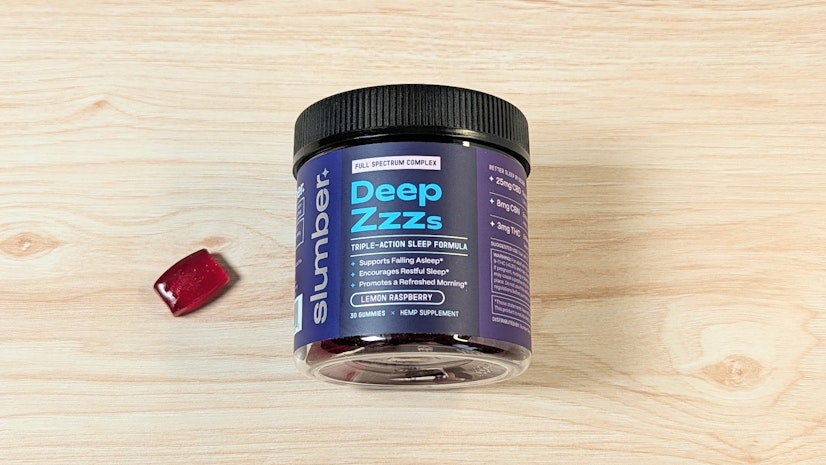
Photo by Innerbody Research
Pros
- Promoted better sleep in a sleep study of 500+ participants
- Third-party tested; CoAs can be searched by batch number
- Vegan; made using pectin
- Potentially better sleep outcomes from the entourage effect (CBN, CBD, and THC combination)
- Lower dose of THC than competitors makes the product more accessible
- Lemon Raspberry flavor is pleasant and masks most of the bitterness
- Rewards program lets you generate discounts on one-time purchases
- Subscriptions offer a 25% discount and net you free shipping
Cons
- Unable to be shipped to Idaho, West Virginia, Oregon, or Rhode Island
- The most expensive of our top picks as a one-time purchase
- THC content, though small (3mg), may limit who can use these gummies
- Gummies have a fairly strong “skunk-like” smell
- Guarantee policy is a bit convoluted
Slumber’s marquee and best-selling product is its Deep Zzzs gummies. They’re made with full-spectrum hemp extract, meaning that they contain all of the naturally occurring components of the cannabis plant, including THC.35
Some experts believe full-spectrum extracts benefit from the “entourage effect.”36 Basically, the idea is that using the whole cannabis plant (and all of its components) brings about more benefits than just using an isolated part. More research is needed, but as noted in a 2023 review, advocates suggest it could be why “many patients experience an overall better effect from full-spectrum products.”37
In this guide, only Slumber and Koi use full-spectrum extracts. Green Roads is broad-spectrum (similar, but not nearly as much THC),35 and Charlotte’s Web uses a CBN isolate (just pure CBN).
Another of Slumber’s commendable qualities is that it was investigated in a sleep study involving more than 500 participants, with positive outcomes. The participants took Deep Zzzs for 21 days and then logged their sleep quality and satisfaction. Over 70% of participants reported feeling more refreshed in the morning, 82% agreed the product helped them sleep, and 80% said it was easier to fall back asleep when they did wake up. Although this study wasn’t published in a peer-reviewed journal, it gives us quantitative data on Slumber’s efficacy.
The results of our testing experience mirrored the study, too. Our tester with insomnia found that Slumber Deep Zzzs did help them fall asleep faster and wake up less frequently during the night.
Insider Tip: Due to state laws, Slumber is unable to ship Deep Zzzs to Idaho, West Virginia, Oregon, or Rhode Island.
Taste-wise, Deep Zzzs have a pleasant lemon-raspberry flavor that covers up a good share of the hemp taste, but they also have a fairly strong “skunky” odor that takes some getting used to.
Pricing and satisfaction guarantee
Slumber Deep Zzzs are, unfortunately, the most expensive of our top picks if you choose to buy them as a one-time purchase. Subscriptions, however, take off a chunk of the base cost, bringing Deep Zzzs down to a price point comparable to that of our other recommendations. Here’s how the pricing looks:
- One-time purchase: $60 ($2.00 per serving)
- Subscription (25% off): $45 ($1.50 per serving)
Subscriptions ship free as well (non-subscribers need to cross a $75 threshold to unlock free shipping).
As for returns, Slumber offers a 30-day satisfaction guarantee, but it applies only to your first purchase of a product, and you must try the product for at least two weeks before initiating a refund. The guarantee policy also notes that “after consultation from our CBN Experts, it may also be recommended to increase the dosage by 5-10 mg.” The policy comes off as convoluted, and on this front we much prefer Koi and Charlotte’s Web, which have no such stipulations in their guarantees.
Koi Complete Nighttime Rest
Best budget CBN gummy
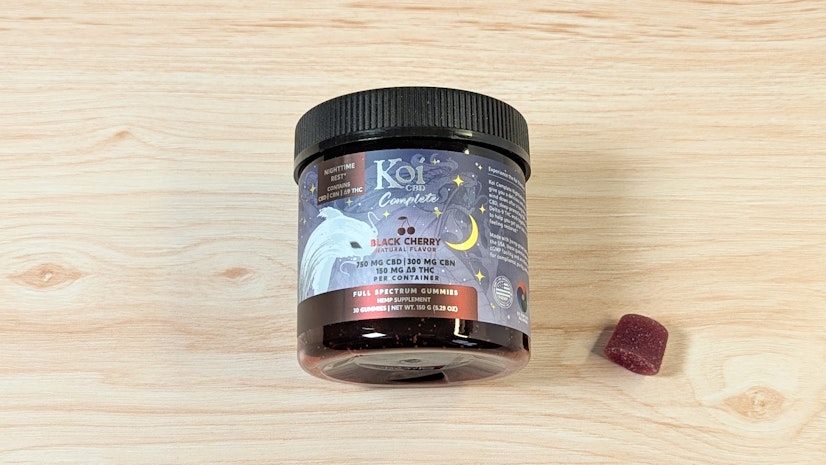
Photo by Innerbody Research
Pros
- Third-party testing CoA linked on the product page
- Vegan
- THC, CBD, and CBN combo may provide an entourage effect
- Can be purchased using Sezzle (pay in four interest-free installments)
- Now includes a subscription option
- Lowest overall price per serving of our picks
- Rewards program yields discounts
- Koi Cares program gives 25% off to military, first responders, medical professionals, law enforcement, government workers, and people in need
- 90-day money-back guarantee, plus 50% guarantee beyond 90 days
Cons
- Unavailable for shipping to California or Oregon
- THC content (5mg) may be unsuitable for some
- Pricing for the 120ct bottle doesn’t make sense
Like Slumber Deep Zzzs, Koi Complete Nighttime Rest is a full-spectrum product: it contains CBN, CBD, and THC.35 This means it may also provide the entourage effect we’ve discussed. Because the entourage effect may enhance the effects of a full-spectrum hemp product, Complete Nighttime Rest could be well-suited for people who have particular difficulty falling asleep.36 37
Insider Tip: Koi Complete Nighttime Rest gummies can’t be shipped to California or Oregon.
They used to be available in Orange Cream and Black Cherry flavors, but now the product page shows only the latter. At any rate, our testing team has found the Black Cherry to be tasty enough; it’s a bit tart and blends well with the earthy hemp.
One of our testers did have a mildly negative reaction, however: an apparent interaction with one of their medications, causing a drop in blood pressure. (This is why it’s very important to speak with a doctor before starting a new supplement.) It’s worth mentioning that none of our other testers had a bad reaction, and Koi Complete Nighttime Rest should be generally safe for most healthy, nonpregnant, non-breastfeeding adults.
Pricing and guarantee
Koi Complete Nighttime Rest comes in three unit sizes and price points. In that regard, it’s on the same level as Charlotte’s Web Stay Asleep. Koi, though, is more cost-effective than Charlotte’s Web, especially with the addition of a subscription program.
| One-time, base | One-time, per-serving | Subscription, base | Subscription, per-serving | |
|---|---|---|---|---|
| Koi (30ct) | $39.99 | $1.33 | $31.99 | $1.07 |
| Koi (60ct) | $69.99 | $1.17 | $55.99 | $0.93 |
| Koi (120ct) | $159.96 | $1.33 | $127.97 | $1.07 |
| Charlotte’s Web (30ct) | $34.99 | $2.33 | $22.74 | $1.52 |
| Charlotte’s Web (60ct) | $49.99 | $1.67 | $32.49 | $1.08 |
| Charlotte’s Web (90ct) | $59.99 | $1.33 | $38.99 | $0.86 |
Even when you consider that the 120ct unit size doesn’t net you any cost advantage over the 30ct option, Koi still costs less per serving than Charlotte’s Web at almost every level.
The cost is even lower (by 25%) if you are:
- A healthcare worker
- A member of the military (active duty or veteran)
- A first responder
- A government worker (federal or local)
- On government assistance (e.g., disabled, low-income, unemployed)
Koi’s money-back guarantee is also the best in this guide. You have 90 days from the date of purchase to return your product for a full refund, and from 91 to 149 days for a 50% refund. And no longer must your product be at least 50% full to be eligible for a return.
Charlotte’s Web Stay Asleep Gummy
Best CBN isolate gummy
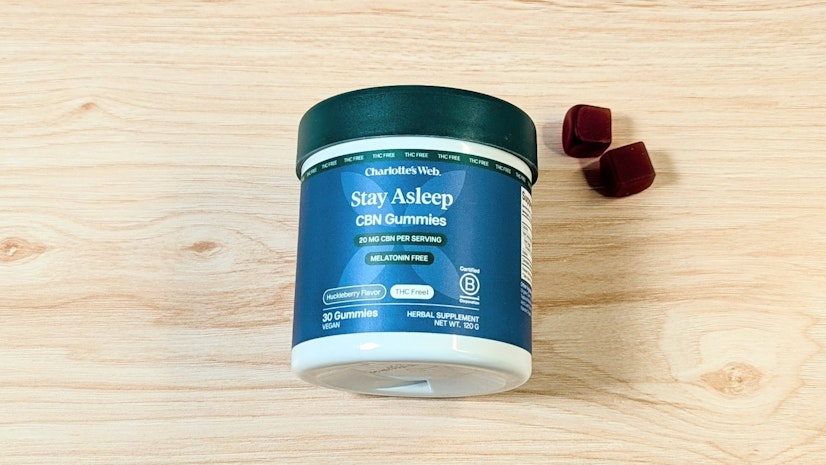
Photo by Innerbody Research
Pros
- Certified B Corp
- Third-party tested; CoA for each batch readily available
- Vegan, non-GMO, gluten-free, and kosher
- Relatively inexpensive up-front cost
- Subscribe to save 35% off each order
- Discounts for first responders, teachers, students, nurses, active military, and veterans
Cons
- Isolates don’t provide the entourage effect
- Each serving is two gummies (e.g., 30ct bottle is only 15 servings)
- Somewhat bitter-tasting
Charlotte’s Web stands apart from our other recommendations in a couple of key ways. First, the company is a Certified B Corporation, meaning that it’s committed to a higher level of social and environmental performance than you’d typically see from a for-profit business. And second, its Stay Asleep Gummy is a CBN isolate. That is, CBD is its only key active ingredient, and is therefore a great choice for anyone who would like or needs to avoid THC.
Charlotte’s Web has a third point of distinction that’s less than ideal, at least in the context of this guide: whereas our other recommendations are one gummy per serving, Stay Asleep’s serving size is two gummies. That means every bottle’s useful life is effectively cut in half (i.e., 30 gummies equals 15 servings; 60 gummies, 30 servings). You could take just one gummy per serving, but that may not be enough to promote the sleep you need, especially since CBN isolates don’t provide the entourage effect, and research supports a full serving size (20mg of CBN) for sleep effects.5
Charlotte’s Web is also the least jaw-friendly of our picks, as they’re quite chewy. And though they taste decent, they’re a bit on the bitter side.
Pricing and guarantee details
Like Koi, Charlotte’s Web comes in three unit sizes and price points. Its subscription discount, however, is much more generous:
| One-time purchase | Subscription (35% off) | |
|---|---|---|
| 30ct (15 servings) | $34.99 ($2.33 per serving) | $22.74 ($1.52 per serving) |
| 60ct (30 servings) | $49.99 ($1.67 per serving) | $32.49 ($1.08 per serving) |
| 90ct (45 servings) | $59.99 ($1.33 per serving) | $38.99 ($0.86 per serving) |
Also like Koi, Charlotte’s Web offers additional discounts to certain user populations, namely:
- First responders
- Teachers
- Students
- Nurses
- Active military
- Veterans
Its guarantee policy is runner-up to Koi’s, too. Although it has just a standard 30-day return window, it’s more straightforward than what you get with Slumber or Green Roads — no conditions about minimum use time or exclusions on opened items.
Green Roads Sleepy Zs
Best CBN gummy with added melatonin
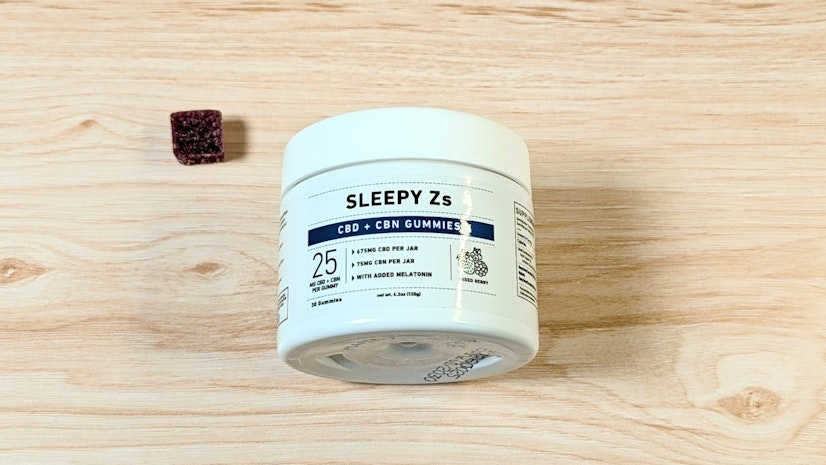
Photo by Innerbody Research
Pros
- Vegan and gluten-free
- Third-party tested; lab results are searchable by batch number
- Melatonin content may promote better sleep quality
- Also available in a 10ct pack (nice for travel or sampling the product)
- Our testers’ favorite in terms of flavor (blackberry)
- Subscribe and save 20% off your order
- Discounts for military, first responders, and teachers
Cons
- CBN dose is the lowest of our picks (2.5mg)
- 5mg melatonin dose may be high for some
- Melatonin increases the side effect profile
- Guarantee only applies to unopened products
Unlike our other top picks, the CBN in Green Roads Sleepy Zs plays more of a supporting role to the main players: melatonin and CBD. It also uses broad-spectrum extracts, which are similar to full-spectrum but with much less (close to zero) THC.35 The entourage effect is still possible, but it won’t be as strong.
Indeed, the THC content is low enough that it isn’t mentioned on the Sleepy Zs product label. But there’s still the risk that it could show up on a drug test, so it isn’t suitable for anyone who needs to avoid THC altogether.
According to our tester with insomnia, Green Roads Sleepy Zs gave them the second-best sleep outcomes among all our recommendations (only Slumber Deep Zzzs were superior). That being said, Green Roads occasionally caused next-day “hangover” symptoms, a common side effect of melatonin. The presence of melatonin could be a cardiovascular risk factor, as well, after long-term use.53
Taste-wise, Sleepy Zs were our testers’ favorite. The fruity blackberry flavor does an excellent job of masking the hemp.
Pricing information and guarantee details
Green Roads currently comes in two size options: 30ct and 10ct. The 10ct unit is more like a sample pack, but it could also be a good option for travel. Here’s how the pricing works out:
| One-time purchase | Subscription (20% off) | |
|---|---|---|
| 10-count | $19.99 ($2.00 per serving) | N/A |
| 30-count | $49.99 ($1.67 per serving) | $39.99 ($1.33 per serving) |
In terms of the company’s “guarantee,” it doesn’t feel like much of one. The 30-day policy covers only “new and unopened products,” so you can’t even try the product first.
Alternatives to CBN gummies for sleep
The supplements market has no scarcity of sleep products. Some are better than others, so in this section, let’s look at the ones that are likely to yield the best outcomes.
CBD products
CBD (an active ingredient in most of our favorite CBN gummies) is another popular nonpsychoactive cannabinoid that has demonstrated the ability to help people with insomnia fall asleep and stay asleep.38 39 These effects may be partially due to its seemingly positive effects on pain and anxiety.40 41
If you’re interested in learning more about CBD for these concerns, you can read our guides to the best CBD for sleep or the best CBD for anxiety.
Ashwagandha supplements
If cannabis products don’t sound like the solution for your needs, a botanical like ashwagandha may be a good alternative. This plant is best known for its ability to relieve anxiety,42 which in turn may help you get better sleep and improve cognitive function.43 44 and more. Ashwagandha owes these potential benefits to its withanolide content.45
Ashwagandha is widely available as a standalone supplement but is also featured in robust complexes, such as our Innerbody Labs Sleep Support.
For more information on ashwagandha and our top supplement recommendations, check out our full guide on the topic.
Amanita muscaria gummies
Amanita muscaria mushroom gummies, like cannabis, may be able to help with a wide range of concerns. In particular, one of the substances found in Amanita muscaria, muscimol, has shown potential as an anxiolytic agent, a sleep aid,46 an anti-inflammatory,47 and a way to lessen neuropathic pain.48 Studies have mainly been in animals, so more human research is needed, but the current research is promising.
To learn more about Amanita muscaria gummies (and the mushroom itself), check out our full guide to the best options on the market.
Frequently asked questions about CBN
Sources
Innerbody uses only high-quality sources, including peer-reviewed studies, to support the facts within our articles. Read our editorial process to learn more about how we fact-check and keep our content accurate, reliable, and trustworthy.
U.S. Centers for Disease Control and Prevention. (2024). Chronic disease indicators: Sleep. CDC.
Cleveland Clinic. (2023). Insomnia. Cleveland Clinic.
Cleveland Clinic. (2022). Sleep Deprivation. Cleveland Clinic.
Arnold, J. C., et al. (2024). A sleepy cannabis constituent: Cannabinol and its active metabolite influence sleep architecture in rats. Neuropsychopharmacology, 50, 586-595.
Bonn-Miller, M. O., et al. (2024). A double-blind, randomized, placebo-controlled study of the safety and effects of CBN with and without CBD on sleep quality. Experimental and Clinical Psychopharmacology, 32(3), 277-284.
Kolobaric, A., et al. (2023) A randomized, double-blind, placebo-controlled decentralized trial to assess sleep, health outcomes, and overall well-being in healthy adults reporting disturbed sleep, taking a melatonin-free supplement. Nutrients, 15(17), 3788.
Khouchlaa, A., et al. (2024). Health benefits, pharmacological properties, and metabolism of cannabinol: A comprehensive review. Industrial Crops and Products, 213, 118359.
Zhang, Q., et al. (2024). The progress of small molecules against cannabinoid 2 receptor (CB2R). Bioorganic Chemistry, 144, 107075.
Maioli, C., Mattoteia, D., M Amin, H. I., Minassi, A., & Caprioglio, D. (2022). Cannabinol: history, syntheses, and biological profile of the greatest “minor” cannabinoid. Plants, 11(21), 2896.
Senate and House of Representatives of the United States of America. (2018). Agriculture Improvement Act of 2018. Library of Congress.
Wong, H., & Cairns, B. E. (2019). Cannabidiol, cannabinol and their combinations act as peripheral analgesics in a rat model of myofascial pain. Archives of Oral Biology, 104, 33-39.
Centers for Disease Control and Prevention. (2023). Chronic pain among adults — United States, 2019-2021. CDC.
Sharma, P., & Jo, A. (2024). Systemic inflammation among adults with diagnosed and undiagnosed cardiometabolic conditions: A potential missed opportunity for cardiovascular disease prevention. Frontiers in Medicine, 10, 1327205.
Gottschling, S., et al. (2020). Safety considerations in cannabinoid-based medicine. International Journal of General Medicine, 13, 1317.
Mangot, A. G. (2013). Bad trip due to anticholinergic effect of cannabis. General Hospital Psychiatry, 35(6), 682.e5-682.e6.
Liang, Z., et al. (2024). Fragment-based drug discovery and biological evaluation of novel cannabinol-based inhibitors of oxytosis/ferroptosis for neurological disorders. Redox Biology, 72, 103138.
Corroon, J. (2021). Cannabinol and sleep: Separating fact from fiction. Cannabis and Cannabinoid Research, 6(5), 366-371.
Perez-Reyes, M., et al. (1973). A comparison of the pharmacological activity in man of intravenously administered delta9-tetrahydrocannabinol, cannabinol, and cannabidiol. Experientia, 29(11), 1368-1369.
Lavender, I., et al. (2023). Cannabinol (CBN; 30 and 300 mg) effects on sleep and next-day function in insomnia disorder (‘CUPID’ study): Protocol for a randomised, double-blind, placebo-controlled, cross-over, three-arm, proof-of-concept trial. BMJ Open, 13(8), e071148.
Grinspoon, P. (2021). The endocannabinoid system: Essential and mysterious. Harvard Health Publishing.
Atakan, Z. (2012). Cannabis, a complex plant: Different compounds and different effects on individuals. Therapeutic Advances in Psychopharmacology.
Zou, S., & Kumar, U. (2018). Cannabinoid receptors and the endocannabinoid system: Signaling and function in the central nervous system. International Journal of Molecular Sciences, 19(3), 833.
Bie, B., et al. (2018). An overview of the cannabinoid type 2 (CB2) receptor system and its therapeutic potential. Current Opinion in Anaesthesiology, 31(4), 407-414.
Patil, A. S., et al. (2020). Plant-derived natural therapeutics targeting cannabinoid receptors in metabolic syndrome and its complications: A review. Biomedicine & Pharmacotherapy, 132, 110889.
Aloway, A., et al. (2017). Cannabinoid regulation of intraocular pressure: Human and animal studies, cellular and molecular targets. Handbook of Cannabis and Related Pathologies, 748-759.
Raup-Konsavage, W. M., & Vrana, K. E. (2023). Medical use of cannabidiol and impact on cancer cell viability. Medicinal Usage of Cannabis and Cannabinoids, 335-347.
Johns Hopkins. (n.d.) Sleepless nights? Try stress relief techniques. Johns Hopkins Medicine.
Sofia, R. D., Vassar, H. B., & Knobloch, L. C. (1975). Comparative analgesic activity of various naturally occurring cannabinoids in mice and rats. Psychopharmacologia, 40(4), 285-295.
Elsohly, M. A., et al. (1981). Cannabinoids in glaucoma: A primary screening procedure. Journal of Clinical Pharmacology, 21(S1), 472S-478S.
Somvanshi, R. K., et al. (2022). Cannabinol modulates neuroprotection and intraocular pressure: A potential multi-target therapeutic intervention for glaucoma. Biochimica et Biophysica Acta (BBA) - Molecular Basis of Disease, 1868(3), 166325.
Glaucoma Research Foundation. (n.d.) Why retinal ganglion cells are important in glaucoma. Glaucoma Research Foundation.
Weydt, P., et al. (2005). Cannabinol delays symptom onset in SOD1 (G93A) transgenic mice without affecting survival. Amyotrophic Lateral Sclerosis and Other Motor Neuron Disorders, 6(3), 182-184.
National Library of Medicine. (n.d.). SOD1 gene. MedlinePlus.
Appendino, G., et al. (2008). Antibacterial cannabinoids from Cannabis sativa: A structure-activity study. Journal of Natural Products, 71(8), 1427-1430.
Cather, J. C., & Cather, J. C. (2020). Cannabidiol primer for healthcare professionals. Proceedings, 33(3), 376-379.
Ferber, S. G., et al. (2020). The “entourage effect”: Terpenes coupled with cannabinoids for the treatment of mood disorders and anxiety disorders. Current Neuropharmacology, 18(2), 87-96.
Christensen, C., et al. (2023). Decoding the postulated entourage effect of medicinal cannabis: What it is and what it isn’t. Biomedicines, 11(8), 2323.
Martínez, V., et al. (2020). Cannabidiol and other non-psychoactive cannabinoids for prevention and treatment of gastrointestinal disorders: Useful nutraceuticals? International Journal of Molecular Sciences, 21(9), 3067.
Narayan, A. J., et al. (2024). Cannabidiol for moderate–severe insomnia: A randomized controlled pilot trial of 150 mg of nightly dosing. Journal of Clinical Sleep Medicine, 20(5).
Vučković, S., et al. (2018). Cannabinoids and pain: New insights from old molecules. Frontiers in Pharmacology, 9, 1259.
García-Gutiérrez, M. S., et al. (2020). Cannabidiol: A potential new alternative for the treatment of anxiety, depression, and psychotic disorders. Biomolecules, 10(11), 1575.
Lopresti, A. L., et al. (2019). An investigation into the stress-relieving and pharmacological actions of an ashwagandha (Withania somnifera) extract: A randomized, double-blind, placebo-controlled study. Medicine, 98(37), e17186.
Deshpande, A., et al. (2020). A randomized, double blind, placebo controlled study to evaluate the effects of ashwagandha (Withania somnifera) extract on sleep quality in healthy adults. Sleep Medicine, 72, 28-36.
Ng, Q. X., et al. (2020). A systematic review of the clinical use of Withania somnifera (Ashwagandha) to ameliorate cognitive dysfunction. Phytotherapy Research, 34(3), 583-590.
White, P. T., Subramanian, C., Motiwala, H. F., & Cohen, M. S. (2016). Natural withanolides in the treatment of chronic diseases. Anti-Inflammatory Nutraceuticals and Chronic Diseases, 928, 329.
Karim, M. R. (2021). A method to quantify drosophila behavioral activities induced by GABAA agonist muscimol. Bio-Protocol, 11(8), e3982.
Li, Y. H., et al. (2022). The protective effect of muscimol against systemic inflammatory response in endotoxemic mice is independent of GABAergic and cholinergic receptors. Canadian Journal of Physiology and Pharmacology, 100(7), 665-678.
Hosseini, M., et al. (2014). The effect of intrathecal administration of muscimol on modulation of neuropathic pain symptoms resulting from spinal cord injury; An experimental study. Emergency, 2(4), 151-157.
Cleveland Clinic. (2023). Myofascial Pain Syndrome. Cleveland Clinic.
Centers for Disease Control and Prevention. (2019). Vital Signs: Epidemiology and Recent Trends in Methicillin-Resistant and in Methicillin-Susceptible Staphylococcus aureus Bloodstream Infections — United States. CDC.
National Sleep Foundation. (2025). National Sleep Foundation’s Sleep in America® poll. National Sleep Foundation.
Schrire, Z. M., et al. (2022). Safety of higher doses of melatonin in adults: A systematic review and meta-analysis. Journal of Pineal Research, 72(2), e12782.
Nnadi, E., et al. (2025). Abstract 4371606: Effect of long-term melatonin supplementation on incidence of heart failure in patients with insomnia. Circulation, 152(Supplement 3).
Da Silva, G. H. S., et al. (2025). Effectiveness of cannabinoids on subjective sleep quality in people with and without insomnia or poor sleep: A systematic review and meta-analysis of randomised studies. Sleep Medicine Reviews, 84, 102156.

Copyright © Innerbody Research 1997 - 2025. All Rights Reserved.