The Best Astaxanthin Supplement
Astaxanthin may support skin health, visual performance, cognition, and healthy aging — but not every supplement is created equal. We compare the best options available today.

Photo by Innerbody Research
If you’ve seen skincare influencers mention “nature’s internal sunscreen,” they’re likely talking about astaxanthin — a carotenoid that gives salmon and shrimp their color. It makes sense: steady astaxanthin use has been linked to small but noticeable improvements in skin moisture, elasticity, and UV resilience over time.1
While astaxanthin isn’t truly “edible sunscreen” — and does not replace actual sunscreen or SPF — it’s one of the few antioxidant supplements supported by repeated human studies showing visible skin improvements.
But the story doesn’t end with skin. Modern life is hard on our eyes, and clinical trials suggest astaxanthin can help ease screen-related eye fatigue.2 Research also points to modest gains in recovery and aerobic efficiency, with some studies suggesting better sleep quality over time.3 4
With this expanding body of evidence, it's no surprise that astaxanthin appears in hundreds of supplements — some excellent, others not so much. In this guide, we explain what to look for and highlight the best options for supporting skin health, visual performance, antioxidant support, and more.
If you’re pressed for time, here’s a quick look at our findings:
Summary of recommendations
- Best overall: Astaxanthin+ by Innerbody Labs
- Best budget choice: Double Wood Astaxanthin Supplement
- Best for skin, eye, and brain benefits: Astaxanthin+ by Innerbody Labs
- Best low dose (adequate for some skin benefits): Doctor’s Best Astaxanthin
- Best with omega-3s: 1MD Nutrition KrillMD
- Best for those outside the U.S.: Doctor’s Best Astaxanthin

Astaxanthin+ combines astaxanthin with two other extensively studied carotenoid antioxidants, all at doses used in multiple human clinical trials.
This product delivers 12mg of astaxanthin alongside 10mg lutein and 2mg zeaxanthin — amounts shown to be beneficial in human studies examining skin health, visual performance, and cognition. The astaxanthin comes from AstaPure, a branded ingredient produced using a sustainable, solvent-free CO₂ extraction process that research indicates is superior to others. Subscription brings big discounts, and every batch undergoes third-party testing with results published online, so you can review them yourself.
Jump to:
Why you should trust us
Over the past two decades, Innerbody Research has helped tens of millions of readers make informed decisions about their health and wellness.
Our team thoroughly evaluates every product and service we review — including the astaxanthin supplements in this guide. We’ve spent more than 400 hours examining astaxanthin and related carotenoids, analyzing dozens of clinical studies on their effects on skin health, eye comfort, recovery, sleep, and cognition.
Alongside this research, we investigated the top astaxanthin supplements on the market, comparing their quality, formulations, and effectiveness against available scientific evidence. We also purchased and tested the most promising products ourselves. As our understanding of astaxanthin, lutein, and zeaxanthin evolved, Innerbody Labs developed Astaxanthin+, a formula combining clinically relevant doses of all three carotenoids to support eye health, skin health, and antioxidant defense. We’ll discuss how it compares to other leading options later in this guide.
As with all health-related content on our site, this review has been vetted for accuracy by members of our Medical Review Board, including Dr. Matt Segar, MD, a board-certified cardiologist at the Texas Heart Institute, and will be updated as new research and products emerge.
How we evaluated the best astaxanthin supplements
Identifying the market’s best astaxanthin supplements meant evaluating each brand across the same factors most people consider before adding a supplement to their routine:
- Effectiveness
- Safety
- Cost
- Convenience
These four pillars guided our process.
In the sections ahead, we explain how each of our top astaxanthin picks performed in these areas — and where certain brands stood out. All of our selections met a high standard overall; when we highlight an “advantage,” it doesn’t mean others fell significantly short, only that a product demonstrated a distinct strength in that category.
Effectiveness
Advantage: Astaxanthin+ by Innerbody Labs
To evaluate effectiveness, we looked at how closely each product aligned with the doses, formulations, and ingredients that have produced measurable results in human clinical research.
Across dozens of studies, daily astaxanthin doses between 4mg and 12mg have been linked to improvements in skin hydration, elasticity, and UV resilience, as well as benefits for eye comfort, exercise recovery, and cognitive performance.1 2 3 5 6 Lower doses (4–6mg per day) often support skin and eye outcomes, but research suggests 12mg daily may unlock even broader effects.1 7 13 At 12mg, trials show improved endurance performance — including faster cycling time trials — and reduced muscle-soreness markers.3 8 Other studies point to enhanced cognitive function and sleep quality, benefits that tend to appear near the upper end of the dosing range.4 9 Taken together, these findings helped establish 12mg per day as the most compelling astaxanthin dose in the scientific literature.
However, a well-designed astaxanthin supplement can offer more than astaxanthin alone. As research on carotenoids has expanded, scientists have increasingly focused on lutein and zeaxanthin — two antioxidant compounds with their own substantial body of human research.46 47 51
That broader carotenoid approach is what ultimately gave Innerbody Labs Astaxanthin+ the advantage. In addition to providing 12mg of astaxanthin, it also includes 10mg of lutein and 2mg of zeaxanthin, amounts commonly used in human studies examining:48 49 50 52 55
- Eye strain and visual comfort
- Attention and sleep quality in heavy screen users
- Skin health, cognitive function, and protection against oxidative stress
And while choosing the right ingredients is important, delivering them effectively matters, too. Like astaxanthin, lutein and zeaxanthin are fat-soluble compounds, meaning absorption is improved when they are delivered alongside dietary fat.16 “The medication format really matters,” says Dr. Matt Segar, MD, a member of our Medical Review Board, explaining that “fat-soluble means absorption improves with dietary fat.” That's why Astaxanthin+ uses a softgel containing MCT oil to support absorption of all three carotenoids. The astaxanthin is also sourced from AstaPure, which is produced using a solvent-free supercritical CO₂ extraction process designed to preserve the integrity of the carotenoid. Research indicates that this extraction method translates to superior effectiveness.64 65
For those reasons, Astaxanthin+ earned our effectiveness advantage. Rather than focusing exclusively on astaxanthin dosage, it combines three well-studied carotenoids at evidence-based levels to support eye health, skin health, cognitive performance, and antioxidant defense.
Safety
Advantage: Astaxanthin+ by Innerbody Labs
Astaxanthin is generally well-tolerated in healthy adults, with clinical studies showing no serious side effects at doses up to 24mg per day for extended periods.11 Most supplements provide between 4mg and 12mg daily — well within the range confirmed safe in human trials and safety reviews.
That said, supplement safety also depends on how a product is made. The FDA does not regulate dietary supplements as strictly as prescription medications; its role is largely limited to ensuring accurate labeling and responding to reports of adverse effects. Because of that, manufacturers bear the responsibility for verifying that their products are both safe and high-quality.
The best supplement companies demonstrate that commitment through independent third-party testing, Good Manufacturing Practice (GMP) compliance, and clear allergen disclosure. Those were the key factors we considered when evaluating safety across our top astaxanthin picks.
| Third-party tested? | GMP-compliant? | Free from common allergens? | |
|---|---|---|---|
| Innerbody Labs Astaxanthin+ | |||
| Double Wood Astaxanthin | |||
| 1MD Nutrition KrillMD | No — contains shellfish | ||
| Doctor’s Best Astaxanthin (6mg) | |||
| Life Extension MacuGuard |
All of our top picks are manufactured in GMP-compliant facilities and undergo testing to confirm purity and potency. Both Double Wood Astaxanthin and Innerbody Labs Astaxanthin+ stand out for their transparency, offering publicly available testing results directly on their product pages.
We ultimately gave Astaxanthin+ a narrow advantage because of the breadth of its quality-control program. In addition to third-party testing for identity, purity, and potency, Astaxanthin+ is screened for a broad range of contaminants, including pesticides, with results available for consumers to review. While all of our top picks performed well from a safety perspective, that additional level of testing transparency helped Astaxanthin+ earn the edge.
Cost
Advantage: Double Wood Astaxanthin Supplement
Double Wood Astaxanthin earns our cost advantage because it delivers one of the lowest costs per serving among the products we evaluated while still providing a clinically relevant 12mg dose. While Doctor's Best has a lower one-time cost per serving, each serving provides only 6mg of astaxanthin — half the amount found in Double Wood. For readers seeking a higher-dose formula aligned with the upper end of the clinical research range, Double Wood delivers stronger overall value. (For buyers outside the United States, however, Doctor's Best is likely to be your most economical choice of all if purchased through iHerb. We explain in the Doctor's Best section.)
Double Wood becomes even more competitive for long-term users. The company allows customers to combine subscription discounts with multi-bottle bundle pricing, reducing the effective cost per serving even further. When stacked together, these discounts can lower the per-serving cost to approximately $0.30.
Innerbody Labs and 1MD Nutrition also offer substantial subscription savings. Customers can save up to 25% on Astaxanthin+ subscriptions and up to 40% on KrillMD subscriptions, helping reduce the cost of long-term supplementation.
Convenience
Advantage: Double Wood Astaxanthin Supplement
When evaluating convenience, we considered factors such as subscription flexibility, shipping options, and return policies. Most astaxanthin supplements are easy to take, typically requiring just one softgel daily, so the biggest differences often come down to the customer experience.
Double Wood offers flexible subscription options, allowing customers to schedule deliveries every 30, 60, 90, or 180 days. It also provides bulk-purchase options and a 30-day money-back guarantee, making it easy to maintain a long-term supplementation routine.
Several competitors performed well in this category. Life Extension offers an exceptional one-year return policy, while Astaxanthin+ provides multiple subscription options. Ultimately, Double Wood's combination of flexible reordering and customer-friendly policies earned it the advantage.
How our top astaxanthin supplement picks compare
The chart below offers a quick reference of how our top picks stack up in key areas like dosage, testing, and refund policies.
What is astaxanthin?
Astaxanthin (pronounced as-tuh-ZAN-thin) is a deep red-orange pigment in the carotenoid family — the same group that gives carrots their orange hue and tomatoes their red tone. Within that family, it’s part of a subgroup called xanthophylls, which contain oxygen atoms that allow them to embed within cell membranes and neutralize reactive oxygen species (ROS) more effectively than many other carotenoids.15
In nature, astaxanthin is produced by tiny microalgae, such as Haematococcus pluvialis, as a defense mechanism. When these algae experience stress — such as intense sunlight, nutrient scarcity, or high salinity — they begin producing astaxanthin as a shield to protect their cells from oxidative damage.16
Many marine animals feed on these algae, such as:17
- Salmon
- Shrimp
- Krill
- Trout
- Flamingos
These animals absorb and store the pigment in their tissues, which gives them their distinctive pink or reddish coloration.18
What makes astaxanthin compelling is that the same compound algae use to shield their cells from light, heat, and environmental stress may also help human cells withstand similar challenges.
How does astaxanthin work?
After you take an astaxanthin supplement — or eat foods that contain it, like salmon or krill — the compound is absorbed in the small intestine. It then travels through the bloodstream and embeds itself in cell and mitochondrial membranes.16
Unlike most carotenoids, astaxanthin can span the entire lipid bilayer of those membranes — with one end anchored in the outer layer and the other reaching into the inner layer. This orientation allows it to interact with ROS on both sides, helping stabilize and protect the cell.19 Laboratory studies show that this structural advantage may make astaxanthin 10–100 times more potent than vitamin E or beta-carotene in quenching singlet oxygen, one of the most reactive and damaging forms of oxygen in the body.20 40
Because of this positioning, astaxanthin can influence how cells respond to stress, potentially protecting lipids, proteins, and DNA from oxidation.39 In human studies, its effects appear to stem mainly from two biological roles: reducing oxidative and inflammatory stress and supporting mitochondrial health — the processes that govern cellular energy and resilience.21 41
These mechanisms appear to underlie many of the outcomes observed in clinical research.
Oxidative stress and inflammation
Much of the research on astaxanthin focuses on its antioxidant capacity. In controlled human trials, doses between 6mg and 12mg per day have reduced markers of oxidative stress, such as malondialdehyde (MDA), and increased antioxidant enzyme activity, including superoxide dismutase (SOD) and glutathione peroxidase (GPx).22
A 2022 meta-analysis combining results from 12 clinical studies also found small but significant reductions in C-reactive protein and interleukin-6 — both indicators of systemic inflammation.23 Researchers think this might be due to astaxanthin’s ability to interact with key inflammatory signaling pathways like NF-κB and Nrf2, which help regulate the body’s balance between inflammation and antioxidant defenses.24 25 These effects appear modest but consistent across studies, though it’s not yet clear how much they translate into real-world health outcomes. As Dr. Matt Segar, MD, points out, “changes in biomarkers do not necessarily translate to clinical benefit.”
Skin health and UV exposure
Astaxanthin naturally accumulates in the skin, where it can help absorb UV light and counteract the oxidative stress that leads to visible aging. In human studies lasting 8–12 weeks, daily doses of 4–12mg have been associated with small improvements in elasticity, hydration, and wrinkle depth, as well as reduced skin dryness following UV exposure.1 25
Researchers attribute these changes to reduced collagen breakdown and improved moisture retention in the skin barrier. While the cosmetic benefits are subtle, the data suggest that astaxanthin can enhance the skin’s resilience to environmental stress when taken consistently.
Eye and brain function
Astaxanthin’s ability to cross both the blood–retina and blood–brain barriers has drawn attention to its potential in visual and cognitive health. Several small studies involving people with digital eye strain suggest that 6–12mg daily for about a month may improve focusing ability and reduce eye fatigue compared to placebo, though results vary across trials and endpoints.2 12
In the brain, preclinical studies show that astaxanthin can reduce oxidative stress in neurons and may help preserve mitochondrial function.27 A few human studies suggest possible cognitive benefits — such as improved reaction time and memory scores — but the sample sizes remain small, so researchers emphasize the need for larger, long-term trials before firm conclusions can be drawn.6 9 26
Cardiovascular and metabolic health
Because oxidative stress and inflammation are key contributors to heart and metabolic diseases, researchers have explored whether astaxanthin can make a measurable difference. Two recent meta-analyses help paint this picture. A 2025 review of eight randomized trials found that moderate daily doses (6–20mg) were linked to higher HDL (“good”) cholesterol and lower triglyceride levels; however, no significant changes were observed in LDL or total cholesterol.28 A 2022 meta-analysis focusing on adults with metabolic syndrome risk factors reached similar conclusions, noting modest reductions in LDL cholesterol and systolic blood pressure but overall marginal changes in total cholesterol.29
A broader 2024 review summarizing human and preclinical data suggests that astaxanthin may enhance insulin sensitivity and glucose uptake while supporting lipid metabolism and antioxidant balance, though these findings are based on limited trials and changes in biomarkers.30 These effects are thought to involve activation of Nrf2, a cellular pathway that turns on the body’s own antioxidant defenses, and improved mitochondrial energy metabolism, which may help regulate oxidative stress. While these mechanisms are biologically plausible, there’s currently no evidence that they translate into reduced cardiovascular events or meaningful clinical outcomes.31
Exercise performance and recovery
Since astaxanthin concentrates in mitochondria and muscle tissue, it’s also been studied for its role in physical endurance. Exercise generates free radicals as a byproduct of oxygen metabolism, and antioxidants like astaxanthin may help limit that oxidative stress. In studies lasting 6–8 weeks, participants taking 4–12mg daily sometimes showed improved endurance, higher time-to-exhaustion scores, or smaller increases in creatine kinase — an enzyme that rises with muscle damage.32
Not all trials find performance benefits, but those that do often include participants with lower baseline antioxidant intake or higher training loads.33 For now, researchers interpret the findings as preliminary evidence that astaxanthin may support recovery in situations where oxidative stress is high.38
Sleep and fatigue
Researchers have begun exploring how carotenoid intake might relate to sleep quality. Large population studies show that adults with lower carotenoid consumption tend to report shorter sleep duration, suggesting that antioxidant status may influence healthy sleep patterns.34
A smaller randomized trial tested 12mg of astaxanthin daily for eight weeks and found improvements in several sleep parameters, along with reduced perceived stress compared to placebo.4 The authors proposed that astaxanthin’s antioxidant and neuroprotective activity — including its ability to cross the blood–brain barrier — could help stabilize oxidative stress in brain regions involved in regulating sleep and mood.
Though early, these findings point to a potential role for astaxanthin in supporting restorative sleep, especially in people experiencing fatigue or stress-related sleep disruption.
Astaxanthin dosage
Clinical studies on astaxanthin have tested a wide range of daily doses — typically between 4mg and 12mg, though some trials extend up to 20–40mg for short durations.11 36 38 45 Most human studies showing measurable benefits for oxidative stress, skin health, cognition, and eye comfort fall within the 6–12mg range.1 2 9 23 27
Doses at the higher end of that range appear to have the most consistent effects on markers of oxidative stress, such as MDA and increased SOD activity.22 37 Several studies examining exercise performance, sleep quality, cognition, and digital eye strain have also used 12mg daily.4 7 8 9
There is currently no official recommended daily intake for astaxanthin. However, based on the available research, 12mg appears to offer the broadest range of potential benefits while remaining well within established safety limits.11 For that reason, we generally favored products delivering 12mg per serving when developing our recommendations.
Are astaxanthin supplements safe?
Astaxanthin supplements are generally safe for most healthy adults who aren’t pregnant, breastfeeding, or taking certain medications. A 2019 safety review examined 87 human studies on natural astaxanthin — including 35 using doses of 12mg per day or higher — and found no significant safety concerns or consistent adverse effects.11
Across those trials, approved or studied doses commonly ranged between 2mg and 24mg per day, and higher short-term doses (up to 40mg per day for several weeks) have also shown good tolerability in adults, with no serious events reported. When side effects occur, they’re rare and generally mild — such as slightly red stool, considered harmless effects of the pigment itself.11
However, certain groups may want to exercise caution. While you should always consult your healthcare provider before starting a new supplement, it may be wise to avoid or closely monitor astaxanthin use if you fall into one of the following categories:
People taking blood pressure or cholesterol medications
Astaxanthin may modestly lower blood pressure and LDL cholesterol in some studies.29 42 If you already take antihypertensive or statin drugs, combining them could theoretically amplify these effects. Discuss your regimen with your clinician to ensure your blood pressure and lipid levels remain stable.
People on blood thinners or antiplatelet medications
Because astaxanthin may mildly reduce platelet aggregation in animal studies, it could theoretically enhance the effects of blood thinners such as warfarin or clopidogrel.43 Evidence in humans is limited, but it’s best to check with your doctor if you’re using these medications.
Pregnant or breastfeeding individuals
There isn’t enough human data to confirm astaxanthin’s safety during pregnancy or breastfeeding, so most experts recommend avoiding supplementation during these periods.
Overall, astaxanthin has an excellent safety profile. Sticking to daily doses of 6–12mg keeps you within the range most consistently studied in human trials and supported by the current scientific evidence.
Who are astaxanthin supplements for?
Astaxanthin supplements are best suited for adults interested in supporting skin health, eye comfort, recovery, sleep, or overall cellular resilience. Its benefits stem from its ability to stabilize oxidative stress, reduce inflammation, and protect cell membranes — mechanisms that influence everything from skin moisture and UV tolerance to energy metabolism and muscle recovery.1 2 3 16 21
More specifically, the following groups stand to benefit most from consistent use:
People with high oxidative stress or inflammation
If you experience fatigue, train intensely, or have lifestyle factors that increase oxidative stress (such as a poor diet or exposure to pollution), astaxanthin may help stabilize cellular activity. Clinical trials show that 6–12mg daily can reduce oxidative and inflammatory markers such as MDA and C-reactive protein.22 23
People concerned with skin aging
Astaxanthin accumulates in the skin, where it can help maintain elasticity and hydration while reducing dryness and wrinkle depth after UV exposure. In human studies, daily doses of 4–12mg have been associated with improvements in skin moisture, elasticity, and barrier function over 8–12 weeks, with more mixed results for wrinkle depth.1 25
People with digital eye strain
Athletes or active individuals
Adults seeking metabolic and cardiovascular support
Astaxanthin’s antioxidant and mitochondrial effects may also provide modest benefits to heart and metabolic function. Meta-analyses suggest that 6–20mg daily can slightly raise HDL (“good”) cholesterol and lower triglycerides and systolic blood pressure, though effects remain small overall.28 29 30 31
Who are they not for?
Astaxanthin is one of the most researched antioxidant pigments in nature — but it isn’t a miracle molecule. Its benefits are real yet modest, and they depend on consistency, lifestyle, and expectations. People in the following groups may want to rethink supplementation or temper their expectations before adding astaxanthin to their routine:
People who think astaxanthin can replace sunscreen
Astaxanthin can help your skin recover from UV-related oxidative stress, but it doesn’t block or absorb UV rays like sunscreen does.1 25 Studies show small improvements in moisture and wrinkle depth after 8–12 weeks of use, but it should be viewed as internal support — not a substitute for SPF or shade.
People expecting dramatic beauty results
People looking for an immediate energy boost
People already eating a carotenoid-rich diet
Astaxanthin works best as part of a balanced lifestyle that includes a nutrient-dense diet, good sleep, hydration, and consistent sun protection — not as a replacement for them.
Astaxanthin+ by Innerbody Labs
Best overall

Photo by Innerbody Research
Pros
- Provides the clinically studied 12mg dose of astaxanthin in a single softgel
- Uses AstaPure, a branded natural astaxanthin derived from algae
- Adds lutein and zeaxanthin to support vision, skin appearance, and cognitive performance
- Uses MCT oil to enhance absorption
- Vegetarian-friendly and free from gluten, dairy, and GMOs
- Third-party tested, with COAs available on the product page
- Multiple subscription options, with savings up to 25%
Cons
- More expensive than standalone astaxanthin supplements
- Only available in a 30-serving bottle
- No free shipping on orders under $50
Most astaxanthin supplements focus on a single ingredient. That's not necessarily a bad thing — astaxanthin has earned its reputation as a powerful antioxidant backed by a substantial body of human research.16
But in a careful and exhaustive review of the literature, one thing becomes increasingly clear: astaxanthin isn’t the only carotenoid consistently showing benefits in human studies. Lutein and zeaxanthin repeatedly surface in the scientific literature, often alongside discussions of visual performance, cognition, and antioxidant function.46 47
What that means is that these two other carotenoids have the demonstrated potential to help provide unique benefits in the areas of health and modern life that a broad swathe of people are seeking when they choose an astaxanthin supplement. And that's what ultimately makes Astaxanthin+ from Innerbody Labs the formula that earns our top recommendation. It combines:
- 12mg of AstaPure, a natural astaxanthin extract derived from Haematococcus pluvialis microalgae. The ingredient is produced using supercritical CO₂ extraction, a solvent-free process used to help maintain purity while avoiding residual chemical solvents.
- Marigold flower extract (Tagetes erecta), standardized to provide 10mg of lutein and 2mg of zeaxanthin, two carotenoids that complement astaxanthin and have substantial human research behind them.
However, astaxanthin remains the foundation of the formula. At 12mg per serving, Astaxanthin+ reaches the upper end of the dosing range used across human studies investigating skin health, exercise recovery, visual performance, cognition, and sleep quality.1 2 3 4 7 8 9 In other words, it isn't just a high dose on paper — it closely mirrors the amounts researchers have used to study some of astaxanthin's most promising benefits.
Part of what makes astaxanthin unique is its ability to cross both the blood-retina and blood-brain barriers, allowing it to reach tissues involved in vision and cognition that many antioxidants cannot readily access.2 Researchers have increasingly explored how astaxanthin works alongside lutein and zeaxanthin, which accumulate in different tissues and have been studied for many of the same outcomes.
So what do lutein and zeaxanthin contribute? Let's take a closer look:
Lutein (10mg)
Lutein is a yellow-orange carotenoid found in foods like spinach, kale, corn, and egg yolks. Most people know it as an eye-health nutrient, but researchers are increasingly interested in its role outside the eye. In a six-month clinical trial, participants taking 10mg lutein and 2mg zeaxanthin improved measures of visual learning and visual memory compared to placebo.49
Researchers have also explored lutein's role in skin health. Human studies have linked lutein supplementation to improvements in skin tone and luminance, while another trial found that lutein supplementation improved resistance to UV-induced skin redness.50 53
Zeaxanthin (2mg)
Like lutein, zeaxanthin is an antioxidant belonging to the carotenoid family. It is the natural pigment responsible for giving many yellow and orange fruits, vegetables, and plants their vibrant color. Researchers have increasingly studied zeaxanthin alongside lutein for its antioxidant properties and potential role in supporting cognitive and visual function.52 54
In a recent six-month study of adults with high daily screen exposure, participants taking 10mg lutein and 2mg zeaxanthin demonstrated improvements in several objective measures of eye comfort and visual recovery, including tear production, tear-film stability, and photo-stress recovery.48 While the study focused on eye-related outcomes, it highlights one of the many ways these carotenoids may support modern lifestyles.
As you may have noticed, the 10mg lutein and 2mg zeaxanthin doses found in Astaxanthin+ mirror those used in several human studies.49 50
Importantly, researchers have also studied these carotenoids together. In combination, astaxanthin, lutein, and zeaxanthin have been associated with improvements in visual sharpness, reduced eye fatigue, and enhanced contrast recovery after glare exposure.14
When you add it up, Astaxanthin+ takes a broader approach than most astaxanthin supplements by pairing a well-studied astaxanthin dose with two other extensively researched antioxidants.
Pricing, subscriptions, and shipping
Astaxanthin+ is available as a one-time purchase or through a subscription program. Savings increase as customers commit to longer subscription intervals:
| Price | Cost per bottle | Cost per serving | You save | |
|---|---|---|---|---|
| One-time purchase | $28.00 | $28.00 | $0.93 | N/A |
| Monthly subscription | $23.80 | $23.80 | $0.79 | 15% |
| Every 3 months | $67.20 | $22.40 | $0.75 | 20% |
| Every 6 months | $126.00 | $21.00 | $0.70 | 25% |
For the best value, opt for the three- or six-month subscriptions. They offer the lowest per-bottle costs and reduce the per-serving price to just $0.70 at the six-month level. And because three-month and six-month subscriptions exceed the free-shipping threshold, long-term subscribers receive both the largest discounts and complimentary shipping.
Customers who prefer a smaller upfront commitment can still save 15% through the monthly subscription option, though a $6.99 shipping fee will apply to monthly subscriptions and one-time purchases, which both fall short of the $50 free shipping threshold.
For people outside of the United States, your better option would likely be to choose a good product via iHerb; our current recommendation is Doctor's Best. Innerbody Labs requires international buyers to pay shipping and duties costs, which can really add up.
Refunds and guarantees
Astaxanthin+ is backed by a 30-day money-back guarantee. Customers who aren't satisfied with the product can request a full refund within 30 days of purchase — even if it has been partially used.
The 30-day window is shorter than some competitors offer (Life Extension, for example, provides a full year), but it is generally enough time to identify any sensitivity or digestive issues. Effectiveness can be more difficult to evaluate within that timeframe. Some studies on eye fatigue have reported improvements within two to four weeks, while benefits related to metabolic health may take closer to 12 weeks to emerge.2 44
Double Wood Astaxanthin Supplement
Best budget
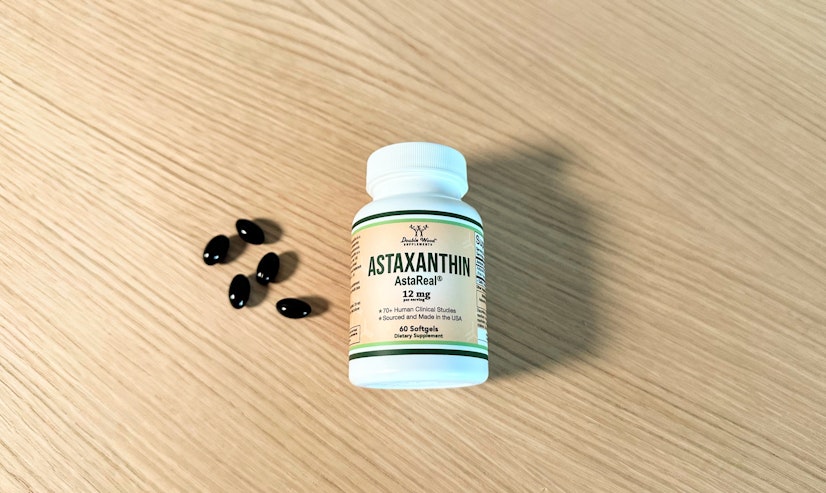
Photo by Innerbody Research
Pros
- Provides the clinically studied 12mg dose of astaxanthin in a single softgel
- Uses AstaReal, a branded form of astaxanthin widely used in human studies
- Suspended in olive oil for improved absorption
- Free from unnecessary fillers, artificial additives, and common allergens
- Subscription and bundle discounts offered
- Transparent third-party testing with COAs available on the product page
- 30-day money-back guarantee on the first bottle
Cons
- Single-ingredient formula lacks complementary carotenoids
- Gelatin softgels (not vegetarian or vegan)
- Shipping fee applies to single-bottle orders under $30
Double Wood earns our budget pick because it delivers a clinically relevant 12mg astaxanthin dose at one of the lowest costs in our lineup. While some formulas pair astaxanthin with complementary carotenoids like lutein and zeaxanthin, Double Wood takes a simpler approach: one ingredient, one softgel, and a price that's difficult to beat.
Founded in 2013 and based in Pennsylvania, Double Wood Supplements has built a reputation around straightforward formulas and transparent quality control. The company manufactures in cGMP-compliant facilities and publishes third-party testing results and certificates of analysis (COAs) directly on its website.
Each serving provides 12mg of AstaReal astaxanthin suspended in olive oil to support absorption.16 The formula contains no unnecessary fillers, artificial additives, or common allergens, making it one of the simplest products in this guide.
The tradeoff is that you're getting astaxanthin alone. Unlike Innerbody Labs Astaxanthin+, Double Wood does not include additional carotenoids such as lutein and zeaxanthin, which have their own body of research related to visual performance, skin support, and cognitive function.46 47 By combining three extensively studied carotenoids instead of one, Astaxanthin+ may support a broader range of benefits. For shoppers focused strictly on maximizing astaxanthin per dollar, however, Double Wood remains one of the strongest values available.
Pricing, subscriptions, and shipping
Double Wood has some of the best discounts out of any of our recommended products in this guide. It offers a 20% subscription discount, plus a multi-bottle bundle discount (9% off for 2 bottles; 13% off for 3). Additionally, these discounts can be stacked together. Here’s how it breaks down below:
| Total cost | Total servings | Per‑bottle cost | Cost per serving | |
|---|---|---|---|---|
| One-time, single bottle | $25.95 | 60 | $25.95 | $0.43 |
| Subscription (20% savings) | $20.76 | 60 | $20.76 | $0.35 |
| 2-pack bundle, one-time (9% savings) | $47.41 | 120 | $23.71 | $0.40 |
| 2-pack bundle + subscription (27% savings) | $37.93 | 120 | $18.97 | $0.32 |
| 3-pack bundle, one-time (13% savings) | $67.37 | 180 | $22.46 | $0.37 |
| 3-pack bundle + subscription (31% savings) | $53.90 | 180 | $17.97 | $0.30 |
If you subscribe to a three-pack, you can save roughly 31% off retail. The only product in this guide offering larger combined savings is 1MD Nutrition.
Since Double Wood allows subscription frequencies of every 30, 60, 90, or 180 days, the bottles line up conveniently for long-term use if you’re taking one softgel daily.
However, note that Double Wood charges a $4.95 shipping fee for purchases under $30, so ordering at least two bottles will qualify you for free shipping.
Refunds and guarantees
Double Wood offers a 30-day money-back guarantee on the first bottle of any supplement, including its astaxanthin. That means if you try a bottle and decide it isn't for you, Double Wood will refund the purchase price.
If you order a multi-pack, the policy still applies: you can keep the first bottle, but you'll need to return any remaining unopened bottles (at your own expense) to receive a refund.
While Life Extension offers a longer one-year guarantee, Double Wood's policy still gives customers an opportunity to evaluate the product before committing to long-term use. That's particularly valuable for a supplement like astaxanthin, where individual responses can vary, and benefits may take several weeks to become noticeable.
1MD Nutrition KrillMD
Best omega-3s with astaxanthin
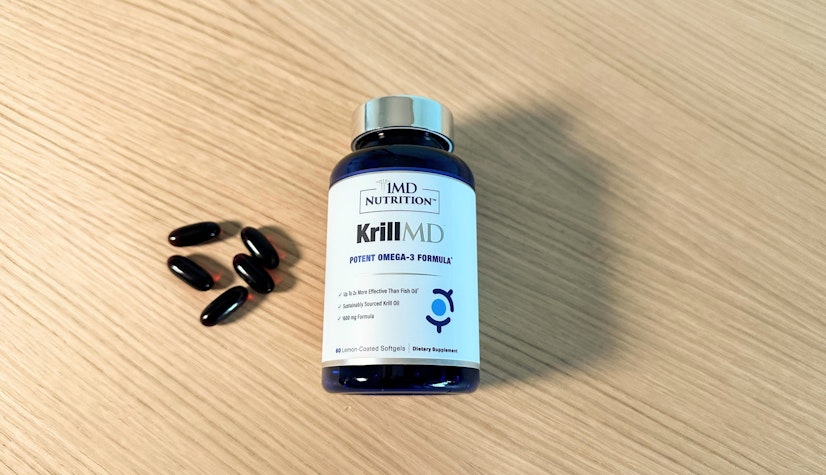
Photo by Innerbody Research
Pros
- Provides 320mg of omega-3s to support heart, brain, and immune health
- Made in the U.S. in a GMP-certified factory
- Unconditional 90-day money-back guarantee
- Subscription discount up to 40% off
- Free shipping with code “SHIP1MD”
- Non-GMO
Cons
- Lowest astaxanthin dose in this guide (2mg)
- A single serving requires two capsules
- Contains shellfish
Founded in California, 1MD Nutrition specializes in physician-formulated supplements made in NSF-certified, cGMP-compliant facilities. Its KrillMD softgels combine Antarctic krill oil with astaxanthin, creating a potent combination of omega-3 support and antioxidant protection.
Each two-softgel serving provides 1,600mg of krill oil, including 320mg of omega-3 fatty acids — 174mg of eicosapentaenoic acid (EPA) and 120mg of docosahexaenoic acid (DHA) — plus 2mg of natural astaxanthin. While that’s the lowest astaxanthin dose in this guide, its delivery in krill oil may make it more efficient.
Unlike fish oil, where omega-3s are bound to triglycerides, krill oil carries its omega-3s on phospholipids — molecules that form the outer layer of human cells. This structure makes it easier for your body to absorb both the omega-3s and the attached astaxanthin, allowing them to reach tissues more effectively. In one clinical crossover study, omega-3s delivered in phospholipid form were incorporated into plasma lipids more readily than those from traditional fish oil.56
Research also suggests that astaxanthin enhances the antioxidant power and stability of omega-3s, protecting them from oxidation and supporting cardiovascular health. In another study, people who took omega-3s combined with astaxanthin showed stronger improvements in oxidative balance and blood vessel function than those taking omega-3s alone.15
Together, these findings indicate that even with just 2mg of astaxanthin, KrillMD’s phospholipid delivery system may make both nutrients more potent and bioavailable than higher doses from less efficient sources. You can learn more about this effect in our guide to krill oil.
Pricing, subscriptions, and shipping
1MD Nutrition provides flexible purchasing options, offering varying discounts based on the quantity and frequency. Customers can choose from one, three, or six bottles, either as a single purchase or a recurring subscription. The details regarding all the available combinations and their respective benefits are outlined in the chart below.
| Cost per bottle | Percent saved | |
|---|---|---|
| One bottle (one-time) | $49.99 | 0% |
| Three bottles (one-time) | $43.00 | 12% |
| Six bottles (one-time) | $37.00 | 24% |
| One bottle (subscription) | $39.20 | 20% |
| Three bottles (subscription) | $34.40 | 30% |
| Six bottles (subscription) | $29.60 | 40% |
At up to 40% off, KrillMD offers the steepest subscription savings in this guide, though it requires an upfront purchase of $177.60 for six bottles.
At the time of writing, the code “SHIP1MD” also offers free shipping on all orders.
Refunds and guarantees
1MD Nutrition supports KrillMD with a 90-day full refund guarantee. Customers can return the product — even if the bottle is opened, partially used, or empty — and receive a refund with no questions asked. The only company in this guide with a longer policy is Life Extension, which offers a full one-year money-back guarantee.
Doctor's Best Astaxanthin (6mg)
Best low dose and best for those outside the U.S.
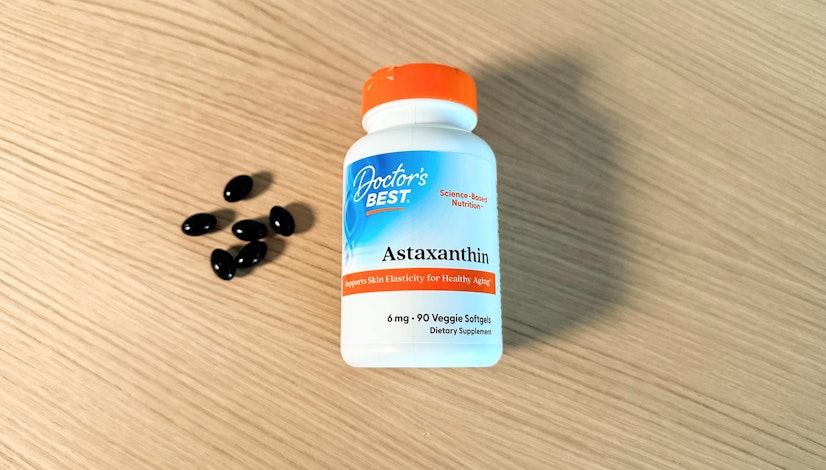
Photo by Innerbody Research
Pros
- Provides a 6mg dose shown in studies to improve skin moisture and elasticity
- Contains AstaReal, a clinically validated astaxanthin extract featured in multiple human studies
- Vegan softgels made without artificial colors or preservatives
- Third-party tested and produced in cGMP-certified U.S. facilities
Cons
- Lower dose may be less effective for systemic antioxidant or metabolic support
- Subscription discount limited to 5%
- Free shipping only on orders of $30 or more
Founded in 1990 and based in Tustin, California, Doctor’s Best offers a wide range of science-backed dietary supplements. While we generally favor 12mg astaxanthin products based on the available research, Doctor’s Best earns our recommendation for readers who specifically prefer a lower 6mg dose.
Why might someone choose 6mg? For starters, a 2021 meta-analysis of eleven clinical studies found that astaxanthin supplementation significantly improved skin moisture and elasticity compared to placebo, but doses above 6mg per day didn’t provide additional wrinkle or hydration benefits beyond what 6mg provided.1 So if your primary goal is supporting skin health, a 6mg product like Doctor’s Best may be all you need.
However, other research suggests that 12mg daily may support a broader range of outcomes, including exercise recovery, sleep quality, cognition, and digital eye strain.4 7 8 9 That's one reason our primary recommendations focus on 12mg products.
That said, the evidence suggests that 6mg remains a reasonable option for many people. This may be particularly appealing to shoppers who prefer a lower-dose formula or simply want to keep supplement costs down.
Pricing, subscriptions, and shipping
A 90-softgel bottle of Doctor’s Best Astaxanthin costs $25.99, or about $0.29 per serving. On a per-serving basis, that's roughly 30% cheaper than Double Wood, our budget pick. However, Double Wood provides twice the astaxanthin per dose (12mg versus 6mg).
Orders under $30 do not qualify for free shipping, but customers can combine purchases to reach the threshold. Doctor’s Best also offers a modest 5% subscription discount through its website, with delivery options every 30, 60, or 90 days. Customers may also find recurring-order discounts through third-party retailers like iHerb or Amazon.
For international buyers, Doctor’s Best may be an especially good value through iHerb. Other top options in this guide require inernational buyers to pay for shipping and duties, which can really add to the cost. Sometimes it significantly exceeds the cost of the product itself. But iHerb ships to more than 180 countries and offers free shipping above relatively low order thresholds in many markets. It also handles duties and taxes such as value-added tax (VAT) for certain destinations, which can help take some of the guesswork out of the final cost. That combination of broad availability and the potential for significantly lower shipping and import costs makes it our top pick for international buyers.
Refunds and guarantees
Doctor’s Best provides a 60-day refund window for direct purchases, though returns may be required. While this isn’t as generous as refund policies from brands like Life Extension or 1MD Nutrition, it may be long enough for changes in skin hydration and elasticity to appear — benefits that most studies report after six to eight weeks of consistent use.1
Life Extension MacuGuard Ocular Support with Astaxanthin
Honorable mention
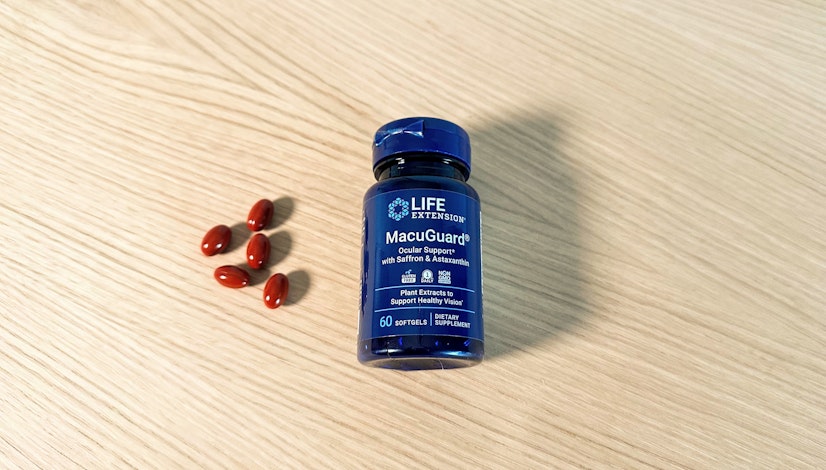
Photo by Innerbody Research
Pros
- Includes 6mg of astaxanthin alongside 10mg lutein and 4mg zeaxanthin — key carotenoids for eye health
- Contains 20mg of saffron extract, which may support visual function and retinal health
- Manufactured in NSF- and GMP-certified facilities
- Third-party tested for purity and potency
- Flexible subscription schedule (1–12 months)
- Industry-leading 365-day satisfaction guarantee, even for opened bottles
Cons
- Provides only 6mg of astaxanthin, half the amount found in our top overall and budget picks
- Contains soy (derived from phospholipids), a potential allergen
- Softgels are not vegetarian-friendly
Founded in 1980 and based in Fort Lauderdale, Florida, Life Extension is one of the most established supplement companies in the U.S., known for transparent sourcing and rigorous quality standards. While it narrowly missed earning one of our primary recommendations, MacuGuard receives an honorable mention for readers specifically interested in a carotenoid-rich eye-health formula. All of its products are produced in NSF-registered, GMP-compliant facilities and undergo independent third-party testing.
Its MacuGuard Ocular Support formula builds on decades of clinical research into carotenoids and vision health, delivering 10mg of lutein, a 4mg of zeaxanthin/meso-zeaxanthin blend, and 20mg of saffron — a combination of ingredients studied for supporting retinal health and visual performance.
Lutein and zeaxanthin
We've already discussed some of the broader research on lutein and zeaxanthin elsewhere in this guide. In the context of eye health, however, these carotenoids are best known for their role in the AREDS2 study developed by the National Eye Institute — a large, multi-year clinical trial designed to identify nutrients that protect vision in older adults. The study found that the AREDS2 formulation could help slow the progression of age-related macular degeneration (AMD) and preserve visual function over time.57
Both lutein and zeaxanthin accumulate in the macula, the central portion of the retina responsible for detailed vision. There, they help filter blue light and act as antioxidants, protecting retinal tissues from oxidative stress and light-induced damage.
Saffron
Saffron extract provides the carotenoids crocin and crocetin, which have been shown to support retinal blood flow and improve light sensitivity in adults with early-stage AMD. A 2023 meta-analysis found that saffron supplementation can enhance contrast sensitivity and slow vision loss progression, making it a valuable addition to modern eye formulas.58
Astaxanthin complements the formula by crossing the blood–retinal barrier and helping protect photoreceptor cells from oxidative stress.2 When combined with lutein and zeaxanthin, it has improved visual sharpness, eye fatigue, and contrast recovery after glare exposure in human studies.14 While MacuGuard provides 6mg of astaxanthin rather than the 12mg found in our top recommendations, its combination of carotenoids and saffron remains a compelling option for readers focused primarily on eye health.
Pricing, subscriptions, and shipping
A 60-softgel bottle of MacuGuard Ocular Support costs $29.00 with free shipping when you subscribe (10% off of $32.25). Subscriptions can be scheduled at any interval from 1 to 12 months, making it easy to match deliveries to your regimen.
That ends up looking like:
| Price per bottle | Shipping | |
|---|---|---|
| One-time purchase | $32.25 | $5.50 |
| Subscription | $29.00 | Free |
Refunds and guarantees
Life Extension offers the most generous refund policy in this guide — a 365-day money-back guarantee, even on opened bottles. Customers can request a full refund at any time within one year of purchase, no questions asked.
The closest competitor is 1MD Nutrition, which offers a 90-day money-back guarantee — just a quarter of Life Extension’s one-year window.
Alternatives to astaxanthin supplements
If you’re exploring supplementation but have constraints (e.g., allergens, cost, formulation preferences) — or if you simply want to stack smartly with astaxanthin — here are some well-researched alternatives:
Lutein and zeaxanthin
Lutein and zeaxanthin are carotenoids best known for supporting eye health, but research increasingly suggests their benefits extend beyond vision alone. Human studies have linked supplementation to improvements in learning and memory, while other research has explored its role in skin appearance and long-term cellular health.49 50 51 52
Like astaxanthin, lutein and zeaxanthin help protect tissues from oxidative stress. They can be taken alongside astaxanthin or on their own, depending on your goals and preferred formulation.
Collagen
Collagen is the primary structural protein in skin, hair, and connective tissue. Studies show that daily supplementation with hydrolyzed collagen peptides can improve skin hydration, elasticity, and smoothness while reducing wrinkle depth — typically over eight to twelve weeks of use. A 2023 systematic review of 26 randomized controlled trials concluded that hydrolyzed collagen significantly enhances overall skin appearance and dermal integrity compared to placebo.60
Early research also suggests that collagen and astaxanthin may work synergistically to improve skin elasticity and barrier function, with combination formulas under clinical investigation for photoaged skin.61
Coenzyme Q10 (CoQ10)
CoQ10 is a fat-soluble compound that plays a central role in cellular energy production and antioxidant defense. Supplementation has been shown to support mitochondrial function, cardiovascular health, and exercise recovery, while helping reduce markers of oxidative stress — mechanisms that overlap with astaxanthin’s own protective effects.62 Clinical trials also suggest CoQ10 may improve endothelial function and support healthy blood pressure regulation.63
Learn how CoQ10 compares to other antioxidants and see our top picks in our guide to the best CoQ10 supplements.
Saffron
Saffron is a carotenoid-rich spice derived from the Crocus sativus flower, long used in both cooking and traditional medicine. Modern clinical research has shown that saffron supplementation (typically 20–50mg per day) can improve visual acuity, retinal function, and contrast sensitivity in adults with AMD.58 These effects are attributed to compounds called crocin and crocetin, which may enhance retinal blood flow and protect photoreceptor cells from oxidative stress.
You can explore the science behind saffron and see which products we recommend in our complete guide to the best saffron supplements.
Diet
In addition to — or instead of — supplementation, you can amplify astaxanthin’s effects (or support similar pathways) through diet. Aim for foods rich in carotenoids, omega-3s, polyphenols, and other antioxidants.
- Fatty fish such as trout and mackerel
- Salmon, shellfish, and krill (natural astaxanthin sources)
- Brightly colored fruits and vegetables like berries, spinach, kale, and carrots
- Nuts, seeds, beans, and legumes
- Whole grains and fermented soy products
Astaxanthin FAQ
Sources
Innerbody uses only high-quality sources, including peer-reviewed studies, to support the facts within our articles. Read our editorial process to learn more about how we fact-check and keep our content accurate, reliable, and trustworthy.
Zhou, X., Cao, Q., Orfila, C., Zhao, J., & Zhang, L. (2021). Systematic Review and Meta-Analysis on the Effects of Astaxanthin on Human Skin Ageing. Nutrients, 13(9), 2917.
Giannaccare, G., Pellegrini, M., Senni, C., Bernabei, F., Scorcia, V., & Cicero, A. F. G. (2020). Clinical Applications of Astaxanthin in the Treatment of Ocular Diseases: Emerging Insights. Marine Drugs, 18(5), 239.
Barker, G. A., Parten, A. L., Lara, D. A., Hannon, K. E., McAllister, M. J., & Waldman, H. S. (2023). Astaxanthin supplementation reduces subjective markers of muscle soreness following eccentric exercise in resistance-trained men. Muscles, 2(2), 228–237.
Hayashi, M., Kawamura, M., Kawashima, Y., Uemura, T., & Maoka, T. (2020). Effect of astaxanthin-rich extract derived from Paracoccus carotinifaciens on the status of stress and sleep in adults. Journal of Clinical Biochemistry and Nutrition, 66(2), 118–125.
Tominaga, K., Hongo, N., Fujishita, M., Takahashi, Y., & Adachi, Y. (2017). Protective effects of astaxanthin on skin deterioration. Journal of Clinical Biochemistry and Nutrition, 61(1), 33–39.
Katagiri, M., Satoh, A., Tsuji, S., & Shirasawa, T. (2012). Effects of astaxanthin-rich Haematococcus pluvialis extract on cognitive function: a randomised, double-blind, placebo-controlled study. Journal of Clinical Biochemistry and Nutrition, 51(2), 102–107.
Hecht, K. A., Marwah, M., Wood, V., Nishida, Y., Bach, A. E., Gerson, J., Hom, M. M., Schnackenberg, J., Raote, S., Srivastava, S., Negi, P., & Caston, E. (2025). Astaxanthin (AstaReal®) improved acute and chronic digital eye strain in children: A randomized double-blind placebo-controlled trial. Advanced Therapy, 42(4), 1811–1833.
Brown, D. R., Warner, A. R., Deb, S. K., Gough, L. A., Sparks, S. A., & McNaughton, L. R. (2021). The effect of astaxanthin supplementation on performance and fat oxidation during a 40 km cycling time trial. Journal of Science and Medicine in Sport, 24(1), 92–97.
Queen, C. J. J., Sparks, S. A., Marchant, D. C., & McNaughton, L. R. (2024). The effects of astaxanthin on cognitive function and neurodegeneration in humans: A critical review. Nutrients, 16(6), 826.
Peng, Y.-F., Wang, L.-L., Gu, J.-H., & Zeng, Y.-Q. (2023). Effects of astaxanthin on depressive and sleep symptoms: A narrative mini-review. Heliyon, 9(7), e18288.
Brendler, T., & Williamson, E. M. (2019). Astaxanthin: How much is too much? A safety review. Phytotherapy Research, 33(12), 3090–3111.
Saito, M., Yoshida, K., Saito, W., Fujiya, A., Ohgami, K., Kitaichi, N., Tsukahara, H., Ishida, S., & Ohno, S. (2012). Astaxanthin increases choroidal blood flow velocity. Graefe's Archive for Clinical and Experimental Ophthalmology, 250(2), 239–245.
Wika, A., Reason, K. W., Green, M., Killen, L., McAllister, M. J., & Waldman, H. (2023). Astaxanthin reduces heart rate and carbohydrate oxidation rates during exercise in overweight individuals. International Journal of Exercise Science, 16(2), 252–266.
Yoshida, K., Sakai, O., Honda, T., Kikuya, T., Takeda, R., Sawabe, A., Inaba, M., & Koike, C. (2023). Effects of astaxanthin, lutein, and zeaxanthin on eye–hand coordination and smooth-pursuit eye movement after visual display terminal operation in healthy subjects: A randomized, double-blind placebo-controlled intergroup trial. Nutrients, 15(6), 1459.
Saw, C. L. L., Yang, A. Y., Guo, Y., & Kong, A. T. (2013). Astaxanthin and omega-3 fatty acids individually and in combination protect against oxidative stress via the Nrf2-ARE pathway. Food and Chemical Toxicology, 62, 869–875.
Ambati, R. R., Phang, S.-M., Ravi, S., & Aswathanarayana, R. G. (2014). Astaxanthin: Sources, Extraction, Stability, Biological Activities and Its Commercial Applications—A Review. Marine Drugs, 12(1), 128–152.
Lorenz, R. T., & Cysewski, G. R. (2000). Commercial potential for Haematococcus microalgae as a natural source of astaxanthin. Trends in Biotechnology, 18(4), 160–167.
Dalhousie University. (2023, March 21). The colour of farmed salmon comes from adding an antioxidant to their feed, with benefits for everyone. News.
Kidd, P. (2011). Astaxanthin, cell membrane nutrient with diverse clinical benefits and anti-aging potential. Alternative Medicine Review, 16(4), 355–364.
Fassett, R. G., & Coombes, J. S. (2012). Astaxanthin in cardiovascular health and disease. Molecules, 17(2), 2030–2048.
Park, J. S., Chyun, J. H., Kim, Y. K., Line, L. L., & Chew, B. P. (2010). Astaxanthin decreased oxidative stress and inflammation and enhanced immune response in humans. Nutrition & Metabolism, 7, 18.
Nakagawa, K., Kiko, T., Miyazawa, T., Burdeos, G. C., Kimura, F., Satoh, A., & Miyazawa, T. (2011). Antioxidant effect of astaxanthin on phospholipid peroxidation in human erythrocytes. British Journal of Nutrition, 105(11), 1563–1571.
Ma, B., Lu, J., Kang, T., Zhu, M., Xiong, K., & Wang, J. (2022). Astaxanthin supplementation mildly reduced oxidative stress and inflammation biomarkers: a systematic review and meta-analysis of randomized controlled trials. Nutrition Research, 99, 40–50.
Jagdhari, S., Panchbhai, A., Motwani, M., & Gunwal, M. (2025). Anti-inflammatory and antioxidant action of astaxanthin and its applications in the treatment of muscle health: A systematic review. Journal of Indian Academy of Oral Medicine & Radiology, 37(3), 284–290.
Davinelli, S., Nielsen, M. E., & Scapagnini, G. (2018). Astaxanthin in skin health, repair, and disease: A comprehensive review. Nutrients, 10(4), 522.
Utomo, N. P., Pinzon, R. T., Latumahina, P. K., & Damayanti, K. R. S. (2024). Astaxanthin and improvement of dementia: A systematic review of current clinical trials. Cerebral Circulation - Cognition and Behavior, 7, 100226.
Bjørklund, G., Gasmi, A., Lenchyk, L., Shanaida, M., Zafar, S., Mujawdiya, P. K., Lysiuk, R., Antonyak, H., Noor, S., Akram, M., Smetanina, K., Piscopo, S., Upyr, T., & Peana, M. (2022). The role of astaxanthin as a nutraceutical in health and age-related conditions. Molecules, 27(21), 7167.
Laurindo, L. F., Rodrigues, V. D., Carneiro, D. P., Marangão Filho, L. S., Pereira, E. d. S. B. M., Tofano, R. J., Chagas, E. F. B., Haber, J. F. D. S., Caracio, F. C. C., Moreira, L. Z., Valenti, V. E., & Barbalho, S. M. (2025). Assessing the effects of moderate to high dosage of astaxanthin supplementation on lipid profile parameters—A systematic review and meta-analysis of randomized controlled studies. Pharmaceuticals, 18(8), 1097.
Leung, L. Y.-L., Chan, S. M.-N., Tam, H.-L., & Wong, E. S.-W. (2022). Astaxanthin influence on health outcomes of adults at risk of metabolic syndrome: A systematic review and meta-analysis. Nutrients, 14(10), 2050.
Medoro, A., Intrieri, M., Passarella, D., Willcox, D. C., Davinelli, S., & Scapagnini, G. (2024). Astaxanthin as a metabolic regulator of glucose and lipid homeostasis. Journal of Functional Foods, 112, 105937.
Zhang, X., Hou, Y., Li, J., & Wang, J. (2021). The Role of Astaxanthin on Chronic Diseases. Crystals, 11(5), 505.
Waldman, H. (2024). Astaxanthin Supplementation as a Potential Strategy for Enhancing Mitochondrial Adaptations in the Endurance Athlete: An Invited Review. Nutrients, 16(11), 1750.
Dosey, H. C., Sparks, S. A., Gough, L. A., & McNaughton, L. R. (2021). Benefits of exercise and astaxanthin supplementation: Are there additive or synergistic effects?. Antioxidants, 10(6), 870.
Deng, G., Liu, F., Wang, K., Liang, Y., Nie, Q., & Liu, J. (2023). Relationship between dietary carotenoid intake and sleep duration in American adults: A population-based study. Nutrition Journal, 22, 68.
Kato, T., Kasai, T., Yatsu, S., ... Suda, S., Hiki, M., & Daida, H. (2017). Effects of 3-month Astaxanthin Supplementation on Sleepiness, Physical Activity and Health Related Quality-of-life in Heart Failure Patients with Sleep-disordered Breathing. Sleep and Biological Rhythms, 15(Suppl. S1), S53.
Wu, D., Xu, H., Chen, J., & Zhang, L. (2020). Effects of astaxanthin supplementation on oxidative stress. International Journal for Vitamin and Nutrition Research, 90(1-2), 179–194.
Choi, H. D., Kim, J. H., Chang, M. J., Kyu-Youn, Y., & Shin, W. G. (2011). Effects of astaxanthin on oxidative stress in overweight and obese adults. Phytotherapy Research, 25(12), 1813–1818.
Hasani, M., Arabpour, Z., Hasani, M., Saeedi, A., & Khodabakhshi, A. (2024). Effect of astaxanthin on physical activity factors, lipid profile, inflammatory markers, and antioxidants indices in athletic men: A systematic review and meta-analysis. Journal of Functional Foods, 122, 106477.
Snell, T. W., & Carberry, J. (2022). Astaxanthin bioactivity is determined by stereoisomer composition and extraction method. Nutrients, 14(7), 1522.
Nair, A., Ahirwar, A., Singh, S., Lodhi, R., Lodhi, A., Rai, A., Jadhav, D. A., Harish, Varjani, S., Singh, G., Marchand, J., Schoefs, B., & Vinayak, V. (2023). Astaxanthin as a king of ketocarotenoids: Structure, synthesis, accumulation, bioavailability and antioxidant properties. Marine Drugs, 21(3), 176.
Brotosudarmo, T. H. P., Limantara, L., Setiyono, E., & Heriyanto. (2020). Structures of astaxanthin and their consequences for therapeutic application. International Journal of Food Science, 2020, 2156582.
Mokhtari, E., Rafiei, S., Shokri-Mashhadi, N., & Saneei, P. (2021). Impact of astaxanthin supplementation on blood pressure: A systematic review and meta-analysis of randomized controlled trials. Journal of Functional Foods, 87, 104860.
Deng, Z.-Y., Shan, W.-G., Wang, S.-F., Hu, M.-M., & Chen, Y. (2016). Effects of astaxanthin on blood coagulation, fibrinolysis and platelet aggregation in hyperlipidemic rats. Pharmaceutical Biology, 55(1), 663–672.
Urakaze, M., Kobashi, C., Satou, Y., Shigeta, K., Toshima, M., Takagi, M., Takahashi, J., & Nishida, H. (2021). The beneficial effects of astaxanthin on glucose metabolism and modified low-density lipoprotein in healthy volunteers and subjects with prediabetes. Nutrients, 13(12), 4381.
Spiller, G. A., & Dewell, A. (2004). Safety of an Astaxanthin-Rich Haematococcus pluvialis Algal Extract: A Randomized Clinical Trial. Journal of Medicinal Food, 6(1), 51–56.
Wilson LM, Tharmarajah S, Jia Y, Semba RD, Schaumberg DA, Robinson KA. The Effect of Lutein/Zeaxanthin Intake on Human Macular Pigment Optical Density: A Systematic Review and Meta-Analysis. Advances in Nutrition. 2021;12(6):2244–2254.
Ma L, Lin XM. Effects of lutein and zeaxanthin on aspects of eye health. Journal of the Science of Food and Agriculture. 2010;90(1):2–12.
Lopresti AL, Smith SJ. The effects of lutein/ zeaxanthin (Lute-gen®) on eye health, eye strain, sleep quality, and attention in high electronic screen users: a randomized, double-blind, placebo-controlled study. Frontiers in Nutrition. 2025;12:1522302.
Lopresti, A. L., Smith, S. J., & Drummond, P. D. (2022). The Effects of Lutein and Zeaxanthin Supplementation on Cognitive Function in Adults With Self-Reported Mild Cognitive Complaints: A Randomized, Double-Blind, Placebo-Controlled Study. Frontiers in Nutrition, 9, 843512.
Juturu, V., Bowman, J. P., & Deshpande, J. (2016). Overall skin tone and skin-lightening-improving effects with oral supplementation of lutein and zeaxanthin isomers: A double-blind, placebo-controlled clinical trial. Clinical, Cosmetic and Investigational Dermatology, 9, 325.
Bovier, E. R., Renzi, L. M., & Hammond, B. R. (2014). A Double-Blind, Placebo-Controlled Study on the Effects of Lutein and Zeaxanthin on Neural Processing Speed and Efficiency. PLOS ONE, 9(9), e108178.
Stringham, N. T., Green, M., Roche, W., Prado-Cabrero, A., Mulcahy, R., & Nolan, J. (2024). Lutein, zeaxanthin, and meso-zeaxanthin supplementation attenuates inflammatory cytokines and markers of oxidative cardiovascular processes in humans. Nutrition, Metabolism, and Cardiovascular Diseases : NMCD, 34(8), 1976–1983.
Žmitek K, Žmitek J, Rogl Butina M, Hristov H, Pogačnik T, Pravst I. Dietary lutein supplementation protects against ultraviolet-radiation-induced erythema: Results of a randomized double-blind placebo-controlled study. Journal of Functional Foods. 2020;75:104265.
Murillo, A. G., Hu, S., & Fernandez, M. L. (2019). Zeaxanthin: Metabolism, Properties, and Antioxidant Protection of Eyes, Heart, Liver, and Skin. Antioxidants, 8(9).
Mrowicka, M., Mrowicki, J., Kucharska, E., & Majsterek, I. (2022). Lutein and Zeaxanthin and Their Roles in Age-Related Macular Degeneration—Neurodegenerative Disease. Nutrients, 14(4), 827.
Schuchardt, J. P., Schneider, I., Meyer, H., et al. (2011). Incorporation of EPA and DHA into plasma phospholipids in response to different omega-3 fatty acid formulations—a comparative bioavailability study of fish oil vs. krill oil. Lipids in Health and Disease, 10, 145.
National Eye Institute. (n.d.). AREDS 2 Supplements for Age-Related Macular Degeneration (AMD). U.S. Department of Health and Human Services, National Institutes of Health.
Heitmar, R., Brown, J., & Kyrou, I. (2019). Saffron (Crocus sativus L.) in ocular diseases: A narrative review of the existing evidence from clinical studies. Nutrients, 11(3), 649.
Kalogerakou, T., & Antoniadou, M. (2024). The Role of Dietary Antioxidants, Food Supplements and Functional Foods for Energy Enhancement in Healthcare Professionals. Antioxidants, 13(12), 1508.
Pu, S.-Y., Huang, Y.-L., Pu, C.-M., Kang, Y.-N., Hoang, K. D., Chen, K.-H., & Chen, C. (2023). Effects of oral collagen for skin anti-aging: A systematic review and meta-analysis. Nutrients, 15(9), 2080.
Yoon, H.-S., Cho, H. H., Cho, S., Lee, S.-R., Shin, M.-H., & Chung, J. H. (2014). Supplementing with dietary astaxanthin combined with collagen hydrolysate improves facial elasticity and decreases matrix metalloproteinase-1 and -12 expression: a comparative study with placebo. Journal of Medicinal Food, 17(7), 810–816.
Sood, B., Patel, P., & Keenaghan, M. (2024). Coenzyme Q10. In StatPearls [Internet]. National Center for Biotechnology Information.
Karimi, M., Pirzad, S., Hooshmand, F., Shirsalimi, N., & Pourfaraji, S. M. A. (2025). Effects of coenzyme Q10 administration on blood pressure and heart rate in adults: A systematic review and meta-analysis of randomized controlled trials. International Journal of Cardiology Cardiovascular Risk and Prevention, 26, 200424.
Sun S, Yu Y, Jo Y, Han JH, Xue Y, Cho M, Bae SJ, Ryu D, Park W, Ha KT, Zhuang S. Impact of extraction techniques on phytochemical composition and bioactivity of natural product mixtures. Frontiers in Pharmacology. 2025;16:1615338.
Ito N, Seki S, Ueda F. The Protective Role of Astaxanthin for UV-Induced Skin Deterioration in Healthy People—A Randomized, Double-Blind, Placebo-Controlled Trial. Nutrients. 2018;10(7):817.

Copyright © Innerbody Research 1997 - 2025. All Rights Reserved.