The Best Lion’s Mane Supplement
Lion’s mane may support memory, focus, and mood — but which supplements actually deliver? We compare the top options to find out.

Photo by Innerbody Research
If you’ve spent any time looking into brain health or nootropics, you’ve likely come across lion’s mane — a distinctive mushroom that’s gained attention for its potential to support memory, focus, and mood.1 2
That growing interest has led to an explosion of products on the market. Today, you’ll find lion’s mane in powders, tinctures, gummies, and even coffee — but not all of them are created equal. The part of the mushroom used and how it’s processed can vary widely, and those differences can meaningfully impact quality.
With so many options available, it can be difficult to tell which supplements are worth your time — and which are mostly marketing.
In this guide, we break down what actually matters and highlight the lion’s mane supplements that stand out for quality, effectiveness, and value.
If you’re short on time, here’s a quick look at our top picks:
Summary of recommendations
- Best for most people: Real Mushrooms Organic Lion's Mane Capsules
- Best nootropic with lion’s mane: Innerbody Labs Focus Support
- Best budget: Bulk Supplements Organic Lion's Mane Mushroom Powder
- Best high-potency extract: Nootropics Depot Lion’s Mane Mushroom Extract 8:1
- Best gummy: PLNT Lion’s Mane Gummy
- Best mushroom coffee: Everyday Dose Coffee+

Real Mushrooms’ product focused just on lion’s mane and is one of the closest matches we found to the supplements used in research.
We like Real Mushrooms because it uses 100% organic fruiting body extract, provides a full 1g daily serving, discloses its beta-glucan content (one of the clearest indicators of mushroom extract quality), and publishes third-party testing results directly on its product pages — meaning you can verify the quality and potency yourself.
Jump to:
Why you should trust us
Over the past two decades, Innerbody Research has helped tens of millions of readers make informed decisions about their health and wellness.
Our team thoroughly evaluates every product and service we review — including the lion’s mane supplements in this guide. We spent hundreds of hours examining lion’s mane and related mushroom compounds, analyzing clinical studies on cognition and mood, as well as preclinical research on nerve growth and brain health.
Alongside this research, we evaluated the top lion’s mane supplements on the market, comparing their quality, formulation, and value against the available evidence. We also purchased and assessed several of the most promising products ourselves to better understand the real-world user experience.
Given lion’s mane’s growing role in cognitive support, Innerbody Labs also includes it in our Focus Support formula, which we’ll discuss later in this guide.
As with all health-related content on our site, this guide has been reviewed by members of our Medical Review Board for accuracy and will be updated as new research and products emerge.
How we evaluated the best lion’s mane supplements
Identifying the best lion’s mane supplements meant evaluating each product across the factors that matter most when choosing a supplement:
- Effectiveness
- Safety
- Cost
- Convenience
These four pillars guided our analysis.
In the sections ahead, we explain how each of our top picks performed in these areas — and where certain products stood out. All of our selections met a high standard overall; when we highlight an “advantage,” it doesn’t mean others fell significantly short, only that a product demonstrated a distinct strength in that category.
Effectiveness
Advantage: Real Mushrooms Organic Lion's Mane Capsules
To evaluate effectiveness, we looked at how closely each product aligned with the forms and preparation methods used in existing research on lion’s mane.
Lion’s mane effectiveness isn’t determined by dose alone. It depends first on which part of the mushroom is used and how it’s processed, and then on whether the dose is sufficient.
- Fruiting body: Most human studies on cognition and mood have used the fruiting body — the visible mushroom you would recognize and eat.1 2 3 While mycelium (the root-like structure grown on a substrate) contains its own unique compounds and shows promise in early research, human evidence for mycelium-based products remains limited and less consistent.4 5 6
- Processing (beta-glucans): Lion’s mane contains beta-glucans — bioactive polysaccharides associated with immune modulation and many of the mushroom’s broader health effects.7 8 9 10 Proper extraction helps make these compounds more available for absorption. Products that disclose beta-glucan content generally offer a clearer signal of mushroom content, extraction quality, and manufacturing transparency.26
- Dose: In clinical research, lion’s mane is typically taken in gram-level daily amounts of fruiting body, often in the range of about 1–3g per day in divided doses, and used consistently over several weeks to months.1 3
Real Mushrooms earns the advantage because it aligns closely with these criteria. It uses 100% fruiting body, delivers a full 1g daily dose, and discloses beta-glucan content — making it one of the closest matches to the form and preparation used in human studies.11 While concentrated extracts can offer convenience (such as requiring fewer capsules per serving), most research has relied on gram-level amounts of whole fruiting body, making this the clearest reference point for effectiveness.
Safety
Advantage: Real Mushrooms Organic Lion's Mane Capsules
Lion’s mane appears to be well-tolerated in healthy adults. In human studies, researchers have reported no serious adverse effects over weeks to months of use.1 2 11 Broader safety summaries also find no evidence of clinically significant adverse effects at typical oral doses.12
When side effects do occur, they tend to be mild — most commonly digestive discomfort or, in rare cases, allergic reactions.25
Because of that, our safety assessment focused less on the ingredient itself and more on how each product is made — including third-party testing, manufacturing standards, and overall formulation quality.
Real Mushrooms stands out for its simplicity and transparency. It uses a single-ingredient, fruiting body formula and provides third-party test results directly on its product pages, allowing users to verify purity and potency.
A few other brands — including Nootropics Depot and Innerbody Labs — also demonstrate strong quality control by making third-party test results readily accessible to consumers. However, Real Mushrooms’ straightforward formulation, combined with its alignment with the form and dose used in many clinical trials, gives it the edge here.
Cost
Advantage: BulkSupplements Organic Lion's Mane Mushroom Powder
Lion’s mane supplements span a wide price range, and that variation comes down not just to quality, but also format and formulation.
At the low end, BulkSupplements offers one of the most affordable ways to take lion’s mane consistently. Its powder provides 1g of fruiting body per serving at a fraction of the cost of capsules, gummies, or drink mixes, making it one of the most affordable ways to maintain daily lion’s mane use over time. The trade-off is that, unlike Real Mushrooms, it does not disclose beta-glucan content, so there’s less visibility into its active compound levels.
Costs increase noticeably once you move into more convenience-oriented formats. Gummies and coffee products carry a premium for taste and ease of use, while concentrated extracts and nootropic blends tend to cost more due to formulation complexity. For example, Innerbody Focus Support is one of the more expensive options on a monthly basis, but it includes a full cognitive support stack rather than just lion’s mane.
Subscriptions can help offset some of these costs, though the impact varies by product. Innerbody Focus Support offers the most significant savings at longer subscription intervals, while others provide smaller discounts or free shipping. The cost breakdown looks like:
BulkSupplements earns the advantage because it delivers the lowest cost of consistent daily use. While other options may offer greater convenience or broader formulations, none match its affordability for maintaining gram-level intake over time.
Insider Tip: BulkSupplements’ lion’s mane powder is also available on Amazon, where Prime shipping can remove the delivery fee and reduce the overall cost.
Convenience
Advantage: Real Mushrooms Organic Lion's Mane Capsules
Convenience in a supplement comes down to how easy it is to take consistently — and how simple the purchasing experience is.
Lion’s mane products vary widely in format. Powders like BulkSupplements offer flexibility but require measuring and mixing, which can be less practical for daily use. Capsules provide a more straightforward option, with consistent dosing and no preparation required. Gummies and drink mixes emphasize ease and taste, though drink mixes still require some preparation and cleanup.
Beyond format, subscription flexibility and return policies also play an important role. Real Mushrooms stands out here with flexible delivery intervals (30, 60, 90, or 120 days) and a 100-day return policy — the longest among the brands featured in this guide.
By comparison, other products offer more limited flexibility. Nootropics Depot only accepts returns on unopened products, meaning there’s no option to try it risk-free. Innerbody Labs and PLNT both offer money-back guarantees, but these are limited to 30 days — less than a third of Real Mushrooms’ return window.
Together, these differences make Real Mushrooms one of the easiest options for starting, adjusting, and maintaining a lion’s mane routine over time.
How our top lion’s mane supplement picks compare
The chart below provides a quick reference for how our top picks stack up across key areas, including potency, sourcing, cost, and refund policies.
What is lion’s mane?
Lion’s mane (Hericium erinaceus) is a white, shaggy mushroom known for its long, cascading spines — a distinctive appearance that gives it its name. Unlike many supplements derived from plants, lion’s mane is a fungus, placing it in the same biological kingdom as mushrooms like shiitake and reishi.5 7
It has a long history of use as both a food and traditional health-supporting ingredient in East Asia.3 Today, it’s most commonly taken as a supplement for its potential role in supporting cognitive function and mood.33
What makes lion’s mane unique is its content of compounds called hericenones and erinacines, which are not found in most other edible mushrooms.4 6 These compounds have been studied for their potential effects on the nervous system, which is why lion’s mane is often discussed in the context of brain health.
In the wild, lion’s mane grows on hardwood trees and is also consumed as a culinary mushroom. Its mild flavor and texture — often compared to seafood — have made it popular both as a food and as a supplement ingredient.13
How does lion’s mane work?
Researchers have focused most lion’s mane studies on four main areas:
Neurotrophic support
Lion’s mane is best known for its potential effects on nerve growth factor (NGF), a protein that helps brain cells grow, repair themselves, and communicate with one another. Preclinical studies suggest that compounds in lion’s mane — particularly hericenones and erinacines — may stimulate NGF production, which is one reason researchers are studying the mushroom for memory and cognitive support.4 6
Some newer research also points to brain-derived neurotrophic factor (BDNF), another protein involved in learning, memory, and “neuroplasticity” — the brain’s ability to adapt and form new connections over time. In a recent human pilot study using erinacine A–enriched lion’s mane, supplementation was associated with improvements in cognitive processing speed and changes in BDNF-related markers.17
Inflammation and oxidative stress
Over time, chronic inflammation and oxidative stress can place strain on the brain and nervous system. Oxidative stress happens when unstable molecules called free radicals build up faster than the body can neutralize them.
In laboratory studies, lion’s mane compounds have shown antioxidant and anti-inflammatory effects, including activity in pathways like NF-κB and Nrf2, which help regulate the body’s response to cellular stress.14 18 20 That doesn’t mean lion’s mane works like an anti-inflammatory medication, but it may help explain why researchers are studying it in the context of cognitive aging and long-term brain health.
Mood and stress response
Lion’s mane may also influence mood through a combination of neurotrophic and inflammatory pathways. In an 8-week human study, supplementation was associated with improvements in anxiety, depression, and sleep scores, along with changes in circulating BDNF markers.21
Animal studies suggest these effects may involve pathways tied to stress resilience, neurogenesis (the formation of new brain cells), and communication between neurons.22 While the human evidence is still limited, this is one reason lion’s mane is often described as a functional or “adaptogenic” mushroom — a term used for compounds that may help the body adapt to physical or mental stress and maintain balance over time.16
Gut-brain axis
Researchers are also beginning to study lion’s mane in the context of the gut-brain axis — the constant communication network between the digestive system and the brain.
In animal studies, lion’s mane supplementation has altered gut bacteria while reducing inflammation in parts of the brain involved in memory.19 Early human data also suggest possible changes in microbiota diversity that may influence brain signaling and stress response, though this area of research is still developing.17
Lion’s mane fruiting body vs. mycelium
Not all lion’s mane supplements use the same part of the mushroom. Some use the fruiting body, which is the visible mushroom, while others use mycelium, the root-like network the fungus uses to grow. Both contain potentially useful compounds, but the research around each part is not identical.4 6
Fruiting body
Several of the best-known human studies on lion’s mane for cognition and mood have used fruiting body preparations. In one trial, adults with mild cognitive impairment took lion’s mane tablets for 16 weeks and improved on cognitive testing compared to placebo.1 Another study found that lion’s mane intake was associated with lower depression and anxiety scores after four weeks.2
Fruiting body preparations are also a common source of beta-glucans and other polysaccharides, which are often used as markers of mushroom extract quality.3 23
Mycelium
Mycelium is especially important because it’s associated with erinacines, a group of compounds studied for their effects on NGF and neuroprotection.6 Much of this work is still preclinical, but it’s not insignificant. Reviews describe erinacine-enriched mycelium as one of the more promising areas of lion’s mane research, particularly for brain health and cognitive aging.17 24
Human evidence around mycelium is also beginning to emerge, though it’s still much smaller than the body of research on fruiting body preparations. In a 49-week pilot trial, adults with mild Alzheimer’s disease took erinacine A-enriched lion’s mane mycelia, and researchers reported improvements in cognitive testing scores — including measures of memory, attention, and daily functioning — compared with placebo, along with good overall tolerability.25
The challenge with mycelium products
One complication with some mycelium supplements is how they’re grown and processed. Many are cultivated on grain-based substrates, and depending on how the final product is filtered or extracted, some of that leftover grain material can remain in the supplement.
Analytical reviews have shown that certain mushroom “mycelium” products contain much higher levels of alpha-glucans (starch-related compounds from grain) than beta-glucans, the compounds more commonly associated with mushroom content.26 In practical terms, that means part of what you’re buying may come from residual starch rather than the mushroom itself.
To be fair, some manufacturers argue that the fermented grain may still provide nutritional or functional benefits, and early research on mushroom-fermented foods does suggest fermentation can change antioxidant activity and nutrient composition.27 But those proposed benefits are still theoretical and much harder to verify than something directly measurable, like beta-glucan content.
When you add it all up, that’s why we generally prioritized fruiting body lion’s mane supplements in this guide. Right now, they line up more closely with the preparations used in several human cognition and mood studies. That doesn’t mean mycelium is ineffective or unimportant — in fact, erinacine-rich mycelium may become increasingly compelling as more human research emerges. But at the moment, fruiting body products still have the strongest overall human evidence behind them.1 2 31
Lion’s mane dosage
Clinical studies on lion’s mane have used a fairly wide range of doses, but most human research on cognition, mood, and brain health has involved roughly 1–3g of lion’s mane daily, typically taken consistently over several weeks to months.1 2 5
There’s still no official recommended daily intake for lion’s mane, and researchers are continuing to study how different preparations compare. For now, the strongest evidence appears to come from consistent daily use rather than megadosing or occasional use.
Lion’s mane also doesn’t behave like caffeine or other fast-acting nootropics. Most studies showing meaningful improvements in cognition or mood involve daily use over weeks or months, though a few newer studies suggest lion’s mane may also produce subtle short-term cognitive effects after a single dose.5 28 32
Are lion’s mane supplements safe?
Lion’s mane supplements appear to be safe for most healthy adults, based on the limited human research available. In small clinical trials lasting several weeks to months, lion’s mane has generally been well tolerated, with no serious adverse effects reported.1 25 28
A strong safety summary comes from LiverTox, an NIH resource on liver injury from medications and supplements. It notes that lion’s mane has not been linked to elevated liver enzymes or clinically apparent liver injury, and rates it as an unlikely cause of liver injury in humans.12
When side effects do appear, they tend to be mild and uncommon. In one 49-week trial of erinacine A-enriched lion’s mane mycelia in adults with mild Alzheimer’s disease, a few participants dropped out because of abdominal discomfort, nausea, or skin rash, but no other adverse events were reported.25 In a separate four-week study, healthy young adults took 10g of lion’s mane daily — substantially more than most commercial supplements provide — without serious adverse effects being observed.29 In a 16-week trial using lion’s mane fruiting body in adults with mild cognitive impairment, laboratory testing showed no adverse effects.1
That said, “generally well tolerated” doesn’t mean risk-free. Some people should be more cautious before trying lion’s mane:
People with mushroom allergies
Lion’s mane is an edible mushroom, so people with known mushroom allergies should avoid it or discuss it with a clinician first. Rare allergic reactions, including rash or respiratory symptoms, have been reported with mushroom exposure, and skin rash has appeared as a dropout-related side effect in at least one lion’s mane trial.25
Pregnant or breastfeeding individuals
There isn’t enough human safety data to say whether lion’s mane supplements are safe during pregnancy or breastfeeding. Because supplement doses are more concentrated than food amounts, it’s best to avoid lion’s mane supplements during these periods unless a healthcare professional recommends them.
Overall, lion’s mane has a reassuring safety profile. However, it’s still been studied mostly in small human trials, so long-term safety and potential drug interactions are not yet fully understood. Like most supplements, it’s a good idea to check in with your healthcare provider before adding lion’s mane to your routine — especially if you take medication or manage a medical condition.
Who are lion’s mane supplements for?
Lion’s mane supplements are best suited for adults interested in supporting memory, focus, mood, or long-term brain health. Unlike stimulants that work primarily by increasing alertness, lion’s mane is being studied for its potential effects on NGF, neuroplasticity, inflammation, and other pathways tied to brain and nervous system function.6 14 15
That makes it one of the more interesting natural nootropics for people looking beyond caffeine-style stimulation alone.30 While the human evidence is still developing, current research suggests lion’s mane may be most useful when taken consistently over time as part of a broader approach to cognitive and neurological health.1 2 25
More specifically, lion’s mane may be a good fit for:
People interested in cognitive support
Lion’s mane is most often taken for memory, focus, and overall cognitive support. In one 16-week study, adults with mild cognitive impairment who took lion’s mane showed improvements on cognitive testing compared to placebo.1 Other human studies in healthy adults and older adults have reported improvements in areas like processing speed, attention, reaction time, and working memory, though results are still mixed overall.11 28
People looking for mood and stress support
Lion’s mane may also appeal to people interested in mood support. One small study found that four weeks of lion’s mane intake was associated with lower depression and anxiety scores.2 Another study in adults with overweight or obesity reported improvements in mood and sleep scores after eight weeks, along with changes in BDNF-related markers.21 Reviews also suggest lion’s mane may influence pathways involved in stress resilience, neuroinflammation, and neurogenesis, though the strongest evidence for these mechanisms still comes from animal and laboratory research rather than large human studies.30
Adults concerned with cognitive aging
Because lion’s mane is being studied for NGF, BDNF, inflammation, and neuroprotection, it may be especially interesting for adults focused on long-term brain health and healthy cognitive aging.14 15 Human evidence is still limited, but studies involving mild cognitive impairment and mild Alzheimer’s disease suggest this is one of the more promising areas for future research.1 25 31
People interested in non-caffeinated nootropics
Many nootropics rely heavily on caffeine or stimulant compounds for noticeable short-term effects. Lion’s mane is different. Most studies focus on longer-term support for cognition and mood rather than immediate stimulation.14 28 However, a few newer studies suggest lion’s mane may still produce subtle short-term improvements in areas like reaction time, working memory, attention, and subjective mood after a single dose.32 For people who are sensitive to caffeine — or who want cognitive support without feeling overstimulated — lion’s mane may be an appealing alternative.
Who are they not for?
Lion’s mane is promising, but it isn’t a miracle mushroom. The strongest human evidence still comes from relatively small studies, and the effects — when they occur — tend to be modest rather than dramatic. While some newer research suggests lion’s mane may produce subtle short-term cognitive effects, most studies focus on consistent use over weeks or months.1 28 32
People in the following groups may want to rethink supplementation or temper their expectations:
People expecting a caffeine-like productivity boost
Lion’s mane may support attention, reaction time, or working memory in some people, including after a single dose.32 But it doesn’t behave like caffeine or stimulant-based nootropics. Most research has focused on gradual support for cognition, mood, and brain health over time rather than an immediate surge in energy or motivation.1 28
People looking for a proven Alzheimer’s treatment
Lion’s mane is being studied for cognitive aging, and early research — including a pilot trial using erinacine A-enriched mycelium in adults with mild Alzheimer’s disease — is genuinely interesting.25 However, these studies are still small and preliminary, and lion’s mane supplements are not approved to treat, cure, or prevent Alzheimer’s disease or any other neurological condition.31
Healthy adults expecting dramatic memory improvements
Lion’s mane may be more useful when there’s room for improvement, such as mild cognitive impairment or age-related cognitive concerns.1 In healthy young adults, the evidence is more mixed. Some studies report improvements in areas like reaction time or subjective mood, while others found no significant changes in cognition after four weeks, even at doses as high as 10g per day.28 29 32
People taking it for weight loss or “metabolic optimization”
Lion’s mane is sometimes marketed broadly for metabolism, fat burning, or whole-body wellness, but the human evidence doesn’t currently support those claims. In one study, 10g per day for four weeks had no meaningful effect on metabolic flexibility or cardiorespiratory fitness markers in healthy college-age adults.29
Lion’s mane works best as a long-term cognitive and mood-support supplement — not as a quick fix, medical treatment, or replacement for habits that matter more for brain health, like sleep, exercise, nutrition, stress management, and regular medical care.
Real Mushrooms Organic Lion’s Mane Capsules
Best overall

Photo by Innerbody Research
Pros
- Uses 100% organic lion’s mane fruiting body extract
- Provides a full 1g daily per serving
- Beta-glucan content clearly disclosed (300mg per serving)
- Third-party testing and batch results available on the product page
- Flexible subscription intervals (30, 60, 90, or 120 days)
- 100-day money-back guarantee
- Vegan and gluten-free
Cons
- Free shipping threshold is relatively high ($75)
- Requires two capsules daily instead of one
As the name would suggest, Real Mushrooms specializes in mushroom supplements. Founded in 2014 in Calgary, Canada, the company produces both mushroom blends with additional active ingredients and standalone mushroom extracts.
Its lion’s mane extract earns our top overall recommendation because it aligns more closely with the lion’s mane preparations used in human research than almost any other product we reviewed. Real Mushrooms uses 100% organic fruiting body extract — not mycelium grown on grain — and clearly discloses beta-glucan content, which remains one of the best available indicators of mushroom extract quality and potency.5 6 29
Each two-capsule serving provides 1g of lion’s mane extract and 300mg of beta-glucans, placing it directly within the range commonly used in human cognition and mood studies.1 2 28 Additionally, the company publishes third-party testing directly on product pages, allowing customers to verify the potency and quality of the products they’re taking — something we always appreciate in the supplement space.
Pricing, subscriptions, and shipping
Real Mushrooms is positioned in the middle of the pack on price. It costs more than BulkSupplements Lion’s Mane Powder, but less than premium nootropic blends like Innerbody Focus Support or mushroom coffee products like Everyday Dose Coffee+. A standard bottle costs $34.95 and contains 60 capsules (30 servings). For longer-term users, the company also sells a 300-capsule bottle for $69.95, which lowers the per-serving cost considerably.
The company offers a 15% subscription discount, and subscribers can choose delivery intervals every 30, 60, 90, or 120 days. Here’s how the pricing breaks down:
| Total cost | Servings | Cost per serving | |
|---|---|---|---|
| 60-capsule bottle (one-time) | $34.95 | 30 | $1.17 |
| 60-capsule bottle (subscription) | $29.71 | 30 | $0.99 |
| 300-capsule bottle (one-time) | $69.95 | 150 | $0.47 |
| 300-capsule bottle (subscription) | $59.46 | 150 | $0.40 |
Shipping costs $3.99 for one-time orders under $75 and is free above that threshold. All subscription orders ship free regardless of order size.
Refunds and guarantees
Real Mushrooms offers the best return policy in this guide: a 100-day money-back guarantee. Most of the other companies we reviewed either offer a shorter 30-day window or no money-back guarantee at all (as is the case with Nootropics Depot).
That extended window is especially valuable for lion’s mane because most measurable effects appear gradually with daily use rather than immediately.1 2 28 And, as with many nootropics and adaptogenic supplements, not everyone will respond the same way.
The longer return period gives users enough time to evaluate whether lion’s mane fits into their routine before committing long term. That flexibility makes Real Mushrooms especially approachable for first-time users.
Innerbody Labs Focus Support
Best nootropic with lion’s mane

Photo by Innerbody Research
Pros
- Combines lion’s mane with 14 additional cognition-focused ingredients
- Uses a concentrated 20:1 lion’s mane extract to deliver equivalent of 2g of fruiting body
- Includes clinically relevant doses of major ingredients throughout the formula
- Balanced combination of 160mg L-theanine and 80mg natural caffeine for smoother energy support
- Third-party tested; COAs posted directly on the product page
- Subscription savings up to 40% off
- Free U.S. shipping
Cons
- Beta-glucan content not disclosed
- No caffeine-free version available
- More expensive than standalone lion’s mane supplements
- Best subscription savings require a larger upfront purchase
Many nootropic blends on the market fall into one of two traps: too few ingredients to justify their price, or long “kitchen sink” formulas filled with underdosed compounds. Innerbody Labs created Focus Support to overcome both issues, building a formula with clinically relevant doses while avoiding unnecessary filler ingredients.
Part of that formula is a concentrated 20:1 lion’s mane extract. While the serving only contains 100mg of lion’s mane extract, a 20:1 ratio represents roughly 2g of starting mushroom material — placing it much closer to the gram-level servings commonly used in human lion’s mane studies on cognition and mood.1 2 28
That concentrated approach makes particular sense inside a multi-ingredient nootropic formula, where capsule space is limited. Instead of requiring several capsules dedicated entirely to mushroom powder, Focus Support uses the extract to deliver a potentially meaningful lion’s mane dose alongside additional cognition-focused ingredients.
Focus Support also includes:
- Cognizin citicoline: 500mg
- Rhodiolife Rhodiola rosea extract (5% rosavins, 1.8% salidrosides): 350mg
- Phosphatidylserine (50%): 300mg
- KSM-66 Ashwagandha: 300mg
- N-Acetyl L-tyrosine (NALT): 200mg
- L-Theanine: 160mg
- Caffeine (Coffeeberry organic extract): 80mg
- Saffron extract (2% safranals): 30mg
- Pyrroloquinoline quinone (PQQ): 20mg
- Vitamin B3: 16mg
- Vitamin B5: 5mg
- Vitamin B6: 2mg
- Vitamin B9: 400mcg
- Vitamin B12: 2.4mcg
Let’s take a closer look at the other major ingredients in Focus Support and how they complement lion’s mane within the formula.
Cognizin citicoline
Citicoline is a precursor to acetylcholine, one of the neurotransmitters most closely associated with learning, memory, and attention. Research suggests supplementation may increase acetylcholine levels while also supporting memory performance and cognitive function.34 It has also shown promise in studies involving mild cognitive impairment.35
Rhodiola rosea extract
Phosphatidylserine
Phosphatidylserine is a phospholipid concentrated in brain cell membranes. Research suggests it may support memory and cognitive function, including in older adults and people experiencing memory complaints.38 Some studies have also investigated its role in mood and daily function in individuals with Alzheimer’s disease at doses similar to the 300mg used in Focus Support.39
Ashwagandha extract
N-Acetyl L-tyrosine
Caffeine and L-theanine
Caffeine’s effects on alertness and mental energy are well-established, but it appears to work especially well when paired with L-theanine, an amino acid naturally found in tea (and, coincidentally, some mushrooms). Research suggests the combination may improve attention and task switching while reducing some of the jitteriness commonly associated with caffeine alone.44
Focus Support uses a 2:1 ratio of L-theanine to caffeine — 160mg of L-theanine paired with 80mg of caffeine — which closely matches the ratios commonly explored in nootropics research. The caffeine content itself is roughly equivalent to a double shot of espresso.
Saffron extract
Pyrroloquinoline quinone (PQQ)
B vitamin complex
Taken together, these ingredients are designed to support multiple aspects of cognitive performance simultaneously: focus, mental energy, stress resilience, mood, and memory.
Pricing, subscriptions, and shipping
Focus Support is available as either a one-time purchase or a subscription. Savings increase substantially with longer subscription intervals:
| Price | Cost per bottle | Cost per dose | You save | |
|---|---|---|---|---|
| One-time purchase | $115.00 | $115.00 | $3.83 | N/A |
| Monthly subscription | $87.40 | $87.40 | $2.91 | 24% |
| Quarterly subscription | $234.60 | $78.20 | $2.61 | 32% |
| Semi-annual subscription | $414.00 | $69.00 | $2.30 | 40% |
The best overall value comes from the six-month subscription, which lowers the effective daily cost considerably, though it also requires the largest upfront payment. All orders ship free within the United States.
Compared to standalone lion’s mane products, Focus Support is clearly positioned as a premium option. A lot of that higher cost comes from the formula’s broader approach, combining concentrated extracts and meaningful doses across a wide range of ingredients aimed at supporting focus, memory, mood, and mental energy.
Refunds and guarantees
Innerbody Labs backs Focus Support with a 30-day money-back guarantee, including opened products. That policy is more flexible than companies like Nootropics Depot, which limit returns to unopened bottles only, though it’s still shorter than Real Mushrooms’ 100-day guarantee.
That said, 30 days should still give most people enough time to get a feel for how the formula affects them. While some long-term cognitive benefits may take longer to fully develop, many Focus Support users report noticing improvements in focus, mental energy, or stress response within the first few days or weeks of consistent use.
BulkSupplements Organic Lion’s Mane Mushroom Powder
Best budget

Photo by Innerbody Research
Pros
- Provides 1g of organic lion’s mane mushroom powder per serving
- The most affordable lion’s mane supplement in this guide
- Available in multiple bag sizes, including large bulk options for savings
- Manufactured in an NSF-certified, FDA-registered, cGMP-compliant facility
- Subscription discounts available
Cons
- Does not disclose beta-glucan content
- Powder format requires measuring and mixing, and no scoop is included
- $9.95 shipping fee on orders under $59
- Opened products qualify only for limited partial refunds
BulkSupplements has built much of its reputation around simple formulations and aggressive discount pricing, so it’s no surprise that its Organic Lion’s Mane Mushroom Powder earns our budget pick. Based in Nevada, the company manufactures hundreds of nutritional ingredients in NSF-certified, FDA-registered, cGMP-compliant facilities and focuses heavily on bulk powders and minimalist formulas.
Each serving provides 1g of organic lion’s mane mushroom powder, placing it within the lower end of the dosing range commonly used in human studies investigating cognition and mood support.1 2 28 The powder format also offers more flexibility than capsules, making it easier to gradually increase intake toward the 2-3g daily range explored in some research.
That said, BulkSupplements doesn’t disclose beta-glucan content or provide the same level of extraction transparency as companies like Real Mushrooms or Nootropics Depot. Since beta-glucans remain one of the better indicators of the potency and quality of a mushroom powder or extract, that omission keeps BulkSupplements from ranking higher for effectiveness.5 6 29 Still, for shoppers primarily focused on affordability and flexible dosing, it remains one of the least expensive ways to maintain a consistent lion’s mane routine.
Taste
Lion’s mane powder generally has a mild, earthy flavor with subtle savory or “umami” notes similar to other culinary mushrooms, though less intense. Compared to stronger-tasting functional mushrooms like reishi or turkey tail — both of which can be noticeably bitter — lion’s mane is relatively easy to incorporate into drinks and recipes without overpowering them.
Our testers added a 1g serving of BulkSupplements Lion’s Mane to a chocolate protein smoothie and found the flavor pleasant. The powder blended in easily and didn’t create an overly grainy texture or noticeably alter the consistency of the drink. While plain lion’s mane powder still carries a mild mushroom flavor, it was subtle enough to fade into the background alongside ingredients like chocolate protein powder and milk.
Pricing, subscriptions, and shipping
BulkSupplements offers several bag sizes, which helps keep the cost per serving exceptionally low — especially for long-term users comfortable with powder supplements.
Subscription purchases reduce prices by an additional 10%, and customers can schedule deliveries every 1–6 months. As the bag size increases, the cost per serving drops considerably.
The bigger bag sizes dramatically reduce the long-term cost per serving, though they also require a greater upfront commitment. For context, the 1kg bag provides roughly 1,000 one-gram servings — nearly three years’ worth at 1g daily. That may sound excessive, but the bag we purchased carried a shelf life of roughly two and a half years from the time of purchase, making the larger sizes more practical for long-term users than they may initially appear.
Shipping is free on orders over $59; otherwise, BulkSupplements charges a flat $9.95 shipping fee. However, many of its products are also sold through Amazon, where Prime shipping may eliminate that added cost entirely.
For users planning to take lion’s mane consistently over the long term, BulkSupplements offers some of the best overall value in this guide — though the trade-off is that powders require measuring and mixing rather than the simplicity of capsules.
Refunds and guarantees
BulkSupplements offers a 30-day return window, though refunds are generally limited to unopened products. Opened items may qualify only for partial refunds, and the company notes that refunds for opened products are capped at the value of the smallest available size. In practice, that means a customer purchasing the 1kg bag for $41.97 could receive a refund closer to the cost of the smallest size option instead.
That policy is less generous than competitors like Real Mushrooms and Innerbody Labs, which offer 100-day and 30-day money-back guarantees, respectively.
That trade-off may still make sense for experienced supplement users or shoppers primarily focused on minimizing cost per serving. While the powder format requires a bit more effort than capsules — including measuring and mixing — BulkSupplements remains one of the most economical ways to take lion’s mane consistently at research-aligned doses.
Nootropics Depot Lion’s Mane Mushroom Extract 8:1 Capsules
Best high-potency extract

Photo by Innerbody Research
Pros
- Uses a concentrated 8:1 lion’s mane extract for higher potency per capsule
- Standardized to 15% beta-glucans, with results verified in publicly available COAs
- Delivers a potent serving size with fewer capsules
- Conducts both in-house and third-party testing for purity and potency
- Free shipping available on U.S. orders over $50
Cons
- High-concentration extracts are less studied in human lion’s mane trials than 1:1 fruiting body preparations
- No subscription discount option
- Returns limited to unopened products within 30 days
- Shipping costs can become expensive on smaller orders
Nootropics Depot has built a strong reputation among supplement enthusiasts for thorough testing and high transparency. Every product undergoes both in-house analysis and independent third-party testing, with certificates of analysis (COAs) published directly on the product page — something that’s still surprisingly uncommon in the supplement industry.
Its Lion’s Mane Mushroom Extract 8:1 Capsules take a very different approach from products like Real Mushrooms or BulkSupplements. Instead of focusing on larger gram-level servings of mushroom powder, Nootropics Depot uses a concentrated 8:1 extract designed to pack more extracted compounds into fewer capsules. In simple terms, an 8:1 extract means the company started with roughly eight parts lion’s mane mushroom material to produce one part finished extract powder. Since each serving provides 500mg of extract, that represents about 4g of starting lion’s mane mushroom material before extraction.
The extract is also standardized to 15% beta-glucans, with those numbers verified in the company’s publicly available COAs. For comparison, our top overall pick, Real Mushrooms, discloses 30% beta-glucans per serving. Since beta-glucans remain one of the better indicators of mushroom extract quality and potency, that level of transparency gives Nootropics Depot an edge over many mushroom brands that disclose little or no standardization data.5 6 33
In theory, concentrated extracts like this may offer advantages. They can deliver higher levels of certain compounds per gram while reducing the number of capsules needed per serving — one reason potent mushroom extracts have become increasingly popular in the nootropics space.
There is an important nuance, though: most human lion’s mane studies on cognition, mood, and mild cognitive impairment have used gram-level servings of lion’s mane fruiting body powder or relatively low-concentration extracts closer to 1:1 preparations.1 2 28 Researchers still don’t know whether highly concentrated extracts produce equivalent effects at proportionally smaller doses over the long term.
That doesn’t mean concentrated extracts are ineffective — only that they’re less directly aligned with the current human research. For readers who prioritize potency, capsule convenience, disclosed beta-glucan content, and extensive testing transparency, Nootropics Depot remains one of the strongest options currently available.
Pricing, subscriptions, and shipping
Unlike several competitors in this guide, Nootropics Depot does not offer subscription discounts for its lion’s mane extract. Savings primarily come from purchasing larger bottle sizes.
Pricing breaks down as follows:
| Price | Servings | Price per serving | |
|---|---|---|---|
| 60 capsules | $29.99 | 60 | $0.50 |
| 180 capsules | $79.99 | 180 | $0.44 |
When you compare the products gram for gram, the pricing actually comes out fairly close to Real Mushrooms, our best overall pick. The difference is that Nootropics Depot uses a much more concentrated extract, meaning you’re theoretically getting considerably more fruiting body material per gram of finished product.
Lastly, Nootropics Depot offers free shipping on U.S. orders over $50. Smaller orders incur shipping charges that were among the highest in this guide during our testing (roughly $10.50 shipped to the U.S. Southwest).
Refunds and guarantees
Nootropics Depot accepts returns within 30 days, but only for unopened products. Once a bottle has been opened, there is effectively no money-back guarantee.
That policy is more restrictive than competitors like Real Mushrooms, which offers a 100-day guarantee, or Innerbody Labs, which allows opened-product returns within 30 days.
For experienced supplement users who prioritize testing transparency, concentrated extracts, and detailed quality control documentation, that trade-off may still be acceptable. But for first-time lion’s mane users uncertain how they’ll respond, the lack of a true satisfaction guarantee adds more purchase risk than several competing products in this guide.
PLNT Lion’s Mane Gummy
Best gummy
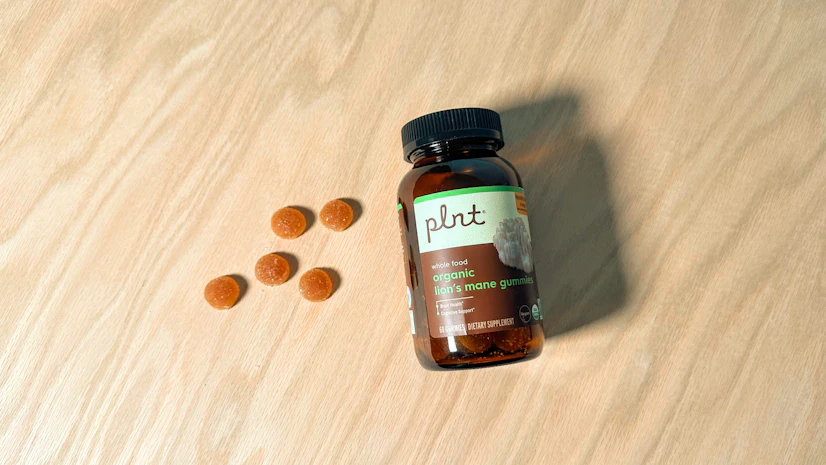
Photo by Innerbody Research
Pros
- Provides 1g of lion’s mane fruiting body per serving
- Orange flavor effectively masks mushroom taste
- Vegan, organic, non-GMO, kosher, dairy-free, and gluten-free
- Easy-to-take gummy format for users who dislike capsules or powders
Cons
- Beta-glucan content not disclosed
- Contains 4g of added sugar per serving
PLNT is The Vitamin Shoppe’s in-house wellness brand, launched in 2014 with a focus on simpler supplement formulations and wellness-oriented products. Many PLNT supplements emphasize organic ingredients and vegetarian or vegan formulations — all qualities reflected in its Lion’s Mane Gummies. The parent company behind the line, The Vitamin Shoppe, has been operating since 1977 and now runs more than 600 retail locations across the United States.
Each two-gummy serving provides 1g of lion’s mane fruiting body, placing it within the range commonly used in human studies investigating cognition and mood support.1 2 28 Unlike many mushroom gummies that rely on much smaller “fairy dust” amounts of functional ingredients, PLNT delivers a legitimate serving size.
The main trade-off is sugar content. A full serving contains 4g of added sugar, which is relatively modest for gummies but still higher than capsule or powder alternatives. For most healthy adults, that amount is unlikely to matter much in practice, though it may be worth considering for people closely monitoring sugar intake.
Where PLNT really stands out is convenience. Gummies remove much of the friction associated with mushroom supplements — no measuring powders, mixing drinks, or swallowing capsules — making them one of the easiest entry points for first-time lion’s mane users.
Taste
PLNT’s orange flavor does an impressive job masking the earthy mushroom notes typically associated with lion’s mane supplements. In practice, the gummies taste much closer to a standard citrus gummy candy than a mushroom product — for better and for worse. Users sensitive to mushroom flavors will likely appreciate how completely the flavor is covered, while others may prefer a more natural taste profile.
The texture is soft, light, and easy to chew without becoming sticky or overly dense. A light sugar coating adds extra sweetness and helps give the gummies a more familiar candy-like feel.
Pricing, subscriptions, and shipping
The gummies retail for $21.99 per bottle, with subscription savings reducing the cost by 15%. Each bottle contains 30 servings. That breaks down as follows:
| Price | Servings | Price per serving | |
|---|---|---|---|
| One-time purchase | $21.99 | 30 | $0.73 |
| Subscription | $18.69 | 30 | $0.62 |
Shipping costs $6.99 on orders under $35 and becomes free above that threshold.
PLNT Lion’s Mane Gummies sit in the middle of the pack on price overall. They cost more per serving than BulkSupplements powder, which remains one of the cheapest ways to take lion’s mane daily, but they’re still noticeably less expensive than several higher-end capsule extracts and nootropic blends.
In general, gummies tend to cost more per serving than powders or capsules because they require additional flavoring, sweeteners, and manufacturing steps. Even so, PLNT still ends up costing less per serving than Real Mushrooms, our best overall lion’s mane pick, making it a strong option for people who simply prefer gummies.
Refunds and guarantees
PLNT products purchased through The Vitamin Shoppe qualify for the retailer’s standard return policy, which allows returns on opened products within 30 days. The company notes that some returns may be subject to a restocking fee, though it doesn’t clearly explain when that fee applies.
Even with that ambiguity, the policy is still more flexible than companies like Nootropics Depot, which only accepts unopened returns. At the same time, it’s not as generous as brands like Real Mushrooms or Everyday Dose, which offer 100-day and 45-day money-back guarantees, respectively.
For gummy supplements especially, return flexibility matters because taste and texture can make or break the experience. Knowing you can at least open the bottle and try the product without automatically voiding the return policy adds a bit of reassurance for first-time buyers.
Everyday Dose Mushroom Coffee+
Best mushroom coffee

Photo by Innerbody Research
Pros
- Combines lion’s mane with coffee extract and L-theanine for focus and energy support
- Uses organic lion’s mane and chaga fruiting body extracts
- Contains 150mg of L-theanine to help offset caffeine jitters
- Mixes well and has a smooth, chocolate-forward flavor profile
- Free U.S. shipping and 45-day money-back guarantee
- Subscription savings up to 40% off starter kits
Cons
- Lion’s mane and chaga amounts are hidden within a proprietary blend
- Does not disclose beta-glucan standardization
- Contains bovine collagen, making it unsuitable for vegans
- More expensive per serving than standalone lion’s mane powders
Everyday Dose was founded in 2021 with the goal of creating an alternative to traditional coffee and high-stimulant energy products through a combination of functional mushrooms, nootropics, amino acids, and lower caffeine levels. Unlike simpler lion’s mane supplements, Everyday Dose positions itself more as a “coffee replacement” designed to support focus and energy while potentially reducing some of the crashes and jitters associated with regular coffee.
The formula combines coffee extract, L-theanine, bovine collagen peptides, organic lion’s mane fruiting body extract, and organic chaga fruiting body extract inside a 7g proprietary blend. Based on conversations with customer service, Everyday Dose contains roughly 870mg of lion’s mane fruiting body extract and 870mg of chaga extract per serving.
That lion’s mane dose falls somewhat below the gram-level servings commonly used in many human cognition studies, but it’s still higher than what’s found in many competing mushroom coffees, which often rely on much smaller “fairy dust” amounts hidden inside proprietary blends.1 2 28
The formula also pairs caffeine with 150mg of L-theanine, a combination studied for its potential ability to improve attention and alertness while reducing caffeine-related jitteriness.44 Compared to traditional coffee, Everyday Dose contains substantially less caffeine overall — about 45mg per serving, or roughly half a cup of drip coffee — which may appeal to users who are sensitive to stimulants or prone to caffeine crashes.
One unusual addition is bovine collagen, which contributes a large portion of the formula’s amino acid content. While the evidence supporting collagen for hair, skin, and nail health remains mixed, it does help make Everyday Dose feel more substantial and filling than many competing mushroom coffee products.51
Overall, Everyday Dose stands out less as a “pure” lion’s mane supplement and more as a convenient functional beverage that incorporates lion’s mane into a broader nootropic-style coffee replacement formula. Readers interested in a deeper breakdown of the formula, research, and customer experience can also check out our full Everyday Dose review.
Taste
Our testers found Everyday Dose surprisingly enjoyable, especially compared to many earthy or bitter mushroom beverages. The drink mixes smoothly and has a rich flavor closer to extra-dark chocolate or lightly sweetened cocoa than traditional mushroom tea. The mushroom flavor itself is fairly subtle and mostly fades into the background behind the coffee and cocoa-like notes.
One tester found it paired especially well with chocolate protein powder, while another preferred it simply mixed with hot water and a splash of almond milk. The included frother also made preparation noticeably easier than some competing mushroom coffee products we tested.
You can read more about our hands-on testing experience and broader recommendations in our guide to the best mushroom coffee. While Ryze remains our top overall mushroom coffee pick, Everyday Dose earned the advantage here because it places much heavier emphasis on lion’s mane specifically. Ryze uses a 2g proprietary mushroom blend with lion’s mane listed behind several other mushrooms, whereas Everyday Dose contains roughly 870mg each of lion’s mane and chaga extract per serving.
Pricing, subscriptions, and shipping
Everyday Dose offers several purchasing options, including standard refill pouches and starter kits that include accessories like a rechargeable frother and metal spoon.
| Product | Standard price | Price per serving | Subscription price | Subscription price per serving |
|---|---|---|---|---|
| 30-serving pouch | $45 | $1.50 | $36 (20% off) | $1.20 |
| 90-serving pouch | $110 | $1.22 | $99 (10% off) | $1.10 |
| 30-serving starter kit | $60 | $2.00 | $36 (40% off) | $1.20 |
| 60-serving starter kit | $80 | $1.33 | $55 (31% off) | $0.92 |
All U.S. orders ship free, regardless of order size.
Compared to standalone lion’s mane powders or capsules, Everyday Dose is more expensive on a per-serving basis. Much of that added cost comes from the beverage format itself, along with the inclusion of additional ingredients like collagen, coffee extract, and L-theanine.
Refunds and guarantees
Everyday Dose backs its products with a 45-day money-back guarantee, which is longer than every other product in this guide except Real Mushrooms. That extra flexibility is especially valuable for mushroom coffee products, where taste, texture, mixing ability, and caffeine tolerance can strongly influence the overall experience.
In practice, 45 days should give most users more than enough time to decide whether they enjoy the flavor, preparation ritual, and overall effects enough to make it part of their daily routine.
Alternatives to lion’s mane supplements
If lion’s mane doesn’t quite fit your goals — or if you’re looking to build a broader cognitive-support routine — there are several other supplements and lifestyle approaches with research supporting focus, memory, stress resilience, or long-term brain health.
Supplements
Citicoline (CDP-choline)
Citicoline is one of the best-studied nootropic ingredients for attention, memory, and cognitive performance. It acts as a precursor to acetylcholine, a neurotransmitter heavily involved in learning and memory formation. Human studies suggest citicoline supplementation may support attention, focus, and memory performance, particularly in older adults and people experiencing mild cognitive decline.34 35 52
You can learn more about citicoline and compare our favorite options in our breakdown of the best choline supplements.
L-Theanine and caffeine
The combination of L-theanine and caffeine has become increasingly popular in nootropic formulas because research suggests the pairing may improve attention, reaction time, and task switching while reducing some of caffeine’s more unpleasant side effects, such as jitteriness.44 53 Many users looking for a more immediately noticeable “focus” effect may prefer this combination over standalone lion’s mane.
We take a closer look at the research and our top recommendations in our roundup of the best L-theanine supplements.
Rhodiola rosea
Rhodiola is an adaptogenic herb traditionally used to combat stress and fatigue. Human research suggests it may help improve cognitive performance, attention, and mental resilience during stressful periods or sleep deprivation.36 37
Our rhodiola supplement recommendations explore the products and formulations we think stand out most.
Omega-3 fatty acids
Omega-3s — especially DHA — play structural roles in brain cell membranes and neurological signaling. Research suggests omega-3 intake may support cognitive health, mood, and long-term brain aging, particularly in people with lower baseline intake.54 55
For more, take a look at our fish oil recommendations and our picks for the best vegan omega-3 supplements.
Creatine monohydrate
Although best known for athletic performance, creatine also plays a major role in brain energy metabolism. Some human studies suggest creatine supplementation may support working memory, mental fatigue resistance, and cognitive performance under stress or sleep deprivation.56 57
Our creatine supplement review covers both cognitive and physical performance applications in more detail.
Lifestyle approaches
Supplements can support cognitive performance, but many of the strongest long-term brain health interventions are lifestyle-based. Research consistently links the following habits with better cognitive function and healthier brain aging:58 59
- Regular aerobic exercise
- Consistent sleep habits
- Stress management practices
- Social engagement
- Ongoing learning and mentally stimulating activities
Diet may also play a role. Foods commonly associated with cognitive health include:54 55 58
- Fatty fish like salmon, sardines, and trout
- Berries and other polyphenol-rich fruits
- Leafy greens such as spinach and kale
- Nuts and seeds
- Olive oil
- Fermented foods and legumes
Lion’s mane supplement FAQ
Sources
Innerbody uses only high-quality sources, including peer-reviewed studies, to support the facts within our articles. Read our editorial process to learn more about how we fact-check and keep our content accurate, reliable, and trustworthy.
Mori, K., Inatomi, S., Ouchi, K., Azumi, Y., & Tuchida, T. (2009). Improving effects of the mushroom Yamabushitake (Hericium erinaceus) on mild cognitive impairment: a double-blind placebo-controlled clinical trial. Phytotherapy Research, 23(3), 367–372.
Nagano, M., Shimizu, K., Kondo, R., et al. (2010). Reduction of depression and anxiety by 4 weeks Hericium erinaceus intake. Biomedical Research, 31(4), 231–237.
Brandstetter, S., Miller, J., & Voss, K. (2025). Lion’s Mane Mushroom (Hericium erinaceus): A Neuroprotective Fungus with Antioxidant, Anti-Inflammatory, and Antimicrobial Potential—A Narrative Review. Nutrients, 17(8), 1307.
Li, I. C., Lee, L. Y., Tzeng, T. T., et al. (2018). Neurohealth Properties of Hericium erinaceus Mycelia Enriched with Erinacines. Behavioural Neurology, 2018, 5802634.
Friedman, M. (2015). Chemistry, Nutrition, and Health-Promoting Properties of Hericium erinaceus (Lion's Mane) Mushroom Fruiting Bodies and Mycelia and Their Bioactive Compounds. Journal of Agricultural and Food Chemistry, 63(32), 7108–7123.
Ma, B. J., Shen, J. W., Yu, H. Y., Ruan, Y., Wu, T. T., & Zhao, J. Z. (2010). Hericenones and erinacines: Stimulators of nerve growth factor (NGF) biosynthesis in Hericium erinaceus. Mycology, 1(2), 92–98.
Wasser, S. P. (2014). Medicinal mushroom science: Current perspectives, advances, evidences, and challenges. Biomedical Journal, 37(6), 345–356.
Jayachandran, M., Chen, J., Chung, S. S. M., & Xu, B. (2018). A critical review on the impacts of β-glucans on gut microbiota and human health. The Journal of Nutritional Biochemistry, 61, 101–110.
Wang, W., Tan, J., Nima, L., et al. (2022). Polysaccharides from fungi: A review on their extraction, purification, structural features, and biological activities. Food Chemistry: X, 15, 100414.
Wasser, S. P. (2011). Current findings, future trends, and unsolved problems in studies of medicinal mushrooms. Applied Microbiology and Biotechnology, 89(5), 1323–1332.
Saitsu, Y., Nishide, A., Kikushima, K., et al. (2019). Improvement of cognitive functions by oral intake of Hericium erinaceus. Biomedical Research, 40(4), 125–131.
Lion’s Mane. LiverTox: Clinical and Research Information on Drug-Induced Liver Injury. National Institute of Diabetes and Digestive and Kidney Diseases. 2024.
Raja-Razali RB, Zahia-Azizan NA, Yee CS, et al. Lion's Mane Mushroom: Nutritional Profile, Bioactive Compounds, Functional Properties, and Applications in Functional Food Systems. Journal of Food Science. 2026;91(3):710-726.
Szućko-Kociuba I, Trzeciak-Ryczek A, Kupnicka P, Chlubek D. Neurotrophic and Neuroprotective Effects of Hericium erinaceus. International Journal of Molecular Sciences. 2023;24(21):15960.
Cha S, Bell L, Shukitt-Hale B, Williams CM. A review of the effects of mushrooms on mood and neurocognitive health across the lifespan. Neuroscience & Biobehavioral Reviews. 2024;158:105548.
Hisamuddin AS, Ramli F, Leo TK, et al. Adaptogenic Effects of Mushroom Blend Supplementation on Stress, Fatigue, and Sleep: A Randomised, Double-Blind, and Placebo-Controlled Trial. Brain and Behavior. 2026;e71193.
Černelič Bizjak M, Jenko Pražnikar Z, Kenig S, et al. Effect of erinacine A-enriched Hericium erinaceus supplementation on cognition: A randomized, double-blind, placebo-controlled pilot study. Journal of Functional Foods. 2024;115:106120.
Wang LY, Huang CS, Chen YH, Chen CC, Chen CC, Chuang CH. Anti-Inflammatory Effect of Erinacine C on NO Production Through Down-Regulation of NF-κB and Activation of Nrf2-Mediated HO-1 in BV2 Microglial Cells Treated with LPS. Molecules. 2019;24(18):3317.
Priori EC, Ratto D, De Luca F, et al. Hericium erinaceus Extract Exerts Beneficial Effects on Gut-Neuroinflammaging-Cognitive Axis in Elderly Mice. Biology (Basel). 2023;13(1):18.
Cordaro M, Trovato Salinaro A, Siracusa R, et al. Key Mechanisms and Potential Implications of Hericium erinaceus in NLRP3 Inflammasome Activation by Reactive Oxygen Species during Alzheimer’s Disease. Antioxidants (Basel). 2021;10(11):1664.
Vigna L, Morelli F, Agnelli GM, et al. Hericium erinaceus Improves Mood and Sleep Disorders in Patients Affected by Overweight or Obesity: Could Circulating Pro-BDNF and BDNF Be Potential Biomarkers?. Evidence-Based Complementary and Alternative Medicine. 2019;2019:7861297.
Chong PS, Poon CH, Roy J, et al. Neurogenesis-dependent antidepressant-like activity of Hericium erinaceus in an animal model of depression. Chinese Medicine. 2021;16:132.
Yang Y, Li J, Hong Q, Zhang X, Liu Z, Zhang T. Polysaccharides from Hericium erinaceus Fruiting Bodies: Structural Characterization, Immunomodulatory Activity and Mechanism. Nutrients. 2022;14(18):3721.
Qiu Y, Lin G, Liu W, et al. Bioactive substances in Hericium erinaceus and their biological properties: A review. Food Science and Human Wellness. 2024;13(4):1825-1844.
Li IC, Chang HH, Lin CH, et al. Prevention of Early Alzheimer’s Disease by Erinacine A-Enriched Hericium erinaceus Mycelia Pilot Double-Blind Placebo-Controlled Study. Frontiers in Aging Neuroscience. 2020;12:155.
McCleary BV, Draga A. Measurement of β-Glucan in Mushrooms and Mycelial Products. Journal of AOAC International. 2016;99(2):364-373.
Wang J, Jiang Q, Huang Z, et al. Solid-State Fermentation of Soybean Meal with Edible Mushroom Mycelium to Improve Its Nutritional, Antioxidant Capacities and Physicochemical Properties. Fermentation. 2023;9(4):322.
Docherty S, Doughty FL, Smith EF. The Acute and Chronic Effects of Lion's Mane Mushroom Supplementation on Cognitive Function, Stress and Mood in Young Adults: A Double-Blind, Parallel Groups, Pilot Study. Nutrients. 2023;15(22):4842.
Grozier CD, Alves VA, Killen LG, et al. Four Weeks of Hericium erinaceus Supplementation Does Not Impact Markers of Metabolic Flexibility or Cognition. International Journal of Exercise Science. 2022;15(2):1366-1380.
Chong PS, Fung ML, Wong KH, Lim LW. Therapeutic Potential of Hericium erinaceus for Depressive Disorder. International Journal of Molecular Sciences. 2019;21(1):163.
Cornford N, Charnley M. Hericium erinaceus: A possible future therapeutic treatment for the prevention and delayed progression of Alzheimer's disease? - A narrative review. Nutrition Research Reviews. 2025;38(2):613-627.
La Monica MB, Raub B, Ziegenfuss EJ, et al. Acute Effects of Naturally Occurring Guayusa Tea and Nordic Lion’s Mane Extracts on Cognitive Performance. Nutrients. 2023;15(24):5018.
Contato AG, Conte-Junior CA. Lion's Mane Mushroom (Hericium erinaceus): A Neuroprotective Fungus with Antioxidant, Anti-Inflammatory, and Antimicrobial Potential—A Narrative Review. Nutrients. 2025;17(8):1307.
Nakazaki, E., Mah, E., Sanoshy, K., Citrolo, D., & Watanabe, F. (2021). Citicoline and memory function in healthy older adults: A randomized, double-blind, placebo-controlled clinical trial. The Journal of Nutrition, 151(8), 2153-2160.
Secades, J. J. (2019) Citicoline in the treatment of cognitive impairment. Journal of Neurology and Experimental Neuroscience, 5(1), 14-26.
Stojcheva, E. I., & Quintela, J. C. (2022). The effectiveness of Rhodiola rosea L. preparations in alleviating various aspects of life-stress symptoms and stress-induced conditions: Encouraging clinical evidence. Molecules, 27(12), 3902.
Darbinyan, V., Kteyan, A., Panossian, A., Gabrielian, E., Wikman, G., & Wagner, H. (2000). Rhodiola rosea in stress induced fatigue — A double blind cross-over study of a standardized extract SHR-5 with a repeated low-dose regimen on the mental performance of healthy physicians during night duty. Phytomedicine, 7(5), 365-371.
Kato-Kataoka, A., Sakai, M., Ebina, R., Nonaka, C., Asano, T., & Miyamori, T. (2010). Soybean-Derived Phosphatidylserine Improves Memory Function of the Elderly Japanese Subjects with Memory Complaints. Journal of Clinical Biochemistry and Nutrition, 47(3), 246.
Moré, M. I., Freitas, U., & Rutenberg, D. (2014). Positive Effects of Soy Lecithin-Derived Phosphatidylserine plus Phosphatidic Acid on Memory, Cognition, Daily Functioning, and Mood in Elderly Patients with Alzheimer’s Disease and Dementia. Advances in Therapy, 31(12), 1247.
Ng, Q. X., Loke, W., Foo, N. X., Tan, W. J., Chan, H. W., Lim, D. Y., & Yeo, W. S. (2020). A systematic review of the clinical use of Withania somnifera (Ashwagandha) to ameliorate cognitive dysfunction. Phytotherapy Research, 34(3), 583-590.
Majeed, M., Nagabhushanam, K., & Mundkur, L. (2023). A standardized Ashwagandha root extract alleviates stress, anxiety, and improves quality of life in healthy adults by modulating stress hormones: Results from a randomized, double-blind, placebo-controlled study. Medicine, 102(41), e35521.
Steenbergen, L., Sellaro, R., Hommel, B., & Colzato, L. S. (2015). Tyrosine promotes cognitive flexibility: Evidence from proactive vs. reactive control during task switching performance. Neuropsychologia, 69, 50-55.
Jongkees, B. J., Hommel, B., Kühn, S., & Colzato, L. S. (2015). Effect of tyrosine supplementation on clinical and healthy populations under stress or cognitive demands—A review. Journal of Psychiatric Research, 70, 50-57.
Haskell, C. F., Kennedy, D. O., Milne, A. L., Wesnes, K. A., & Scholey, A. B. (2008). The effects of l-theanine, caffeine and their combination on cognition and mood. Biological Psychology, 77(2), 113-122.
Kell, G., Rao, A., Beccaria, G., Clayton, P., Inarejos-García, A. M., & Prodanov, M. (2017). affron® a novel saffron extract (Crocus sativus L.) improves mood in healthy adults over 4 weeks in a double-blind, parallel, randomized, placebo-controlled clinical trial. Complementary Therapies in Medicine, 33, 58-64.
Lopresti, A. L., Smith, S. J., & Drummond, P. D. (2021). An investigation into an evening intake of a saffron extract (affron®) on sleep quality, cortisol, and melatonin concentrations in adults with poor sleep: A randomised, double-blind, placebo-controlled, multi-dose study. Sleep Medicine, 86, 7-18.
Shiojima, Y., Takahashi, M., Takahashi, R., Moriyama, H., Bagchi, D., Bagchi, M., & Akanuma, M. (2022). Effect of Dietary Pyrroloquinoline Quinone Disodium Salt on Cognitive Function in Healthy Volunteers: A Randomized, Double-Blind, Placebo-Controlled, Parallel-Group Study. Journal of the American Nutrition Association, 41(8), 796–809.
Hwang, P. S., Machek, S. B., Cardaci, T. D., Wilburn, D. T., Kim, C. S., Suezaki, E. S., & Willoughby, D. S. (2020). Effects of Pyrroloquinoline Quinone (PQQ) Supplementation on Aerobic Exercise Performance and Indices of Mitochondrial Biogenesis in Untrained Men. Journal of the American College of Nutrition, 39(6), 547–556.
Wang, Z., Zhu, W., Xing, Y., Jia, J., & Tang, Y. (2022). B vitamins and prevention of cognitive decline and incident dementia: a systematic review and meta-analysis. Nutrition Reviews, 80(4), 931–949.
Chang, B., Wang, Z., Xu, T., Chen, J., Zhang, Y., Huang, Y., & Sun, D. (2023). Effectiveness of vitamin-B supplements on cognition in older adults: A meta-analysis. Geriatric Nursing, 51, 143-149.
Patel, P. & Senna, M. M. (2023). Considering collagen drinks and supplements? Harvard Health Publishing.
Gareri P, Castagna A, Cotroneo AM, et al. The role of citicoline in cognitive impairment: Pharmacological characteristics, possible advantages, and doubts for an old drug with new perspectives. Clinical Interventions in Aging. 2015;10:1421-1429.
Giesbrecht T, Rycroft JA, Rowson MJ, De Bruin EA. The combination of L-theanine and caffeine improves cognitive performance and increases subjective alertness. Nutritional Neuroscience. 2010;13(6):283-290.
Dighriri IM, Alsubaie AM, Hakami FM, et al. Effects of Omega-3 Polyunsaturated Fatty Acids on Brain Functions: A Systematic Review. Cureus. 2022;14(10):e30091.
Weiser MJ, Butt CM, Mohajeri MH. Docosahexaenoic Acid and Cognition throughout the Lifespan. Nutrients. 2016;8(2):99.
Avgerinos KI, Spyrou N, Bougioukas KI, Kapogiannis D. Effects of creatine supplementation on cognitive function of healthy individuals: A systematic review of randomized controlled trials. Experimental Gerontology. 2018;108:166-173.
Gordji-Nejad A, Matusch A, Kleedörfer S, et al. Single dose creatine improves cognitive performance and induces changes in cerebral high energy phosphates during sleep deprivation. Scientific Reports. 2024;14:4937.
Halma M, Marik P, Gazda S, Tuszynski J. Lifestyle medicine for healthy cognitive aging: A narrative review. Brain Behavior and Immunity Integrative. 2024;7:100077.
Düzel E, van Praag H, Sendtner M. Can physical exercise in old age improve memory and hippocampal function?. Brain. 2016;139(3):662-673.

Copyright © Innerbody Research 1997 - 2025. All Rights Reserved.