Best Creatine for Muscle Growth
Our team of experts weighs in on whether creatine can actually improve gains and lead to more muscle growth.
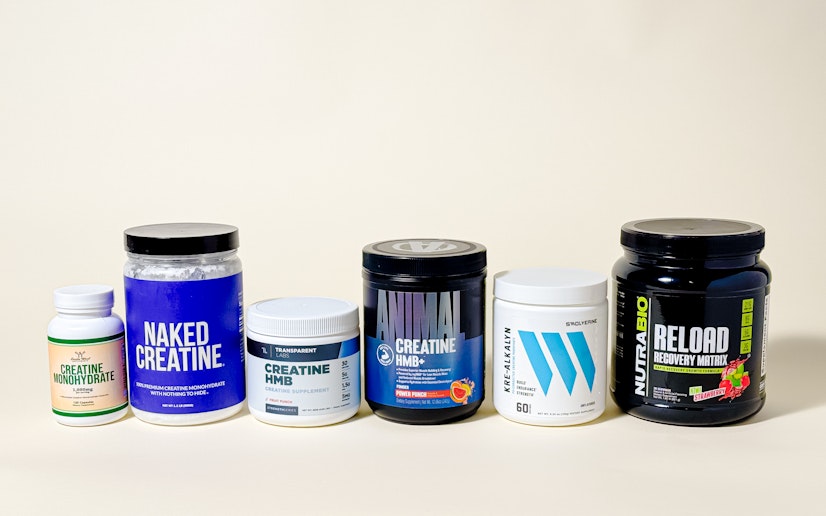
Photo by Innerbody Research
Whether you’re new to resistance training or you’re a seasoned bodybuilder, you have the same goal: building muscle. New lifters tend to have an easier time adding muscle than seasoned gymgoers, but both could benefit from certain supplements that can improve muscle growth with the same amount of work.1
One of the most well-researched and highly regarded supplements to that end is creatine, and if you’re in the seasoned bodybuilder camp, there’s a good chance you’re already taking it. If you’re not taking it yet, and you’re curious whether it could help you gain extra muscle, you’ll find that there are different forms of creatine and different recommendations for protocol, depending on whom you ask.
We took a hard look at the decades-long scientific track record creatine has established as an effective muscle builder, and we’ll use this guide to break down which forms and protocols are the best bets for your specific muscle-building goals.
Summary of recommendations
- Best overall: Animal Creatine HMB+
- Best cutting edge creatine: Swolverine Kre-Alkalyn
- Best tasting: Transparent Labs Creatine HMB
- Best to avoid GI issues: Swolverine Kre-Alkalyn
- Best capsule: Double Wood Creatine Monohydrate 1,000mg
- Best budget pick: Naked Nutrition Creatine
- Best post-workout recovery complex with creatine: NutraBio Reload

Animal delivers the right amounts of creatine and HMB at a fantastic price per serving.
There are 5g of creatine and 3g of HMB in every serving of Animal, aligning it best with scientific research into the positive effects of creatine for muscle growth. While only two flavor options may seem limiting, we found them to be among the tastiest. Add affordability and third-party testing for purity and potency, and you have a recipe for success. You can buy it directly from Animal or via iHerb, but buying direct saves you the most money through big subscription discounts. If you're prone to GI upset, we recommend Swolverine instead.
Jump to:
Why you should trust us
At Innerbody Research, we thoroughly research each and every product or service we recommend, including the creatine options for muscle growth you'll find in this guide. Our editorial team has devoted more than 2,000 hours to studying the science of hypertrophy and muscle growth, as well as the various nutritional interventions that may or may not improve muscle gains.
For this review alone, we read more than 50 scientific journal articles related to creatine and its alternatives. We also acquired a wide range of options from the top companies so we could relay to you hands-on testing information about things like efficacy, taste, and the customer experience.
Additionally, like all health-related content on this website, this guide was thoroughly vetted by one or more members of our Medical Review Board for accuracy and will continue to be monitored for updates by our editorial team.
Over the past two decades, Innerbody Research has helped tens of millions of readers make more informed decisions about staying healthy and living healthier lifestyles.
How we evaluated creatine supplements for muscle growth
To evaluate the top creatine options for muscle growth, we combined our deep dives into the scientific research with our firsthand customer experiences to compare products based on five key criteria:
- Effectiveness
- Safety
- Cost
- Taste
- Convenience
Performance in these categories ultimately led us to develop our recommendations. Let's take a closer look at each criterion to see how we landed at these selections.
Effectiveness
Advantage: Animal Creatine HMB+
A significant amount of scientific research has repeatedly shown that creatine improves lean muscle mass more than a placebo in controlled human trials. The sweet spot for most trials is between 3g and 6g daily, with or without a loading phase (5-10 days of higher creatine intake before reducing to around 3-6g daily).2 3 Some studies even use 10g of creatine, showing both muscle-building effects and the ability to improve cognition and general wellness.4 5 Those are pretty large doses, which is why so many creatine supplements are sold in powder form instead of as capsules.
In some cases, companies include an additional ingredient or two with some strong evidence for muscle growth. You might see BCAAs or other amino acids in some recovery powders, but these can introduce unpleasant flavors that make flavorings and sweeteners necessary for them to be palatable, and those added flavorings or sweeteners can have unintended effects. You might also encounter other forms of creatine than creatine monohydrate, but monohydrate has far and away the more impressive track record in clinical research.17
To maximize efficacy without much interference from other ingredients, Creatine HMB+ from Animal strikes an excellent balance between growth potential and a clean label. It includes creatine monohydrate and HMB, which stands for hydroxymethylbutyrate, a compound that can spur muscle growth by increasing muscle protein synthesis and stimulating the release of growth hormone and insulin-like growth factor-1.36
A majority of HMB studies looking at effects on strength and body composition used a dose of 3g/day, but some studies also saw success at as little as 1.5g/day, with or without creatine present.6 7 Animal delivers the full 3g dose of HMB alongside a 5g dose of creatine, making for the combination of doses with the best scientific support for muscle growth.
Transparent Labs has a similar product with a similar name, simply called Creatine HMB. It also delivers 5g of creatine per serving but only 1.5g of HMB, giving you enough to reliably see its additive effects when combined with creatine, though perhaps not as reliably as with Animal. That said, it’s a very close second, thanks to the ability to titrate up to a 10g creatine dose without overdoing it on HMB and its more numerous flavor options (13 compared to Animal’s 2).
Safety
Advantage: Naked Creatine
Creatine is one of the most widely studied workout supplements on the market, and the majority of research into its safety reveals no major concerns for average users maintaining a reasonable dose.8 It’s possible for some users to experience GI distress or muscle cramps, especially during a loading phase, but these are typically transient effects.9 Of course, if you experience GI discomfort during the loading phase or even at slightly lower maintenance doses of creatine, you may want to consider Swolverine’s Kre-Alkalyn. Its pH balance reduces creatine’s degradation to creatinine compared to traditional creatine, improving GI symptoms in sensitive users.
So, with creatine’s generally favorable safety profile, we chose to narrow down our safety consideration to single-ingredient supplements from companies with good safety track records. Naked Nutrition came out on top because it delivers a simple creatine-only supplement that’s manufactured in U.S.-based cGMP-certified labs and third-party tested for safety and purity.
Transparent Labs Creatine HMB is a close second here, as it boasts all of the same characteristics as Naked but isn’t a single-ingredient supplement. It contains HMB and, if you choose a flavored option, additional ingredients like citric acid, stevia, and natural flavors. We still give extra respect to Transparent Labs’ approach here, as the company lists the quantities of its “other” ingredients, which isn’t mandated by any labeling regulations. It’s a clear gesture of transparency from the company, and we haven’t seen any competitors emulate it.
Cost
Winner: Naked Creatine
Another benefit of Naked’s simple, creatine-only approach is that it’s very affordable. Creatine monohydrate is generally an affordable supplement, but Naked’s pricing is nearly as low as the bulk suppliers we often look to for deals on powdered supplements, but with a higher degree of testing and transparency behind it.
Here’s a look at how the costs break down per gram of creatine:
| Best possible price per container | Total grams of creatine per container | Lowest cost per gram of creatine | Other active ingredients | |
|---|---|---|---|---|
| Naked Nutrition Creatine | $32 | 1,000 | $0.03 | 0 |
| Transparent Labs Creatine HMB | $45 | 300 | $0.27 | 3 |
| Swolverine Kre-Alkalyn | $59 | 180 | $0.33 | 0 |
| Double Wood Creatine Capsules | $13 | 60 | $0.22 | 0 |
| Nutrabio Reload | $40 | 75 | $0.53 | 15 |
As you can see, none of the competitors come close to Naked for cost per gram of creatine. You also get an additional 10% off your first subscription order from Naked, giving you around a six-month supply of creatine powder at an exceptional price.
Taste
Advantage: Transparent Labs Creatine HMB
Creatine is pretty flavorless, and most powder options are micronized, so they dissolve nicely into just about any beverage you prefer. Some companies make flavored mixes of their creatine drinks, however, and these inform our test criterion. Accordingly, Swolverine’s Kre-Alkalyn and Double Wood’s creatine capsules aren’t really contenders for taste.
Transparent Labs beats out other flavored creatine supplements that our team has tried, both because the individual flavors have all tested well and because there are so many of them that there’s likely a flavor you’ll enjoy. Strawberry Lemonade, one of the first flavors the company released, remains a team favorite.
At the other end of the spectrum is Nutrabio, though a 1:1 comparison isn’t entirely fair. The inclusion of numerous other amino acids, which can add significantly to an unpleasant taste, is a lot for the company to overcome. It’s palatable enough if you’re determined to get the bounty of added ingredients it includes, but if your primary goal is to take in more creatine and use it to grow muscle, and flavor matters to you, you’ll want to stick with Transparent Labs.
Convenience
Advantage: Animal Creatine HMB+
This category was a tight split between Transparent Labs and Double Wood, with the latter making an appearance because its 500mg capsules offer a simple titration range with an easy-to-take pill — no need to mix a drink.
But the number of capsules necessary to achieve a meaningful dose for muscle growth is likely higher than most people would want to take daily. And keeping a few shaker bottles on-hand to make drinks is a good practice for any lifter also regularly consuming simple protein or mass gainer shakes, so it’s not hard to fit a creatine drink into the average gymgoer’s schedule or culture.
To that end, Animal takes a victory lap, mainly due to things like its enjoyable (if limited) flavors, flexible subscription options, and 90-day money-back guarantee.
How our top creatine picks compare
Here’s a quick breakdown of how our top picks compared when considering their most prominent characteristics:
What is creatine, and what are its benefits?
Creatine is an organic acid that your body forms from reactions utilizing three amino acids: arginine, glycine, and methionine. It’s also abundant in animal products, including red meat, poultry, and seafood. The average person makes about 1g of creatine internally and consumes around 1g from food.4
Creatine has been studied extensively for its potential to improve muscle strength and athletic performance, but its function reaches deeper than that, starting in cellular health and providing potential benefits for general wellness, brain health, and longevity.5 Research into cognitive performance includes a large narrative review from 2022 that reveals a roughly 4:1 ratio of positive to negative studies illustrating benefits for brain health.
On the longevity side, much of the focus is still muscle-related, as maintaining a certain baseline of muscle strength translates to healthier bone density and better balance. That can reduce the likelihood of falls and the intensity of injury therefrom — falls and their associated injuries being directly linked to a rapid decrease in both healthspan and lifespan.10
How does creatine affect muscle growth?
Creatine doesn’t necessarily spur muscle protein synthesis, causing new tissue to form the way dietary protein and proper recovery supplements can. But creatine supplementation still results in undeniable increases in skeletal muscle mass. That’s thanks largely to creatine’s role in how your muscles use water.
When you start taking creatine, it causes your muscle cells to take on extra water, forcing them to swell. If that’s all it did, the effect would mostly be smoke and mirrors; your muscles would look a little bigger, but they wouldn’t improve much in strength or functionality.2 However, research has shown two very compelling things about creatine supplementation over time.
For starters, when muscle cells swell with water, numerous complex mechanisms devoted to intracellular and extracellular water balance cause those cells to grow. Without this growth, all that added water could jeopardize the cells’ integrity.11 Further research has shown that long-term creatine supplementation does not upset water balance in the body, suggesting that once your cells adjust to that added water, they’re no longer in any danger.12 From that point, continued creatine supplementation, paired with appropriate training, can stimulate a cycle of moderate water swelling and growth in response, which increases muscle mass more than you’d see with training alone.
How much muscle can you grow from taking creatine?
Taking creatine on its own won’t do your musculature many favors, but combining it with resistance training should produce increased muscle and strength gains compared to training without supplemental creatine.13 Exactly how much of a difference is a factor at the whim of many variables, from previous training experience and current body composition to training style, duration, and accompanying diet.
That said, we can look at creatine study data in a vacuum and discuss the potential strength and lean mass increases that you could achieve under ideal conditions.
In untrained subjects
A recent review of creatine studies highlighted two studies in untrained participants that showed creatine supplementation could improve strength (the studies did not measure lean mass). One study showed that short-term high-dose supplementation at 20g/day for ten days could improve muscle power output in squats and bench presses.14 The other study stretched things out, providing participants with a weeklong loading phase followed by 0.07g/kg daily for 56 days (about 6g/day for a 200lb person).15 This study showed improved strength in leg presses, bench presses, and shoulder presses for the creatine group.
For people already in training
Creatine has been shown to be just as effective for people with a lot of training experience. One study from 2017 showed that doses of about 3g/day increased lean mass at five times the rate for the creatine group after just eight weeks.16 Another eight-week study employing a similar dose for 51 days (after a five-day loading phase) saw muscle mass in the arms and legs more than double in the creatine group compared to placebo.13
These themes repeat throughout the literature. Regardless of training level, creatine supplementation improves strength and increases muscle mass at rates greater than placebo. If you combine creatine supplementation with a good diet and training regimen, you can expect it to add anywhere from 200% to 500% more muscle than you’d get without it.
In practical terms, if you ate and worked out sufficiently to gain 1lb of muscle over 12 weeks without creatine, adding creatine could potentially turn that same effort into 2-5ibs of muscle.
What form of creatine should you take?
Creatine monohydrate is not perfect. It dissolves more poorly in water the colder the water is, and it’s susceptible to significant degradation depending on the temperature and pH of its solution and the time it spends there.17
Other forms of creatine have come out that try to account for this, including buffered forms that alter its pH to make it dissolve more thoroughly in cold water. Often, the problem with these forms isn’t that they aren’t likely to be as effective; it’s that they may very well be more effective for the reasons that they advertise. That makes accurate dosing a challenge in both loading and maintenance phases.
Still, there just isn’t enough research suggesting that they’re necessary. Even with its poor solubility and penchant for degradation, creatine monohydrate has, again and again, provided positive benefits to users in multiple clinical studies. A cursory PubMed search reveals more than 200 clinical trials studying creatine monohydrate in humans. No other form of creatine comes close.
So, with its excellent safety and efficacy profiles and its relatively low cost, creatine monohydrate remains king. If you experience GI distress from monohydrate, an alternative form may prove beneficial. But if you don’t, it likely isn’t worth the added cost.
The ideal creatine dose for muscle-building
According to the studies we’ve referenced, it appears that the ideal creatine dose for muscle-building lands somewhere between 0.03g/kg and 0.07g/kg of body weight each day.2 Since a 200lb person weighs about 90kg, that’s 2.7-6.3g daily.
This is why so many creatine supplements come in drink mixes rather than as capsules. The average large capsule might pack in around 500-750mg of creatine, necessitating up to a dozen daily capsules to reach the upper end of that range (even more if you’re already above 200lb). That said, the 0.03g/kg dose is often seen in muscle-building studies, while the doses closer to 6g/day tend to focus on strength. At the moment, that’s more an imbalance in the available research than evidence for one dose to be more or less effective than another. But if you want to follow the current science as closely as possible, the lower doses have a slight edge in data supporting muscle growth.
Do you need a loading dose for creatine?
Nearly every creatine study looking at strength and muscle growth uses a loading dose. This is a period at the outset of a study — usually 5-7 days — during which participants consume significantly more creatine than they will for the remainder of the study. Different studies use different lengths and intensities of loading phase, but the goal is the same: saturation.
It can take several weeks for creatine to increase water retention in your muscle cells to the point that it helps them grow. That’s why loading phases are helpful for study purposes; they decrease the amount of time it takes to get to meaningful data, making the study less expensive to perform and less onerous on participants.3
Large loading phase doses have also been shown to be safe in all of these studies, with potential GI effects among the only downsides.9 That means, if you can stomach it, a loading phase can jump-start creatine’s ability to help you build more muscle. Instead of waiting weeks for your body to catch up in creatine saturation before increased cell swelling can influence growth, you can experience beneficial effects starting at about five days into supplementation.
In other words, a loading phase is helpful for speeding up your results out of the gate, but it isn't strictly necessary.
Who benefits most from creatine for muscle growth?
Research indicates that younger people (under age 50) respond the best to creatine use for muscle growth.18 It also doesn’t appear to matter whether or not you have any experience in resistance training for creatine to offer athletic and size benefits.
So, anyone interested in improving their athletic performance or growing as much muscle as they can for the amount of work they’re doing would be wise to incorporate a daily creatine dose into their regimen.
Who might want to look elsewhere?
While participants under 50 years of age performed very well in creatine studies, research into supplementation for muscle growth and athletic performance in older populations has been underwhelming. For example, one study looking at relatively high doses (0.1-0.3g/kg/day) saw no meaningful improvements in the creatine group compared to placebo in a full suite of exercise measures.18 Another yearlong study, in participants between 49 and 67 taking 0.1g/kg/day, looked at bone density and muscle strength and found only one slight difference favoring the creatine group in a single measure of bone bending strength.37
This evidence points to the likelihood that supplemental creatine is less effective in older populations, though the reasons for this aren’t firmly established. So, if you’re around 50 or older, you might do better investigating alternatives. We have a dedicated alternatives section at the end of this guide to help you discover other options.
A small percentage of other people also don’t respond to creatine supplementation regardless of age. These so-called non-responders can take massive amounts of supplemental creatine and get no benefit. So, how can you know if you’ll respond to creatine or not?
How to determine if you’re a creatine non-responder
Taking a lot of creatine when you’re a non-responder isn’t especially unsafe, but it could be a waste of time and money you might direct elsewhere to help stimulate muscle growth. And since about 17% of people may be non-responders, it’s worth checking if you’re one of them at the outset.19
The best way to do this is to mimic the foundational study that identified and separated responders from non-responders. That study actually revealed that a similarly small percentage of people could be categorized as true responders, with the other 66% of the population falling into a spectrum between the two poles — what the study called quasi-responders.
If you want to mimic the study protocol to test your creatine response, you would first establish the maximum single-repetition lift you could perform on an incline leg press machine, then take creatine at a dose of 0.3g/kg/day for five days and repeat the leg press test. Responders saw their mean leg press maximum rise from around 300kg to around 325kg after five days. Non-responders saw no change in maximum weight.
Now, there are plenty of variables that could throw this off for you, and you don’t have the luxury of cross-referencing your leg press results with data from muscle biopsies like the study participants did. But it could give you initial insights into your creatine response. If you score poorly in this test and feel like continued supplementation over time isn’t giving you much benefit, you have some extra data indicating that it might be time to look elsewhere.
Is creatine safe for muscle growth?
Every indication from the scientific literature points toward a very favorable safety profile for creatine. In a 2017 paper written by the International Society of Sports Nutrition (SSN), and published in its scientific journal, study authors declared that government or athletic organizations that restrict or discourage creatine use are actually putting their athletes at greater risk of injury.38 So, not only does the ISSN think that creatine is safe, but they also think it’s unsafe for athletes to avoid it.
Research certainly backs up creatine’s safety profile, with studies in certain populations showing that doses up to 30g/day for up to six months are well-tolerated.20 The most common complaints about creatine, typically present during loading phases or long-term high-dose administration, are GI disturbances and muscle cramps.9 The former can be at least partially attributed to creatine’s rapid degradation to creatinine when mixed into water. Some products, like Swolverine’s Kre-Alkalyn, avoid this issue by pre-balancing their pH to reduce degradation from mixing and improve GI outcomes.
There’s anecdotal concern and some research-based evidence that large creatine doses can put some stress on the kidneys and liver, but direct research into these potential effects is lacking, and long-term high-dose research has not produced adverse effects in either organ system. That said, if you have kidney or liver disease or are at risk of either, creatine may present a hazard.
Ultimately, as with any new supplement, it’s wise to talk to your doctor before incorporating creatine into your daily life.
Animal Creatine HMB+
Best overall
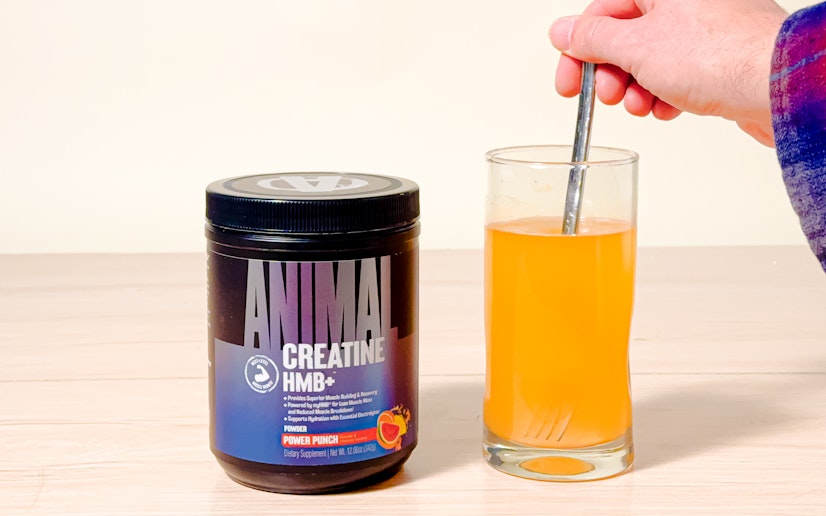
Photo by Innerbody Research
Pros
- Clinically relevant doses of both creatine and HMB in each serving
- Flavor options, while limited, are very tasty
- Third-party tested for purity and safety
- Also contains an electrolyte blend and vitamin D
- 90-day money-back guarantee
Cons
- A little pricier than a similar product from Transparent Labs
- Lab test results are not shared with consumers
- Only two flavor options
- High shipping cost for one-time orders ($10)
What makes Animal’s Creatine HMB+ our top overall pick isn’t especially complicated. It simply combines clinically relevant doses of both creatine and HMB into a tasty drink. There are still things we wish the company did better that competitors do with apparent ease, but the simple quality of this formula wins out over those considerations.
For example, Transparent Labs Creatine HMB used to have the honor of being our best overall pick in this guide, but its 1.5g HMB dose always left us wondering if another company would out-dose them. Animal recently did, despite not having the same reputation for or activity surrounding lab result transparency or consideration in the “other ingredients” section of a formula. However, Animal uses things like sucralose and artificial flavors. Transparent Labs does not. If that matters to you more than aligning as much as possible with relevant science, then you might prefer Transparent Labs.
But our testing team universally enjoyed the flavors Animal offered, even if they came with some less-than-ideal ingredients. And like Transparent Labs, Animal combines its creatine and HMB with an electrolyte blend to help with recovery and hydration after a hard workout.
Here’s a look at the full ingredient list:
- Creatine monohydrate: 5g
- HMB (as myHMB®): 3g
- Monopotassium phosphate: 100mg
- Sodium bicarbonate: 100mg
- Magnesium oxide: 25mg
- Sea salt: 250mg
- Vitamin D: 12.5mcg
Animal Creatine HMB+ pricing
Animal sells its Creatine HMB+ asa one-time purchase or on a subscription basis for the following prices:
| Price | Cost per dose (after shipping) | Shipping | |
|---|---|---|---|
| One-time | $49.95 | $2.00 | $10 |
| Subscription | $44.96 | $1.50 | Free |
As you can see, saving on a subscription with its attendant free shipping makes a significant difference in cost per dose.
Animal offers a 90-day money-back guarantee that’s tied for the longest in this guide with Nutrabio. That said, Nutrabio’s guarantee allows you to use the entirety of the product before returning it. By contrast, Animal mandates that at least 50% of the product be unused upon return, which seriously weakens the nature of the guarantee.
Naked Nutrition Creatine
Best budget pick

Photo by Innerbody Research
Pros
- Unflavored option is a simple, cost-effective choice
- 1kg tub provides 200 servings (5g each) per shipment
- Third-party tested for heavy metals and allergens
- Lab results on each product page
- Vegan-friendly and gluten-free
- Scoop is measured to 5g
- Dissolves very nicely in water
Cons
- Flavored versions increase cost
- No money-back guarantee
- Subscribers still have to pay shipping below a threshold
Naked Nutrition typically stands out in our guides as a purveyor of relatively simple supplements, often available in powder form with few to no additional ingredients. Its creatine monohydrate supplement fits nicely into that niche, with nothing present in its unflavored variety but the creatine itself, and even the flavored varieties only adding three ingredients to round out the taste. That’s great for those trying to avoid unnecessary additives, but it does raise some suspicion about cost when comparing flavored and unflavored creatine supplements from other brands.
For example, Transparent Labs charges the same for its flavored and unflavored Creatine HMB, but Naked Nutrition increases the price for its flavored creatine, despite the added ingredients being so few and so simple. Perhaps it’s that very simplicity that costs more, however, with ingredients like strawberry juice powder and fermented cane sugar likely being healthier (thus more expensive) than things like strawberry flavoring and sucralose.
All that said, the real draw to Naked Nutrition has to be the low price of its unflavored creatine monohydrate.
Naked pricing
Naked offers its unflavored creatine in a 1kg or 500g tub, with 500g being the only size option for its flavored varieties. Here’s how costs compare across flavor options and subscription statuses:
| 1kg tub | 500g tub | Flavored 500g tub | |
|---|---|---|---|
| One-time | $35.99 | $21.99 | $29.99 |
| Subscription | $28.79 | $17.59 | $23.99 |
| One-time cost per dose | $0.18 | $0.22 | $0.30 |
| Subscription cost per dose | $0.14 | $0.18 | $0.24 |
Subscribing to the 1kg tub gets you a cost-per-gram of creatine that’s roughly one-tenth what you’d pay for Transparent Labs Creatine HMB (though you wouldn’t get the other ingredients that Transparent Labs provides).
Shipping is only free from Naked Nutrition on orders over $99. Double Wood, Transparent Labs, and Swolverine all offer free shipping to subscribers, but not Naked (or Nutrabio). Naked is also the only company in this guide that lacks any kind of money-back guarantee. As soon as you open your container, the sale is final.
With that in mind, Naked might be best suited for people who’ve already determined that a bulk quantity of unflavored creatine is the right move for them, as they can invest in a large enough quantity to qualify for free shipping (or, of course, combine that creatine with other products).
Transparent Labs Creatine HMB
Best tasting
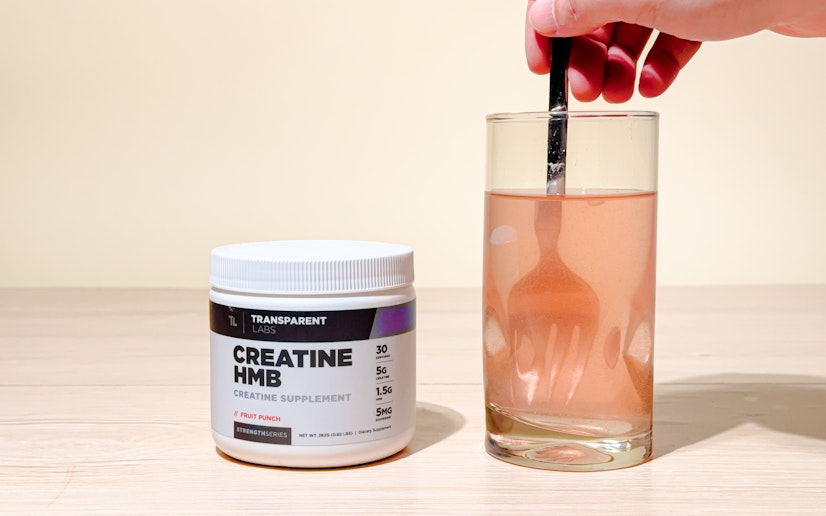
Photo by Innerbody Research
Pros
- Combines a therapeutic dose of creatine with HMB, a known muscle builder
- 13 total flavor options (including unflavored)
- Includes BioPerine for enhanced nutrient absorption
- Lists quantities of all ingredients (including “other” ingredients)
- Third-party tested, with available COAs
- Subscribers save 10% and get free shipping
- 45-day money-back guarantee
- Available in tubs or travel-friendly stick packs
Cons
- HMB dose is a little low compared to research
- Stick packs negatively impact cost per dose
- Small tub is the only way to get all flavor options
Transparent Labs offers a wide selection of supplements aimed at improving muscle mass and athletic performance, with numerous products that have made it into the upper echelons of our guides through the years. Its Creatine HMB has made appearances in guides devoted to recovery, muscle-building, and more, thanks largely to its effective doses of well-studied ingredients and its numerous flavor options.
Here’s a look at the ingredient bill of its Creatine HMB:
- Creatine monohydrate: 5g
- β-hydroxy β-methylbutyrate (HMB): 1.5g
- BioPerine: 5mg
- Vitamin D: 12.5mcg
- Calcium: 200mg
That 5g creatine dose should be enough for most people under 200lb to experience its beneficial effects for muscle growth. However, a 3g HMB dose — twice the 1.5g per serving in Creatine HMB — would have been a better partner here, as studies typically use that amount to see benefits.6 There are some 1.5g studies that show success, but they’re the minority. That said, there isn’t really a downside to doubling the dose of this supplement to achieve that greater HMB dose and see an uptick in creatine consumption, other than the increased expense.7
You also get 5mg of BioPerine per dose, a branded black pepper fruit extract that’s been shown to increase nutrient absorption in numerous studies looking at various ingredients.21 It’s unclear how much it would influence that HMB dose, though it’s highly doubtful that it would double the efficacy.
Rounding out the formula is a modest amount of vitamin D. A 12.5mcg dose isn’t enormous, but it may help stave off deficiency, which has been associated with things like decreased testosterone levels.22 That all makes for a much more robust formula than the simple creatine-only offerings from Naked and Swolverine, but it’s not quite as comprehensive as the recovery formula from Nutrabio.
Creatine HMB pricing
Creatine HMB is available in 30- and 60-serving tubs or as a 15-pack of convenient single-serving travel packs. Any of those is available as a one-time purchase or as a subscription, which knocks off 10% and unlocks free shipping. Here’s what all that looks like:
| 30-serving tub | 60-serving tub | 15-pack stick packs | |
|---|---|---|---|
| One-time | $49.99 | $89.99 | $29.99 |
| Subscription | $44.99 | $80.99 | $26.99 |
| One-time cost per dose | $1.67 | $1.50 | $2.00 |
| Subscription cost per dose | $1.50 | $1.35 | $1.80 |
As you can see, subscribing to the 60-serving tub gets you the best cost per serving, but the 60-serving tub and stick packs are only available in unflavored and Blue Raspberry varieties, while the 30-serving tub comes in all 13 flavors.
If you don't subscribe, the free shipping threshold is $99, which you can reach by purchasing more products, including pre-fabricated stacks for muscle-building and recovery that contain creatine HMB. Transparent Labs also offers the second-longest guarantee in our guide, with a 45-day policy that’s half of the 90-day offerings from Animal and Nutrabio.
Double Wood Creatine Monohydrate 1,000mg
Best capsule
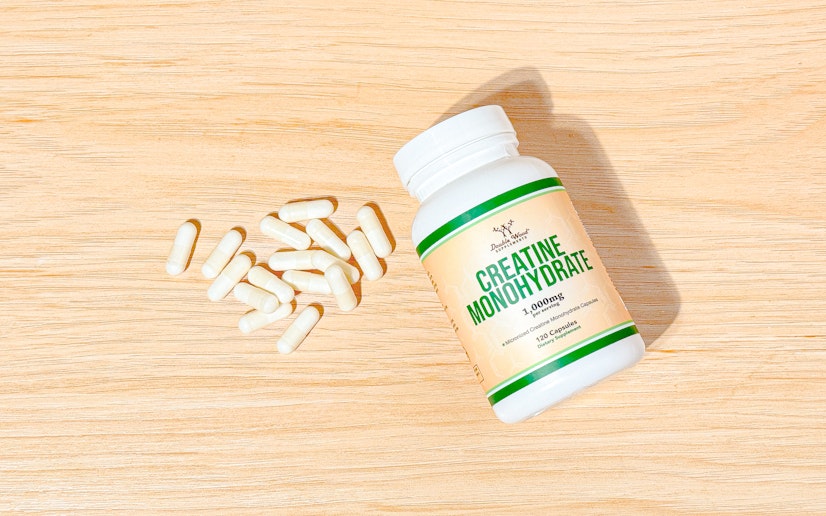
Photo by Innerbody Research
Pros
- 500mg of creatine in each pill
- Easy to titrate up or down
- Third-party tested with results on the product page
- Bulk and subscription savings available
- Vegan, gluten-free, and non-GMO
Cons
- Capsule form has very little presence in research
- Third-party testing is limited to presence and quantity (no additional safety measures)
- Loading phase is impractical (20-60 capsules per day)
If you're determined to take your creatine in capsule form, Double Wood presents a simple option at a good value, especially if you opt for a subscription to a multipack. Third-party testing and vegan-friendly capsules also help separate it from the competition.
Creatine capsules are probably better for people who weigh a little less, as an ideal dose for muscle growth in a 200lb person is between 3g and 6g per day.2 At the low end of that, all you’d need is three capsules per day, and weighing less just keeps you more in line with strength and athletic performance research.
The big downside here comes during the loading phase, a period lasting 5-7 days and usually involving between 10g and 30g of creatine per day, which translates to an impractical number of capsules by the end of the week — you could burn through an entire bottle in two days!3 So, this product is better for lower-dose maintenance after a loading phase or for those who prefer to skip the loading phase and drop straight into maintenance.
Double Wood pricing
Double Wood offers both subscription and bulk savings on many of its products, including its creatine capsules. Here’s how the savings line up:
| Price | Cost per bottle | Cost per dose | |
|---|---|---|---|
| One bottle, one time | $19.95 | $19.95 | $0.33 |
| One bottle, subscription | $15.96 | $15.96 | $0.27 |
| Two bottles, one time | $34.95 | $17.48 | $0.29 |
| Two bottles, subscription | $27.96 | $13.98 | $0.23 |
| Three bottles, one time | $49.95 | $16.65 | $0.28 |
| Three bottles, subscription | $39.96 | $13.32 | $0.22 |
As you can see, the best cost per dose comes from subscribing to the three-bottle pack, and you can set your subscription interval for 30, 60, 90, or 180 days for added convenience. Shipping is free for subscribers or orders over $30 — a significant reduction in free-shipping threshold compared to the other options in this guide.
Double Wood has the shortest money-back guarantee in our guide, at 30 days, but it’s still more than the nonexistent guarantees from Swolverine and Naked.
Swolverine Kre-Alkalyn
Best creatine monohydrate alternative
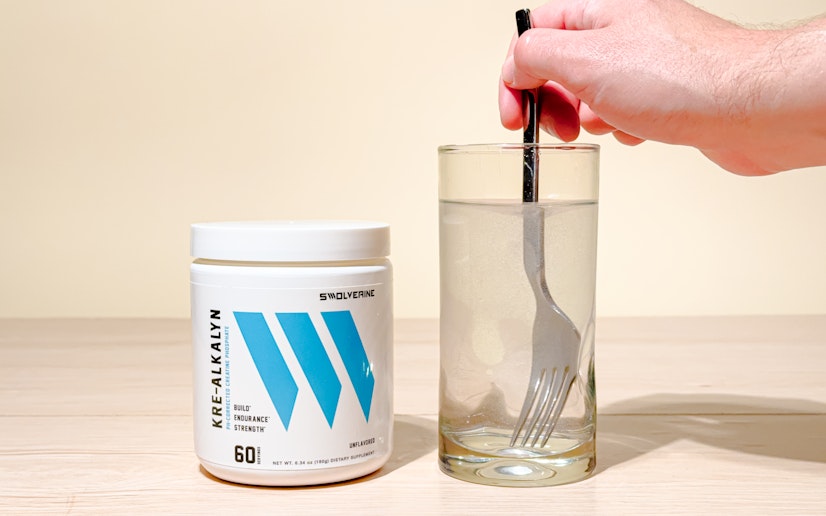
Photo by Innerbody Research
Pros
- Altered pH may improve solubility and stability
- Gluten-free, vegan, and non-GMO
- Custom stack builder unlocks additional savings
Cons
- Product is often sold out
- Head-to-head research still favors monohydrate
- Pro-Kre-Alkalyn research has some conflicts of interest
- No money-back guarantee
Swolverine is a woman-owned company that offers a wide range of muscle-building, recovery, and athletic enhancement products, including a traditional creatine monohydrate. But the company is also one of the few out there offering Kre-Alkalyn, a pH-altered form of creatine intended to increase solubility and improve absorption.
For people interested in something on the cutting edge that might give them a minor advantage in the balance between positive effects and potential adverse effects, Kre-Alkalyn might make a good choice. The difficulty is that the research picture is mixed, at best.
For example, it’s known that creatine dissolves poorly in cold water, and acidic environments cause it to degrade quickly.17 So, Kre-Alkalyn comes with an altered pH to make it more alkaline and balance out the pH of the solution it forms. That could improve solubility and stability while reducing GI discomfort during the loading phase.9
That said, there’s extremely scarce evidence supporting Kre-Alkalyn’s advertised ability to work better than monohydrate. In fact, head-to-head research shows nearly identical results between the two forms.23
Ultimately, Kre-Alkalyn is a good alternative to monohydrate for anyone who starts a loading phase with traditional monohydrate and experiences GI distress. You could load using Kre-Alkalyn, then go back to monohydrate at the maintenance dose to see if that’s more tolerable. If not, you’re stuck paying more than other people for effective creatine. If monohydrate at a maintenance dose doesn’t upset your stomach, you’re probably better off with it in the long run.
Kre-Alkalyn pricing
A single 60-serving tub of Kre-Alkalyn costs $69.99, and subscribing knocks off 15%. Here’s what that looks like:
| Price | Cost per 3g dose | |
|---|---|---|
| One-time purchase | $69.99 | $1.17 |
| Subscription | $59.49 | $0.99 |
Compared to monohydrate products like Naked Creatine, this is significantly more expensive. Fortunately, subscribing unlocks free shipping, so the savings can add up a little. Unfortunately, Swolverine, like Naked, doesn’t offer any kind of money-back guarantee — something the other three companies in this guide all provide.
Nutrabio Reload
Best post-workout recovery complex with creatine
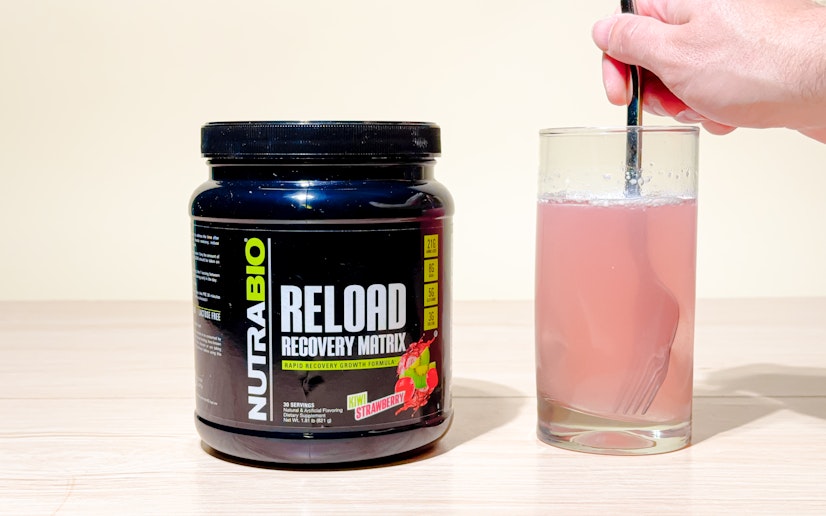
Photo by Innerbody Research
Pros
- More than a dozen ingredients to support recovery and muscle growth
- Includes 8g of BCAAs
- Also has an electrolyte mix to improve hydration and creatine function
- Relatively inexpensive compared to some creatine-only options
Cons
- Doesn't taste very good
- Creatine dose is on the lower end
- Hard to titrate and impossible to load due to other ingredients
- Scoop is inaccurate to serving size
Among creatine-focused recovery supplements, Nutrabio Reload is one of the best we’ve seen, coming from a company that makes it pretty easy to check third-party test results for your specific batch.
Thanks to a roughly 3g creatine dose split between 2.5g monohydrate and 460mg of creatine from a 500mg dose of magnesium creatine chelate, Reload just barely makes it up to the lower end of dosing used in creatine research for muscle growth and strength training. Fortunately, its other ingredients do a lot of heavy lifting to improve recovery and spur additional growth.
Here’s a full look at the ingredient bill:
- Calcium: 60mg
- Phosphorus: 81mg
- Magnesium: 40mg
- Sodium: 50mg
- L-Leucine: 4g
- L-Isoleucine: 2g
- L-Valine: 2g
- Betaine anhydrous (TMG): 2.5g
- Creatine monohydrate: 2.5g
- Beta-alanine: 1.6g
- Magnesium creatine chelate: 500mg
- L-Glutamine: 5g
- L-carnitine L-tartrate: 1.5g
- L-Ornithine HCL: 500mg
- Glycine: 500mg
- Taurine: 1.5g
- Calcium phosphate: 176mg
- Sodium phosphate: 157mg
- Potassium phosphate: 102mg
To understand how some of these ingredients can improve growth and recovery, let’s look at the top players among them:
BCAAs
There’s some controversy over whether BCAAs can increase muscle protein synthesis, as more than those three amino acids are involved in muscle-building.24 But a more recent review of studies illustrated a reduction in delayed-onset muscle soreness (DOMS), which means BCAAs may allow you to train harder and be ready for training again sooner.25 So, BCAAs might not spur growth themselves, but their consumption can prime you to put in the work necessary to increase muscle growth.
Glutamine
Like BCAAs, glutamine is an amino acid involved in muscle protein synthesis, but by no means solely responsible for it. It’s also been linked to decreased DOMS, but along with increases in peak power, especially in men.26 And a study in combat sport athletes found that a daily dose equal to about 6g for a 200lb person could improve immunity and hormonal markers.27 Taken together, that could help prevent the dreaded “sickness lapse,” when a week-long illness throws a wrench into your training.
Betaine (TMG)
Betaine is a methyl donor critical for cellular energy production, and research into its muscle-building and strength-enhancing effects shows that 2.5g/day can increase both power output and muscle size in certain exercises and body parts.28
Clearly, Reload’s combination of ingredients is designed to offer improvements in both recovery and growth more so than the average creatine-only supplement is.
The big drawback here is taste, however. Its flavor is both intense and non-descript, a blend of medicinal bitterness and artificial tanginess with a hint of human hair. Oddly, our testers all reported getting used to it after about ten servings, with smaller quantities of water (around 8oz per serving) delivering a more palatable drink (and less of it!) than more diluted efforts.
Insider Tip: When our testers measured out one level scoop of Reload, we found it contained a little over 29g of powder, when the serving size is just 27.63g. You may only get 28-29 practical servings out of a 30-serving tub if you don’t slightly under-fill the scoop or use a scale for each dose.
Nutrabio Reload pricing
For its impressive ingredient list, Reload is well-priced. A one-time purchase is just $44.99, with a 10% discount for subscribers at just $40.49. Unfortunately, there’s no free shipping for subscribers or orders under $99, meaning you’ll have to tack on an extra $9 to that cost if you don’t buy more than a single bottle.
Fortunately, Nutrabio offers the longest money-back guarantee in our guide (tied with Animal). The company calls it “Forever Returns,” effectively combining the subtitles of two lesser Batman films.
In truth, you can get your money back for up to 90 days, after which your purchase is only eligible for exchanges. That’s still the best money-back guarantee in this guide, but Nutrabio’s wording could be more forthright.
Alternatives to creatine for muscle growth
Creatine is the gold standard for sports supplementation, but alternatives exist. In many cases, these can accompany and complement a creatine regimen, and each one boasts a very positive research profile.
Mass gainers and recovery supplements
Nutrabio Reload, one of the entries in this guide, is technically a recovery supplement, but it’s not a mass gainer. Part of the nutrient equation required to add muscle is a minimum of caloric excess above your activity level and basal metabolic rate. Mass gainers are excellent at providing a balance of nutrients and a large caloric load, essentially rolling the best parts of a good recovery supplement and a powerful protein powder into one densely caloric beverage.
For example, Naked Nutrition, apart from its creatine, also makes a mass gainer product called Naked Mass, which is rated as the top product in our guide to recovery supplements. That’s because it provides a modest caloric load along with a macronutrient balance closer to what’s been shown most effective in nutrition-based muscle growth research than any of its competitors.29
With a mass gainer like that, you get a full suite of all 20 essential and nonessential amino acids at levels that dedicated EAA and BCAA supplements would provide, but you also get plenty of calories delivered with well-balanced macros.
Peptide therapy
While GLP-1 receptor agonists like Wegovy and Ozempic grab headlines for their use in managing body fat, they’re just one of several dozen peptides slowly making their way to market with significant body recomposition potential. Another injectable peptide, tesamorelin, is gradually becoming more available through reputable online pharmacies and telemedical outlets. And research indicates it can spur muscle growth by mimicking the activity of your natural growth hormones.30
That said, a readily accessible and well-studied peptide is already available everywhere from online retailers to your local CVS, and you don’t need a needle to take it: collagen peptides. Collagen peptides are among the few peptide therapies that are orally bioavailable, so you don’t need to inject them to maximize efficacy. And research indicates that combining them with resistance training offers more potential for increased body mass, fat-free mass (muscle), and strength than training alone.31
We have a comprehensive guide to peptides for muscle growth that can help you pick the right brand for you.
Dietary adjustments
Training alone isn’t enough to build muscle. Diet is absolutely critical, both in caloric load and macronutrient balance. On the calorie side, research has shown positive benefits from an energy surplus ranging from around 100 extra calories per day up to 1,000.32 The key is to evaluate your metabolism as closely as possible and adjust your caloric intake to slightly exceed the burn you get from your weight training. For example, if your activity level and base metabolic rate together burn around 2,500 calories per day, and your weight training routine burns around 500 calories per day, you’d want to consume slightly over 3,000 calories per day to gain muscle mass. This is a delicate balance, though, as too much overfeeding (over 15% above expenditure) can increase both muscle and fat, necessitating a cutting phase after you bulk.33
Then, there’s the macronutrient balance. Aside from water, which constitutes about 70% of muscle, the rest is mostly protein, making dietary protein the focus of most muscle-building efforts.32 But balanced macronutrients can improve both muscle protein synthesis and recovery, making fats and carbs essential parts of the equation, as well.
There’s a lot of noise around protein requirements, but the science is pretty clear. Some of the best research on the subject to date recommends a macronutrient balance of 55-60% carbs, 25-30% protein, and 15-20% fats when training to gain muscle.32 Protein and carbs provide about 4cal/g, with fat providing around nine calories per gram. Based on the same 3,000-calorie example from above, that would put your daily protein requirements somewhere between 188g and 225g per day. For most men, that’s about 1g per pound of body weight.
Creatine for muscle growth FAQ
Sources
Innerbody uses only high-quality sources, including peer-reviewed studies, to support the facts within our articles. Read our editorial process to learn more about how we fact-check and keep our content accurate, reliable, and trustworthy.
Ahtiainen, J. P., Pakarinen, A., Alen, M., Kraemer, W. J., & Häkkinen, K. (2003). Muscle hypertrophy, hormonal adaptations and strength development during strength training in strength-trained and untrained men. European Journal of Applied Physiology, 89(6), 555-563.
Candow, D. G., Ostojic, S. M., Forbes, S. C., & Antonio, J. (2024). Does one dose of creatine supplementation fit all? Advanced Exercise and Health Science, 1(2), 99-107.
Hultman, E., Söderlund, K., Timmons, J. A., Cederblad, G., & Greenhaff, P. L. (1996). Muscle creatine loading in men. Journal of Applied Physiology (Bethesda, Md.: 1985), 81(1), 232-237.
Cooper, R., Naclerio, F., Allgrove, J., & Jimenez, A. (2012). Creatine supplementation with specific view to exercise/sports performance: An update. Journal of the International Society of Sports Nutrition, 9, 33.
Forbes, S. C., Cordingley, D. M., Cornish, S. M., Gualano, B., Roschel, H., Ostojic, S. M., Rawson, E. S., Roy, B. D., Prokopidis, K., Giannos, P., & Candow, D. G. (2022). Effects of Creatine Supplementation on Brain Function and Health. Nutrients, 14(5), 921.
Wilson, G. J., Wilson, J. M., & Manninen, A. H. (2008). Effects of beta-hydroxy-beta-methylbutyrate (HMB) on exercise performance and body composition across varying levels of age, sex, and training experience: A review. Nutrition & Metabolism, 5, 1.
Nissen, S., Sharp, R., Ray, M., Rathmacher, J. A., Rice, D., Fuller, J. C., Jr, Connelly, A. S., & Abumrad, N. (1996). Effect of leucine metabolite beta-hydroxy-beta-methylbutyrate on muscle metabolism during resistance-exercise training. Journal of Applied Physiology (Bethesda, Md.: 1985), 81(5), 2095-2104.
Kreider, R. B., Gonzalez, D. E., Hines, K., Gil, A., & Bonilla, D. A. (2025). Safety of creatine supplementation: Analysis of the prevalence of reported side effects in clinical trials and adverse event reports. Journal of the International Society of Sports Nutrition, 22(Suppl 1), 2488937.
Poortmans, J. R., & Francaux, M. (2000). Adverse effects of creatine supplementation: fact or fiction?. Sports Medicine (Auckland, N.Z.), 30(3), 155-170.
Candow, D. G., Forbes, S. C., Chilibeck, P. D., Cornish, S. M., Antonio, J., & Kreider, R. B. (2019). Effectiveness of Creatine Supplementation on Aging Muscle and Bone: Focus on Falls Prevention and Inflammation. Journal of Clinical Medicine, 8(4), 488.
Lang, F., Busch, G. L., Ritter, M., Völkl, H., Waldegger, S., Gulbins, E., & Häussinger, D. (1998). Functional significance of cell volume regulatory mechanisms. Physiological Reviews, 78(1), 247-306.
Ribeiro, A. S., Avelar, A., Kassiano, W., Nunes, J. P., Schoenfeld, B. J., Aguiar, A. F., Trindade, M. C. C., Silva, A. M., Sardinha, L. B., & Cyrino, E. S. (2020). Creatine Supplementation Does Not Influence the Ratio Between Intracellular Water and Skeletal Muscle Mass in Resistance-Trained Men. International Journal of Sport Nutrition and Exercise Metabolism, 30(6), 405-411.
Burke, R., Piñero, A., Coleman, M., Mohan, A., Sapuppo, M., Augustin, F., Aragon, A. A., Candow, D. G., Forbes, S. C., Swinton, P., & Schoenfeld, B. J. (2023). The Effects of Creatine Supplementation Combined with Resistance Training on Regional Measures of Muscle Hypertrophy: A Systematic Review with Meta-Analysis. Nutrients, 15(9), 2116.
del Favero, S., Roschel, H., Artioli, G., Ugrinowitsch, C., Tricoli, V., Costa, A., Barroso, R., Negrelli, A. L., Otaduy, M. C., da Costa Leite, C., Lancha-Junior, A. H., & Gualano, B. (2012). Creatine but not betaine supplementation increases muscle phosphorylcreatine content and strength performance. Amino Acids, 42(6), 2299-2305.
Kaviani, M., Abassi, A., & Chilibeck, P. D. (2019). Creatine monohydrate supplementation during eight weeks of progressive resistance training increases strength in as little as two weeks without reducing markers of muscle damage. The Journal of Sports Medicine and Physical Fitness, 59(4), 608-612.
Nunes, J. P., Ribeiro, A. S., Schoenfeld, B. J., Tomeleri, C. M., Avelar, A., Trindade, M. C., Nabuco, H. C., Cavalcante, E. F., Junior, P. S., Fernandes, R. R., Carvalho, F. O., & Cyrino, E. S. (2017). Creatine supplementation elicits greater muscle hypertrophy in upper than lower limbs and trunk in resistance-trained men. Nutrition and Health, 23(4), 223-229.
Jäger, R., Purpura, M., Shao, A., Inoue, T., & Kreider, R. B. (2011). Analysis of the efficacy, safety, and regulatory status of novel forms of creatine. Amino Acids, 40(5), 1369.
Chami, J., & Candow, D. G. (2018). Effect of Creatine Supplementation Dosing Strategies on Aging Muscle Performance. The Journal of Nutrition, Health & Aging, 23(3), 281.
Syrotuik, D. G., & Bell, G. J. (2004). Acute creatine monohydrate supplementation: a descriptive physiological profile of responders vs. nonresponders. Journal of Strength and Conditioning Research, 18(3), 610-617.
Bender, A., & Klopstock, T. (2016). Creatine for neuroprotection in neurodegenerative disease: end of story?. Amino Acids, 48(8), 1929-1940.
Badmaev, V., Majeed, M., & Norkus, E. P. (1999). Piperine, an alkaloid derived from black pepper increases serum response of beta-carotene during 14-days of oral beta-carotene supplementation. Nutrition Research, 19(3), 381-388.
Monson, N. R., Klair, N., Patel, U., Saxena, A., Patel, D., Ayesha, I. E., & Nath, T. S. (2023). Association Between Vitamin D Deficiency and Testosterone Levels in Adult Males: A Systematic Review. Cureus, 15(9), e45856.
Jagim, A. R., Oliver, J. M., Sanchez, A., Galvan, E., Fluckey, J., Riechman, S., Greenwood, M., Kelly, K., Meininger, C., Rasmussen, C., & Kreider, R. B. (2012). A buffered form of creatine does not promote greater changes in muscle creatine content, body composition, or training adaptations than creatine monohydrate. Journal of the International Society of Sports Nutrition, 9, 43.
Wolfe, R. R. (2017). Branched-chain amino acids and muscle protein synthesis in humans: Myth or reality? Journal of the International Society of Sports Nutrition, 14, 30.
Weber, M. G., Dias, S. S., de Angelis, T. R., Fernandes, E. V., Bernardes, A. G., Milanez, V. F., Jussiani, E. I., & de Paula Ramos, S. (2021). The use of BCAA to decrease delayed-onset muscle soreness after a single bout of exercise: a systematic review and meta-analysis. Amino Acids, 53(11), 1663-1678.
Legault, Z., Bagnall, N., & Kimmerly, D. S. (2015). The Influence of Oral L-Glutamine Supplementation on Muscle Strength Recovery and Soreness Following Unilateral Knee Extension Eccentric Exercise. International Journal of Sport Nutrition and Exercise Metabolism, 25(5), 417-426.
Lu, L., Zheng, C., Suzuki, K., Lu, C., Wang, Y., & Fang, H. (2024). Supplementation of L-glutamine enhanced mucosal immunity and improved hormonal status of combat-sport athletes. Journal of the International Society of Sports Nutrition, 21(1), 2300259.
Cholewa, J. M., Wyszczelska-Rokiel, M., Glowacki, R., Jakubowski, H., Matthews, T., Wood, R., Craig, S. A., & Paolone, V. (2013). Effects of betaine on body composition, performance, and homocysteine thiolactone. Journal of the International Society of Sports Nutrition, 10, 39.
Ivy, J. L. (2004). Regulation of Muscle Glycogen Repletion, Muscle Protein Synthesis and Repair Following Exercise. Journal of Sports Science & Medicine, 3(3), 131.
Adrian, S., Scherzinger, A., Sanyal, A., Lake, J., Falutz, J., Dubé, M., Stanley, T., Grinspoon, S., Mamputu, C., Marsolais, C., Brown, T., & Erlandson, K. M. (2018). The Growth Hormone Releasing Hormone Analogue, Tesamorelin, Decreases Muscle Fat and Increases Muscle Area in Adults with HIV. The Journal of Frailty & Aging, 8(3), 154.
Oertzen-Hagemann, V., Kirmse, M., Eggers, B., Pfeiffer, K., Marcus, K., & Platen, P. (2019). Effects of 12 Weeks of Hypertrophy Resistance Exercise Training Combined with Collagen Peptide Supplementation on the Skeletal Muscle Proteome in Recreationally Active Men. Nutrients, 11(5), 1072.
Slater, G. J., Dieter, B. P., Marsh, D. J., Helms, E. R., Shaw, G., & Iraki, J. (2019). Is an Energy Surplus Required to Maximize Skeletal Muscle Hypertrophy Associated With Resistance Training. Frontiers in Nutrition, 6, 131.
Lambert, C. P., Frank, L. L., & Evans, W. J. (2004). Macronutrient considerations for the sport of bodybuilding. Sports Medicine (Auckland, N.Z.), 34(5), 317-327.
Ribeiro, F., Longobardi, I., Perim, P., Duarte, B., Ferreira, P., Gualano, B., Roschel, H., & Saunders, B. (2021). Timing of Creatine Supplementation around Exercise: A Real Concern? Nutrients, 13(8), 2844.
Williamson, L., & New, D. (2014). How the use of creatine supplements can elevate serum creatinine in the absence of underlying kidney pathology. BMJ Case Reports, 2014, bcr2014204754.
Kaczka, P., Michalczyk, M. M., Jastrząb, R., Gawelczyk, M., & Kubicka, K. (2019). Mechanism of Action and the Effect of Beta-Hydroxy-Beta-Methylbutyrate (HMB) Supplementation on Different Types of Physical Performance - A Systematic Review. Journal of Human Kinetics, 68, 211.
Candow, D. G., Chilibeck, P. D., Gordon, J., Vogt, E., Landeryou, T., Kaviani, M., & Paus-Jensen, L. (2021). Effect of 12 months of creatine supplementation and whole-body resistance training on measures of bone, muscle and strength in older males. Nutrition and Health. 27(2).
Buford, T. W., Kreider, R. B., Stout, J. R., Greenwood, M., Campbell, B., Spano, M., Ziegenfuss, T., Lopez, H., Landis, J., & Antonio, J. (2007). International Society of Sports Nutrition position stand: Creatine supplementation and exercise. Journal of the International Society of Sports Nutrition, 4, 6.

Copyright © Innerbody Research 1997 - 2025. All Rights Reserved.