Best Female Hormone Balance Supplements
We did the research and testing — find out if a hormone balance supplement is be the solution to your bothersome symptoms.

Photo by Innerbody Research
Female hormone fluctuations can run the gamut from frustrating to debilitating — and they’re extremely common. More than 90% of women experience at least some premenstrual symptoms, and all women assigned female at birth (AFAB) will eventually go through the hormonal shifts associated with menopause.1 2
If you’re looking for a way to manage your symptoms, a female hormone balance supplement may be able to help. Whether you’re seeking support for a specific concern or for better female hormone health in general, our research and testing led us to six standout options.
For those in a hurry, check out our summary of recommendations below. Otherwise, read on to learn more about how we chose our top picks.
Summary of recommendations
- Best for general female hormone support: Ritual Women’s Multivitamin
- Best for PMS: Thorne Meta-Balance
- Best for PMDD: Triquetra Health Plant 5-HTP
- Best for PCOS: Wholesome Story Myo-Inositol & D-Chiro Inositol Capsules
- Best for endometriosis: Nordic Naturals Ultimate Omega + Curcumin
- Best for perimenopause: Elevate Organic Shatavari Capsules
- Best for menopause symptoms: Thorne Meta-Balance

Studies show that nearly all of the vitamins and minerals in Ritual’s formulas contribute to proper hormone balance in women.
Ritual isn’t the least expensive supplement brand, but when you buy from this company, you’re buying products whose ingredients are traceable to their origins and provided in quantities that can make a difference without becoming excessive. This full-picture approach to safety and effectiveness made Ritual’s Women’s Multi our top overall pick. You can buy it directly from Ritual or from the company’s store on Amazon, but you can save more money by buying it directly on Ritual.
Jump to:
Why you should trust us
Over the past two decades, Innerbody Research has helped tens of millions of readers make more informed decisions involving staying healthy and living healthier lifestyles.
For our guide to the best female hormone balance supplements, we pored over 80+ studies, journals, and other academic literature on the multitude of ways female hormone fluctuations or changes can impact your health and well-being. We also thoroughly investigated the currently available data on the use of supplements for these concerns and applied that knowledge to inform our picks. On top of that, our team purchased the products we chose in order to gather useful information about the customer experience.
Additionally, like all health-related content on this website, this review was thoroughly vetted by one or more members of our Medical Review Board for accuracy.
How we evaluated supplements for female hormone balance
When evaluating supplements for female hormone support, we considered a handful of essential criteria, including how effective, safe, costly, and convenient they are. Though all of our picks performed well overall, some stood out from the crowd in certain ways. The following sections break down the details of how our picks fared.
Effectiveness
Advantage: Wholesome Story Myo-Inositol & D-Chiro Inositol Capsules
When it comes to female hormone balance supplements, certain supplements and ingredients have been more heavily studied than others. While all of our picks contain ingredients with at least some scientific support, Wholesome Story’s Inositol Capsules (with vitamin D and folate) have a particularly strong evidence base for women dealing with polycystic ovary syndrome (PCOS).
Inositol, in particular, is one of the most studied supplemental ingredients for PCOS, with clinical research suggesting it may help support ovulation, insulin sensitivity, and overall symptom management.5 90 Wholesome Story’s formula delivers myo-inositol and D-chiro-inositol in a 40:1 ratio — the same balance commonly used in research and associated with improvements in ovulatory function in some patients.6 It also includes methylfolate, which may offer additional support by helping regulate inflammation and oxidative stress, both of which are often elevated in PCOS.7
When it comes to the effectiveness of our other picks:
- The 5-HTP in Triquetra may support serotonin production and could help with mood-related symptoms associated with premenstrual dysphoric disorder (PMDD).8
- The Pycnogenol in Thorne Meta-Balance has been shown in some studies to reduce hot flashes, night sweats, and other menopausal symptoms.9 Similarly, Shatavari, the primary ingredient in Elevate Organic, has shown promise in clinical trials for reducing perimenopause-related symptoms such as hot flashes and stress, as well as overall symptom burden.83
- The vitamins and minerals in Ritual (such as vitamin D, vitamin E, and vitamin B12) play important roles in hormone production, fertility, and pregnancy outcomes.10 11 12
- Omega-3s like EPA — the primary ingredient in Nordic Naturals’ supplement — have been linked in observational research to a lower likelihood of endometriosis.13
Safety
Advantage: Ritual Women’s Multivitamin
Unlike prescription drugs, supplements aren’t regulated by the FDA before being sold.3 Because of this, it’s up to supplement manufacturers to ensure a product is safe for consumers. And while all of our picks should be safe for most healthy adults who aren’t pregnant or breastfeeding, Ritual stands out for the systems it has in place to support long-term safety. The company places a strong emphasis on ingredient traceability, making the origin, suppliers, and manufacturing processes behind each component publicly accessible.
Ritual’s supplement is also one of the picks on our list — along with Thorne, Elevate Organic, and Wholesome Story — that does not contain any notable common allergens. Triquetra contains mushrooms, and Nordic Naturals contains fish, which may be a concern for some users.
Just as importantly, Ritual takes a “less is more” approach to formulation, focusing on nutrients that help fill common gaps rather than overloading its products with high doses or unnecessary ingredients. This matters because excessive intake of certain vitamins — particularly fat-soluble ones like vitamin A — can pose risks over time, since they aren’t easily excreted from the body.4
Cost
Advantage: Triquetra Health Plant 5-HTP
Female hormone balance supplements can range from fairly affordable to rather expensive, but cost-saving factors like subscription pricing can help reduce overall costs. Taking a supplement intended to balance your hormones is likely a long-term commitment, so choosing a cost-effective option that fits into your budget is important. We gave Triquetra Health Plant 5-HTP the advantage here due to its low up-front cost and low cost per dose. The chart below offers a quick cost comparison of our picks.
As the chart shows, Triquetra consistently comes in at the lowest cost per serving, both at its standard price and with subscription pricing, giving it a clear edge for long-term affordability.
Wholesome Story and Elevate Organic come close, with per-serving costs around or below $1 depending on how you purchase, but Triquetra is the only option that maintains the lowest cost across both pricing structures. Thorne and Nordic Naturals fall on the higher end of the spectrum, with per-serving costs closer to $1.50 or more, while Ritual falls between these groups based on its subscription pricing.
Convenience
Advantage: Wholesome Story Myo-Inositol & D-Chiro Inositol Capsules
While none of the supplements in this guide are especially difficult to use, Wholesome Story stands out for making the overall experience — from trying the product to sticking with it — as simple as possible.
The company offers a 90-day money-back guarantee that allows for empty bottles and even covers multiple purchases, which significantly reduces the risk of trying the supplement. This level of flexibility is especially valuable for hormone support products, which often take time to show results and can vary from person to person.
Purchasing is also straightforward, with no requirement to subscribe in order to get started. In contrast, Ritual relies on a subscription-based model, which may be convenient for ongoing use but adds an extra step for those who prefer to try a product before committing to the long term.
One downside is the higher serving size, as Wholesome Story requires four capsules per day. By comparison, most other products in this guide require two daily capsules, while Elevate Organic stands out as the simplest option at just one. Despite this, Wholesome Story takes the edge for convenience thanks to its low-risk 90-day guarantee (even on empty bottles) and flexible return policy.
How our top female hormone balance supplement picks compare
To help you quickly compare and contrast our top female hormone balance supplement picks, the chart below breaks down some of their most important details, including pricing, dosing, and more.
How do female hormone changes impact health?
Hormones, in general, play a major role in maintaining your health and well-being. There are over 50 hormones that affect hundreds of processes throughout your body — metabolism, mood, blood pressure, body temperature, sexual function, and more.14
When it comes to sex hormones, males and females actually have the same ones (estrogen, testosterone, and progesterone), but their production, concentrations, and interactions with the rest of the body are different.15 So, even though we’re focusing on female hormones in this guide, we’ll be discussing testosterone in addition to estrogen and progesterone — all of them are produced by the ovaries in people assigned female at birth (AFAB).14
Pivoting to their effects on health, it’s worth clarifying that you don’t need to have a diagnosable hormone imbalance to experience bothersome symptoms due to or exacerbated by female hormone fluctuations. For example, as explained in a 2024 review, people with premenstrual dysphoric disorder (PMDD) typically have normal female hormone levels throughout their menstrual cycle.16
With that being said, the breakdown below details some of the ways female hormone changes — including imbalances and natural fluctuations — can uniquely impact the health of AFAB individuals.
Premenstrual syndrome (PMS)
An estimated nine out of ten women experience at least some mild premenstrual symptoms a week or two before their period.1 However, only two out of every ten women suffer from the more distressing premenstrual syndrome, or PMS.17 The symptoms of PMS can be physical, emotional, or both and may include breast swelling or tenderness, acne, bloating, headaches, joint pain, food cravings, digestive upset, irritability, mood swings, crying, and trouble sleeping.18
Similar to most of the other conditions mentioned in this guide, experts don’t know the exact cause of PMS, but it’s widely believed that the changes in hormone levels during the menstrual cycle are a factor.18
Premenstrual dysphoric disorder (PMDD)
Though PMDD is technically a severe form of PMS, the condition is more complex than that implies.19 20 Considered a depressive disorder in the DSM-5,21 PMDD often comes with typical PMS signs — bloating, fatigue, sleep disturbances, and food cravings — but it also presents with symptoms that can have a profound negative impact on daily functioning, such as depression, anxiety, panic attacks, anger, mood swings, insomnia, difficulty concentrating (brain fog), or even suicidal thoughts.22
While researchers are unsure of the cause, they note that the brains of patients with PMDD react in an abnormal way to the normal hormone fluctuations of the menstrual cycle, particularly during the luteal phase right after ovulation.16 These hormone fluctuations also impact the function of neurotransmitters, namely serotonin, which is why SSRI antidepressants are the first-line treatment for PMDD.16
Polycystic ovary syndrome (PCOS)
PCOS is a hormonal imbalance caused by the ovaries producing excess androgens (e.g., testosterone, androstenedione, DHEA, or DHT). Some common symptoms include irregular periods, abnormal body or facial hair growth, acne, weight gain, thinning hair, and infertility.23
Despite the condition’s name, you don’t need to have ovarian cysts to have PCOS.24 A diagnosis is made when you experience at least two of the three diagnostic criteria: irregular periods, high androgen levels, and multiple ovarian cysts that can be seen on an ultrasound. So you can still have PCOS with irregular periods and high testosterone but no ovarian cysts.23
Amenorrhea
Amenorrhea is when you’ve either not gotten your first period by age 15 (primary) or missed your period for three or more months (secondary).25 Though it can be caused by a female hormonal imbalance, we don’t recommend taking a supplement specifically for amenorrhea since many of its potential causes are medical conditions that warrant a doctor’s guidance or intervention. Some of those possible causes include, but aren’t limited to, certain medications, stress, poor nutrition, adrenal disorders, genetic or chromosomal problems, structural issues with the uterus or vagina, pituitary disorders or tumors, PCOS, ovarian tumors, kidney disease, chronic illness, radiation therapy, chemotherapy, and issues with the hypothalamus.25 26
You should only consider a supplement for amenorrhea symptom management after the underlying cause is determined and your doctor confirms it’s safe for you to take one. For example, if the root cause of your amenorrhea is kidney disease, many common herbal ingredients in supplements should be avoided due to the risk of dangerous complications or worsening kidney health.27
Endometriosis
Endometriosis is, as stated by researchers, “an estrogen-dependent gynecological condition, defined as the presence and growth of endometrial-like tissue outside the uterine cavity.”28 It affects roughly 10% of menstruating women in the United States and is considered a “benign gynecological disease” (meaning the tissue growth is noncancerous).28 29
However, for many women with endometriosis, this “benign” condition is anything but that, as several common symptoms include some form of (in some cases debilitating) pain that may worsen over time, such as painful periods, pain during or after sex, and painful bowel movements or urination.30 The Endometriosis Foundation of America explains that endometriosis is “a disease of menstruation” and that managing monthly hormone fluctuations may, in turn, help some people manage their symptoms.31
Menopause
All AFAB women will eventually go through the hormonal changes of menopause, whether it’s natural, surgical (oophorectomy), or premature (primary ovarian insufficiency).2 There are three stages of nonsurgical menopause: perimenopause, menopause, and postmenopause. Technically, you can only be perimenopausal or postmenopausal because “menopause” itself is more like a single point in time than a phase.32 It’s when you’ve officially gone 12 consecutive months without a menstrual period, meaning they’ve stopped for good, and you’ve transitioned from perimenopause to postmenopause. Simply put, these stages are before or after the permanent “pause” of menstruation.
Though most menopause symptoms (e.g., hot flashes and mood swings) are attributed to the hormonal fluctuations of the “menopause transition” or perimenopause phase, women in postmenopause can also experience unpleasant health effects from the resulting hormonal changes, particularly because of lower estrogen levels in the body.32
How do female hormone balance supplements work?
Female hormone balance supplements don’t directly “balance” hormones in the way the name might suggest. Instead, they typically work by supporting the body’s natural hormone production, metabolism, or response to hormonal fluctuations, or else by helping manage related symptoms.
While these supplements can help reduce symptom burden for some people, it’s important to clarify that they can’t treat or cure any medical conditions. Some nonspecific symptoms (like fatigue or mood swings, for example) can also be caused by serious health issues, like tumors, adenomas, damage to an endocrine gland, or an autoimmune condition.40 Because of this, it’s important to speak with your doctor before trying a supplement to manage hormone-related symptoms, especially when the cause is unknown. If the root cause happens to be something serious, a supplement may interact poorly with or mask the problem and lead to further complications down the line.
That said, there is supportive research for several ingredients commonly found in hormone-support supplements — including those featured in our top picks. Below is a closer look at how some of these ingredients may work.
Vitamins and minerals
They may not be the first ingredients you think of when it comes to hormone support, but certain vitamins and minerals — including boron, vitamin B, vitamin D, and vitamin E — play an important role in hormone production and regulation.41 42 Vitamin D levels, in particular, appear to be linked to reproductive hormones like anti-Müllerian hormone (AMH), luteinizing hormone (LH), and testosterone.10
Vitex agnus-castus (Chasteberry)
According to Dr. Sobia Khan, MD, of the Cleveland Clinic Center for Specialized Women's Health, “[Chasteberry] helps with conditions where your estrogen and progesterone levels rise and fall.”43 This berry may also promote fertility, lower prolactin (in those with hyperprolactinemia), and improve menstrual regularity.44 91
Shatavari
Shatavari (Asparagus racemosus) is an herbal ingredient traditionally used to support female reproductive health. More recent clinical research suggests it may help reduce symptom burden in perimenopausal women, including hot flashes, stress, and overall quality-of-life measures.83 84 85 However, most of the available data comes from a relatively small number of clinical trials, and its mechanisms are not yet fully understood.
Black cohosh
Though research is mixed on whether or not black cohosh actually possesses phytoestrogenic activity, this herb has occasionally performed well in studies evaluating it as a way to control vasomotor menopause symptoms (hot flashes and night sweats) and reduce menopause-related depression, fatigue, and body pain.50 51 52 53
Inositol
In a 2017 meta-analysis of inositol for PCOS, researchers noted, “Many hormonal and reproductive impairments associated with this disorder seem relieved by the supplement.” The results of the analysis specifically highlighted that inositol supplementation improved subjects’ metabolic profiles and reduced their hyperandrogenism.54
Are female hormone balance supplements safe?
When taken as directed, female hormone balance supplements are generally safe for healthy adults who aren’t pregnant or breastfeeding. However, these products often contain bioactive ingredients that can influence hormone activity, metabolism, or related systems, which means they aren’t appropriate for everyone.
Because of this, certain groups may want to exercise caution or avoid these supplements altogether:
People taking hormone-related or other prescription medications
Ingredients in hormone-support supplements may interact with treatments such as hormone replacement therapy (HRT), birth control, diabetes medications, thyroid hormones, immunosuppressants, antihypertensives, sedatives, and others.35 These interactions can alter how medications work or increase the risk of side effects.
People with hormone-sensitive or autoimmune conditions
Some ingredients may influence hormone activity or immune function, which could worsen conditions like endometriosis, uterine fibroids, or certain cancers, as well as autoimmune disorders such as lupus or rheumatoid arthritis.33
People who are pregnant, breastfeeding, or trying to conceive
People taking medications that affect serotonin levels
People with unexplained or severe symptoms
Hormone-related symptoms like fatigue, irregular periods, or mood changes can sometimes be linked to underlying medical conditions. In these cases, supplements may mask symptoms or delay appropriate diagnosis and treatment.
Since one of our top picks in this guide is a multivitamin, it’s worth noting that we’re not suggesting people in the above groups avoid all supplements entirely. Rather, certain ingredients found in hormone-support formulas — including some that may also appear in multivitamins — may not be appropriate depending on your health status or medications.
For example:
-
Boron (Ritual; 18+ and 50+ formulas) may have estrogen-like activity and could be a concern for people with hormone-sensitive conditions.33
-
Lion’s mane (Triquetra Health) is generally well tolerated but may have mild antiplatelet effects, which could increase bleeding risk in people taking blood thinners.35 36
-
Shatavari (Elevate Organic) has shown estrogenic activity in some preclinical and human research, so people who are pregnant or have hormone-sensitive conditions should consult a healthcare provider before use.84
-
Black cohosh (Thorne) is considered unsafe during pregnancy and may increase the risk of miscarriage.37
Who are female hormone balance supplements for?
Female hormone balance supplements may be helpful for AFAB adults who are not pregnant, nursing, or planning to become pregnant, and are experiencing bothersome symptoms related to hormone fluctuations. These may include symptoms tied to the menstrual cycle, perimenopause or menopause, or conditions influenced by hormonal changes, such as PMS and polycystic ovary syndrome PCOS.
It’s also important to understand that you don’t need to have a diagnosed “hormone imbalance” to experience hormone-related symptoms. In some cases, symptoms are driven more by how the body responds to normal hormonal fluctuations than by abnormal hormone levels themselves.16
Because of this, supplements may be most useful for people dealing with recurring, pattern-based symptoms such as mood changes around the menstrual cycle, persistent fatigue, irregular periods, or hot flashes — even when lab values fall within normal ranges.
That said, these supplements are best thought of as tools for symptom support, not solutions for underlying medical conditions. While some ingredients have promising research behind them, they don’t replace medical treatment or address the root cause of more serious health concerns.
Who are they not for?
Outside of the medical considerations outlined in the safety section above, female hormone balance supplements may not be the right fit for everyone.
People expecting supplements to replace medical treatment
These products can help manage symptoms, but they don’t treat or cure underlying conditions. Symptoms like fatigue, irregular periods, and mood changes may be caused by endocrine disorders, tumors, or autoimmune disease and should be evaluated by a healthcare provider.40
People expecting clear changes in hormone levels
While some ingredients can influence hormone-related pathways, these supplements don’t reliably produce measurable or predictable changes in hormone levels. Their effects are more often reflected in symptom improvement rather than lab results.
People looking for immediate results
Hormone-related changes take time. Even when supplements are helpful, improvements in symptoms like cycle regularity, mood, and hot flashes often take several weeks or longer to become noticeable.
Ritual Essential Multivitamin for Women 18+ and 50+
Best for general hormone balance

Photo by Innerbody Research
Pros
- All ingredients may positively influence female hormone health
- Made traceable: all ingredients’ origins, suppliers, and places of manufacture are detailed
- Free from major allergens
- Available in formulas for ages 18+ and 50+
- Mint essence masks “vitamin-y” taste
- 30% discount on first subscription order
Cons
- One-time purchase options only available through third-party sellers (like Amazon)
- Boron could worsen endometriosis or other estrogen-sensitive conditions
- Guarantee doesn’t apply to subsequent orders
- Multivitamin for Women 50+ costs more than the 18+ variant, but without a major formula difference
Ritual is a supplement brand that takes a “less is more” approach to making multivitamins, aiming to give customers only the vitamins and minerals they need to fill in common nutritional gaps. But even with a minimalist approach, the company’s Essential Multivitamin for Women is still our choice for the best general female hormone balance supplement.
Whether you opt for the 18+ formula or the 50+ one, your supplement will contain vitamins and minerals that have the potential to support or improve your hormone health. So, if you just want something for everyday, all-around female hormone support, then Ritual could be the choice for you. However, if you’re dealing with a specific hormone-related concern, like PMDD or PCOS, then Ritual’s vitamins may not be the supplement you’re looking for.
Key ingredients
Vitamins and minerals can influence the production and behavior of your hormones in many ways. The following list explains how the ingredients in Ritual’s Multivitamins for Women (both the 18+ and 50+ formulas) could promote better overall female hormone health:
- Vitamin D: May be linked to the production of certain reproductive hormones and the sex hormones estradiol and progesterone10 55
- Vitamin E: Could potentially improve female fertility and reproductive health11
- Folate: Essential for preventing birth defects in pregnancy and may both increase progesterone levels and lower the risk of anovulation (not ovulating)56
- Vitamin B12: Optimal levels could improve ovarian health, fertility, and pregnancy outcomes12
- Magnesium: May reduce premenstrual symptoms, such as cravings, depression, and anxiety (but magnesium performs a bit better with the inclusion of vitamin B6)57
- Omega-3 fatty acids: Could improve fertility, reduce pregnancy complication risk, and potentially help with postpartum depression, menopause symptoms, and more58
- Boron: Increases the bioavailability of sex hormones and vitamin D59
- Vitamin K2: May influence estrogen metabolism, though most supporting evidence comes from preclinical research, with limited data in humans60
Insider Tip: Though the dose of boron in Ritual’s multis for women isn’t particularly high (0.7mg is about the same amount you’d get from a cup of grape juice or a medium apple), women with endometriosis may want to avoid supplementing with any of this trace mineral.61 Boron might act like estrogen, meaning it could worsen estrogen-sensitive medical conditions such as endometriosis.33
Pricing details
Ritual operates on a subscription-only model through its website, meaning there’s no option to make a one-time purchase directly from the brand. Instead, customers sign up for recurring deliveries, which include a discount on the initial order. If you prefer not to subscribe, you can still purchase Ritual products as a one-time order through third-party retailers like Amazon, including the brand’s official storefront.
Here’s how the costs for Ritual’s Essential Multivitamin for Women break down:
| Essential Multivitamin (18+) | Essential Multivitamin (50+) | |
|---|---|---|
| Monthly subscription (brand site, first order) | $26.40 (30% off) | $31.20 (30% off) |
| Monthly subscription (brand site, subsequent orders) | $33.00 | $39.00 |
| One-time price (Amazon) | $38.99 | $42.98 |
From a cost perspective, Ritual falls in the middle of the pack. At roughly $1.10–$1.30 per serving, it’s more expensive than Triquetra Health, Elevate Organic, and Wholesome Story, but still less costly than higher-end options like Thorne and Nordic Naturals.
In terms of buyer protection, Ritual’s products are covered by a 30-day money-back guarantee on the first purchase. This is shorter and less flexible than Wholesome Story’s 90-day policy, but it still provides a reasonable level of protection for new customers.
Nordic Naturals Ultimate Omega + Curcumin
Best for endometriosis

Photo by Innerbody Research
Pros
- Ingredients show promise in research for endometriosis
- Uses natural preservatives, like rosemary
- Third-party tested for safety and purity
- Free from gluten, milk, wheat, and synthetic dyes
- Omega-3s can also support your overall health
- Fish oil is from sustainably caught wild fish
- Subscribe to save 10%
Cons
- Contains fish allergens
- Not vegetarian or vegan friendly
- More expensive than other supplements in this guide
- 30-day return policy only applies to products in “unmarked, resalable condition”
- Pills are quite large
Nordic Naturals is a fairly well-known brand that specializes in sustainable omega-3 supplements for adults, kids, and even pets. Though fish oil supplements have been mainly researched for concerns like heart health and reducing inflammation, Nordic Naturals’ Ultimate Omega + Curcumin contains ingredients, including omega-3s, that may be able to help people with endometriosis.
This supplement contains the following three ingredients:
- Curcumin extract: 400mg
- L-Glutathione: 150mg
- Omega-3s: 1,200mg (590mg EPA and 420mg DHA)
Let’s go over how they may bring some relief from endometriosis.
Curcumin
This active component of turmeric appears to “downregulate inflammation” in endometriosis and reduce the severity of endometrial lesions.77 It also may “inhibit the proliferation of endometrial cells” by affecting estradiol production.78 It has shown positive outcomes when combined with the prescription endometriosis treatment Dienogest, leading to reduced pain, improved quality of life, and better sexual function in women with the condition.79
L-Glutathione
Endometriosis is associated with elevated oxidative stress, which may contribute to inflammation and lesion development.92 Glutathione is one of the body’s primary antioxidants, helping counter this process. While glutathione itself is included in this formula, much of the clinical research has focused on its precursor, NAC (N-acetylcysteine), which helps replenish glutathione levels. Studies suggest NAC may reduce endometriosis-related pain, shrink endometriomas, and potentially improve fertility outcomes.80 A 2025 review similarly found reductions in cyst volume and symptom severity in women with ovarian endometriosis.81
Omega-3s
Based on the current evidence, Nordic Naturals Ultimate Omega + Curcumin appears to be a promising option for supporting endometriosis-related symptoms.
Pricing details
Nordic Naturals is the most expensive of our top picks in this guide, even with a subscription. That is unless you purchase it from the company’s official Amazon store, instead of its website. Here’s how the pricing compares:
- Direct purchase: $51.95 (one-time purchase) or $46.76 (subscription)
- Amazon store: $44.16 (one-time purchase) or $41.95 (subscription)
The drawback with Amazon is that its prices tend to fluctuate, so it’s worth comparing both options to see which is more affordable at a given time.
No matter where you purchase, though, the return policy is strict. Direct purchases require the product to be unopened, sealed, and in “resalable condition,” while Amazon states that returns aren’t accepted at all for food safety reasons. Either way, it’s probably best that you make sure you’re actually going to take this supplement before committing to a purchase (especially if you have trouble swallowing large pills).
Thorne Meta-Balance
Best for PMS and best for menopause symptoms
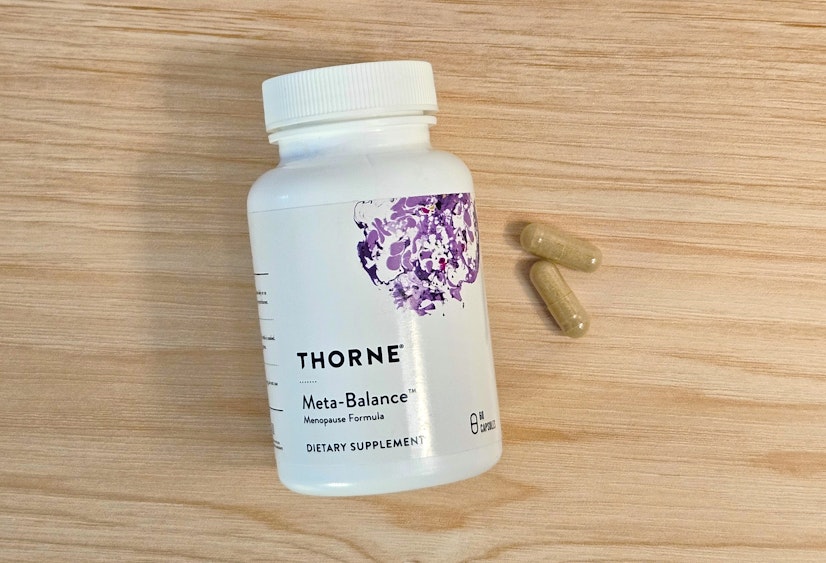
Photo by Innerbody Research
Pros
- Most ingredients have supportive research for relief of PMS and menopause symptoms
- Free ground shipping on all orders
- 60-day satisfaction guarantee
- Save 10% on subscriptions (20% on three or more products)
- Free from common allergens
Cons
- Wild yam doesn’t have much supportive evidence behind it
- High per-serving cost, even with subscription discount
Thorne has an impressive variety of supplements to suit almost any concern, but our focus in this guide is on its Meta-Balance product, which is intended for balancing hormones and supporting mood. It has fewer ingredients than some similar supplements, but its ingredients have a fair bit of positive support behind them.
Key ingredients
Despite being marketed only for menopause, Thorne Meta-Balance contains ingredients that have shown benefits for symptoms associated with both menopause and PMS.
Black cohosh
Black cohosh is most commonly used for menopause symptoms such as hot flashes and night sweats, with several studies showing improvements in vasomotor and related symptoms. For example, a 2013 trial found it “significantly” improved menopause symptoms across multiple categories, including vasomotor, physical, and psychological measures.62 While it’s primarily studied for menopause, there’s some evidence suggesting it may also help with PMS-related discomfort.53
Chasteberry (Vitex)
Pycnogenol
In a 2011 study, perimenopausal women who took Pycnogenol for two months experienced statistically significant reductions in hot flashes, night sweats, mood swings, irregular periods, reduced libido, and vaginal dryness.9 For PMS symptoms, a 2008 study found Pycnogenol significantly lowered menstrual pain in those with dysmenorrhea.63
Wild yam
Wild yam has a long history of traditional use for menopausal and inflammatory symptoms. It contains diosgenin, a plant compound used in the laboratory to synthesize hormones like progesterone, which is why it’s often included in hormone-support formulas. However, the body doesn’t convert diosgenin into hormones, and human research on wild yam itself is limited and mixed. Small studies have shown inconsistent results, and there’s no strong evidence that it meaningfully improves menopause or PMS symptoms.38
Taken together, these ingredients provide overlapping support for both menopause-related symptoms and PMS, which helps explain why this formula performs well across both categories — even if not every component is equally well supported by research.
Pricing details
Thorne’s pricing is relatively straightforward. You can make a one-time purchase or subscribe for recurring deliveries, with a 10% discount applied. That brings the price down from $48 to $43.20 per bottle. If you subscribe to three or more products, the discount increases to 20%, which can make a meaningful difference over time.
In terms of cost, Thorne falls toward the higher end of the range in this guide. At around $1.44 per serving with a standard subscription, it’s more expensive than options like Triquetra Health, Elevate Organic, and Wholesome Story, though still a bit more affordable than Nordic Naturals.
Thorne’s 60-day satisfaction guarantee is solid, but not the most flexible we’ve seen. It’s more forgiving than stricter policies like Nordic Naturals, which require unopened returns within 30 days, but doesn’t go as far as Wholesome Story’s 90-day guarantee.
Triquetra Health Plant 5-HTP
Best for PMDD
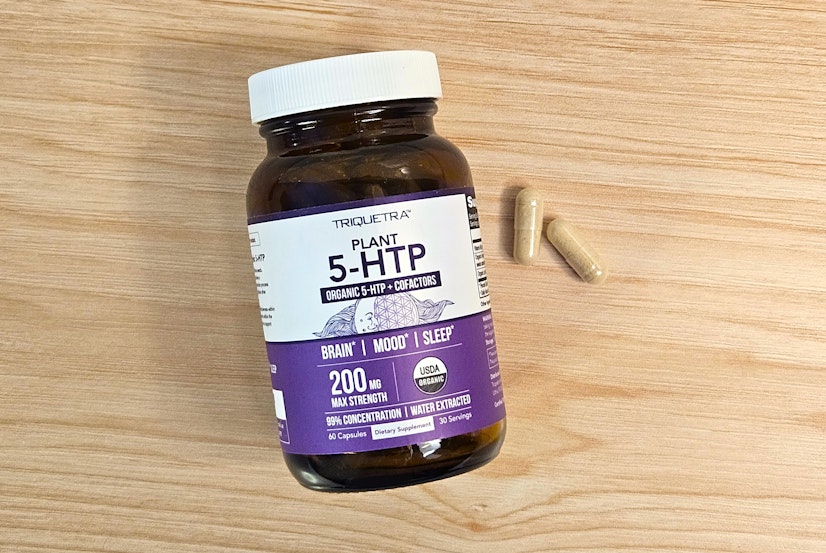
Photo by Innerbody Research
Pros
- May provide similar serotonin-boosting benefits as an SSRI antidepressant
- B6 content helps the body metabolize 5-HTP
- Lion’s mane could improve mood
- HSA/FSA eligible when buying direct
- Subscribing saves you up to 15% off recurring deliveries
Cons
- Unsafe for those taking antidepressants, sedatives, levodopa, or carbidopa
- Mushroom content makes product unsuitable for those with allergies
If you’re unable to take a prescription antidepressant or would prefer an over-the-counter alternative for managing your PMDD symptoms, then Triquetra Health’s Plant 5-HTP could be an option worth considering. This plant-based supplement relies on 5-HTP, vitamin B6, and lion’s mane mushrooms to support a healthy mood and serotonin levels.
However, if you’re already on an antidepressant for treatment, then you should avoid this supplement, as it could lead to a dangerous, potentially fatal condition known as serotonin syndrome. This is because, like many antidepressants, supplementary 5-HTP raises the amount of serotonin in the brain, so the combination could result in dangerous levels of the neurotransmitter.8 39
With that being said, let’s take a look at how 5-HTP’s ability to boost serotonin could be beneficial for those dealing with PMDD.
Key ingredients
There are three key ingredients in this supplement, and each has the potential to relieve certain PMDD symptoms or possibly make them a bit easier to manage. They include:
- 5-HTP: This chemical is the midway point between tryptophan and serotonin, serving as the direct precursor to serotonin production in the brain. Multiple small clinical trials have explored its effects on mood, with some finding results comparable to certain antidepressants.8 At 200mg per serving, the dose reflects amounts commonly used in research.
- Vitamin B6: Though some research suggests vitamin B6 could help alleviate some of the emotional symptoms of PMDD, the small amount in this supplement is most likely added to help the body better metabolize the supplemental 5-HTP into serotonin.64 65
- Lion’s mane: While research is still emerging, lion’s mane may help support mood and reduce inflammation.66 The amount included here is relatively modest compared to doses used in clinical studies, so it likely plays more of a supporting role in the formula.
Pricing details
You can buy Triquetra Health Plant 5-HTP directly from the company’s website or through its official Amazon storefront, and pricing is largely consistent across both. A one-time purchase is typically $23.99 either way, but subscription pricing is slightly better through the brand’s website: $20.39 compared to $21.59 on Amazon at the time of publication.
That said, ordering directly from Triquetra has a slight advantage when it comes to overall value and customer support. The company offers a 30-day money-back guarantee, and while it notes that it may honor refunds for Amazon purchases, customers are asked to contact Amazon first before reaching out. As a result, buying direct is generally the more straightforward option if you think you might need a refund.
Wholesome Story Myo-Inositol & D-Chiro Inositol Capsules (With Folate)
Best for PCOS
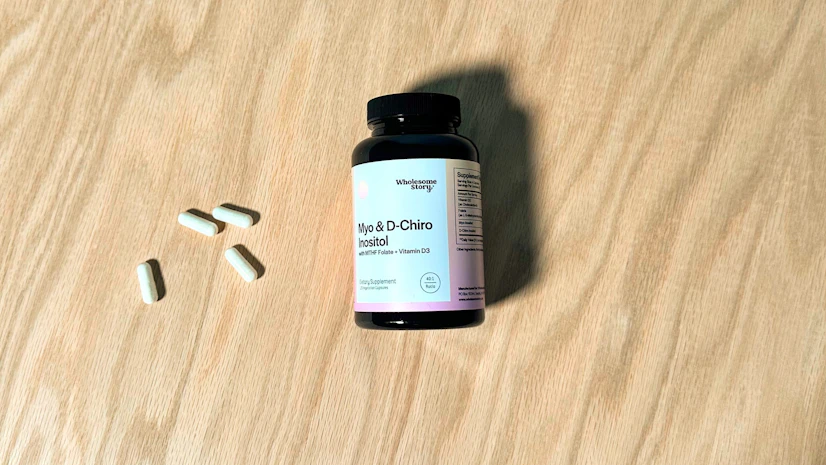
Photo by Innerbody Research
Pros
- Uses a 40:1 ratio of myo-inositol to D-chiro-inositol, considered ideal for PCOS
- Includes L-methylfolate, the active form of folate
- Adds vitamin D3, which is commonly low in people with PCOS
- Clean Label Project–certified
- Third-party tested
- 90-day money-back guarantee
Cons
- A full serving requires four capsules
- No free shipping on orders under $40
Wholesome Story is a relatively young company focused on supporting polycystic ovary syndrome (PCOS). The brand prioritizes quality, with third-party testing and Clean Label Project certification to help confirm purity and label accuracy.
That emphasis is especially apparent in its inositol blend.
Key ingredients
The formula is built around a clinically studied inositol ratio, with additional nutrients that may support metabolic and reproductive health in PCOS.
Myo-inositol + D-chiro-inositol (2,050mg total in a 40:1 ratio):
Research suggests that individuals with PCOS may experience disruptions in the balance between myo-inositol (MI) and D-chiro-inositol (DCI) — two biologically active forms of inositol — particularly in the ovaries. To address this, researchers have explored a 40:1 MI:DCI ratio, which more closely reflects physiological conditions and has been widely used in PCOS studies.6
Wholesome Story’s formula follows that model closely, providing 2,000mg of MI and 50mg of DCI per serving. In a 2023 review, inositol supplementation was described as an “effective and safe treatment in PCOS,” with outcomes comparable to metformin in some cases.5
L-Methylfolate (500mcg):
Folate has been shown to positively affect glycemic, inflammatory, and oxidative stress markers in women with PCOS.7 It may also support fertility and reproductive outcomes, particularly when combined with other nutrients.67 Wholesome Story uses L-methylfolate (MTHF), the biologically active form of folate, which does not require conversion in the body and is often chosen in reproductive-health formulations.86
Vitamin D3 (1,000 IU):
One additional consideration is dosing flexibility. In PCOS research, MI is commonly studied at daily intakes between 2g and 4g, depending on the population and outcome measured.48 49 Wholesome Story’s standard serving delivers 2g, which aligns well with many clinical trials. The label also allows for two daily servings (4g total), placing intake at the higher end of the studied range.
Because this is a combination formula, increasing to two servings also doubles folate (to 1,000mcg) and vitamin D3 (to 2,000IU). Both amounts remain within established safety thresholds for most healthy adults.46 47 Still, it’s worth keeping in mind — especially for people who already supplement folate or vitamin D separately — that combination products offer less flexibility when adjusting servings.
Pricing details
Wholesome Story’s standard bottle is priced at $29.95 for 120 capsules (30 servings), with each serving consisting of four capsules. Opting for a subscription brings the price down by 10% to $26.96. A larger 360-capsule bottle costs $74.95, or $67.46 with a subscription.
Shipping costs $5.50 unless your order exceeds $40, at which point it becomes free. Subscription deliveries can be set for every one, two, three, or four months.
That ends up looking like:
| Total cost | Total servings | Cost per serving | Shipping | |
|---|---|---|---|---|
| One-time (120 caps) | $29.95 | 30 | $1.00 | $5.50 |
| Subscription (120 caps) | $26.96 | 30 | $0.90 | $5.50 |
| One-time (360 caps) | $74.95 | 90 | $0.83 | Free |
| Subscription (360 caps) | $67.46 | 90 | $0.75 | Free |
When it comes to refunds, Wholesome Story offers a 90-day money-back guarantee on up to three bottles, full or empty, with customers responsible only for return shipping. That’s the most generous policy in this guide and should give most people enough time to assess tolerance and potential symptom improvement related to PCOS. By comparison, Thorne offers a shorter 60-day window, making Wholesome Story the more flexible option for longer-term evaluation.
Elevate Organic Shatavari Capsules
Best for perimenopause
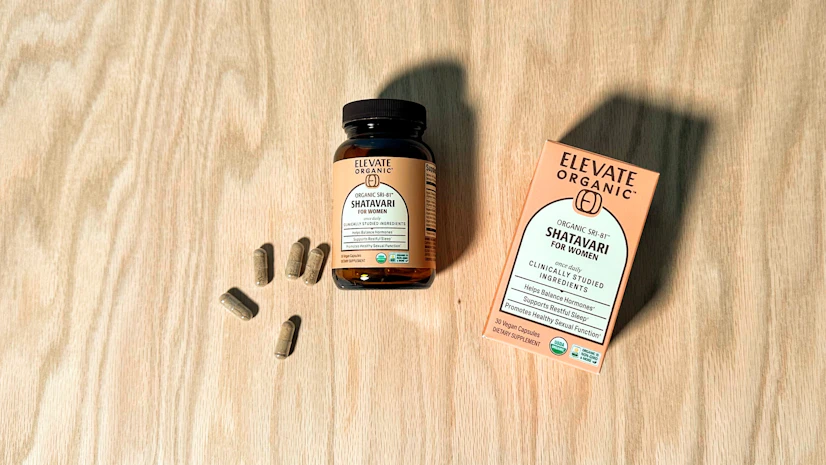
Photo by Innerbody Research
Pros
- Uses SRI-81, a clinically studied Shatavari extract evaluated in human trials
- 300mg dose matches amounts used in perimenopause research
- Associated with improvements in perimenopause-related symptoms, stress, and quality of life
- Organic formulation
Cons
- Shatavari research is still emerging compared to more established ingredients
- Includes a proprietary botanical blend, making individual ingredient dosing difficult to assess
What’s interesting about Elevate Organic is that the company focuses on clinically studied, branded botanical extracts rather than generic herbal ingredients. One example is KSM-66 ashwagandha, a well-known extract that has been evaluated in multiple clinical trials, including randomized, double-blind, placebo-controlled studies. While many of these trials were industry-funded, they were still conducted independently. The results have been compelling enough that Innerbody Labs includes KSM-66 in two of its own formulations.
Elevate Organic’s Shatavari ingredient, SRI-81, appears to be following a similar path, with multiple clinical trials evaluating its effects in women’s health — particularly in perimenopause.
Key ingredients
Shatavari (SRI-81 extract, 300mg):
Shatavari (Asparagus racemosus) has traditionally been used to support female reproductive health, but more recent research has focused specifically on its role in perimenopause.45 84 In randomized controlled trials, a standardized extract known as SRI-81 — the same form used in this product — has been associated with improvements in perimenopause-related symptoms, including hot flashes, stress, and overall quality-of-life measures.83 85
The 300mg dose used here matches the amount used in these studies, which helps distinguish it from many supplements that rely on lower doses or non-standardized forms.
Additional Shatavari (250mg root powder):
This formula also includes non-standardized Shatavari root powder. It may contribute additional phytochemicals, but it’s harder to evaluate than the standardized extract because root powder doesn’t offer the same level of dose consistency or clinical traceability. In practical terms, the research-backed portion of the formula is the 300mg standardized extract, while the added root powder is better viewed as a supporting inclusion.
Proprietary Acti Veda (botanical) blend (22mg):
The Acti Veda blend includes ingredients such as amla, ginger, black pepper, and pippali. Some of these have plausible supporting roles — for example, piperine from black pepper has been studied for its ability to enhance the absorption of certain compounds.34 Still, at a total dose of just 22mg, and because the blend is proprietary, it’s difficult to determine how much each ingredient contributes individually. In practice, this portion of the formula is likely supportive rather than central to its effects.
Pricing details
A one-time purchase of Elevate Organic’s Shatavari costs $24.95 for 30 servings, or about $0.83 per serving. That places it on the more affordable end of the range — less expensive than options like Thorne ($1.60 per serving) and Nordic Naturals ($1.73), and closer in price to Wholesome Story ($1.00) and Triquetra Health ($0.80).
Subscriptions are available, with a 10% discount for monthly deliveries that brings the cost down to about $22.46 per bottle, or roughly $0.75 per serving. If you opt for deliveries every two months, the discount drops slightly to 5%.
Elevate Organic also offers a 30-day money-back guarantee, though a $5 processing fee may apply. That places it on the shorter end of the spectrum compared to competitors like Wholesome Story (90 days) and Thorne (60 days), but still more flexible than stricter policies like Nordic Naturals, which only accepts returns on unopened products.
Alternatives to female hormone balance supplements
Female hormone balance supplements may not be for everyone — you may even feel that they aren’t quite right for you. If that’s the case, there are other options out there that could be better suited to your needs.
Hormone replacement therapy (HRT)
Though it may be considered a more intense route than a supplement, HRT is a relatively safe and effective option for people dealing with certain hormone-related concerns. In the context of female hormone imbalance, research has shown that HRT can relieve symptoms like vaginal dryness, hot flashes, night sweats, and low libido.69 70
It’s worth noting that HRT is quite a bit more expensive than a female hormone balance supplement, with one of our favorite services, Winona, charging the following:
- Estrogen body cream: $89 per month
- Estrogen and progesterone body cream: $89 per month
- Estrogen patch: $149 per month
- Estrogen tablet: $54 per month
- Progesterone body cream: $89 per month
- Progesterone capsule: $39 per month
- Vaginal estrogen cream: $89 per month
If you want to learn more about Winona, and HRT in general, you can check out our full review.
Eating well and exercising
We’ve all heard this recommendation before, but research shows that diets higher in unsaturated fats, whole grains, vegetables, and fish lead to improved fertility outcomes in both men and women. On the other hand, diets high in saturated fats and sugar are associated with poorer fertility.71 As summed up by researchers in a 2024 paper on nutrition and hormonal health in adolescent girls, “A balanced diet rich in essential nutrients plays a pivotal role in maintaining hormonal equilibrium, preventing reproductive disorders, and safeguarding fertility.”72
As for exercise, physical activity appears to reduce the levels of circulating sex hormones, independent of menopausal status.73 This could indicate that regular exercise may lower the risk of breast cancer in high-risk individuals.74 Even if you aren’t looking to reduce your risk of breast cancer, staying active can lower your body’s stress hormones and boost your mood.75
Speaking with your doctor
While this can be considered an alternative to taking female hormone balance supplements, it should also be a prerequisite before starting one. Since some hormone concerns can be caused by things a supplement can’t fix, like tumors or autoimmune conditions, it’s important to speak with your doctor to get those ruled out and make sure a supplement would be safe and appropriate for you.40
After discussing your symptoms and concerns, your doctor will likely want to run some tests to check various biomarkers and see if anything is out of the ideal range. These tests could just be for hormone levels, but may also include a complete blood count (CBC) and comprehensive metabolic panel (CMP) to make sure your symptoms aren’t caused by something else.
At-home testing
If you’d rather not wait for testing, can’t afford traditional testing due to a lack of insurance, or would like to come prepared with lab results before an appointment with your doctor, then at-home test kits could be an option. Three of our favorite at-home testing companies — Everlywell, LetsGetChecked, and myLAB Box — offer kits that measure various aspects of AFAB women’s health, including a wide range of female hormones. These tests do have certain limitations and won’t always cover everything a medical provider would like to check (your doctor may want you to have a pelvic exam or ultrasound, for example), but they can still be a good starting point or a way to begin a dialogue during your appointment.76
FAQ about female hormone balance supplements
Sources
Innerbody uses only high-quality sources, including peer-reviewed studies, to support the facts within our articles. Read our editorial process to learn more about how we fact-check and keep our content accurate, reliable, and trustworthy.
Office on Women’s Health. (n.d.). Premenstrual syndrome (PMS). OASH.
Johns Hopkins. (n.d.). Introduction to menopause. Johns Hopkins Medicine.
U.S. Food and Drug Administration. (2022). FDA 101: Dietary supplements. FDA.
National Library of Medicine. (2023). Vitamins. MedlinePlus.
Greff, D., Juhász, A. E., Váncsa, S., Váradi, A., Sipos, Z., Szinte, J., Park, S., Hegyi, P., Nyirády, P., Ács, N., Várbíró, S., & Horváth, E. M. (2023). Inositol is an effective and safe treatment in polycystic ovary syndrome: A systematic review and meta-analysis of randomized controlled trials. Reproductive Biology and Endocrinology: RB&E, 21, 10.
Nordio, M., Basciani, S., & Camajani, E. (2019). The 40:1 myo-inositol/D-chiro-inositol plasma ratio is able to restore ovulation in PCOS patients: comparison with other ratios. European Review for Medical and Pharmacological Sciences, 23(12), 5512-5521.
Alesi, S., Ee, C., Moran, L. J., Rao, V., & Mousa, A. (2021). Nutritional supplements and complementary therapies in polycystic ovary syndrome. Advances in Nutrition, 13(4), 1243-1266.
Jangid, P., Malik, P., Singh, P., Sharma, M., & Gulia, A. K. D. (2013). Comparative study of efficacy of L-5-hydroxytryptophan and fluoxetine in patients presenting with first depressive episode. Asian Journal of Psychiatry, 6(1), 29-34.
Errichi, S., Bottari, A., Belcaro, G., Cesarone, M. R., Hosoi, M., Cornelli, U., Dugall, M., Ledda, A., & Feragalli, B. (2011). Supplementation with Pycnogenol improves signs and symptoms of menopausal transition. Panminerva medica, 53(3 Suppl 1), 65-70.
Chu, C., Tsuprykov, O., Chen, X., Elitok, S., Krämer, B. K., & Hocher, B. (2021). Relationship between vitamin D and hormones important for human fertility in reproductive-aged women. Frontiers in Endocrinology, 12, 666687.
Md Amin, N. A., Hamimah, S., Arshad, A. H., Abdul Aziz, N., Abdul Nasir, N. A., & Ab Latip, N. (2022). Are vitamin E supplementation beneficial for female gynaecology health and diseases? Molecules, 27(6), 1896.
Agbalalah, T., Robert, F. O., & Amabebe, E. (2023). Impact of vitamin B12 on the reproductive health of women with sickle cell disease: A narrative review. Reproduction & Fertility, 4(3), e230015.
Hopeman, M. M., Riley, J. K., Frolova, A. I., Jiang, H., & Jungheim, E. S. (2014). Serum polyunsaturated fatty acids and endometriosis. Reproductive Sciences, 22(9), 1083.
Cleveland Clinic. (2022). Hormones. Cleveland Clinic.
Lauretta, R., Sansone, M., Sansone, A., Romanelli, F., & Appetecchia, M. (2018). Gender in endocrine diseases: Role of sex gonadal hormones. International Journal of Endocrinology, 2018, 4847376.
Hantsoo, L., & Payne, J. L. (2023). Towards understanding the biology of premenstrual dysphoric disorder: From genes to GABA. Neuroscience and Biobehavioral Reviews, 149, 105168.
Harvard Medical School. (2017). Premenstrual dysphoria disorder: It's biology, not a behavior choice. Harvard Health Publishing.
National Library of Medicine. (n.d.). Premenstrual Syndrome. MedlinePlus.
Mayo Clinic. (2024). Premenstrual dysphoric disorder: Different from PMS? Mayo Foundation for Medical Education and Research (MFMER).
Johns Hopkins. (n.d.). Premenstrual dysphoric disorder (PMDD). Johns Hopkins Medicine.
Substance Abuse and Mental Health Services Administration (US). (2016). DSM-IV to DSM-5 premenstrual dysphoric disorder comparison. Mental Illness.
Cleveland Clinic. (2023). Premenstrual dysphoric disorder (PMDD). Cleveland Clinic.
Cleveland Clinic. (2023). Polycystic ovary syndrome (PCOS). Cleveland Clinic.
Louie, M. (2023). Can you have polycystic ovarian syndrome — without ovarian cysts? Mayo Clinic Press.
Cleveland Clinic. (2023). Amenorrhea. Cleveland Clinic.
Vellanki, K. & Kramer, H. (2019). Amenorrhea and estrogen disorders in women with kidney disease. Endocrine Disorders in Kidney Disease, 127-138.
National Kidney Foundation. (n.d.). Herbal supplements and kidney disease. National Kidney Foundation.
Chantalat, E., Valera, C., Vaysse, C., Noirrit, E., Rusidze, M., Weyl, A., Vergriete, K., Buscail, E., Lluel, P., Fontaine, C., Arnal, F., & Lenfant, F. (2020). Estrogen receptors and endometriosis. International Journal of Molecular Sciences, 21(8), 2815.
Macmillan, C. (2023). Endometriosis is more than just ‘painful periods’. Yale Medicine.
Mayo Clinic. (2024). Endometriosis. Mayo Foundation for Medical Education and Research (MFMER).
Endometriosis Foundation of America. (2018). Endometriosis symptoms: Abnormal periods. Endometriosis Foundation of America.
Cleveland Clinic. (2024). Menopause. Cleveland Clinic.
Mahabir, S., Spitz, M. R., Barrera, S. L., Dong, Y. Q., Eastham, C., & Forman, M. R. (2008). Dietary boron and hormone replacement therapy as risk factors for lung cancer in women. American Journal of Epidemiology, 167(9), 1070.
Besarwani, K., & Gupta, R. (2013). Bioavailability enhancers of herbal origin: An overview. Asian Pacific Journal of Tropical Biomedicine, 3(4), 253–266.
National Institute of Diabetes and Digestive and Kidney Diseases. Lion’s mane. LiverTox: Clinical and Research Information on Drug-Induced Liver Injury.
Poniedziałek, B., Siwulski, M., Wiater, A., Komaniecka, I., Komosa, A., Gąsecka, M., Magdziak, Z., Mleczek, M., Niedzielski, P., Proch, J., Ropacka-Lesiak, M., Lesiak, M., Henao, E., & Rzymski, P. (2019). The effect of mushroom extracts on human platelet and blood coagulation: In vitro screening of eight edible species. Nutrients, 11(12), 3040.
Memorial Sloan Kettering Cancer Center. (2022). Black cohosh. MSKCC.
Memorial Sloan Kettering Cancer Center. (2022). Wild yam. MSKCC.
Spadaro, A., Scott, K. R., Koyfman, A., & Long, B. (2022). High risk and low prevalence diseases: Serotonin syndrome. The American Journal of Emergency Medicine, 61, 90-97.
Cleveland Clinic. (2022). Hormonal imbalance. Cleveland Clinic.
Feduniw, S., Korczyńska, L., Górski, K., Zgliczyńska, M., Bączkowska, M., Byrczak, M., Kociuba, J., Ali, M., & Ciebiera, M. (2022). The effect of vitamin e supplementation in postmenopausal women — a systematic review. Nutrients, 15(1), 160.
University of California, Los Angeles. (2023). How to increase estrogen naturally. UCLA Health.
Cleveland Clinic. (2022). What Is chasteberry, and what can it do? Cleveland Clinic Health Essentials.
Arentz, S., Abbott, J. A., Smith, C. A., & Bensoussan, A. (2014). Herbal medicine for the management of polycystic ovary syndrome (PCOS) and associated oligo/amenorrhoea and hyperandrogenism; a review of the laboratory evidence for effects with corroborative clinical findings. BMC Complementary and Alternative Medicine, 14, 511.
Alok, S., Jain, S. K., Verma, A., et al. (2013). Plant profile, phytochemistry and pharmacology of Asparagus racemosus (Shatavari): A review. Asian Pacific Journal of Tropical Disease, 3(3), 242–251.
National Institutes of Health (NIH) Office of Dietary Supplements. (2024). Folate — Fact Sheet for Health Professionals.
National Institutes of Health (NIH) Office of Dietary Supplements. (2024). Vitamin D — Fact Sheet for Health Professionals.
Benelli, E., Del Ghianda, S., Di Cosmo, C., & Tonacchera, M. (2016). A Combined Therapy with Myo-Inositol and D-Chiro-Inositol Improves Endocrine Parameters and Insulin Resistance in PCOS Young Overweight Women. International Journal of Endocrinology, 2016, 3204083.
Fitz, V., Graca, S., Mahalingaiah, S., Liu, J., Lai, L., Butt, A., Armour, M., Rao, V., Naidoo, D., Maunder, A., et al. (2024). Inositol for Polycystic Ovary Syndrome: A Systematic Review and Meta-analysis to Inform the 2023 Update of the International Evidence-based PCOS Guidelines. The Journal of Clinical Endocrinology & Metabolism, 109(6), 1630–1655.
Johnson, T. L., & Fahey, J. W. (2012). Black cohosh: Coming full circle? Journal of Ethnopharmacology, 141(3), 775-779.
Wuttke, W., Jarry, H., Haunschild, J., Stecher, G., Schuh, M., & Seidlova-Wuttke, D. (2014). The non-estrogenic alternative for the treatment of climacteric complaints: Black cohosh (Cimicifuga or Actaea racemosa). The Journal of Steroid Biochemistry and Molecular Biology, 139, 302-310.
Mehrpooya, M., Rabiee, S., Larki-Harchegani, A., Fallahian, M., Moradi, A., Ataei, S., & Javad, M. T. (2018). A comparative study on the effect of “black cohosh” and “evening primrose oil” on menopausal hot flashes. Journal of Education and Health Promotion, 7, 36.
Cleveland Clinic. (2022). What black cohosh can (And can’t) do for menopause symptoms. Cleveland Clinic.
Unfer, V., Facchinetti, F., Orrù, B., Giordani, B., & Nestler, J. (2017). Myo-inositol effects in women with PCOS: A meta-analysis of randomized controlled trials. Endocrine Connections, 6(8), 647-658.
Lerchbaum, E. (2012). Mechanisms in endocrinology: Vitamin D and fertility: A systematic review. European Journal of Endocrinology, 166(5), 765-778.
Gaskins, A. J., Mumford, S. L., Chavarro, J. E., Zhang, C., Pollack, A. Z., Wactawski-Wende, J., Perkins, N. J., & Schisterman, E. F. (2012). The impact of dietary folate intake on reproductive function in premenopausal women: A prospective cohort study. PLoS ONE, 7(9), e46276.
Fathizadeh, N., Ebrahimi, E., Valiani, M., Tavakoli, N., & Yar, M. H. (2010). Evaluating the effect of magnesium and magnesium plus vitamin B6 supplement on the severity of premenstrual syndrome. Iranian Journal of Nursing and Midwifery Research, 15(Suppl 1), 401-405.
Saldeen, P., & Saldeen, T. (2004). Women and omega-3 Fatty acids. Obstetrical & Gynecological Survey, 59(10), 722-746.
Pizzorno, L. (2015). Nothing boring about boron. Integrative Medicine: A Clinician's Journal, 14(4), 35-48.
Otsuka, M., Kato, N., Ichimura, T., Abe, S., Tanaka, Y., Taniguchi, H., Hoshida, Y., Moriyama, M., Wang, Y., Shao, R., Narayan, D., Muroyama, R., Kanai, F., Kawabe, T., Isobe, T., & Omata, M. (2005). Vitamin K2 binds 17β-hydroxysteroid dehydrogenase 4 and modulates estrogen metabolism. Life Sciences, 76(21), 2473-2482.
National Institutes of Health. (2022). Boron — fact sheet for health professionals. NIH.
Mohammad-Alizadeh-Charandabi, S., Shahnazi, M., Nahaee, J., & Bayatipayan, S. (2013). Efficacy of black cohosh (Cimicifuga racemosa L.) in treating early symptoms of menopause: A randomized clinical trial. Chinese Medicine, 8, 20.
Suzuki, N., Uebaba, K., Kohama, T., Moniwa, N., Kanayama, N., & Koike, K. (2008). French maritime pine bark extract significantly lowers the requirement for analgesic medication in dysmenorrhea: A multicenter, randomized, double-blind, placebo-controlled study. The Journal of Reproductive Medicine, 53(5), 338-346.
Maroufi, M. & Marofi, M. (2006). The efficacy of vitamin B6 for treatment of premenstrual dysphoric. Annals of General Psychiatry, 5, S306.
National Center for Biotechnology Information. (2025). PubChem compound summary for CID 144, 5-hydroxytryptophan. National Library of Medicine.
Chong, P. S., Fung, L., Wong, K. H., & Lim, L. W. (2019). Therapeutic potential of Hericium erinaceus for depressive disorder. International Journal of Molecular Sciences, 21(1), 163.
Thornburgh, S., & Gaskins, A. J. (2022). B vitamins, polycystic ovary syndrome, and fertility. Current Opinion in Endocrinology, Diabetes, and Obesity, 29(6), 554-559.
Alois, M., & Estores, I. M. (2019). Hormonal regulation in pcos using acupuncture and herbal supplements: A case report and review of the literature. Integrative Medicine: A Clinician's Journal, 18(5), 36-39.
Cleveland Clinic. (2024). Hormone therapy for menopause symptoms. Cleveland Clinic.
Harvard Medical School. (2021). Yes, you can have better sex in midlife and in the years beyond. Harvard Health Publishing.
Panth, N., Gavarkovs, A., Tamez, M., & Mattei, J. (2018). The influence of diet on fertility and the implications for public health nutrition in the United States. Frontiers in Public Health, 6, 211.
Calcaterra, V., Verduci, E., Stagi, S., & Zuccotti, G. (2024). How the intricate relationship between nutrition and hormonal equilibrium significantly influences endocrine and reproductive health in adolescent girls. Frontiers in Nutrition, 11, 1337328.
Ennour-Idrissi, K., Maunsell, E., & Diorio, C. (2015). Effect of physical activity on sex hormones in women: A systematic review and meta-analysis of randomized controlled trials. Breast Cancer Research: BCR, 17(1), 139.
Kossman, D. A., Williams, N. I., Domchek, S. M., Kurzer, M. S., Stopfer, J. E., & Schmitz, K. H. (2011). Exercise lowers estrogen and progesterone levels in premenopausal women at high risk of breast cancer. Journal of Applied Physiology, 111(6), 1687-1693.
Harvard Medical School. (2020). Exercising to relax. Harvard Health Publishing.
University of California, Los Angeles. (2024). 7 signs of a hormonal imbalance — and what to do about it. UCLA Health.
Vallée, A., & Lecarpentier, Y. (2020). Curcumin and endometriosis. International Journal of Molecular Sciences, 21(7), 2440.
Zhang, Y., Cao, H., Yu, Z., & Peng, Y. (2013). Curcumin inhibits endometriosis endometrial cells by reducing estradiol production. Iranian Journal of Reproductive Medicine, 11(5), 415.
Sargazi-taghazi, M., Ghaznavi, H., Sheervalilou, R., Razavi, M., & Sepidarkish, M. (2025). Add-on effect of curcumin to dienogest in patients with endometriosis: A randomized, double-blind, controlled trial. Phytomedicine, 141, 156715.
Anastasi, E., Scaramuzzino, S., Viscardi, M. F., Viggiani, V., Piccioni, M. G., Cacciamani, L., Merlino, L., Angeloni, A., Muzii, L., & Porpora, M. G. (2023). Efficacy of N-acetylcysteine on endometriosis-related pain, size reduction of ovarian endometriomas, and fertility outcomes. International Journal of Environmental Research and Public Health, 20(6), 4686.
Karakoç, E., Halaçlı, S. O., Hanelçi, R. H., Ayhan, S., Eylem, C. C., Nemutlu, E., & Atilla, P. (2025). N-acetylcysteine stimulates organelle malfunction in endometriotic cells via IFN-gamma signaling. Scientific Reports, 15(1), 1-11.
Nodler, J. L., DiVasta, A. D., Vitonis, A. F., Karevicius, S., Malsch, M., Sarda, V., Fadayomi, A., Harris, H. R., & Missmer, S. A. (2020). Supplementation with vitamin D or ω-3 fatty acids in adolescent girls and young women with endometriosis (SAGE): A double-blind, randomized, placebo-controlled trial. The American Journal of Clinical Nutrition, 112(1), 229.
Mahajan, S., Avad, P., & Langade, J. (2025). Efficacy and Safety of Shatavari (Asparagus racemosus) Root Extract for Perimenopause: Randomized, Double-Blind, Placebo-Controlled Study. International Journal of Women's Health, 17, 4057–4073.
Alok, S., Jain, S. K., Verma, A., et al. (2018). Phytochemicals, Medicinal and Food Applications of Shatavari (Asparagus racemosus): An Updated Review. The Natural Products Journal, 8(1), 32–44.
Ademola, J., Ajgaonkar, A., Debnath, T., et al. (2025). Efficacy and safety of Shatavari root extract (Asparagus racemosus) for menopausal symptoms: a randomized, double-blind, three-arm, placebo-controlled study. Frontiers in Reproductive Health, 7.
Stracquadanio, M., Ciotta, L., & Palumbo, M. A. (2018). Effects of myo-inositol, gymnemic acid, and L-methylfolate in polycystic ovary syndrome patients. Gynecological Endocrinology, 34(6), 495–501.
Contreras-Bolívar, V., García-Fontana, B., García-Fontana, C., & Muñoz-Torres, M. (2021). Mechanisms Involved in the Relationship between Vitamin D and Insulin Resistance: Impact on Clinical Practice. Nutrients, 13(10), 3491.
Salehpour, S., Hosseini, S., Nazari, L., Hosseini, M., & Saharkhiz, N. (2019). The Effect of Vitamin D Supplementation on Insulin Resistance among Women with Polycystic Ovary Syndrome. JBRA Assisted Reproduction, 23(3), 235–238.
Guo, S., Tal, R., Jiang, H., Yuan, T., & Liu, Y. (2020). Vitamin D Supplementation Ameliorates Metabolic Dysfunction in Patients with PCOS: A Systematic Review of RCTs and Insight into the Underlying Mechanism. International Journal of Endocrinology, 2020, 7850816.
Duan, M., Yang, M., Li, C., et al. (2026). Effects of inositol in women with polycystic ovary syndrome: an umbrella review of meta-analyses from randomized controlled trials. Frontiers in Endocrinology, 17.
National Center for Complementary and Integrative Health (NCCIH). (2020). Chasteberry.
Scutiero, G., Iannone, P., Bernardi, G., et al. (2017). Oxidative Stress and Endometriosis: A Systematic Review of the Literature. Oxidative Medicine and Cellular Longevity, 2017, 7265238.

Copyright © Innerbody Research 1997 - 2025. All Rights Reserved.