Best Beef Organ Supplements for Women
We sift through the hype to determine whether beef organ supplements truly can support women’s health.

Photo by Innerbody Research
It was through social media that many of us became aware of beef organ supplements. Their marketing made them easy to dismiss: the appeal-to-nature shtick and hyped-up health claims, hawked by some hirsute He-Man with a caveman aesthetic and an apparent allergy to wearing shirts. But as with all supplement types, we did our due diligence on the subject and found perhaps some kernel of truth amid the hyperbole. Maybe, we thought, beef organ supplements were more than just a novelty, particularly for women — statistically a cohort in awful need of offal’s nutrients.
The questions that remained were: To what extent can the desiccated offcuts of cattle confer real health benefits? And which products, specifically, offer the best possibilities of doing so? Here was a challenge we could chew on, and one to which we fully applied our experience and powers of research.
See below for the bite-size version of our findings. Then read further for the real meat of the matter.
Summary of recommendations
- Best for most women: Primal Queen
- Best for peri-/postmenopause: Heart & Soil Beef Organs
- Best budget pick: Codeage Grass-Fed Beef Liver

Primal Queen’s blend of transparency, customer-friendliness, and moderate nutrient doses makes it the most approachable option to the largest possible population.
Primal Queen is one of the apparently few beef organ supplement brands that subject their products to nutrient assays and freely share the report with interested consumers. It’s also the only such brand we’ve found that offers numerous material incentives to its customers. One-time purchases may be more expensive compared with many competitors, but subscriptions cut the price by 30% and include free shipping. You can also find it on Amazon, but you’d pay about 30% more there.
Jump to:
Why you should trust us
Over the past two decades, Innerbody Research has helped tens of millions of readers make more informed decisions about staying healthy and living healthier lifestyles.
This guide was a long time coming. We spent months digging through the scientific literature to determine whether beef organ supplements held a defensible place of viability in women’s health regimens. This effort involved analyzing the nutrient contents of various bovine organs, assessing the nutritional needs of women at different ages, measuring one set of information against the other, and then identifying products that could actually provide value to the user. Whenever necessary (which was often), we corresponded with customer support reps to extract information that wasn’t readily available to the public.
Additionally, like all health-related content on this website, this guide was thoroughly vetted by one or more members of our Medical Review Board for accuracy and will continue to be monitored for updates by our editorial team.
How we evaluated beef organ supplements for women
With beef organ supplements being fairly new on the scene, and therefore lacking real research into their effects, we approached the subject with a slightly different set of criteria compared with our usual guides:
- Transparency: How freely does a brand provide information about its nutrient breakdown and test results? These details are what allow us to deduce whether a product might be considered reputable, as well as safe and effective for the greatest number of people.
- Customer experience: What does the brand do to make your purchase worth your while?
- Cost: Which brand among reputable brands is the most affordable?
We discuss our findings below.
Transparency (re: safety and efficacy)
Advantage: Primal Queen
At this time, almost all beef organ supplement companies base their marketing on a common gimmick: “This is what our ancestors did.” The nutritional content of their products are hardly ever a front-facing consideration. That’s why, in our preliminary research stages, we contacted the customer support team of every brand we determined could possibly produce a worthy supplement. Some were cagey. Some doubled down on the gimmick (to quote one: “Our early ancestors never had access to a nutrient assay”). We immediately excluded them from consideration for this guide. If we can’t be certain what’s in a supplement, we can’t rightly recommend it.
But among the brands that were forthright about their products’ nutrient content, Primal Queen stood out as the most transparent. Without hesitation, a customer support rep emailed us the formal analytical report conducted by an ISO-accredited third-party laboratory, along with a certificate of analysis (which is also available on Primal Queen’s website).
What we found in the report was that Primal Queen contains a fairly modest amount of essential vitamins and minerals, but that the modest dosing could support the average woman’s health goals. Used in conjunction with a moderately healthy diet, it could feasibly carry users across recommended nutritional thresholds. It’s nowhere near as robust as a high-quality women’s multivitamin, but that was in its favor. Seeing as beef organ supplements are effectively whole-food multivitamins, we found that their best use case was as a gentler alternative to strongly dosed synthetic supplements that might cause nausea or gastrointestinal upset,41 and Primal Queen posed little risk of either.
Heart & Soil was another brand that showed no hesitation in sharing its supplement breakdown, but its analysis was missing key information. Most importantly, it showed no value for vitamin A, a nutrient that poses a fairly high risk for oversupplementation, nor did it indicate that the values were determined by a third-party lab.
(The only non-assayed brand in this guide is Codeage. Though the company doesn’t subject its beef organs to nutrient analysis, we’re comfortable recommending it as a budget pick for two reasons: a solid reputational pedigree and NSF certification, verifying that its product has undergone repeated safety testing.)
Customer experience
Advantage: Primal Queen
Because beef organ supplements have spent relatively little time on the market, most interested people are probably new to the beef organ supplements space. It’s hard to make a move toward trying a supplement that you aren’t familiar with.
Primal Queen makes the move much easier, offering numerous incentives to its customers:
- Free shipping: Whereas many supplement brands have removed free shipping from their subscription perks, Primal Queen offers it to everyone — subscribers and one-time purchasers, both.
- Freebies: Every subscriber gets some nice Primal Queen–branded merch. In addition to a glass capsule jar and a travel pill case, they also get a mystery gift (one of us got a water tumbler).
- Yearlong protection: Primal Queen comes with a 365-day money-back guarantee.
- Customer support: We’ve already described how responsive and helpful Primal Queen’s support team is.
The only failing in Primal Queen’s customer experience is its website. It doesn’t have terrible design, per se, but it is obnoxious in terms of navigability. Case in point: if you want to make a one-time purchase, good luck locating the option for it. You’ll probably have to do as we did and email customer support for the link.
Cost
Advantage: Codeage Grass-Fed Beef Organs
Even without a direct subscription option, Codeage handily outdoes Primal Queen and Heart & Soil on cost.
| Codeage | Heart & Soil | Primal Queen | |
|---|---|---|---|
| One-time price | $29.99 | $52.00 | $64.00 |
| Subscription price | N/A | $39.00 (1st mo.); $46.80 after | $39.00 |
| Servings per order | 60 | 30 | 60 |
| Per-day cost | $0.50 | $1.30 – $1.73 | $1.30 – $2.13 |
Besides its affordable up-front price point, which is $22–$34 less than our other recs, Codeage’s per-day use cost is at least 2.6 times lower than that of either Heart & Soil or Primal Queen. The other two may perhaps offer more value in terms of nutritional value, informational assurance, and/or merch, but Codeage poses the lowest financial barrier to entry into the beef organs supplement space.
How the best beef organ supplements for women compare
Below is a quick-comparison table laying out the key qualities of our top recommendations, to illustrate how they measure against one another.
| Primal Queen | Heart & Soil | Codeage | |
|---|---|---|---|
| One-time purchase | $64 | $52 | $29.99 |
| Subscription | $44 (1-mo. supply); $132 (3-mo. supply) | $39 (1st mo.); $46.80 (subsequent) | N/A |
| Cattle source | Argentina | New Zealand | Argentina |
| Nutrient analysis? | Available on request | Available on request | N/A |
| Third-party tested? | |||
| Money-back guarantee | 365 days | 60 days | 30 days |
| Other | Clean Label–compliant, organic, halal, kosher, non-GMO, gluten-free | Informed Sport certified, non-GMO; FSA/HSA eligible; discounts for teachers, first responders, and military | NSF certified; dairy-, soy-, and gluten-free |
What are beef organ supplements?
Beef organ supplements are the desiccated, encapsulated offal of cows. Some supplements consist of a single organ, while others comprise a variety. The most common cuts that make their way into a beef organ supplement are the liver, heart, spleen, pancreas, and kidneys.
While bovine organs in general aren’t uncommon in the global diet, the specific cuts used in beef organ supplements scarcely make their way onto the average American plate. In the United States, only beef liver can be considered “normal,” but even that’s a rare dish compared with your chucks, ribs, steaks, loins, briskets, and shanks. Probably, their culinary disuse is due to (a) a broad aversion to the idea of eating vital organs at all and (b) the strong mineral taste that some organs typically have.
In the case of reproductive organs, culinary use is even less common. While Rocky Mountain oysters feature on a fair number of restaurant menus, they’re pretty much a novelty item, and bull testicles in general are more or less the domain of “raw carnivore” influencers who overuse terms like “ancestral” and peddle the attendant pseudoscience. As for the uterus and ovaries, they’re so rarely eaten by humans that their nutritional information has yet to be documented.
But uncommon use isn’t the same as having no use at all. In fact, beef organs can provide a host of nutrients in which some people, especially women, are often deficient.
Potential benefits of women’s beef organ supplements
At the time of this writing, there have been no human studies examining the effects of beef organ supplements as such. Yet we know that these supplements hold some health potential because beef organs themselves have been the subject of substantial research, and much of what holds true about the source food theoretically extends to the supplements made from them.
One of the best studies to date is a 2024 analysis of beef offal in which the researchers examined the nutritional content of certain cuts that had been desiccated and ground to a powder:1
| Beef heart | Beef liver | Beef kidneys | |
|---|---|---|---|
| Vitamin E | 8.18 mcg | 4.72 mcg | 4.36 mcg |
| Vitamin B2 | 45.13 mcg | 141.33 mcg | 62.67 mcg |
| Vitamin B6 | 3.55 mcg | 9.56 mcg | 7.15 mcg |
| Vitamin B12 | 0.12 mcg | 0.85 mcg | 0.43 mcg |
| Calcium | 43.23 mcg | 40.23 mcg | 84.97 mcg |
| Copper | 3.70 mcg | 119.47 mcg | 4.80 mcg |
| Iron | 46.40 mcg | 51.53 mcg | 52.12 mcg |
| Magnesium | 223.33 mcg | 185.67 mcg | 165.33 mcg |
| Phosphorus | 2,000 mcg | 3,550 mcg | 2,336.67 mcg |
| Zinc | 18.03 mcg | 38.90 mcg | 20.73 mcg |
A separate study has found, too, that beef heart and liver are fairly rich in coenzyme 10 (CoQ10), with a digestibility amounting to around 6.5mg per standard cooked serving size.2
These nutrients are essential for everyone, but many of them play an especially important role in women’s health:
- According to a 2022 systematic review, vitamin E supplementation may help with “postmenopausal hot flashes, vascular modulation, plasma lipid profile level and vaginal changes.”3
- In a 2024 narrative review, researchers noted that vitamin B2 is linked to “urogenital and reproductive health, hormonal fluctuations during the menstrual cycle, pregnancy, and breastfeeding.”4
- Vitamin B6 may help regulate hormones and mood in menopause.40
- Insufficient vitamin B12 intake may contribute to reproductive issues such as shorter gestation and low birth weight.5 In menopause, it may also help maintain energy levels.40
- An insufficient calcium intake raises one’s risk of osteoporosis, for which women (particularly older women) are already at a higher risk.6 Phosphorus, too, is important in this regard.7
- Women are more prone to iron deficiency because of monthly menstrual blood loss, and copper is essential for iron metabolism.8 9
- A woman’s magnesium intake affects a wide range of health concerns, including polycystic ovary syndrome (PCOS), premenstrual syndrome (PMS), pregnancy, and menopause.10
- A 2020 review of studies found that zinc supplementation has a “positive effect on many parameters” of PCOS and may reduce the intensity of menstrual pain in dysmenorrhea.11 A later review concluded that zinc may also be an “effective remedy for alleviating symptoms of PMS.”12
- In reproductive health, CoQ10 may enhance ovarian function, increase egg counts, and improve embryo quality.13 Its potential energy-boosting effect may also help combat menopausal fatigue.14
Dose-wise, beef organ supplements are usually less robust than synthetic vitamins, but that isn’t necessarily a downside. Because synthetics are often highly dosed, they can cause symptoms such as nausea and gastrointestinal upset, especially when taken on an empty stomach.41 For many people, the comparably modest potency of a beef organ supplement may be more approachable.
Other beef organ cuts (i.e., reproductive organs)
Many women’s beef organ supplements, including one that we recommend, also include bovine reproductive organs (e.g., ovaries, uterus), whose nutritional information has yet to be documented. The philosophy behind their inclusion is a notion that some appeal-to-nature influencers call “like-for-like nutrition”: the idea that consuming a particular body part of a livestock animal will confer health benefits specifically in the corresponding body part of a human. It goes that if you want some kind of boost to your reproductive organs, then you should eat the reproductive organs of some terrestrial mammal.
To be clear, absolutely no scientific research supports this. Why would it? After all, eating a beef brisket won’t target your pectorals any more than would a flank steak, or a block of tofu for that matter. There’s no sorting department in your body coordinating the logistics of nutrient delivery, like: “Cow’s chest nutrients to the human’s chest! Ovary nutrients to the ovaries!”
At the same time, we can’t discount the possibility that a cow’s uterus or ovaries contain vitamins and minerals that could be beneficial to a human’s reproductive health. Beef in general is a good source of selenium,15 zinc,16 iron,17 and B vitamins,18 all of which are important for women’s fertility, so there’s a chance that bovine reproductive organs can serve some of the same utility as other beef cuts, including organ meats.19
Of course, some research needs to be done — a study on beef organ supplements or a nutritional assay of bovine reproductive organs — before we can say anything more conclusive on the matter. When that happens, we’ll update this guide accordingly.
Are beef organ supplements safe?
Even with the huge absence of research on beef organ supplements, they’re essentially just whole-food multivitamins, so we can presume them to be generally safe so long as they satisfy a few basic quality standards:
- Third-party testing: Independent analysis can reveal whether a product has safe levels of contaminants. This is especially important since offal can contain high concentrations of heavy metals.20
- Testing transparency (or equivalent): A brand should be willing to share their certificate of analysis (CoA) with customers and other interested parties. Otherwise, one can’t be certain whether testing has actually been done and that the product complies with regulatory thresholds of contaminants. (In the absence of a CoA, the product should boast a certification that assures us of rigorous testing standards.)
- Sourcing transparency: Sourcing is an important factor with regard to the transmission of variant Creutzfeldt-Jakob disease, a rare but 100% fatal illness. Because it’s linked to eating cows infected with bovine spongiform encephalopathy,21 and the causative prion can’t be killed with cooking (much less dehydration),22 you want to be sure your supplement sources its beef from a country with a globally-recognized-as-safe cattle industry (e.g., Argentina, New Zealand).23
- Nutritional information: Ideally, with any supplement, you should have some sense of what you’re putting in your body. With beef organ products, knowing this information helps prevent oversupplementation, especially of the vitamin A in cow’s liver.24
(Most of our recommendations in this guide check all the above boxes. The one exception, Codeage, doesn’t subject its beef organs to nutrient analysis, but it has a strong reputational pedigree and a simple-enough formulation that we can deduce its nutritional values.)
One question remains about the inherent risks of consuming beef in general, namely its high amounts of saturated fat, which can raise bad cholesterol.25 26 On this front, beef organ supplements pose only the barest risk. The organs they use are lean compared with your more mainstream cuts, which minimizes the quantity of saturated fat. Plus, most beef organ supplements don’t contain enough source material to meaningfully degrade your health. There’s only so much desiccated meat you can fit into a capsule, and no matter how much “ancestral wisdom” is guiding a company, they can’t beat the physics game. With that being said, anyone who needs to severely limit their saturated fat intake should consult their doctor before incorporating a beef organ supplement into their health routine.
Who are women’s beef organ supplements for?
Beef organ supplements are best suited for non-vegan/non-vegetarian women who (a) need the specific nutrients that beef organs provide and (b) aren’t keen on taking traditional vitamin or nutritional supplements (e.g., you’re sensitive to the comparably high doses present in multivitamins).
Because beef organ supplements aren’t as nutrient-rich as their source food materials are, the ideal user is someone who gets a fair share of vitamins, minerals, and enzymes from the food they eat but needs just a relatively small push to get them past recommended thresholds. At the same time, someone who doesn’t consume sufficient dietary nutrients can still benefit: after all, for the nutrient-deficient, any additional intake is good.
Specific cohorts that may benefit the most from such supplements are:
- Women during or after menopause
- Women with severe PMS
- Women with PCOS (possibly)
- Pregnant women (possibly)
(We say “possibly” because PCOS is a complex disorder that may not respond to supplemental treatment, and pregnancy really requires the guidance of a medical expert to yield the best outcomes for both the mother and developing fetus.)
Who are they not for?
Beef organ supplements may be inappropriate for the following populations owing to undue safety risks:
- People with gout: Anyone with gout should limit their intake of beef and other red meats.27 Taking a beef organ supplement would be an unnecessary risk factor.
- People with iron overload: Iron overload, or hemochromatosis, is when the body absorbs and stores excessive iron, which can eventually damage vital organs.28 With this condition, one may need to avoid taking an iron-containing supplement.
- People who already consume enough vitamin A: Beef organs, especially the liver, are rich in vitamin A, of which adult women should not consume more than 3,000mcg from animal or supplemental sources. Excessive intake may result in headache, blurred vision, nausea/dizziness, muscle aches, discoordination, and even death.29
- People with alpha-gal syndrome: Typically caused by the bite of the lone star tick, alpha-gal syndrome induces an allergy to red meats.30 Consuming a beef organ supplement may cause a life-threatening reaction.
- People who consume enough nutrients: If your dietary and supplemental nutrition are already up to par, there’s no point in getting more from a beef organ supplement. In fact, doing so could be toxic.
Outside of these populations, too, beef organ supplements should be regarded with at least some degree of skepticism. Bear in mind that no credible scientific body has yet published any research on beef organ supplements, so any purported health claims are unsubstantiated. At best, they can provide you with relatively small doses of nutrients commonly found in foods and other off-the-shelf health products, with no meaningful advantage in bioavailability.31 That all goes to say: even if you’re a suitable candidate for beef organ supplementation, you ought to rein in your expectations. While the all-natural, whole-food aspect of these supplements may be appealing, they aren’t any more effective for women’s (or anyone’s) health than a high-quality multivitamin with comparable nutrient values.
Primal Queen
Best for most women
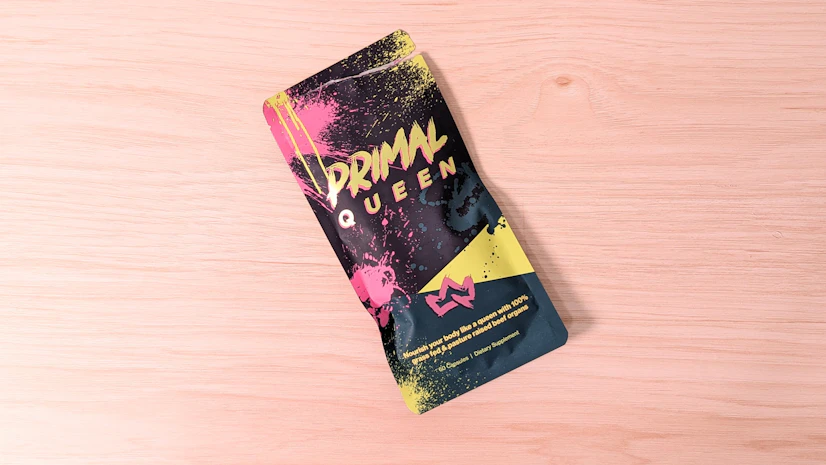
Photo by Innerbody Research
Pros
- Nutrient breakdown available by request
- Cattle sourced from Argentina
- Third-party test results linked on product page
- 30% discount on subscriptions
- Subscription comes with freebies
- Free shipping
- Available for bulk subscription
- 365-day money-back guarantee
- Gluten-free
- Uses NuFlow excipient (all natural, Clean Label–compliant, certified organic, halal, kosher, and non-GMO)
- Strong customer support
- Smells nice
Cons
- Difficult website UX
- One-time purchases are the least cost-effective option in this guide
Of all the beef organ supplement brands we’ve contacted, Primal Queen has been probably the most customer-responsive, at least among those that specialize in the niche. Its customer support team typically answered our queries within 24 hours, and their responses were thorough enough that we never needed to ask follow-up questions.
We lead with this praise because it was through customer support that we could ascertain Primal Queen’s nutrient values. Based on the analytical report we received, we’ve found that each day’s serving (two capsules, 337.5mg per capsule) provides significant amounts of vitamins B2 (18.1mcg, or around 1% RDA) and B12 (0.232mcg, around 8–10% RDA), as well as iron (0.32mg, 1–3% RDA).32 33 34
The word “significant” here is conditional. In an objective sense, the amounts of B2 and iron (not to mention the nutrients whose levels are too scant to remark upon) are quite low. But comparatively, Primal Queen is a richer source of iron than Codeage, and on a capsule-to-capsule basis, its nutrient content looks something like a Heart & Soil Lite. For most women who eat a balanced diet, Primal Queen is therefore the definitive supplement: something that tips the scales of nutrition in their favor, rather than substitutes for a healthy lifestyle.
Another factor that we appreciate about Primal Queen is the breadth of its consideration for customers. Besides the solid support team, the company takes uncommon measures to ensure that users trust and enjoy their product:
- NuFlow excipient: a natural, organic alternative to synthetic agents for improving stability, structural integrity, and/or absorption. NuFlow is Clean Label–compliant and non-GMO, and it accommodates halal and kosher lifestyles.
- ScentCerts: a miniature scented insert added to each bag. It imparts a minty fragrance and flavor to the capsules.
- Freebies: Subscribers get a glass jar in which to store their capsules, a travel pill case, and a mystery gift (for one of us, it was a quasi Dixie Jazz cup–inspired water tumbler).
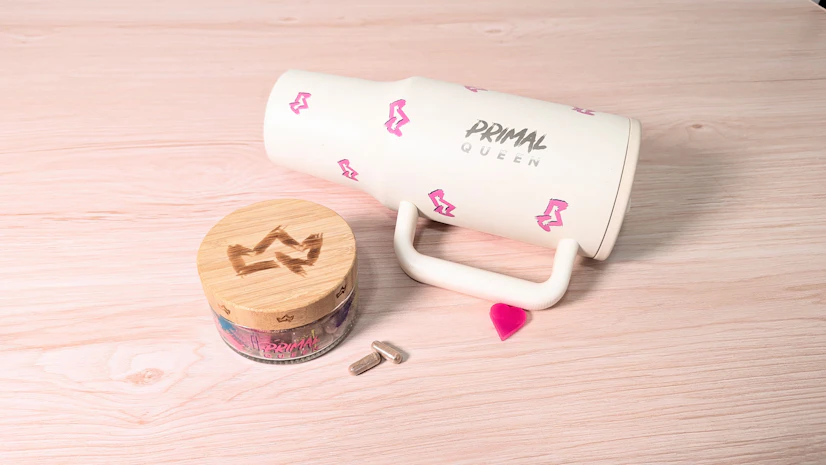
Photo by Innerbody Research
The one fail point of Primal Queen’s customer experience (CX) ecosystem is its website. It’s so designed to promote subscriptions that you’ll have a tough time finding the option for a one-time purchase. In fact, it seems the only way to choose that option is to email the support team for a link. We see no reason to alienate what is likely the largest cohort of potential customers, especially in light of everything else the company does well with its CX.
Pricing and returns
As a one-time purchase, Primal Queen costs $64 ($1.06 per serving, $2.13 per day). Even with free shipping, it’s a lousy price. But on subscription, the cost is much friendlier:
| 1-month supply | 3-month supply | |
|---|---|---|
| Price per order | $44.00 | $132.00 |
| Cost per serving | $0.73 | $0.73 |
| Cost per day | $1.47 | $1.47 |
| Shipping | Free | Free |
| Comes with ... | Glass jar, pill case, mystery gift | Glass jar, pill case, mystery gift |
(These are normal prices. At the time of this writing, an extended sale has reduced the costs to $39 and $78 for one- and three- month supplies, respectively.)
The subscription discount amounts to around 30%, which is 5% larger than that of Heart & Soil and among the highest we’ve seen among all supplements.
Sweetening the deal is that your most recent order is protected by a 365-day money-back guarantee (the customer is responsible for return shipping). That Primal Queen offers a risk-free product for up to a year is part of why it’s our recommendation for most women.
Heart & Soil Beef Organs
Best for peri-/postmenopause

Photo by Innerbody Research
Pros
- Nutrient breakdown available by request
- Cattle sourced from New Zealand
- Third-party test results linked on product page
- Informed Sport certified
- HSA/FSA eligible
- 25% discount on first subscription order
- Additional 10% discount for teachers, first responders, and military
- Non-GMO
- 60-day money-back guarantee
Cons
- The nutrient analysis is incomplete, and its data isn’t verified
- Only a 10% subscription discount after first subscription order
- Subscriptions don’t unlock free shipping
- Six-capsule serving size
- Kind of smells like kibble
Heart & Soil Beef Organs isn’t marketed toward women, but that doesn’t matter. According to the nutrient analysis the company provided us, it provides significant amounts of several nutrients that women need, especially as they pass middle age:
- Vitamin B2: 0.15mg (9–14% RDA)32
- Vitamin B6: 0.186mg (9–14% RDA)35
- Vitamin B12: 11.58mcg (482.4% RDA)33
- Iron: 4.42mg (16–55% RDA)34
- Copper: 241.77mcg (19–27% RDA)37
- Phosphorus: 33.32mg (4% RDA)38
- Selenium: 4.07mcg (5–7% RDA)39
- CoQ10: 14mcg
But we have a few problems with Heart & Soil’s nutrient analysis. One is that it’s incomplete (how much vitamin A, for instance?), and thus so is its safety profile. The other is that the data isn’t verified: the information came to us as standard email text, not a PDF of an official report. While we appreciate that Heart & Soil offered us the data at all, it doesn’t fully satisfy our requirements. Hence why it isn’t our recommendation for most women.
Still, if the nutrient analysis is anywhere close to accurate, then Heart & Soil Beef Organs boasts a robust-enough formulation to meet the needs of women during and after menopause. And at least the certificate of analysis is readily available through the company’s website.
Pricing and returns
Heart & Soil Beef Organs costs $52.00 as a one-time purchase. A subscription nets a discount, but a descending one:
- First subscription order (25% discount): $39.00
- Subsequent subscription orders (10% discount): $46.80
Shipping inflates the cost, even on subscriptions, unless you cross a $100 threshold. The shipping charge isn’t exactly cheap, either. On an order to Kansas, for instance, it was approximately $10. So, realistically, Heart & Soil Beef Organs may cost around $49–$52 per order. Codeage and Primal Queen (on subscription) are significantly more cost-effective.
Heart & Soil’s money-back guarantee window is quite good, however. You have a 60-day window to request a refund, and returns are free. The duration is ten months shorter than that of Primal Queen, but at least you don’t have to pay to send back the product.
Codeage Grass-Fed Beef Liver
Budget pick
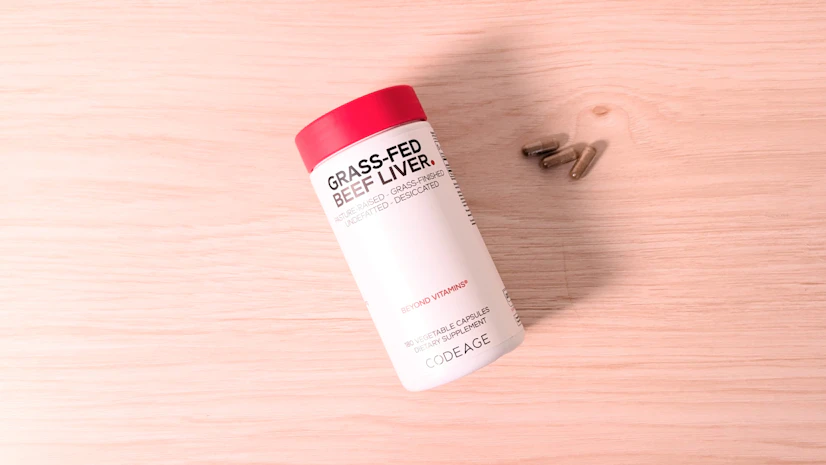
Photo by Innerbody Research
Pros
- NSF certified
- Cattle sourced from Argentina
- Third-party tested
- Only $30 per two-month supply
- 30-day money-back guarantee
- Dairy-, soy-, and gluten-free
Cons
- Third-party test results not provided
- Nutrient breakdown not provided
- No direct subscription option
- Shortest guarantee period in this guide
The budget pick often represents some sort of compromise. In this case, it’s that Codeage doesn’t provide nutritional information about its beef liver capsules, not even by request. (“We do not run nutrient assay [sic] on our glandular line,” said the customer support rep we chatted with. The same goes for third-party testing results.) But we can make an educated guess based on what we know: that fresh beef liver consists of around 70% moisture,43 of which freeze-drying removes 98–99%.44
Codeage is indeed freeze-dried, and it contains 1,500mg of desiccated product per three-cap serving. So, some math. A standard serving of fresh beef liver is 113g. After freeze-drying, its weight would reduce to around 36g, or 24 times that of Codeage Grass-Fed Beef Liver. Dividing the standard fresh serving weight by 24, we can surmise that one serving of Codeage equals around 4.7g of fresh liver. And if we make the appropriate conversions from data published by the United States Department of Agriculture (USDA), we get:36
- 6.25cal
- 0.96g protein
- 0.23mg iron
- 792IU vitamin A (retinol)
- 12.9mg cholesterol
Only the vitamin A content is remarkable. At 792IU, it provides around 237mcg, or around one-third the Recommended Daily Allowance (RDA) for most adult women. Seeing as the average woman consumes 616mcg vitamin A from dietary sources, we’d say Codeage Grass-Fed Beef Liver is a fine supplemental source of at least that, without endangering the average user with oversupplementation. And since vitamin A is important for reproduction, that ought to be happy news for any woman in want of an affordable beef organ supplement to support pregnancy efforts.29
Codeage is also NSF certified, which means the company’s manufacturing facilities are subjected to regular on-site inspections and the product itself to regular retesting. With that in mind, you can be assured that the Grass-Fed Beef Liver supplement satisfies a high safety and quality standard, which may help make up partially for Codeage’s nontransparency about the product’s nutrient breakdown.
Pricing and returns
Codeage Grass-Fed Beef Liver costs just $29.99 for a 180-capsule bottle. A serving size is three capsules per day, so a single purchase amounts to a two-month supply. The resulting cost-effectiveness is unmatched by either competitor detailed in this guide.
| Codeage | Heart & Soil | Primal Queen | |
|---|---|---|---|
| One-time price | $29.99 | $52.00 | $64.00 |
| Subscription price | N/A | $39.00 | $39.00 |
| Servings per order | 60 | 30 | 60 |
| Per-serving cost | $0.50 | $1.30–$1.73 | $0.73–$1.06 |
| Per-day cost | $0.50 | $1.30–$1.73 | $1.30–$2.13 |
The one cost-adjacent area in which Codeage suffers is its guarantee period. Its 30-day window may be standard, and its policy may be no-questions-asked, but the duration is only half that of Heart & Soil and 12 times shorter than that of Primal Queen.
Alternatives to beef organ supplements
The most parallel alternative to a beef organ supplement would be incorporating beef organs into your diet. That’s a potentially delicious approach (beef scrapple? tacos de tripa o lengua?), but not one that jibes with everyone’s tastes or comfort level — not to mention the negative health implications of eating foods high in saturated fat.42 More sustainable would be eating a balanced diet, ideally under a dietitian’s guidance, but that isn’t always feasible.
So the closest supplemental alternative to beef organ supplements would be some other kind of whole-food-based nutrition product, such as IM8 or a greens powder. Delivered in powder drink form, they ordinarily provide a wide range of nutrients in high enough amounts to help you meet thresholds without the risk of oversupplementation.
Beef organ supplements FAQ
Sources
Innerbody uses only high-quality sources, including peer-reviewed studies, to support the facts within our articles. Read our editorial process to learn more about how we fact-check and keep our content accurate, reliable, and trustworthy.
Fuerniss, H. F., et al. (2024). Nutrient analysis of raw United States beef offal items. Nutrients, 16(18), 3104.
Ercan, P., & El, S. N. (2011). Changes in content of coenzyme Q10 in beef muscle, beef liver and beef heart with cooking and in vitro digestion. Journal of Food Composition and Analysis, 24(8), 1136-1140.
Feduniw, S., et al. (2022). The effect of vitamin E supplementation in postmenopausal women — a systematic review. Nutrients, 15(1), 160.
Dricot, C. E., et al. (2024). Riboflavin for women’s health and emerging microbiome strategies. NPJ Biofilms and Microbiomes, 10, 107.
Mathew, A. R., et al. (2026). Vitamin B12 and reproductive health: Clinical insights, emerging mechanistic understanding, and nutritional aspects. Molecular Reproduction and Development, 93(2), e70088.
Bone Health and Osteoporosis Foundation. (n.d.). What women need to know. BHOF.
Cleveland Clinic. (2024). Phosphorus: The bone fortifier. Cleveland Clinic.
Office of Women’s Health. (2025). Iron-deficiency anemia. U.S. Department of Health & Human Services.
Collins, J. F., Prohaska, J. R., & Knutson, M. D. (2010). Metabolic crossroads of iron and copper. Nutrition Reviews, 68(3), 133-147.
Porri, D., et al. (2021). Effect of magnesium supplementation on women's health and well-being. NFS Journal, 23, 30-36.
Nasiadek, M., et al. (2020). The role of zinc in selected female reproductive system disorders. Nutrients, 12(8), 2464.
Haider, S., Sajjad, M., & Zahid, M. (2025). A systematic review and meta-analysis examining the role of zinc supplementation in ameliorating physical and psychological manifestations of premenstrual syndrome in young females. European Journal of Obstetrics & Gynecology and Reproductive Biology, 312, 114082.
Jiang, Y., et al. (2025). Exploring the protective effects of coenzyme Q10 on female fertility. Frontiers in Cell and Developmental Biology, 13, 1633166.
Mayo Clinic Staff. (2025). Coenzyme Q10. Mayo Clinic.
USDA National Nutrient Database for Standard Reference Legacy. (2018). Selenium, Se (µg). United States Department of Agriculture Agricultural Research Service.
USDA National Nutrient Database for Standard Reference Legacy. (2018). Zinc, Zn (mg). United States Department of Agriculture Agricultural Research Service.
American Red Cross. (n.d.). Iron-rich foods. American Red Cross.
USDA National Nutrient Database for Standard Reference Legacy. (2018). Vitamin B-12. United States Department of Agriculture Agricultural Research Service.
Skoracka, K., et al. (2021). Female fertility and the nutritional approach: The most essential aspects. Advances in Nutrition, 12(6), 2372-2386.
Pei, F., et al. (2020). Concentrations of heavy metals in muscle and edible offal of pork in Nanjing city of China and related health risks. Journal of Food Science, 85(2), 493-499.
U.S. Centers for Disease Control and Prevention. (2024). About variant Creutzfeldt-Jakob disease (vCJD). CDC.
Center for Food Safety. (n.d.). Mad cow disease Q & A. CFS.
United States Department of Agriculture. (2026). Eligible foreign establishments. USDA.
Cleveland Clinic. (2023). Is beef liver good for you? Cleveland Clinic.
Van Thomme, G. (2024). Why is red meat bad for you? University of Texas MD Anderson Cancer Center.
American Heart Association. (2024). Saturated fats. AHA.
Mayo Clinic Staff. (2025). Gout diet: What's allowed, what's not. Mayo Clinic.
Cleveland Clinic. (2026). Hemochromatosis (Iron overload). Cleveland Clinic.
National Institutes of Health Office of Dietary Supplements. (2025). Vitamin A and carotenoids: Fact sheet for health professionals. U.S. Department of Health & Human Services.
Mayo Clinic Staff. (2025). Alpha-gal syndrome. Mayo Clinic.
Richards, J. D., et al. (2025). Micronutrient bioavailability: Concepts, influencing factors, and strategies for improvement. Frontiers in Nutrition, 12, 1646750.
National Institutes of Health Office of Dietary Supplements. (2022). Riboflavin: Fact sheet for health professionals. U.S. Department of Health & Human Services.
National Institutes of Health Office of Dietary Supplements. (2025). Vitamin B12: Fact sheet for health professionals. U.S. Department of Health & Human Services.
National Institutes of Health Office of Dietary Supplements. (2025). Iron: Fact sheet for health professionals. U.S. Department of Health & Human Services.
National Institutes of Health Office of Dietary Supplements. (2023). Vitamin B6: Fact sheet for health professionals. U.S. Department of Health & Human Services.
FoodData Central. (2025). Grass-fed beef liver. U.S. Department of Agriculture.
National Institutes of Health Office of Dietary Supplements. (2022). Copper: Fact sheet for health professionals. U.S. Department of Health & Human Services.
National Institutes of Health Office of Dietary Supplements. (2023). Phosphorus: Fact sheet for health professionals. U.S. Department of Health & Human Services.
National Institutes of Health Office of Dietary Supplements. (2025). Selenium: Fact sheet for health professionals. U.S. Department of Health & Human Services.
Mainland, S. (2024). How Vitamins B6 and B12 support menopausal well-being. Australian Menopause Centre.
Cleveland Clinic. (2019). Get nauseous after taking vitamins? 6 tips to make them easier to stomach. Cleveland Clinic.
Cleveland Clinic. (2022). The pros and cons of eating organ meat. Cleveland Clinic.
Biel, W., Czerniawska-Piątkowska, E., & Kowalczyk, A. (2019). Offal chemical composition from veal, beef, and lamb maintained in organic production systems. Animals, 9(8), 489.
Nowak, D., & Jakubczyk, E. (2020). The freeze-drying of foods — the characteristic of the process course and the effect of its parameters on the physical properties of food materials. Foods, 9(10), 1488.

Copyright © Innerbody Research 1997 - 2025. All Rights Reserved.