IM8 Reviews
We pick apart IM8’s enormous kitchen-sink formulations to determine just how much of your supplement cabinet it can really replace.
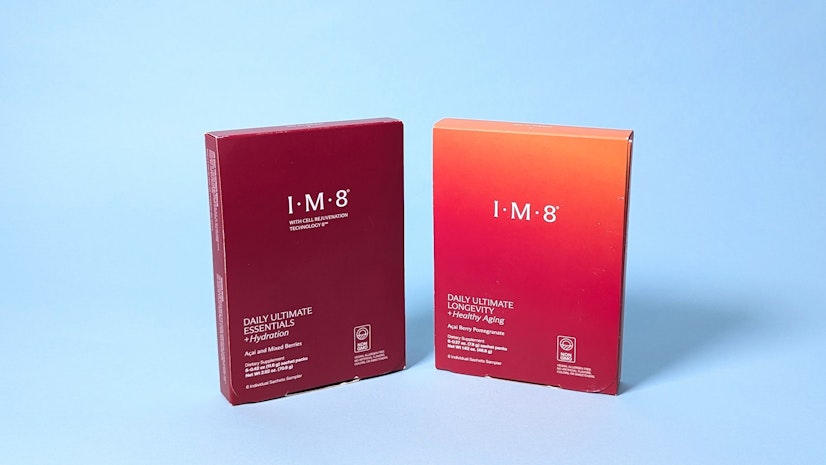
Photo by Innerbody Research
Every morning, for her health, my friend Jo swallows nine supplement capsules and a capful of a liquid vitamin. It’s a tedious regimen, and she isn’t even keen on taking pills. Wouldn’t it be nice if it were streamlined?
Streamlining is the idea underlying IM8. In one hand, you have an all-in-one drink powder designed to replace your multivitamin, nootropics, probiotics, and recovery supplements; in the other, a different powder aimed at enhancing your cellular function to extend your lifespan. Together, they cover a fair proportion of the reasons why people buy health products.
The ultimate value of such a kitchen-sink approach lies in the soundness of the supplements’ formulations. In this review, we present a comprehensive analysis of the ingredients in IM8’s Daily Ultimate Essentials and Daily Ultimate Longevity, providing you with the information needed to determine whether they truly cover your health needs.
Our Findings
IM8’s two supplement formulations stand on separate quality tiers: one decent, one great. Daily Ultimate Essentials has what it takes to replace your multivitamin, probiotics, and certain workout supplements, but otherwise its ingredient doses fall short of effective ranges. Daily Ultimate Longevity is better, with all its ingredients being well-supported for their lifespan-boosting potential, and nearly all of them given in clinically relevant amounts. Either supplement will set you back a pretty penny, though, and using both together would require substantial funds to sustain the regimen.
Pros
- Daily Ultimate Essentials comprises well-studied ingredients for general health, wellness, and energy
- Daily Ultimate Longevity is well-formulated and dosed for improving life- and healthspan
- Third-party tested (certificates of analysis posted on website)
- Both formulas are NSF Certified for Sport
- 20-30% off for subscribers
- Subscriptions ship free
- 30-day money-back guarantee
- Mild-tasting, not unpleasant
- Sustainable brand: uses recyclable packaging, works with eco-friendly suppliers, and is a pending B Corporation
- HSA/FSA eligible
- Non-GMO, vegan, allergen-free, gluten-free, and no added sugar
Cons
- Key active ingredient amounts are hidden behind proprietary blends in Daily Ultimate Essentials
- Several key ingredients are underdosed
- Very expensive (even more so than competitors)
- Not a calorie-free supplement
- Middling solubility
Purchase options
You can buy IM8 directly from the company website or find it at the company’s storefront on Amazon, but buying directly from IM8 saves you considerable money whether you want to subscribe or just buy it once.
Jump to:
Why you should trust us
Over the past two decades, Innerbody Research has helped tens of millions of readers make more informed decisions about staying healthy and living healthier lifestyles.
With something like IM8, the supplement's efficacy depends on its individual ingredients and doses. Our approach, then, involved examining each key active component, comparing it against high-quality research, and determining whether IM8’s formulation decisions measured up. It also involved trying IM8 ourselves and, when necessary, communicating with customer support agents. In the end, this review represents nearly 100 hours of study, analysis, and interactions, distilled into an approachable package that details both the theoretical and the practical aspects of the brand.
Additionally, like all health-related content on this website, this guide was thoroughly vetted by one or more members of our Medical Review Board for accuracy and will continue to be monitored for updates by our editorial team.
How we evaluated IM8
Our overall rating of IM8 is the average of scores in four criteria:
- Effectiveness: How well-chosen are the ingredients? Do the doses align with clinical research?
- Safety: What health risks, if any, do the ingredients pose?
- Cost: Is IM8 financially accessible to a large audience?
- Taste: These are powders. You’re going to taste them. So do they taste good, at least?
Below, we explain how IM8 fared in each area.
Effectiveness
We’ll say up front that IM8 has chosen its ingredients well. Everything used in Daily Ultimate Essentials and Daily Ultimate Longevity serves a well-researched health purpose. The only problem is underdosing. Case in point is Essentials’ nootropic ingredients: rhodiola, ginseng, and saffron. The saffron is well-dosed at 30mg, but the others appear in a proprietary blend totaling just 200mg, while they together would need to total around at least 700mg to have a chance of being therapeutically effective.62 63 64 Essentials’ longevity blend is an even more egregious example, as it totals just 100mg while its top-listed ingredients aren’t clinically relevant until they hit 100–250mg each.92 93
At the same time, much of Essentials’ formulation is dosed just fine. Quantity-wise, its vitamin and mineral content, probiotic blend, electrolytes, and muscle support components are good to excellent. Daily Ultimate Longevity is even better, with only one of its ingredients being underdosed. All told, either Essentials or Longevity on its own is solid for its intended health benefits, and together they represent a decently complete supplement regimen for nutrition, physical maintenance, gut health, and longevity.
Safety
IM8 has several points in its favor on the safety front:
- Both supplements are third-party tested.
- Both supplements are NSF Certified for Sport (i.e., free of substances banned by sporting organizations).
- Neither supplement contains nuts, gluten, dairy, or soy.
- All testing results, including those for NSF certification, are publicly available.
Operationally, then, IM8 does a great job of making supplements suitable for the broadest range of users.
But with any supplement that contains so many ingredients (more than 70 key actives across both products), it’s nigh impossible to avoid intolerances and interactions entirely. For example, a scan of Essentials’ back label reveals a few ingredients, like reishi and grape seed, that can lower blood pressure, so they likely aren’t appropriate for anyone taking blood pressure medication. These ingredients can also interact with blood thinners, so add that to the exclusion criteria.100 101
With that in mind, you’d do well to scrutinize the ingredient list and highlight anything that might not jibe with your health history. The best course of action would be to go over the ingredients with your doctor. There’s no better way to ensure safe use of a supplement.
Cost
At $112–$149 as a one-time purchase and starting at $89–$119 per month on subscription, IM8 presents a relatively high barrier to entry. Although its value lies in its potential to replace multiple individual supplements, the question remains as to whether it’s truly a bargain compared to a multi-product regimen.
Since we’ve concluded that IM8 Daily Ultimate Essentials is best-suited for nutrition, some aspects of physical health (hydration, inflammation, joint/muscle pain), and gut health, its value is relative to the total cost of individual supplements for these health benefits. Broadly, here’s what you’ll pay altogether for the individual, piecemeal route (all prices approximate):
- High-quality multivitamin: $30
- Electrolyte powder: $30–$40
- Methylsulfonylmethane: $20
- A decent probiotic: $30–$40
On a one-time-purchase level, all of that totals $120–$130, whereas Daily Ultimate Essentials costs $112. IM8, then, has some advantage.
Daily Ultimate Longevity adds $149 to the bill. But we know from our extensive research in longevity science that you don’t need to pay that much for the good stuff. High-quality anti-aging supplements can be had for around $70 before factoring in subscription discounts.
All of this is to say: IM8’s price point is a sore spot for the brand.
Taste and solubility
IM8 comes in multiple flavors. At this time, the options are:
- Daily Ultimate Essentials: Açaí + Mixed Berries, Lemon + Orange, Mango Passion Fruit
- Daily Ultimate Longevity: Açaí Berry Pomegranate
The ones we’ve tried (Açaí + Mixed Berries and Açaí Berry Pomegranate) share a light, fruity flavor profile. What’s remarkable about them is how close they taste to fresh juice, like the sort you get from a juice bar, or at least the top-shelf juice section of the grocery store. They’re both sweetened, but not so much as to interfere with that natural-taste quality.
Insider Tip: Prefer something sweeter? Halve the amount of liquid. Or, if you have the Beckham Stack, add both powders to the label-recommended 8–10oz of water.
IM8 falls short of a perfect score, though, because while its mildness ought to appeal to the widest possible audience, some people might prefer a bolder, punchier profile, or at least different flavor options. There’s also a slight solubility issue to consider. Even when mixed in a cocktail shaker (our preferred method), you’ll have some undissolved powder settling at the bottom of your glass. Though settling isn’t uncommon for powder supplements, it’s still at least a little annoying.
What is IM8?
IM8 is a brand of nutritional supplements that takes a similar approach to supplementation as a greens powder: pack the formulation with a depth chart of ingredients to achieve broad health goals. As of this writing, IM8’s product lineup consists of two powdered drink mixes:
- Daily Ultimate Essentials, for general wellness
- Daily Ultimate Longevity, for healthy aging
What distinguishes IM8 from similar products, such as greens powders, is that its ingredient list includes more than just “superfoods” and probiotics. It also contains adaptogens, functional mushrooms, and naturally occurring compounds such as coenzyme Q10 (CoQ10), nicotinamide mononucleotide (NMN), and methylsulfonylmethane (MSM). The idea behind this kitchen-sink formulation is to streamline your health regimen. That is, one IM8 product is meant to replace up to 16 common individual supplements, including multivitamins and probiotics. Whether it succeeds in its endeavor is a matter we discuss in the next section (“Does it work?: Potential benefits of IM8”).
We suppose another of IM8’s points of distinction is that it was cofounded by David Beckham, the former soccer player, but its founding history has no bearing on this review.
IM8’s brand reputation
At this time, the best source we have to evaluate IM8’s brand reputation is its claimed TrustPilot profile. There, the company currently holds a 4.6-star rating out of 5, based on 952 reviews. Pretty darn good, we’d say.
The overwhelming proportion of reviewers have given 5-star ratings and praise concerning their health outcomes — increased energy, improved gut health, better sleep, sharper focus. On the other hand, among the negative reviews, at least one person has complained of worse outcomes in these areas; one other has highlighted the underdosing problem we’ve noted; and most others think the product is fine, but they aren’t pleased with the cost, taste, or delivery times.
All things considered, IM8’s reputation skews sharply positive, though with some downsides.
Does it work? Potential benefits of IM8
Whether IM8 works depends on its active ingredients and their doses. Analysis thereof is no easy feat, because between the two products in the lineup, we’re looking at around 70 key actives, plus more than two dozen vitamins, minerals, electrolytes, and other nutrients.
To make things easier to digest, we’re going to categorize the ingredients by their intended health benefits and focus primarily on those with sufficient scientific backing to justify their place in the formulation.
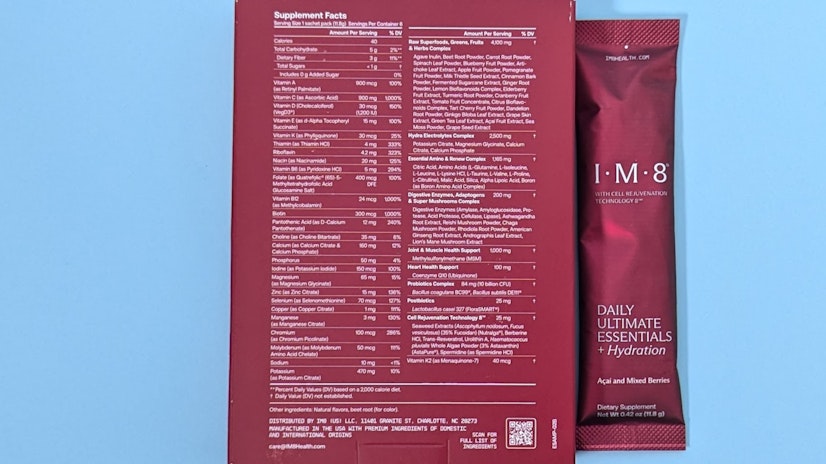
Photo by Innerbody Research
Nutrition
Daily Ultimate Essentials can be considered a high-potency multivitamin because it contains the full range of 13 essential vitamins and delivers many of them in amounts that exceed Recommended Daily Allowances (RDAs) or Adequate Intake (AI) values.1 On top of that, it provides 12 important minerals, four of which are electrolytes, as well as the nutrient choline. You need to consume each of these ingredients in sufficient amounts for your body to function properly;2 otherwise, a deficiency could manifest as fatigue, brittle nails, brittle bones, vision problems, bleeding, bruising, mood changes, and more.3
Here’s a massive chart to illustrate how well IM8 has formulated the multivitamin aspect of its Daily Ultimate Essentials with regard to RDA/AI, average adult intakes, and Upper Intake Levels (UL), as well as what flaws it bears.
Insider Tip: IM8 Daily Ultimate Essentials underwent a slight reformulation during this writing. Some doses went up. Some ingredients got nixed. The products we worked with had the old formulation, but the following sections detail the new one.
Vitamin A
IM8 dose: 900mcg / RDA: 700–900mcg / Average intake: 616–682mcg / UL: 3,000mcg4
Vitamin C
IM8 dose: 900mg / RDA: 90–120mg / Average intake: 83.6–105.2mg / UL: 2,000mg5
Vitamin D
IM8 dose: 50mcg / RDA: 15–20mcg / Average intake: 4.2–5.1mcg / UL: 100mcg6
Vitamin K
IM8 dose: 30mcg / AI: 90–120mcg / Average intake: 122–138mcg / UL: N/A9
Vitamin B1
IM8 dose: 4mg / RDA: 1.1–1.4mg / Average intake: 4.89–4.90mg / UL: N/A10
Vitamin B2
IM8 dose: 4.2mg / RDA: 1.1–1.6mg / Average intake: 4.5–4.7mg / UL: N/A11
Vitamin B3
IM8 dose: 20mg / RDA: 14–18mg / Average intake: 21.3–31.4mg / UL: 35mg12
Vitamin B6
IM8 dose: 5mg / RDA: 1.3–2.0mg / Average intake: 1.5–2.0mg / UL: 100mg15
Vitamin B9
IM8 dose: 400mcg / RDA: 400–600mcg / Average intake: 455–602mcg / UL: 1,000mcg18
Choline
IM8 dose: 55mg / AI: 425–550mg / Average intake: 278–402mg / UL: 3,500mg21
Calcium
IM8 dose: 150mg / RDA: 1,000–1,200mg / Average intake: 1,009–1,156mg / UL: 2,000–2,500mg22
Vitamin K2
IM8 dose: 100mcg / AI: 90–120mcg / Average intake: 164–182mcg / UL: N/A23
Magnesium
IM8 dose: 100mg / RDA: 310–420mg / Average intake: N/A / UL: 350mg26
Zinc
IM8 dose: 15mg / RDA: 8–12mg / Average intake: 12.6–16.4mg / UL: 40mg27
Copper
IM8 dose: 1mg (1,000mcg) / RDA: 900–1,300mcg / Average intake: 1,100–1,400mcg / UL: 10,000mcg30
Chromium
IM8 dose: 100mcg / AI: 25–45mcg / Average intake: 17–54mcg / UL: N/A33
Molybdenum
IM8 dose: 50mcg / RDA: 45mcg / Average intake: 76–109mcg / UL: 2,000mcg34
Sodium
IM8 dose: 5mg / RDA: Under 2,300mg / Average intake: 3,400mg / UL: 2,300mg35
Potassium
IM8 dose: 470mg / AI: 2,600–3,400mg / Average intake: 2,320–3,016mg / UL: N/A36
In most cases, IM8 can help the average American reach a recommended or adequate intake level. There are some shortfalls (e.g, choline and calcium), but also little danger of excessive consumption. Also, take note of the zinc and the copper. Zinc supplementation runs you the risk of copper depletion, so the presence of copper in this formula helps replace however much you may lose.37
So far, IM8 looks like it makes good on its promise to replace common supplements. Though it’s maybe not as excellent as our favorite top-shelf multivitamins for men or women, it generally outperforms your Centrums, One-a-Days, and other big-name OTCs at your local Walmart or Target.
Physical health
“Physical health” here refers to a number of things:
- Energy and performance
- Hydration
- Immune function
- Joint and muscle function
- Anti-inflammation
- Heart function
In Daily Ultimate Essentials, upwards of 40 ingredients, across five proprietary blends, address such concerns. The ingredients themselves are well-chosen, but at several points the dose doesn’t align with what has yielded results in clinical research. We break down said research below.
Raw Superfoods, Greens, Fruits & Herbs Complex (4,100mg)
The Raw Superfoods, Greens, Fruits & Herbs complex is the portion of the IM8 Essentials formula that most resembles a greens powder. In addition to vitamin- and antioxidant-rich whole foods such as blueberries, cranberries, carrots, and cinnamon, it includes several standout players that address more specific areas of health and wellness. There’s grape seed extract, a blood pressure modulator;38 milk thistle, a hepatoprotectant and reducer of diabetic biomarkers;39 40 and tart cherry, known to improve physical recovery and sleep health;41 42
For the ingredients we’ve highlighted, clinical doses are in the 150–400mg range. Probably not all of them are present at high enough levels to fall within the range, but given the large dose of the blend as a whole, we can assume that some are.
Hydra Electrolytes Complex (2,500mg)
Potassium citrate, magnesium glycinate, calcium citrate, and tricalcium phosphate make up the Daily Ultimate Essentials Hydra Electrolytes Complex. We’ve already covered these ingredients under “Nutrition.” There, you’ll find that potassium, magnesium, and calcium add up to 695mg of elemental electrolytes, so the rest of the blend’s dose weight comes from the structural components (citrate, glycinate, phosphate). At any rate, each component amount appears to be sufficient, though not excessive, to replace the amounts normally lost in sweat,45 46 47 so IM8 hits the mark here.
Interestingly, although Daily Ultimate Essentials contains sodium, this essential electrolyte isn’t listed among the Hydra Electrolytes Complex. The sodium content is also very low: just 5mg. You’d need to consume something like 300–600mg of sodium per hour of prolonged exercise to replenish your stores,102 so Daily Ultimate Essentials would not make for a sufficient peri-workout beverage.
Essential Amino & Renew Complex (1,580mg)
The Essential Amino & Renew Complex serves as an amino acid supplement. It contains eight aminos. Three of them (L-isoleucine, L-leucine, L-valine) are branched-chain amino acids, which support muscle growth and recovery.48 The other five aminos play other, more varied roles. Among other functions, L-glutamine is important for cell growth and function;49 L-proline is essential for collagen production and joint/tendon function;50 L-taurine supports digestion, hydration, immune function, and vision;51 L-citrulline may boost endurance and lower blood pressure;52 and L-lysine helps produce hormones and energy.53
The overall dose, however, is quite low compared to the best amino acid supplements on the market, so we wouldn’t say IM8 Daily Ultimate Essentials is a total replacement for a more dedicated health solution.
Joint & Muscle Health Support (1,500mg)
Here, the “blend” consists of a single ingredient: methylsulfonylmethane (MSM), a naturally occurring sulfur compound that can reduce inflammation, joint pain, and muscle pain.54 The standard MSM dose is 1.5–6.0g per day, so IM8 gives us a good amount.55 (By the way, MSM appears to be effective at reducing the visible signs of skin aging, too).56
Heart Health Support (100mg)
Again we have a single-ingredient “blend.” This time, the ingredient is coenzyme Q10 (CoQ10), an antioxidant with clinically demonstrated cardiovascular health benefits. In the multicenter, randomized, placebo-controlled Q-SYMBIO trial, a daily CoQ10 intake of 300mg was found to significantly reduce the incidence of a major adverse cardiovascular event in 15% of subjects (63 out of 420 participants),57 and a 2025 meta-analysis determined that long-term supplementation with doses as low as 100mg significantly reduced users’ systolic blood pressure.58
IM8 has perhaps too little CoQ10 to make a noticeable difference in, say, heart attack risk, but it seems well-dosed for people looking to alleviate hypertension.
Digestive Enzymes, Adaptogens & Super Mushrooms Complex (200mg)
This blend contains a duo of antioxidant-rich functional mushrooms that may help support your immune function. There’s reishi, found in a 2023 animal study to promote an “enhanced disease-defending [immune] system”;59 and chaga, which appears to have “anticancer, antioxidant, anti-diabetic, anti-inflammatory, antimicrobial, and immunomodulating properties,” per a 2024 review.60 (The blend once contained lion’s mane, which also has immunoregulatory and antimicrobial qualities, but it has been nixed in the reformulation).61
Thing is, dosing is a problem. The entire Digestive Enzymes, Adaptogens & Super Mushrooms Complex totals 200mg, of which the mushrooms constitute only a fraction. The sum amount is unlikely to make a meaningful difference in your immune health.
Cognitive and mental health
The aforementioned Digestive Enzymes, Adaptogens & Super Mushrooms Complex also contains ingredients aimed at improving cognitive function and mental health. These are:
- Rhodiola: a botanical that has been found to improve task performance and lower serum cortisol levels in 576mg doses63
- Ginseng: a root that, according to a 2024 review, contains components that “could be novel candidates for cognitive improvement in older individuals” for their ability to “improve [subjective memory impairment] cognition” when taken in doses of 100–600mg per day64
(Ashwagandha used to be part of the mix but has since been cut. That’s a shame since it’s capable of reducing stress by significant degrees.)62
The dosing issue remains. To deliver a clinically effective amount, the Digestive Enzymes, Adaptogens & Super Mushrooms Complex would need to exceed 700mg of the above three ingredients alone, which would be almost four times the amount used in Daily Ultimate Essentials.
But outside of this blend, there’s also saffron flower extract (an addition in the reformulation). At 30mg, the saffron has excellent potential to improve cognitive function and even reduce symptoms of depression and anxiety.43 44
Gut health and function
The gut health benefits of Daily Ultimate Essentials stem from several digestive enzymes, two strains of probiotics, and one strain of postbiotics.
The digestive enzymes (which round out the Digestive Enzymes, Adaptogens & Super Mushrooms Complex) are:
- Amylase: breaks down starches into glucose, thereby energizing your cells and organs.65
- Amyloglucosidase: a.k.a. glucoamylase, which also breaks down starches. Alongside other enzymes, it may improve digestion and bowel movements, reduce bloating, increase energy levels, and alleviate symptoms of leaky gut syndrome.66
- Proteases: break down proteins into polypeptides and individual amino acids. They “regulate the fate, localization, and activity of many proteins,” per one review,67 and a balance in protease activity is critical for maintaining gut health.68
- Cellulase: breaks down cellulose, a plant fiber, allowing you to derive energy from an indigestible compound.69 The body doesn’t produce its own cellulase and so must get it from exogenous sources.
- Lipase: breaks down fats. Without sufficient lipase, your body would have a tough time absorbing fat-soluble vitamins.70
As for the probiotics, IM8 provides 10 billion colony-forming units (CFU) of Bacillus coagulans BC99 and Bacillus subtilis DE111 together. Both strains have decent research support. A 2025 clinical trial concluded that 2 billion CFU/day of DC99 “significantly improved constipation symptoms, enhanced the quality of life, increased the levels of neurotransmitters ... positively associated with intestinal motility” in patients with chronic constipation,71 while a 2021 study determined that 1 billion CFU/day of DE111 “significantly improved gastrointestinal [GI] discomfort, including constipation and diarrhea,” in people with occasional GI irregularities.72
The postbiotic Lactobacillus casei 327 (25mg) plays an important supporting role. A 2024 study found that this strain, in the exact dose used in IM8, “improves the intestinal environment by increasing short-chain fatty acid–producing bacteria, suppressing putrefactive-producing bacteria, and improving defecation.”73
Essentials’ pro-/postbiotic combination appears to be well-formulated, doses and all. It’s the digestive enzymes that leave us wanting. Being part of the severely underdosed Digestive Enzymes, Adaptogens & Super Mushrooms Complex, they’re likely not abundant enough to enhance your gut health in noticeable ways.
Longevity
Both IM8 supplements have ingredients that promote cellular efficiency and longevity. There’s some overlap between them, as this table shows:
| Daily Ultimate Essentials | Daily Ultimate Longevity | |
|---|---|---|
| Pomegranate | ||
| Turmeric | ||
| Berberine | ||
| Trans-resveratrol | ||
| Haematococcus pluvialis | ||
| Spermidine | ||
| Glycine | ||
| Taurine | ||
| Quercetin | ||
| Fisetin | ||
| Nicotinamide mononucleotide (NMN) | ||
| Pyrroloquinoline quinone (PQQ) |
Our ongoing research on longevity supplements has shown us that these ingredients are wisely chosen. But in Daily Ultimate Essentials, they total just a little more than 100mg altogether. There’s practically no chance that any single ingredient is present in a high enough dose to affect your lifespan.
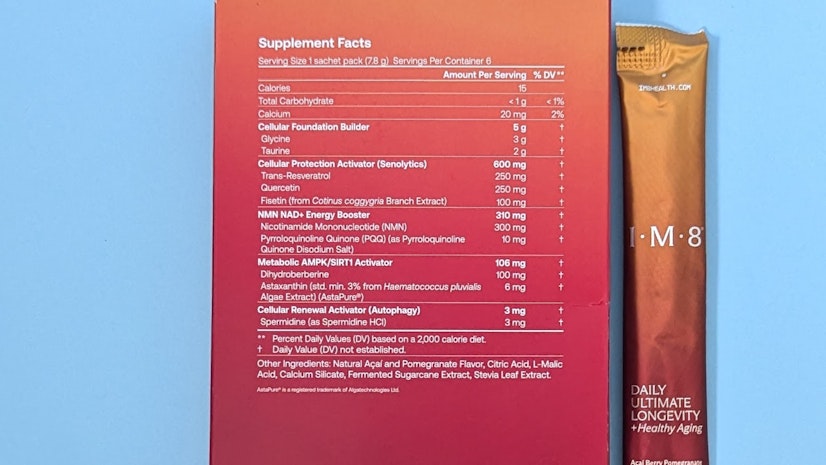
Photo by Innerbody Research
Daily Ultimate Longevity holds much more promise toward that end. With each ingredient dose clearly specified on the back label, we can reasonably assess its value as a longevity booster:
- Glycine (3,000mg): Human cell studies have demonstrated that glycine supplementation can restore mitochondrial function, a key aging factor.74 75 The 3,000mg dose in Daily Ultimate Longevity is a clinically relevant amount.103
- Taurine (2,000mg): Some researchers have posited that taurine deficiency is a driver of aging and poor healthspan.76 Though the National Institutes of Health have contradicted this assertion,77 taurine’s benefits for digestion, hydration, immune function, and vision could potentially improve quality of life in the aging subject.51 The 2,000mg dose here is within the clinical range.78
- Trans-resveratrol (250mg): Resveratrol’s utility as a longevity agent appears more limited than once believed, but it continues to exhibit promise for its ability to improve mitochondrial function and reduce inflammation. IM8’s 250mg dose is toward the low end but still potentially effective.79
- Quercetin (250mg): Typically in 100–500mg doses, quercetin may help improve lipid biomarkers, and lipid metabolism is a known longevity factor.80 81
- Fisetin (100mg): Recent research suggests that fisetin may restore oxidatively damaged biomolecules and prevent atherosclerosis.82 83 The 100mg dose here is clinically relevant.84
- NMN (300mg): NMN is an ingredient we’ve covered extensively. Apart from its cardiovascular benefits,85 it plays an integral role in a cellular pathway that produces NAD+, which helps sustain mitochondrial health and lowers your risk of age-related diseases.86 87 A 300mg dose is considered to be a clinically relevant amount.88
- PQQ (10mg): Human studies on PQQ have yielded optimistic implications for cognitive health in around 20mg doses.89 90 IM8’s dose falls short.
- Berberine (100mg): Researchers have described berberine as having “significant potential ... in anti-aging medicine,” with positive effects on quality of life and the prevention of chronic diseases.91 IM8 uses dihydroberberine, a more bioavailable form that has been shown to be effective at 100mg doses.92
- Astaxanthin (6mg): Like the other ingredients in Daily Ultimate Essentials, astaxanthin supplementation is linked to improvements in cardiovascular health,94 mitochondrial function,95 and oxidative stress.96 Effective doses start at 6mg.94 96
- Spermidine (3mg): Much of what we said about astaxanthin goes for spermidine as well.97 98 Clinical doses start at around 3mg.99
Except for the PQQ, all of the ingredients fall within a clinically effective range, albeit sometimes toward the low end of that range. That, plus the fact that every ingredient dose is specified, tells us that Daily Ultimate Longevity is the better-formulated product in the IM8 duo.
Is IM8 safe?
Both IM8 supplements are third-party tested and NSF Certified for Sport. All testing results are publicly available on a dedicated page of IM8’s website. What all this means is that IM8 is generally safe from an operational standpoint. You can be assured that your supplement is free of specific allergens (nuts, gluten, dairy, soy) and doesn’t contain unsafe levels of heavy metals or pathogens. You can also be sure you’re getting the ingredients listed on the label.
For some people, however, individual ingredients may pose health risks. Reishi and grape seed, for example, can interact with blood thinners and other medications, and their blood-pressure-lowering effects may make them unsuitable for anyone already taking blood pressure medicine.100 101 These two ingredients are by no means the only ones with contraindications, either. Given the enormity of the IM8 formulations, we strongly recommend discussing potential problem ingredients with your doctor.
How much does IM8 cost?
IM8 offers two individual supplements, one bundle, and two purchasing options. A table is the best way to lay it all out:
| Key contents | One-time $ | Subscription $ | |
|---|---|---|---|
| Daily Ultimate Essentials, 30-day supply | 30 single-serving packs | $112 ($3.73/serving) | $89/mo. ($2.97/serving) |
| Daily Ultimate Essentials, 90-day supply | 90 single-serving packs | N/A | $267 every 3 mos. ($2.97/serving) |
| Daily Ultimate Longevity, 30-day supply | 30 single-serving packs | $149 ($4.97/serving) | $119/mo. ($3.97/serving) |
| Daily Ultimate Longevity, 90-day supply | 90 single-serving packs | N/A | $312 every 3 mos. ($3.47/serving) |
| The Beckham Stack, 30-day supply | 30 single-serving packs each of Essentials and Longevity | $261 ($8.71/serving) | $196/mo. ($6.53/serving) |
| The Beckham Stack, 90-day supply | 90 single-serving packs each of Essentials and Longevity | N/A | $507 every 3 mos. ($5.63/serving) |
For perspective, these price points are higher than what you’d pay for something like our favorite greens powder, AG1. But in fairness, IM8 offers a broader range of potential health benefits than AG1, particularly in terms of physical performance and longevity. In that respect, IM8 comes in at a sort of bargain, although its up-front price tag remains beyond reach for most people.
At least subscriptions ship for free. Also, IM8’s return policy includes a 30-day money-back guarantee starting on the date of arrival. So your first order is risk-free, and 30 days ought to be enough time to evaluate some of IM8’s effects.
How does IM8 taste?
As of this writing, IM8 Daily Ultimate Essentials comes in three flavors plus a variety pack, whereas Daily Ultimate Longevity is available in only one:
- Daily Ultimate Essentials: Açaí + Mixed Berries, Lemon + Orange, Mango Passion Fruit
- Daily Ultimate Longevity: Açaí Berry Pomegranate
We’ve tried the Longevity flavor as well as Essentials’ Açaí + Mixed Berries. Both have a light, fruity taste sweetened just enough to accentuate the natural flavors. They aren’t exactly punchy, but neither are they unpleasant in plain water or a smoothie. In fact, our testers outright enjoyed sipping them.
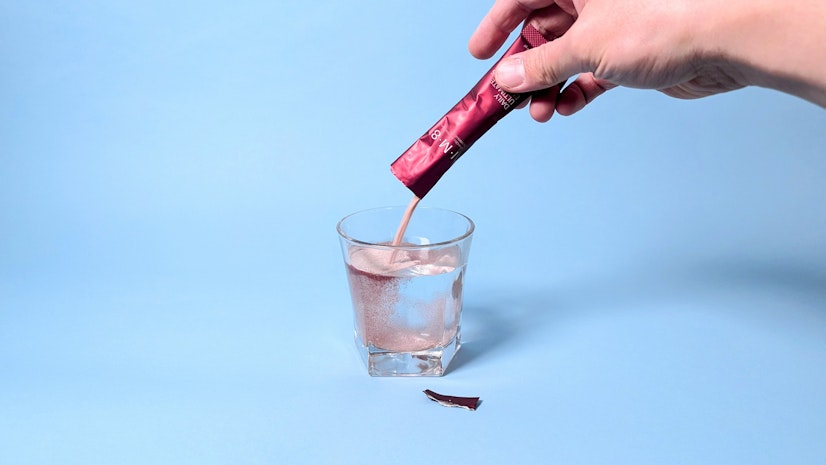
Photo by Innerbody Research
They’re surprisingly close in taste to fresh juice, despite having added sweetener. The closest commercial comparison would be something like a Naked Juice.
Insider Tip: Outside of a blender, a cocktail shaker is the best way to mix IM8 powder. For what it’s worth, Essentials and Longevity together, in double the water, make for a nice-tasting quasi-cocktail.

Photo by Innerbody Research
Who is IM8 for (and not for)?
IM8’s Daily Ultimate Essentials and Daily Ultimate Longevity serve different audiences.
- Essentials is best suited for people who want to begin a streamlined supplement routine that satisfies their nutritional, physical, and gut health needs. It’s also a sensible alternative for people who want to simplify an already inflated supplement regimen. In the long run, with Essentials replacing multiple separate supplements, they could see considerable savings
- Longevity is for people who want to leverage the strength of multiple well-studied lifespan- and healthspan-boosting ingredients. (Essentials may include a longevity blend, but it’s hardly robust enough to make a difference.)
Of course, anyone with an intolerance or contraindication for IM8’s ingredients would not be a suitable candidate for use. Broadly, the same goes for women who are pregnant or breastfeeding, although that’s more of an individual matter to be discussed with a medical professional.
Even for indicated users, IM8 should be approached with tempered expectations. We’re speaking specifically about Daily Ultimate Essentials, whose dosing falls short when it comes to certain areas of purported benefit — muscle growth and recovery, immune function, heart health, cognitive health. In that regard, you may be better off including other supplements, as long as your overall intake of certain ingredients doesn’t exceed a tolerable limit. Either that, or accepting that Daily Ultimate Essentials doesn’t cover every health need that IM8 claims.
IM8 FAQ
Sources
Innerbody uses only high-quality sources, including peer-reviewed studies, to support the facts within our articles. Read our editorial process to learn more about how we fact-check and keep our content accurate, reliable, and trustworthy.
Office of Dietary Supplements. (2024). Multivitamin/mineral supplements: Fact sheet for health professionals. National Institutes of Health.
MedlinePlus. (2025). Vitamins. National Library of Medicine.
Cleveland Clinic. (2025). Vitamin deficiency. Cleveland Clinic.
Office of Dietary Supplements. (2025). Vitamin A and carotenoids: Fact sheet for health professionals. National Institutes of Health.
Office of Dietary Supplements. (2025). Vitamin C: Fact sheet for health professionals. National Institutes of Health.
Office of Dietary Supplements. (2025). Vitamin D: Fact sheet for health professionals. National Institutes of Health.
Office of Dietary Supplements. (2021). Vitamin E: Fact sheet for health professionals. National Institutes of Health.
University of Wisconsin Integrative Health Department of Family Medicine and Community Health. (n.d.). Dietary supplement guide: Vitamin E. University of Washington School of Medicine and Public Health.
Office of Dietary Supplements. (2021). Vitamin K: Fact sheet for health professionals. National Institutes of Health.
Office of Dietary Supplements. (2023). Thiamin: Fact sheet for health professionals. National Institutes of Health.
Office of Dietary Supplements. (2022). Riboflavin: Fact sheet for health professionals. National Institutes of Health.
Office of Dietary Supplements. (2022). Niacin: Fact sheet for health professionals. National Institutes of Health.
Office of Dietary Supplements. (2021). Panthothenic acid: Fact sheet for health professionals. National Institutes of Health.
Linus Pauling Institute Micronutrient Information Center. (2023). Panthothenic acid. Oregon State University.
Office of Dietary Supplements. (2023). Vitamin B6: Fact sheet for health professionals. National Institutes of Health.
Office of Dietary Supplements. (2022). Biotin: Fact sheet for health professionals. National Institutes of Health.
Linus Pauling Institute Micronutrient Information Center. (2022). Biotin. Oregon State University.
Office of Dietary Supplements. (2022). Folate: Fact sheet for health professionals. National Institutes of Health.
Office of Dietary Supplements. (2025). Vitamin B12: Fact sheet for health professionals. National Institutes of Health.
Ashley, R. D. (2018). Are large doses of B12 safe? UCLA Health.
Office of Dietary Supplements. (2022). Choline: Fact sheet for health professionals. National Institutes of Health.
Office of Dietary Supplements. (2025). Calcium: Fact sheet for health professionals. National Institutes of Health.
Office of Dietary Supplements. (2021). Vitamin K: Fact sheet for health professionals. National Institutes of Health.
Office of Dietary Supplements. (2024). Iodine: Fact sheet for health professionals. National Institutes of Health.
Wambogo, E., et al. (2025). Total iodine intake from foods and beverages, and top food sources for the U.S population, NHANES 2011–2018. Current Developments in Nutrition, 8(Supplement 2),102526.
Office of Dietary Supplements. (2026). Magnesium: Fact sheet for health professionals. National Institutes of Health.
Office of Dietary Supplements. (2026). Zinc: Fact sheet for health professionals. National Institutes of Health.
Office of Dietary Supplements. (2025). Selenium: Fact sheet for health professionals. National Institutes of Health.
RxList. (n.d.). Selenium. RxList.
Office of Dietary Supplements. (2022). Copper: Fact sheet for health professionals. National Institutes of Health.
Office of Dietary Supplements. (2021). Manganese: Fact sheet for health professionals. National Institutes of Health.
Linus Pauling Institute Micronutrient Information Center. (2021). Manganese. Oregon State University.
Office of Dietary Supplements. (2022). Chromium: Fact sheet for health professionals. National Institutes of Health.
Institute of Medicine Panel on Micronutrients (2001). Dietary reference intakes for vitamin A, vitamin K, arsenic, boron, chromium, copper, iodine, iron, manganese, molybdenum, nickel, silicon, vanadium, and zinc. National Library of Medicine.
U.S. Food & Drug Administration. (2024). Sodium in your diet. FDA.
Office of Dietary Supplements. (2022). Potassium: Fact sheet for health professionals. National Institutes of Health.
Duncan, A., et al. (2015). The risk of copper deficiency in patients prescribed zinc supplements. Journal of Clinical Pathology, 68, 723-725.
Schön, C., et al. (2021). Grape seed extract positively modulates blood pressure and perceived stress: A randomized, double-blind, placebo-controlled study in healthy volunteers. Nutrients, 13(2), 654.
Loguercio, C., et al. (2007). The effect of a silybin–vitamin E–phospholipid complex on nonalcoholic fatty liver disease: A pilot study. Digestive Diseases and Sciences, 52(9), 2387-2395.
Huseini, H. F., et al. (2006). The efficacy of Silybum marianum (L.) Gaertn. (Silymarin) in the treatment of type II diabetes: A randomized, double-blind, placebo-controlled, clinical trial. Phytotherapy Research, 20(12), 1036-1039.
Vitale, K. C., Hueglin, S., & Broad, E. (2017). Tart cherry juice in athletes: A literature review and commentary. Current Sports Medicine Reports, 16(4), 230-239.
Howatson, G., et al. (2012). Effect of tart cherry juice (Prunus cerasus) on melatonin levels and enhanced sleep quality. European Journal of Nutrition, 51(8), 909-916.
Avgerinos, K. I., et al. (2020). Effects of saffron (Crocus Sativus L.) on cognitive function. A systematic review of RCTs. Neurological Sciences, 41(10), 2747-2754.
Shafiee, A., et al. (2025). Effect of saffron versus selective serotonin reuptake inhibitors (SSRIs) in treatment of depression and anxiety: A meta-analysis of randomized controlled trials. Nutrition Reviews, 83(3), e751-e761.
Consolazio, C. F., et al. (1962). Relationship between calcium in sweat, calcium balance, and calcium requirements. The Journal of Nutrition, 78(1), 78-88.
Beller, G. A., et al. (1975). Changes in serum and sweat magnesium levels during work in the heat. Aviation, Space, and Environmental Medicine, 46(5), 709-712.
St-Jules, D. E., et al. (2020). Managing hyperkalemia: Another benefit of exercise in people with chronic kidney disease? Journal of Renal Nutrition, 30(5), 380-383.
Fedewa, M. V., et al. (2019). Effect of branched-chain amino acid supplementation on muscle soreness following exercise: A meta-analysis. International Journal for Vitamin and Nutrition Research, 89(5-6), 348-356.
Mayo Clinic. (2026). Glutamine (Oral route). Mayo Clinic.
DrugBank. (2026). Proline. DrugBank.
Cleveland Clinic. (2023). A quick tour of taurine. Cleveland Clinic.
Cleveland Clinic. (2023). What is citrulline? Cleveland Clinic.
Cleveland Clinic. (2021). Amino acids. Cleveland Clinic.
Butawan, M., Benjamin, R. L., & Bloomer, R. J. (2017). Methylsulfonylmethane: Applications and safety of a novel dietary supplement. Nutrients, 9(3), 290.
Drugs.com. (2025). Methylsulfonylmethane. Drugs.com.
Muizzuddin, N., & Benjamin, R. (2022). Beauty from within: Oral administration of a sulfur-containing supplement methylsulfonylmethane improves signs of skin ageing. International Journal for Vitamin and Nutrition Research, 92(3-4), 182-191.
DiNicolantonio, J. J., et al. (2015). Coenzyme Q10 for the treatment of heart failure: A review of the literature. Open Heart, e000326.
Karimi, M., et al. (2025). Effects of coenzyme Q10 administration on blood pressure and heart rate in adults: A systematic review and meta-analysis of randomized controlled trials. International Journal of Cardiology Cardiovascular Risk and Prevention, 26, 200424.
Saha, T. K., et al. (2023). Immuno-physiological effects of dietary reishi mushroom powder as a source of beta-glucan on rohu, Labeo rohita challenged with Aeromonas veronii. Scientific Reports, 13, 14652.
Camilleri, E., et al. (2024). A brief overview of the medicinal and nutraceutical importance of Inonotus obliquus (Chaga) mushrooms. Heliyon, 10(15), e35638.
Contato, A. G., & Conte-Junior, C. A. (2025). Lion’s mane mushroom (Hericium erinaceus): A neuroprotective fungus with antioxidant, anti-inflammatory, and antimicrobial potential — a narrative review. Nutrients, 17(8), 1307.
Office of Dietary Supplements. (2025). Ashwagandha: Is it helpful for stress, anxiety, or sleep? National Institutes of Health.
Olsson, E. M., Von Schéele, B., & Panossian, A. G. (2009). A randomised, double-blind, placebo-controlled, parallel-group study of the standardised extract shr-5 of the roots of Rhodiola rosea in the treatment of subjects with stress-related fatigue. Planta Medica, 75(2), 105-112.
Lee, R., et al. (2024). Emerging evidence that ginseng components improve cognition in subjective memory impairment, mild cognitive impairment, and early Alzheimer's disease dementia. Journal of Ginseng Research, 48(3), 245-252.
Akinfemiwa, O., Zubair, M., & Muniraj, T. (2023). Amylase. StatPearls [Internet].
Wang, Q., et al. (2019). Safety and efficacy of N-SORB®, a proprietary KD120 MEC metabolically activated enzyme formulation: A randomized, double-blind, placebo-controlled study. Journal of the American College of Nutrition, 38(7), 577-585.
López-Otín, C., & Bond, J. S. (2008). Proteases: Multifunctional enzymes in life and disease. The Journal of Biological Chemistry, 283(45), 30433-30437.
Deraison, C., & Vergnolle, N. (2026). Proteases in intestinal health and disease. Nature Reviews Gastroenterology & Hepatology, 23(1), 6-28.
Ejaz, U., Sohail, M., & Ghanemi, A. (2021). Cellulases: From bioactivity to a variety of industrial applications. Biomimetics, 6(3), 44.
Johns Hopkins Medicine. (n.d.). The digestive process: What is the role of your pancreas in digestion? Johns Hopkins University.
Fan, Q., et al. (2025). Weizmannia coagulans BC99 relieves constipation symptoms by regulating inflammatory, neurotransmitter, and lipid metabolic pathways: A randomized, double-blind, placebo-controlled trial. Foods, 14(4), 654.
Cuentas, A., et al. (2017). The effect of Bacillus subtilis DE111 on the daily bowel movement profile for people with occasional gastrointestinal irregularity. Journal of Probiotics & Health, 5, 1-4.
Senda-Sugimoto, Y., et al. (2024). Effects of Lacticaseibacillus paracasei 327 intake on the intestinal environment in healthy adult Japanese: A randomized, double-blind, placebo-controlled, parallel-group trial. Functional Foods in Health and Disease, 14(3), 184-206.
Johnson, A. A., & Cuellar, T. L. (2023). Glycine and aging: Evidence and mechanisms. Ageing Research Reviews, 87, 101922.
Chistiakov, D. A., et al. (2014). Mitochondrial aging and age-related dysfunction of mitochondria. BioMed Research International, 2014, 238463.
Singh, P., et al. (2023). Taurine deficiency as a driver of aging. Science, 380, eabn9257.
National Institutes of Health. (2025). NIH researchers conclude that taurine is unlikely to be a good aging biomarker. NIH.
Drugs.com. (2025). Taurine. Drugs.com.
Brown, K., et al. (2024). Resveratrol for the management of human health: How far have we come? A systematic review of resveratrol clinical trials to highlight gaps and opportunities. International Journal of Molecular Sciences, 25(2), 747.
Noshadi, N., et al. (2024). The effect of quercetin supplementation on the components of metabolic syndrome in adults: A systematic review and dose-response meta-analysis of randomized controlled trials. Journal of Functional Foods, 116, 106175.
Johnson, A. A., & Stolzing, A. (2019). The role of lipid metabolism in aging, lifespan regulation, and age‐related disease. Aging Cell, 18(6), e13048.
Spiegel, M. (2024). Fisetin as a blueprint for senotherapeutic agents — elucidating geroprotective and senolytic properties with molecular modeling. Chemistry — A European Journal, 31(16), e202403755.
Yu, W., et al. (2025). The natural polyphenol fisetin in atherosclerosis prevention: A mechanistic review. Journal of Pharmacy and Pharmacology, 77(2), 206-221.
Farsad-Naeimi, A., et al. (2018). Effect of fisetin supplementation on inflammatory factors and matrix metalloproteinase enzymes in colorectal cancer patients. Food & Function, 9, 2025-2031.
Katayoshi, T., et al. (2023). Nicotinamide adenine dinucleotide metabolism and arterial stiffness after long-term nicotinamide mononucleotide supplementation: A randomized, double-blind, placebo-controlled trial. Scientific Reports, 13, 2786.
Yusri, K., Jose, S., Vermeulen, K. S., Tan, T. C., & Sorrentino, V. (2025). The role of NAD+ metabolism and its modulation of mitochondria in aging and disease. Npj Metabolic Health and Disease, 3(1), 26.
Franco, R., & Vargas, M. R. (2018). Redox biology in neurological function, dysfunction, and aging. Antioxidants & Redox Signaling, 28(18), 1583-1586.
Yi, L., et al. (2022). The efficacy and safety of β-nicotinamide mononucleotide (NMN) supplementation in healthy middle-aged adults: A randomized, multicenter, double-blind, placebo-controlled, parallel-group, dose-dependent clinical trial. GeroScience, 45, 29-43.
Nakano, M., et al. (2016). Effects of antioxidant supplements (Biopqq™) on cerebral blood flow and oxygen metabolism in the prefrontal cortex. Advances in Experimental Medicine and Biology, 923, 215-222.
Shiojima, Y., et al. (2022). Effect of dietary pyrroloquinoline quinone disodium salt on cognitive function in healthy volunteers: A randomized, double-blind, placebo-controlled, parallel-group study. Journal of the American Nutrition Association, 41(8), 796-809.
Martín-Latorre, M., Lozano-Paniagua, D., & Nievas-Soriano, B. J. (2025). Caloric restriction mimetics: Effects of spermidine and berberine on healthy longevity and prevention of aging-associated diseases. Nutrición Clínica y Dietética Hospitalaria, 45(1).
Agarwal, A., et al. (2025). The health benefits of dihydroberberine 100 MG capsules: A review. International Journal of Pharmaceutical Sciences, 3(9), 1815-1827.
Ulbricht, C., et al. (2013). Seaweed, kelp, bladderwrack (Fucus vesiculosus): An evidence-based systematic review by the Natural Standard Research Collaboration. Alternative and Complementary Therapies, 19(4), 217-230.
Laurindo, L. F., et al. (2025). Assessing the effects of moderate to high dosage of astaxanthin supplementation on lipid profile parameters — a systematic review and Meta-analysis of randomized controlled studies. Pharmaceuticals, 18(8), 1097.
Bjørklund, G., et al. (2022). The role of astaxanthin as a nutraceutical in health and age-related conditions. Molecules, 27(21), 7167.
Nakagawa, K., et al. (2011). Antioxidant effect of astaxanthin on phospholipid peroxidation in human erythrocytes. British Journal of Nutrition, 105(11), 1563-1571.
Eisenberg, T., et al. (2009). Induction of autophagy by spermidine promotes longevity. Nature Cell Biology, 11(11), 1305-1314.
LaRocca, T. J., et al. (2013). The autophagy enhancer spermidine reverses arterial aging. Mechanisms of Ageing and Development, 134(7-8), 314-320.
Pekar, T., et al. (2021). The positive effect of spermidine in older adults suffering from dementia: First results of a 3-month trial. Wiener klinische Wochenschrift, 133(9-10), 484-491.
Memorial Sloan Kettering Cancer Center. (2023). Reishi mushroom. Sloan Kettering Institute.
Drugs.com. (n.d.). Grape seed. Drugs.com.
Veniamakis, E., et al. (2022). Effects of sodium intake on health and performance in endurance and ultra-endurance sports. International Journal of Environmental Research and Public Health, 19(6).
McCarty, M. F., & DiNicolantonio, J. J. (2018). Dietary glycine is rate-limiting for glutathione synthesis and may have broad potential for health protection. The Ochsner Journal, 18(1), 81-87.

Copyright © Innerbody Research 1997 - 2025. All Rights Reserved.