Best supplements to lower blood sugar
We explain how an over-the-counter supplement can meaningfully decrease blood sugar values, and what that could do for your overall health.

Photo by Innerbody Research
Most people have some idea that blood sugar fulfills a crucial role in one’s overall health, even if they aren’t entirely certain how. At the least, they understand that eating causes blood sugar levels to rise, and that it’s no good to have high levels for too long.
What many people may not know is that it’s possible to manage high blood sugar with over-the-counter supplements. The overall health benefit may not be as substantial as one might have with prescription solutions, such as metformin, but it’s often enough to help with some prediabetic values.
The best such supplements are the subject of this guide. See our summary of recommendations below for the rundown, and then read further to learn the reasoning behind our selections.
Summary of recommendations
- Best for most people: Innerbody Labs Berberine+
- Best for people with seasonal allergies/asthma: Triquetra TQ-Advanced Black Seed Oil 5% Thymoquinone
- Best extensive formula: Glucocil
- Budget pick: Terrasoul Psyllium Husk Powder

Berberine+ offers two clinically supported ingredients for lowering blood sugar, both at clinically relevant doses.
At this time, berberine is the supplement with the most complete research evidence behind its blood sugar–lowering effects, and Innerbody Labs offers it in its most bioavailable form. In addition, it contains 100mg of curcumin, an ingredient that may further reduce blood sugar values while mitigating the potential gastrointestinal side effects of berberine.
Jump to:
Why you should trust us
Over the past two decades, Innerbody Research has helped tens of millions of readers make more informed decisions about staying healthy and living healthier lifestyles.
We built the foundation of this guide on the mechanics of how the human body uses blood sugar and the ways a person can influence these processes. The effort involved studying around 170 medical and scientific sources across nearly 350 hours of clock time. With the knowledge we gained, we were able to view the supplements market through a lens that identified the most effective supplement types and the specific brands whose products’ qualities aligned with the research. Those are the brands we purchased and tried ourselves.
Additionally, like all health-related content on this website, this guide was thoroughly vetted by one or more members of our Medical Review Board for accuracy and will continue to be monitored for updates by our editorial team.
How we evaluated blood sugar supplements
We rated the market’s best blood sugar supplements based on four straightforward criteria that are likely to move consumer decisions:
- Effectiveness
- Safety
- Cost
- Ease of use
Here’s what stood out in each category:
Effectiveness
Advantage: Innerbody Labs Berberine+
Among supplemental approaches to lowering blood sugar, berberine has probably the strongest overall clinical evidence of efficacy at this time. In a 2024 systematic review and meta-analysis of 50 studies, berberine was found to decrease fasting glucose by roughly 11mg/dL,52 which is significantly better than the 6.89mg/dL seen with psyllium husk,44 while research on black seed oil’s effects is still relatively young.
And among berberine supplements, Innerbody Labs stands out for two reasons:
- It uses Berbevis, which has a tenfold superior bioavailability compared with the more common berberine HCl.73
- It contains curcumin, which may offer additional blood sugar–lowering potential in addition to protection from gastrointestinal side effects.55
Also, the fact that it’s a capsule supplement can’t hurt in terms of encouraging regular use, which we might consider to be an adjacent factor to effectiveness.
Glucocil is a capsule supplement, too, and it contains berberine, but it uses the less bioavailable HCl form, and its doses are hidden behind a proprietary blend. While it has been assessed specifically in at least one clinical trial, that trial was partially written by a researcher at Neuliven Health, which makes Glucocil. It’s therefore impossible to measure it against what impartial research has to say about its potential efficacy.
Safety
Advantage: Terrasoul Psyllium Husk Powder
In addition to being third-party tested, as all of our recommendations are, Terrasoul Psyllium Husk Powder is almost entirely soluble fiber, and what ill can be spoken about that? As long as you take sufficient water with the powder and continue to drink water throughout the day, the primary safety risk (intestinal blockage) becomes practically nil for most users. The one additional concern relates to other supplements or medications you may need to take, as psyllium husk can delay their absorption. But that’s less an issue of safety than of timing.
Meanwhile, black seed oil and berberine pose more serious risks. With black seed oil, you have to worry about potential thymoquinone toxicity and antiplatelet/blood pressure–lowering effects, which can interact with blood pressure meds.49 With berberine, the big worry is its interaction with cytochrome P450 liver enzymes, which can lead to compromised immune function, slow healing, and decreased blood pressure if it’s combined with certain medications.
Neither Innerbody Labs, Triquetra, nor Glucocil is inherently dangerous, but they do present a more complex safety profile than Terrasoul.
Cost
Advantage: Terrasoul Psyllium Husk Powder
The two most cost-effective products in this guide are Terrasoul’s psyllium husk and Triquetra’s black seed oil. Terrasoul clearly has the advantage in terms of base price.
When you adjust for clinically relevant dosing protocols, the real cost values get much closer, but Terrasoul retains the edge. Here’s what we mean:
| Terrasoul | Triquetra | |
|---|---|---|
| Per-serving dose | 5g psyllium husk | 2g black seed oil |
| Rec’d servings/day | 2 | 0.5 |
| Lowest cost per rec’d serving | $0.18 | $0.38 |
| Lowest cost per daily rec’d servings | $0.36 | $0.38 |
| Lowest monthly equivalent cost | $10.73 | $11.04 |
Terrasoul’s overall cost is just a bit lower. It’s not much, but enough to earn it the designation of Most Affordable Blood Sugar Supplement.
Innerbody Labs isn’t much pricier, at least with regard to base price. It costs just $30 as a one-time purchase, and a six-month subscription brings down the monthly equivalent cost to $22.50. Either price point is better than Glucocil, which goes for roughly $50 (one-time) and $45 (subscription).
Ease of use
Advantage: Innerbody Labs Berberine+
With Innerbody Labs Berberine+, the dosing regimen goes like this: take one capsule. That’s it. There’s no real taste to contend with or an absolute need to take more than one dose.
Let’s compare that with Glucocil, our other capsule recommendation:
- Days 1–3: Take one capsule with lunch. Take another capsule with dinner.
- Day 4 onward: Take two capsules with lunch, and another two with dinner.
That’s 2–4 times the quantity of capsules you’d need to take with Innerbody, and a convoluted step-up protocol to boot.
Terrasoul and Triquetra can be a drag, too, since neither psyllium husk nor black seed oil is loved for its flavor. The former can be described as clay-like, and the latter as bitter and peppery. Both require a fair degree of taste tolerance that could impede regimen compliance.
How the best blood sugar supplements compare
Before we dive deep into the ins and outs of blood sugar, check out this quick-comparison table of our top recs (one-time and subscription costs have been rounded to the nearest dollar):
| Innerbody | Triquetra | Glucocil | Terrasoul | |
|---|---|---|---|---|
| One-time $ | $30 | $26 | $50 | $20 (16oz); $73 (4.5lb) |
| Subscription $ | $23–$26 | $22 | $45 | $16 (16oz); $58 (4.5lb) |
| Active ingredients | Berbevis, curcumin | Black seed oil | Berberine HCl, alpha-lipoic acid, mulberry leaf extract, Gymnema extract, veldt grape extract, banaba extract, insulina, cinnamon, fish oil (optional) | Psyllium husk |
| Shipping | Free for orders over $50; otherwise $6.99 | Free for subscribers and orders over $75; otherwise $7 | Free | Free for orders over $49; otherwise $7.99 |
| Third-party tested? |
What is blood sugar?
Blood sugar refers to glucose, broken down from carbohydrates and proteins. Every time you eat, the amount of glucose in your bloodstream increases. In response, your pancreas releases insulin, which drives the glucose from your bloodstream and into your cells.
In your cells, glucose goes one of two ways:
- It’s used for immediate energy needs. In this case, it’s converted to adenosine triphosphate (ATP), the principal molecule responsible for energy exchange. ATP, in turn, helps power numerous bodily processes, including but not limited to muscle contraction, nerve signaling, hormone synthesis, and cell division.1
- It’s kept as reserved energy. Specifically, it’s converted to glycogen and stored in the liver and skeletal muscles.
The concentration of glucose in your bloodstream is known as your blood sugar level. In a fasted state, when one hasn’t eaten for at least eight hours, an adult’s blood sugar level ought to be 70–99mg per deciliter (mg/dL) of blood.2 Once the fast is broken, levels fluctuate throughout the day, spiking after every meal but tending to normalize within two hours of eating.3 A blood sugar level under 180mg/dL within the two-hour postprandial window is generally considered normal.4
In some people, however, blood sugar levels are higher than normal in both fasted and postprandial states.
What causes high blood sugar?
When we say “high blood sugar,” we aren’t talking about the relatively brief spikes that occur after eating. Instead, we mean chronically or prolonged elevated glucose levels. That is, hyperglycemia.
Hyperglycemia is what happens when your body either has too little insulin or can’t use its insulin properly. Its possible etiologies can be boiled down to the following:5
Diabetes
Diabetes is a chronic metabolic disease characterized by a fasting blood glucose level of at least 126mg/dL (100–125mg/dL is classified as prediabetes). It’s most commonly classified as either type 1 or type 2. In type 1 diabetes, an autoimmune disease, your body doesn’t make insulin; in type 2, your cells have acquired insulin resistance.
Type 2 diabetes is the most common form, accounting for around 90% of all diabetes cases in the United States.6 It can stem from various causes, including:7
Poor diet and excess body fat
Frequently eating calorie-dense foods promotes weight gain and fat accumulation around or within the organs and muscles, triggering a cascade of biological events involving inflammation and fibrosis, which renders the tissues less responsive to insulin. The pancreas responds by producing even more insulin, and if it can’t sustain the overdrive, the body no longer has enough of the hormone to transfer blood glucose into the cells.8
Physical inactivity
Hormonal disorders
Several hormonal disorders can cause diabetes either directly or indirectly. These include Cushing syndrome, which leads to insulin resistance;11 acromegaly and polycystic ovary syndrome (PCOS), which are also comorbid with insulin resistance;12 13 and hyperthyroidism, which is marked by faster insulin metabolism, truncating the time in which insulin can do its work.14
Pregnancy
Chronic stress and/or sleeplessness
Stress and sleeplessness can lead to diabetes through a common pathway. Both increase cortisol levels, triggering the release of stored glucose and decreasing how much insulin is released by the pancreas.17 When stress and sleeplessness become chronic, the pattern is sustained, potentially leading to insulin resistance.18
Certain medications
Numerous medications can increase blood sugar levels by virtue of their mechanisms of action. The following is a nonexhaustive list:19
- Glucocorticoids, such as prednisone, inhibit the activity of a transporter called GLUT4, which controls glucose uptake into muscle cells, and simultaneously upregulate enzymes involved in creating new glucose, even in the presence of insulin.
- Protease inhibitors, which include glucocorticoids, may suppress GLUT4 as well.
- Thiazides, commonly known as diuretics, reduce potassium levels, resulting in decreased insulin production. They may also inhibit the insulin-release response to glucose and contribute to insulin resistance.
- Antipsychotics increase appetite, potentially leading to weight gain, a risk factor for hyperglycemia and diabetes. In addition, they can injure pancreatic beta cells, which produce insulin, and interfere with insulin signaling, leading to resistance.
- Statins may contribute to insulin resistance via inflammation or because statin users feel more enabled to consume calorie-dense foods. Alternatively, they may lead to pancreatic beta cell death, thereby decreasing insulin production.
- Beta-blockers commonly cause weight gain, a risk factor for hyperglycemia, and may further inhibit insulin release while decreasing insulin sensitivity.
- Phenytoin, an anticonvulsant, is also believed to inhibit insulin release and decrease insulin sensitivity.
Consequences of high blood sugar: Why you need to manage it
The effects of high blood sugar range in severity depending on how high and how long it’s elevated.
Immediate effects
For people without diabetes, the duration of postprandial blood sugar elevation and the attendant effects depend on what one has eaten. High glycemic index foods — sugar and other simple carbohydrates, like white bread and white rice — generally cause the highest spikes: they offer immediate energy, but unless they’re balanced by fiber, protein, and healthy fats, blood sugar quickly drops, and the once-high energy load descends into sluggishness and cravings for more food.20 21
For people with diabetes, the effects are more defined. One may have a frequent need to urinate as the body tries to expel the excess glucose through bodily waste, which in turn leads to increased thirst.22 One may also experience blurred vision as glucose causes the optical lenses to swell with fluid,23 as well as fatigue from the diabetic body’s inability to use the circulating glucose for energy.24
Effects over time
Nondiabetics with frequent glucose fluctuations become susceptible to several biological changes given enough time on the cycle of high spike and big crash: endothelial dysfunction, oxidative stress, and inflammation.25 These changes have negative implications for cardiovascular health.
Of course, too, high glucose fluctuations can eventually develop into type 2 diabetes over several years.
Once diabetes develops, an inability to manage blood sugar levels can advance to serious multi-system complications:
Eyes
Excess blood sugar can damage the blood vessels feeding the retina, cutting off blood supply completely. This is called diabetic retinopathy. The eyes compensate by producing new blood vessels, which leak when they don’t develop properly. The end stage of the pathology is vision loss.26 Unmanaged sugar levels may also lead to cataracts when glucose in the lenses converts to sorbitol. The sorbitol accumulates in the lenses, damaging their cells and proteins to the point that the eyes become cloudy.27
Extremities
In a condition called diabetic neuropathy, excess blood sugar damages the body’s nerves, most often in the legs and feet. It typically presents as pain, numbness, and hard-to-heal injuries or infections. Left untreated, the affected extremities may need to be amputated.28
Heart
Kidneys
In diabetic nephropathy, high blood sugar levels damage clusters of kidney blood vessels responsible for filtration. Over time, the damage potentially leads to kidney failure.31
Mouth
High blood sugar causes glucose buildup in the saliva, which feeds bacteria that cause plaque. The plaque may then harden into tartar, which causes gum disease that can, in turn, cause dental bone loss.32
Sexual function
Diabetes is often linked with sexual health because it’s comorbid with other health conditions that affect libido and blood flow to the sexual organs: overweight, obesity, atherosclerosis, and low testosterone. Consequently, men with diabetes may have erectile dysfunction, and women may experience vaginal dryness.33
Urinary function
Apart from frequent urination, people with diabetes are also more prone to infections of the bladder and urinary tract. Again, it’s due to excess glucose. With more of it in your urine, harmful bacteria are better able to feed, multiply, and colonize.34
What are blood sugar supplements, and how do they work?
A blood sugar supplement is any over-the-counter ingestible health product that can make a meaningful difference in one’s blood sugar levels. Broadly speaking, they affect how the body either absorbs glucose into the bloodstream, responds to insulin, or a combination thereof, with perhaps additional mechanisms related to pancreatic function.
The ingredients with the strongest scientific support for blood sugar control are berberine, black seed oil, and psyllium husk. In the following sections, we discuss their respective mechanisms of action and clinical outcomes.
Berberine
The alkaloid berberine appears to lower blood sugar levels principally via these mechanisms:
- AMPK activation: AMPK is an enzyme that monitors cellular energy levels and plays a role in glycolysis. Because glycolysis is a key step in breaking down glucose for transport into cells, AMPK activation may improve glucose uptake.35 Indeed, in a 2008 rat study, berberine administration correlated with increased glycolysis and improved insulin sensitivity.36
- Reduced liver gluconeogenesis: Gluconeogenesis is the process by which new glucose molecules are synthesized from amino acids, propionate, and other precursors. It takes place primarily in the liver, and typically during states of prolonged fasting or exercise.37 Berberine’s inhibitory effect on liver gluconeogenesis has been observed in rats, as in a 2015 study where it “downregulated protein expression of the key gluconeogenic enzymes.”38
- Reduced glucose absorption: In a 2021 mouse study, researchers observed that berberine seemed to inhibit the transport of glucose from food into the bloodstream, alongside improving glucose tolerance and insulin sensitivity in diabetic subjects.39 The inhibitory effect here implies that berberine may soften postprandial spikes.
- Increased insulin secretion: In another 2021 study, this one involving human subjects, participants who took berberine demonstrated increased insulin secretion during a hyperglycemic state, suggesting an improved ability to transport blood sugar into cells for usable energy.40
Berberine’s gross effects on blood sugar levels have been corroborated in further human studies. In 2023, for instance, there was a randomized controlled trial involving 49 overweight adults administered 550mg Berbevis twice daily. By the end of the 60-day study period, the researchers found that subjects’ mean fasting glucose fell from around 111mg/dL to around 98mg/dL in 60 days.41 In prediabetes, the difference is enough to bring some people down to normal levels. And in some people with diabetes, it could help drop baselines to a relatively healthier prediabetic range.
Black seed oil
In our guide to the best black seed oil supplements, we noted that blood sugar management (glycemic control) is the best-evidenced use case for the substance, with multiple randomized controlled trials reporting reductions in fasting blood glucose and average blood sugar levels (i.e., hemoglobin A1c).42
Black seed oil’s mechanisms of action toward these effects are partly similar to those of berberine: it activates AMPK to increase glucose uptake, reduces intestinal glucose absorption, and stimulates insulin release. But there’s another mechanism at play, too, in that it may lighten oxidative stress, which can help preserve the pancreatic tissues and beta cells that allow for insulin production.43
Psyllium husk
Made from the seed husks of Plantago ovata, psyllium is a soluble fiber, like in the oatmeal that Wilford Brimley urged us all to eat. As with all soluble fiber, it forms a thick gel when mixed with water, which is how you prepare it for ingestion.
Say, then, that you take a psyllium drink before or with a meal. In your gut, the fibrous gel envelops the food you’ve eaten, creating a barrier between the food and the gastrointestinal (GI) wall. As a result, the enzymatic breakdown of the food into glucose occurs much more slowly, so your blood sugar rises gradually rather than quickly. That is, like berberine and black seed oil, it slows glucose absorption and therefore minimizes your insulin demand.44
Psyllium’s effect on blood sugar biomarkers was quantified in a 2024 systematic review, which found the following mean reductions:44
- Fasting blood glucose: 6.89mg/dL
- Hemoglobin A1c: 0.75 percentage points
- HOMA-IR (a measure of insulin resistance): 1.17 points
Therefore, if you have someone who’s on the lower end of the prediabetes range — a few ticks above 100mg/dL, an A1c of around 5.7%, and a HOMA-IR of around 2.5 — then consistent psyllium intake before or alongside every meal could get their values down to healthy levels.
How safe are blood sugar supplements?
Blood sugar supplements with berberine, black seed oil, or psyllium husk are generally safe when used as directed, but they aren’t without common adverse effects:
- Berberine famously causes GI side effects in a relatively high proportion of users. In a 2008 study, the incidence rates of diarrhea, constipation, flatulence, and abdominal pain together amounted to 34.5%.45 The risk can be lowered, however, by using a phytosomal preparation, which by increasing bioavailability, decreases the effective amount of GI-upsetting berberine in the gut. Indeed, at least one trial of a phytosomal berberine preparation observed no GI side effects at all.41 In another, with 130 subjects, the incidence rate was just 6%.47
- Black seed oil may cause GI effects, too, except more along the lines of nausea and bloating.48 Users should also be vigilant about how much they consume of a key active compound called thymoquinone (TQ), which has a safe upper limit of 48.6mg.49
- Psyllium husk is another one that can cause GI symptoms — diarrhea, constipation, nausea, gas, bloating, stomach pain — most likely in people with sensitive guts.50 Moreover, and more seriously, its gel-forming nature poses a risk of intestinal blockages in people who take too much, don’t drink enough water, and/or have any type of intestinal narrowing.51
So, we reiterate: these supplements are generally safe when used as directed. Don’t take too much, thinking that a higher dose equals greater blood sugar lowering. Dose-dependency isn’t universal, after all, and there comes a point of diminishing returns.
Drug interactions with blood sugar supplements
Berberine, black seed oil, and psyllium husk all interact with drugs in different ways.
With psyllium husk, we’re talking about a purely physical reaction: taking any prescription drug in temporal proximity to a psyllium dose could delay the drug’s absorption into your bloodstream. A good rule of thumb, then, is to space out your prescription and psyllium intakes by several hours.
With berberine and black seed oil, the interactions are mechanistic and more complex:
- Berberine inhibits cytochrome P450 liver enzymes, which break down a veritable laundry list of prescription drugs. These include, but are not limited to, immunosuppressants, antibiotics, and PDE5 inhibitors. Coadministration with berberine could, respectively, compromise immune function, slow healing, or decrease blood pressure to hypotensive levels.
- Black seed oil has antiplatelet and blood pressure–lowering effects. Therefore, it isn’t appropriate for anyone taking blood thinners or blood pressure medication.
Should you have any concerns about whether your prescription drug may interact with berberine or black seed oil, please speak with your doctor.
Who are blood sugar supplements for?
Blood sugar supplements are best indicated for nonpregnant, nonlactating people with chronically elevated blood sugar levels who aren’t currently taking a contraindicated medication.
If the supplements are being taken alone, absent a prescription diabetes drug such as metformin, the ideal candidate would be someone with mildly prediabetic values: something like berberine, for instance, could feasibly lower their levels to a normal range.41
Speaking of metformin, it may be possible to use it alongside one of the supplement varieties we’ve discussed — several studies have examined coadministration with berberine, for example52 — but that’s a discussion best had with a doctor.
Who are they not for?
We’ve talked about berberine’s inhibition of cytochrome P450, which contraindicates it for anyone taking a prescription drug that interacts with cytochrome P450. The list of such drugs is very long. Anyone who isn’t certain whether their prescription qualifies as such should clarify matters with a doctor.
We’ve talked about black seed oil’s antiplatelet and blood pressure–lowering effects, which contraindicate it for anyone taking blood thinners or blood pressure meds. Here, too, one should speak with a doctor to make sure their medication isn’t classified as either.
And we’ve talked about psyllium husk’s risk of causing an intestinal blockage, which sets it out of bounds for anyone with intestinal narrowing.
In addition to these contraindicated cohorts, we should of course add:
- Anyone with a pertinent allergy: Among the ingredients we’ve discussed, psyllium husk is probably the most concerning of potential allergens.53 Again, it’s a matter to discuss with a doctor. An ispaghula seed allergy test can help determine whether you’re allergic.
- Anyone with normal blood sugar: There’s such a thing as having too little blood sugar. Medically, it’s called hypoglycemia and is defined as a level below 55mg/dL (without diabetes) or 70mg/dL (with diabetes).54 The supplements in this guide may pose little risk in causing such a severe drop, but why introduce an unnecessary risk?
Outside of strict contraindications, no supplement in this guide is a solution for people expecting to see more than modest decreases in blood sugar biomarkers, or those who aren’t willing to make lifestyle modifications to help achieve reductions. Even the strongest supplement can’t bring diabetic values down to the normal range and is unlikely to undo the effects of persistent bad eating and a sedentary lifestyle.
Innerbody Labs Berberine+
Best for most people
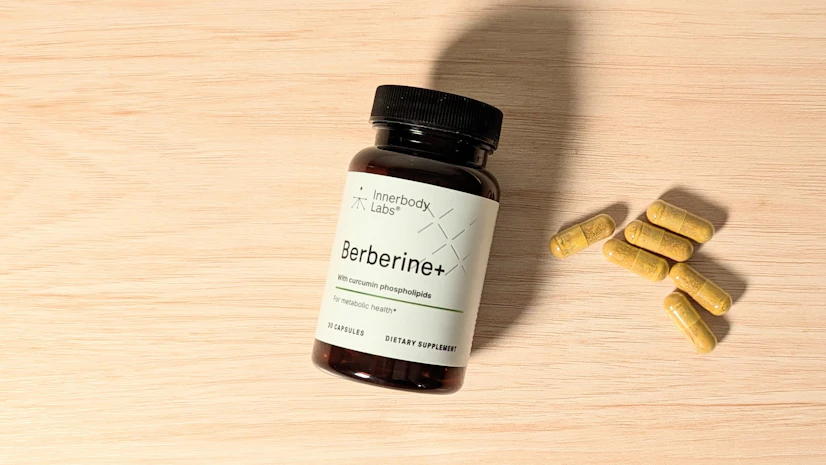
Photo by Innerbody Research
Pros
- Uses highly bioavailable Berbevis-branded berberine at a clinically relevant dose
- Berbevis reduces risk of GI side effects
- Curcumin provides additional GI protection and may also help with blood sugar reductions
- Third-party tested, with results posted on product page
- One-capsule serving size
- Suitable for vegetarians/vegans
- Can be purchased in bulk
- Free shipping for subscribers
- 30-day money-back guarantee
Cons
- May require two daily doses for optimal blood sugar outcomes
- One-time purchases don’t qualify for free shipping
Recall that in a 2023 study, phytosomal berberine at a 550mg dose given twice daily decreased fasting glucose from around 111mg/dL to around 98mg/dL, and with a drastically reduced risk of GI side effects compared with the more common berberine HCl.41 The brand of berberine used in that study was Berbevis, the same found in Innerbody Labs Berberine+, at precisely a 550mg dose.
Innerbody’s dosing protocol doesn’t perfectly align with the 2023 study, but that might not be an issue. The label says to take just one dose a day, which is only half the amount shown to be optimally effective for blood sugar reductions. That being said, it may be enough to shrink other critical biomarkers that correlate with insulin resistance. Specifically, we’re talking about lipids, such as triglycerides and abdominal fat, both of which were reduced in a 2024 study administering a single dose of 550mg Berbevis.46 Because fatty acids and visceral fat can interfere with insulin signaling, it’s fair to conclude that a one-dose protocol could improve a user’s ability to utilize their circulating glucose.
Also, Innerbody’s Berberine+ contains 100mg curcumin, which itself may have blood sugar–lowering potential. In a 2026 study, for instance, that exact daily dose was credited with reducing fasting blood glucose by 7.4mg/dL.55 The study was certainly limited by a small study population, a lack of a placebo group, and the addition of a separate adjuvant therapy, but it suggests the possibility that a single-dose regimen of Innerbody Labs Berberine+ might make a meaningful difference.
What’s more certain is that the 100mg curcumin can mitigate the already diminished possibility of GI side effects. Case in point is a 2024 study in which a 98mg dose improved symptoms of irritable bowel syndrome.56 Plus, if you wanted, you could take a double serving of Innerbody Labs every day with no significant increase in side effect risk, just a loss in cost-effectiveness.
Pricing and returns
Innerbody Labs Berberine+ can be purchased on a one-time or subscription basis, with the latter being additionally available at multiple bulk-level price points:
| One-time purchase price | Total subscription price | Price per bottle | Delivery frequency | |
|---|---|---|---|---|
| 1 bottle | $30 | $25.50 | $25.50 | Every month |
| 3 bottles | N/A | $72.00 | $24.00 | Every 3 months |
| 6 bottles | N/A | $135.00 | $22.50 | Every 6 months |
Per unit, it’s around $20 less than Glucocil and other Berbevis-based berberine supplements, like Momentous ($49.99).
Both subscribers and one-time purchasers pay an additional $6.99 unless they cross a $50 threshold. Still very affordable, though.
All Innerbody Labs purchases are protected by a 30-day money-back guarantee, as well. The 30-day window is a bit of common ground with Triquetra and Glucocil.
Triquetra TQ-Advanced Black Seed Oil 5% Thymoquinone
Best for people with seasonal allergies

Photo by Innerbody Research
Pros
- A half dose is sufficient for blood sugar reductions
- Half-dose regimen extends user supply to two months
- Third-party tested
- Second-lowest base price in this guide
- Subscriptions ship free
- Suitable for vegetarians/vegans
Cons
- A half-dose slightly exceeds the daily upper limit of TQ
- With the liquid version, you’ll need to contend with the bitter taste
- Refrigerated storage is recommended
Triquetra TQ-Advanced Black Seed Oil is sold in both liquid and capsule forms. Besides their routes of administration, the two forms have key differences: the capsules provide 500mg of black seed oil and 25mg of TQ per serving, and the liquid amounts to 2g and 100mg, respectively.
Both forms are excellent for conferring blood sugar reductions, but it’s the liquid version we specifically recommend since all you need is a half dose to reach the 1g minimally effective dose shown to be effective in clinical research.57
There’s a small issue there, on the face of things: even a half dose exceeds the daily upper limit of TQ.49 But that isn’t to say a half dose is inherently toxic to humans. After all, the 48.6mg upper limit is an estimation, not a hard stopping point, and it was converted from animal research. Based on the same animal research, which figured a no-adverse-effect level of 5mg of TQ per kilogram of a rat’s body weight, we can calculate the limit to be more like:
- 51.2mg for a 140lb human
- 54.8mg for a 150lb human
- 58.5mg for a 160lb human
- 62.0mg for a 170lb human
And so on.
Black seed oil serves an additional therapeutic purpose, by the way. Emerging research suggests it may provide relief from seasonal allergies,58 which actually has something of a connection with high blood sugar. The general notion is that common allergy remedies, such as decongestants and antihistamines, can either raise blood sugar directly or impede one’s efforts to monitor their levels (e.g., via drowsiness).59 So, with black seed oil, you may have a single-stone/dual-bird situation, in which one supplement may effectively address two conditions obliquely at odds with each other.
Pricing and returns
The liquid form of Triquetra TQ-Advanced costs $25.97 as a one-time purchase and $22.07 on subscription. Because we recommend a half-dose protocol, a single order is equivalent to around $12.99 and $11.04 per month, respectively.
Subscriptions ship free. For one-time purchases, it’s an extra $7 unless your order exceeds $75.
As for returns, your Triquetra order is protected by a 30-day money-back guarantee, which is on par with Innerbody Labs and Glucocil.
Glucocil
Best extensive formula

Photo by Innerbody Research
Pros
- Trial-assessed for efficacy and safety among prediabetics
- Trial found reductions in hemoglobin A1c and oral glucose tolerance
- Third-party tested
- Available in vegetarian capsules and fish oil softgels
- All orders ship free
- 30-day guarantee
Cons
- Most ingredient doses are hidden behind a proprietary blend
- Not all active ingredients have strong support for blood sugar reductions
- Most expensive product in this guide
- Involves a graduated dosing regimen, maxing out at four capsules per day
In this guide, Glucocil is kind of a wild card. While a few of its ingredients look weak in blood sugar research, a few studies suggest that its formulation is a net positive.
Apart from berberine (which is HCl here, not phytosomal), mulberry leaf extract is probably Glucocil’s most promising ingredient. It contains a compound called 1-deoxynojirimycin, which competitively inhibits carbohydrate-digesting enzymes, thereby mitigating the glucose spike that attends carbohydrate consumption. The effect is such that in a 2021 randomized controlled trial, 250mg branded mulberry leaf extract reduced peak postprandial blood glucose by 42% and postprandial plasma insulin by 41% compared with placebo.60 Similar results were recorded in a 2024 trial using 200mg, 225mg, and 250mg doses of the same branded extract.61
Glucocil, however, doesn’t use the branded extract. Nor does it disclose how much mulberry leaf extract, or in fact any one ingredient, it contains. Dosing information is hidden behind a proprietary blend that totals 1,050mg per two capsules.
Berberine and mulberry leaf extract are the first- and third-listed ingredients in the blend, respectively, and users are directed to increase their dose to four capsules after three days’ use, so it’s possible that each serving contains enough of each to confer their blood sugar–lowering effects. But then not much room is left for the other ingredients, which, at any rate, have much less compelling human research behind them.
Glucocil itself, though, has been the subject of a randomized controlled trial, which saw decreases in hemoglobin A1c (from 6.44 to 5.80) and oral glucose tolerance (−24.11mg/dL). Yet here, too, we have a caveat, because the study’s participants took 4,800mg Glucocil per day,62 which is more than twice the amount of the brand-recommended four-capsule dose. Mind, too, that the study itself was partially written by a researcher at Neuliven Health, which makes Glucocil.
So, all told, where does Glucocil stand against the other products we recommend? With its berberine and mulberry, it clearly has potential to make a difference, even if its total profile doesn’t align neatly with scientific research. For people who want to throw multiple ingredients at a problem, it’s a fine option.
Pricing and returns
Glucocil costs $49.45 as a one-time purchase and $44.51 on subscription. The price points are reasonable for a multi-ingredient product but also significantly higher compared with Innerbody Labs, Triquetra, and Terrasoul.
All orders ship free, at least. Also, your order is protected by a 30-day money-back guarantee, as with Innerbody and Triquetra. These two factors together should help soften the financial hit a little bit.
Terrasoul Psyllium Husk Powder
Budget pick

Photo by Innerbody Research
Pros
- Clinically relevant 5g psyllium husk per dose
- Exceeds minimum purity standards
- Third-party tested
- Test results available on request
- Lowest base price point in this guide
- Certified organic, non-GMO, and kosher
Cons
- Doesn’t taste great
- Mixes poorly
- No returns of open products
Terrasoul’s production pedigree is what distinguishes its psyllium husk powder from direct competitors. Besides being third-party lot-tested, with results available on request, its psyllium husk powder is ensured to be 99% pure — better than the 95% minimum purity standard set by the FDA63 — as well as certified organic, non-GMO, and kosher.
Not to mention that every 1tsp serving of Terrasoul delivers a clinically relevant 5g of psyllium. Take two servings per day, each before a meal, and you reach the 10g/day goal recommended by the authors of a 2024 systematic review and meta-analysis.44
If Terrasoul has a shortcoming, it’s that it mixes poorly — hardly a unique trait in the psyllium world. Try all you want, but it will always clump in liquid. The clumping, or gelling, is how psyllium husk blunts glucose absorption, so think of it as a good thing.
Insider Tip: Too much clumping may leave psyllium husk behind in the cup. To minimize supplement loss, we recommend first adding a few fingers of water to your drinking vessel, then a serving of Terrasoul, and then stirring with a spoon while topping off the liquid. Down the whole thing while the powder is still trapped by the vortex.
Second tip: it’s a good idea to take your dose around 15–30 minutes before your carb-heaviest meals — a protocol used in several randomized controlled trials that saw successful reductions in fasting glucose and hemoglobin A1c.64 65
You may be tempted to reach for psyllium husk capsules to overcome solubility (and taste) issues, but most relevant research studies have used powders, so we can’t speak to equal efficacy between the forms.
Pricing and returns
Terrasoul Psyllium Husk Powder is available in two sizes, each as a one-time purchase or a subscription:
| 16oz | 4.5lb | |
|---|---|---|
| One-time $ | $19.99 | $72.99 |
| Subscription $ | $15.99 | $58.39 |
| Serving count | 90 | 405 |
Following the 10g/day protocol, you can expect the 16oz unit to last 45 days and the 4.5lb unit to last at least 202, with an equivalent monthly cost that amounts to $13.22 and $10.73, respectively. The 4.5lb bag, therefore, represents the most cost-effective option in this guide, being around $0.31 less than Triquetra on a half-dose protocol.
The 4.5lb bag gets you past Terrasoul’s $49 free-shipping threshold, too. Otherwise, it’s an additional $7.99.
Regarding returns, though, Terrasoul doesn’t offer guarantee protection on used products.
Alternatives to blood sugar supplements
For most people, the best alternatives to blood sugar supplements are diet and exercise.
On the diet front, you want to reduce your consumption of refined carbohydrates (bread, cereal, sugar, and such), increase your soluble fiber intake (beans, lentils, oats), and complement your carbs with vegetables, lean proteins, and healthy fats.66 Additionally, and interestingly, eating the components of your meal in a specific order — proteins and non-starchy vegetables before carbs — may help reduce blood sugar spikes, as well.67
As for exercise, you don’t need to go all out. Although more is generally better, even just a few brief cardio sessions can go a long way. Consider, for instance, a 2016 crossover trial in which a ten-minute walk after every main meal reduced postprandial blood sugar spikes by 12%.68
And with the combination of diet and exercise, you may see some weight loss, which can drastically reduce your risk of developing type 2 diabetes.69
If your blood sugar values remain elevated despite lifestyle modifications, you may want to consider prescription medication. Depending on how high your levels are, your doctor may recommend metformin, a GLP-1 receptor agonist, or an SGLT2 inhibitor.
Blood sugar supplements FAQ
Sources
Innerbody uses only high-quality sources, including peer-reviewed studies, to support the facts within our articles. Read our editorial process to learn more about how we fact-check and keep our content accurate, reliable, and trustworthy.
- Nakrani, M. N., Wineland, R. H., & Anjum, F. (2023). Physiology, glucose metabolism. StatPearls [Internet.]
- Cleveland Clinic. (2025). Blood sugar (Glucose) test. Cleveland Clinic.
- University of Rochester Medicine Health Encyclopedia. (n.d.). Two-hour postprandial glucose. University of Rochester Medicine.
- U.S. Centers for Disease Control and Prevention. (2024). Manage blood sugar. CDC.
- Regalla, D. K. R., & Easton-Carr, R. (2026). Hyperglycemia. StatPearls [Internet].
- U.S. Centers for Disease Control and Prevention. (2024). Type 2 diabetes. CDC.
- Cleveland Clinic. (2025). Type 2 diabetes. Cleveland Clinic.
- Klein, S., et al. (2022). Why does obesity cause diabetes? Cell Metabolism, 34(1), 11-20.
- American Diabetes Association. (n.d.). Blood glucose and exercise. ADA.
- Zahalka, S. J., et al. (2025). The role of exercise in diabetes. EndoText [Internet].
- Sharma, A., & Vella, A. (2020). Glucose metabolism in Cushing syndrome. Current Opinion in Endocrinology, Diabetes, and Obesity, 27(3), 140-145.
- Ferraù, F., et al. (2018). Diabetes secondary to acromegaly: Physiopathology, clinical features and effects of treatment. Frontiers in Endocrinology, 9, 358.
- U.S. Centers for Disease Control and Prevention. (2024). Diabetes and polycystic ovary syndrome (PCOS). CDC.
- Joslin Diabetes Center. (2019). About thyroid disease. Beth Israel Lahey Health.
- American Diabetes Association. (n.d.). Gestational diabetes. ADA.
- International Diabetes Federation. (2023). Gestational diabetes. IDF.
- Cleveland Clinic. (2025). Cortisol. Cleveland Clinic.
- Yaribeygi, H., et al. (2022). Molecular mechanisms linking stress and insulin resistance. EXCLI Journal, 21, 317-334.
- Jain, A. B., & Lai, V. (2024). Medication-induced hyperglycemia and diabetes mellitus: A review of current literature and practical management strategies. Diabetes Therapy, 15(9), 2001-2025.
- Hartford HealthCare. (2026). 13 everyday foods that can spike your blood sugar. Hartford HealthCare.
- UCLA Health. (2026). Blood sugar spikes: Do they matter if you don't have diabetes? UCLA Health.
- Daniels, P. (2016). Feeling thirsty and diabetes. Michigan State University Extension.
- UCLA Health. (2017). For diabetics, blurry vision is cause for concern. UCLA Health.
- Mayo Clinic Staff. (2026). Diabetes symptoms: When diabetes symptoms are a concern. Mayo Clinic.
- Avner, S., & Robbins, T. (2025). A scoping review of glucose spikes in people without diabetes: Comparing insights from grey literature and medical research. Clinical Medicine Insights: Endocrinology and Diabetes, 18, 11795514251381409.
- Mayo Clinic. (2025). Diabetic retinopathy. Mayo Clinic.
- American Academy of Ophthalmology. (2013). Diabetes and cataracts. American Academy of Ophthalmology.
- Mayo Clinic. (2025). Diabetic neuropathy. Mayo Clinic.
- Poznyak, A., et al. (2020). The diabetes mellitus–atherosclerosis connection: The role of lipid and glucose metabolism and chronic inflammation. International Journal of Molecular Sciences, 21(5), 1835.
- Cleveland Clinic. (2025). Atherosclerosis. Cleveland Clinic.
- Cleveland Clinic. (2026). Diabetes-related nephropathy. Cleveland Clinic.
- National Institute of Diabetes and Digestive and Kidney Diseases. (2022). Diabetes, gum disease, & other dental problems. National Institutes of Health.
- American Diabetes Association. (n.d.). Sex and diabetes. ADA.
- Nitzan, O., et al. (2015). Urinary tract infections in patients with type 2 diabetes mellitus: Review of prevalence, diagnosis, and management. Diabetes, Metabolic Syndrome and Obesity: Targets and Therapy, 8, 129-136.
- Ramgopal, A., et al. (2024). AMPK drives both glycolytic and oxidative metabolism in murine and human T cells during graft-versus-host disease. Blood Advances, 8(15), 4149–4162.
- Yin, J., et al. (2008). Berberine improves glucose metabolism through induction of glycolysis. American Journal of Physiology, Endocrinology, and Metabolism, 294(1), E148-156.
- Melkonian, E. A., Asuka, E., & Schury, M. P. (2023). Physiology, gluconeogenesis. StatPearls [Internet].
- Jiang, S. J., et al. (2015). Berberine inhibits hepatic gluconeogenesis via the LKB1-AMPK-TORC2 signaling pathway in streptozotocin-induced diabetic rats. World Journal of Gastroenterology, 21(25), 7777-7785.
- Zhang, M., et al. (2021). Berberine decreases intestinal GLUT2 translocation and reduces intestinal glucose absorption in mice. International Journal of Molecular Sciences, 23(1).
- Zhao, M. M., et al. (2021). Berberine is an insulin secretagogue targeting the KCNH6 potassium channel. Nature Communications, 12(1), 5616.
- Rondanelli, M., et al. (2023). Berberine phospholipid exerts a positive effect on the glycemic profile of overweight subjects with impaired fasting blood glucose (IFG): A randomized double-blind placebo-controlled clinical trial. European Review for Medical and Pharmacological Sciences, 27, 6718-6727.
- Shabani, M., et al. (2025). Effect of Nigella sativa consumption on lipid profile and glycemic index in patients with metabolic syndrome: A systematic review and meta-analysis of randomized controlled trials. Current Medicinal Chemistry, 32(18), 3638-3650.
- Adam, S. H., et al. (2022). Potential health benefits of Nigella sativa on diabetes mellitus and its complications: A review from laboratory studies to clinical trials. Frontiers in Nutrition, 9, 1057825.
- Gholami, Z., T Clark, C. C., & Paknahad, Z. (2024). The effect of psyllium on fasting blood sugar, HbA1c, HOMA IR, and insulin control: A GRADE-assessed systematic review and meta-analysis of randomized controlled trials. BMC Endocrine Disorders, 24, 82.
- Yin, J., Xing, H., & Ye, J. (2008). Efficacy of berberine in patients with type 2 diabetes. Metabolism: Clinical and Experimental, 57(5), 712-717.
- Cesarone, M. R., et al. (2024). Borderline hyperlipidemia preventive management with berberine PL in asymptomatic prevention of early atherosclerosis. Minerva Gastroenterology, 70(1), 10-15.
- Di Pierro, F., et al. (2023). Effect of berberine phytosome on reproductive, dermatologic, and metabolic characteristics in women with polycystic ovary syndrome: A controlled, randomized, multi-centric, open-label clinical trial. Frontiers in Pharmacology, 14, 1269605.
- Hannan, M. A., et al. (2021). Black cumin (Nigella sativa L.): A comprehensive review on phytochemistry, health benefits, molecular pharmacology, and safety. Nutrients, 13(6), 1784.
- Khaikin, E., et al. (2022). Screening of thymoquinone content in commercial Nigella sativa products to identify a promising and safe study medication. Nutrients, 14(17), 3501.
- Cleveland Clinic. (2023). Should you be using psyllium husk? Cleveland Clinic.
- Hefny, A. F., et al. (2018). Intestinal obstruction caused by a laxative drug (Psyllium): A case report and review of the literature. International Journal of Surgery Case Reports, 52, 59-62.
- Wang, J., et al. (2024). Effects of administering berberine alone or in combination on type 2 diabetes mellitus: A systematic review and meta-analysis. Frontiers in Pharmacology, 15, 1455534.
- Nair, L. G., & Keller. L. (2024). A case of psyllium-induced anaphylaxis. Annals of Allergy, Asthma & Immunology, 113(6), S126.
- Cleveland Clinic. (2026). Hypoglycemia (Low blood sugar). Cleveland Clinic.
- Hidayah, T., et al. (2026). Curcumin and massage therapy as adjuvant therapies: Effects on clinical and patient-reported outcomes in type 2 diabetes. Retos: Nuevas Tendencias en Educación Física, Deporte y Recreación, 80, 1538-1548.
- Wade, U., et al. (2024). The possible synergistic pharmacological effect of an oral berberine (BBR) and curcumin (CUR) complementary therapy alleviates symptoms of irritable bowel syndrome (IBS): Results from a real-life, routine clinical practice settings-based study. Nutrients, 16(8), 1204.
- Hallajzadeh, J., et al. (2020). Effects of Nigella sativa on glycemic control, lipid profiles, and biomarkers of inflammatory and oxidative stress: A systematic review and meta-analysis of randomized controlled clinical trials. Phytotherapy Research, 34(10), 2586-2608.
- Majeed, A., et al. (2024). A randomized, double-blind, placebo-controlled study to evaluate the benefits of a standardized Nigella sativa oil containing 5% thymoquinone in reducing the symptoms of seasonal allergy. Medicine, 103(32), e39243.
- Daniels, P. (2020). Treatments to relieve allergy symptoms may impact blood glucose. Michigan State University Extension.
- Thondre, P. S., et al. (2021). Mulberry leaf extract improves glycaemic response and insulaemic response to sucrose in healthy subjects: Results of a randomized, double blind, placebo-controlled study. Nutrition & Metabolism, 18, 41.
- Thondre, P. S., et al. (2024). Understanding the impact of different doses of Reducose® mulberry leaf extract on blood glucose and insulin responses after eating a complex meal: Results from a double-blind, randomised, crossover trial. Nutrients, 16(11), 1670.
- Bobde, A., et al. (2026). Efficacy and safety of a multi-ingredient dietary supplement (Glucocil®) in prediabetics: A randomized, double-blind, placebo-controlled study. Functional Foods in Health and Disease, 16(3), 206-227.
- Code of Federal Regulations. (2016). § 101.81 Health claims: Soluble fiber from certain foods and risk of coronary heart disease (CHD). National Archives.
- Abutair, A. S., Naser, I. A., & Hamed, A. T. (2016). Soluble fibers from psyllium improve glycemic response and body weight among diabetes type 2 patients (Randomized control trial). Nutrition Journal, 86.
- Ziai, S. A., et al. (2005). Psyllium decreased serum glucose and glycosylated hemoglobin significantly in diabetic outpatients. Journal of Ethnopharmacology, 102(2), 202-207.
- American Diabetes Association. (n.d.). Eating for diabetes management. ADA.
- Shukla, A. P., et al. (2015). Food order has a significant impact on postprandial glucose and insulin levels. Diabetes Care, 38(7), e98-e99.
- Reynolds, A. N., et al. (2016). Advice to walk after meals is more effective for lowering postprandial glycaemia in type 2 diabetes mellitus than advice that does not specify timing: A randomised crossover study. Diabetologia, 59, 2572-2578.
- U.S. Centers for Disease Control and Prevention. (2024). Prevent type 2 diabetes: Talking to your patients about lifestyle change. CDC.
- MedlinePlus. (2024). Psyllium. National Library of Medicine.
- Sartore, G., et al. (2021). Effect of a new formulation of nutraceuticals as an add-on to metformin monotherapy for patients with type 2 diabetes and suboptimal glycemic control: A randomized controlled trial. Nutrients, 13(7), 2373.
- Kaatabi, H., et al. (2015). Nigella sativa improves glycemic control and ameliorates oxidative stress in patients with type 2 diabetes mellitus: Placebo controlled participant blinded clinical trial. PLoS One, 10(2), e0113486.
- Petrangolini, G., et al. (2021). Development of an innovative berberine food-grade formulation with an ameliorated absorption: In vitro evidence confirmed by healthy human volunteers pharmacokinetic study. Evidence-Based Complementary and Alternative Medicine, 2021(1), 7563889.

Copyright © Innerbody Research 1997 - 2025. All Rights Reserved.