The Best Lutein and Zeaxanthin Supplements
Lutein and zeaxanthin may support healthy vision, skin, cognition, and more — but which supplement brands actually deliver? We compare the top options to find out.

Photo by Innerbody Research
Vision naturally changes with age, but it's not just getting older that's putting stress on our eyes. Hours spent looking at screens, lifelong exposure to sunlight, and everyday oxidative stress all take their toll on the retina over time. It's no surprise, then, that age-related macular degeneration (AMD) affects nearly 20 million Americans, making it the leading cause of irreversible vision loss among older adults in the United States.1
Fortunately, lutein and zeaxanthin are among the few eye-health ingredients backed by decades of human research.2 These carotenoids naturally accumulate in the macula — the part of the retina responsible for sharp central vision — where studies suggest they can increase macular pigment and support contrast sensitivity, glare recovery, and overall visual performance. Emerging research suggests their benefits may extend to healthy cognitive aging and skin health, as well.
But not every supplement gets the science right. In this guide, we'll explain what the research actually says and compare the best lutein and zeaxanthin supplements available today.
Summary of recommendations
- Best overall: Innerbody Labs Astaxanthin+
- Best budget: Nutricost Lutein & Zeaxanthin
- Best gummy: MaryRuth's Lutein Gummies
- Best with omega-3s: Nordic Naturals Vision Support
- Best multivitamin for macular degeneration: Opti+ AREDS 2

Astaxanthin+ provides the clinically studied 10mg lutein and 2mg zeaxanthin combination, then adds 12mg of astaxanthin for broader eye and antioxidant support.
Many supplements offer lutein and zeaxanthin, but Astaxanthin+ builds on their well-established eye health benefits with a meaningful dose of astaxanthin. Its MCT oil softgel supports absorption of all three fat-soluble carotenoids, and subscribers can save up to 25% on recurring orders. Every batch also undergoes third-party testing, with Certificates of Analysis published online so you can review the results yourself.
Jump to:
Why you should trust us
Over the past two decades, Innerbody Research has helped tens of millions of readers make informed decisions about their health and wellness.
Our team thoroughly evaluates every product and service we review — including the lutein and zeaxanthin supplements in this guide. We've spent more than 400 hours examining lutein, zeaxanthin, and related carotenoids, analyzing dozens of clinical studies on their effects on eye health, visual performance, cognitive function, skin health, and healthy aging.
Alongside this research, we investigated the top lutein and zeaxanthin supplements on the market, comparing their quality, formulations, and effectiveness against the available scientific evidence. We also purchased and tested the most promising products ourselves. As our understanding of these carotenoids evolved, Innerbody Labs developed Astaxanthin+, a formula combining clinically relevant doses of astaxanthin, lutein, and zeaxanthin to support eye health, skin health, and antioxidant defense. We'll discuss how it compares to other leading options later in this guide.
As with all health-related content on our site, this guide has been reviewed by members of our Medical Review Board for accuracy and will be updated as new research and products emerge.
How we evaluated the best lutein and zeaxanthin supplements
To identify the best lutein and zeaxanthin supplements, we evaluated every product using the same criteria most people consider before adding a supplement to their routine:
- Effectiveness
- Safety
- Cost
- Convenience
These four categories formed the foundation of our review.
In the sections below, we'll explain how each of our top picks performed in these areas and where certain products distinguished themselves. Every supplement we selected met a high standard overall. When we highlight an "advantage," it doesn't mean the others performed poorly — only that one product stood out for a particular strength.
Effectiveness
Advantage: Astaxanthin+ by Innerbody Labs
When it came to effectiveness, we looked for products that most closely matched what has actually been studied in humans. That means paying attention to both dose and formulation, not simply choosing the product with the biggest numbers on the label.
Lutein and zeaxanthin are among the best-studied nutrients for eye health, and the research is remarkably consistent.3 The strongest evidence comes from supplements providing 10mg of lutein and 2mg of zeaxanthin — the same combination used in the landmark AREDS2 trial and many of the clinical studies that followed.4 5
At those doses, research suggests lutein and zeaxanthin can support:
- Increased macular pigment optical density (MPOD)4
- Contrast sensitivity and glare recovery5
- Eye comfort and visual performance, particularly in heavy screen users6
- Healthy cognitive aging and cognitive performance7 8
- Skin health and protection against oxidative stress9 10
But the story doesn't end with lutein and zeaxanthin. More recently, researchers have started looking at how different carotenoids work together, and astaxanthin has emerged as one of the most promising additions thanks to its own growing body of research supporting eye health, cognition, skin health, and antioxidant defense.11 12
That's what gave Astaxanthin+ the edge. Rather than increasing lutein and zeaxanthin beyond the doses most commonly studied, it sticks with the evidence-backed 10mg/2mg combination and pairs it with 12mg of astaxanthin. The formula is also delivered in an MCT oil softgel, which aligns with the most clinical evidence and helps support absorption of these fat-soluble carotenoids.13 14
Safety
Advantage: Astaxanthin+ by Innerbody Labs
Safety isn't just about the ingredients themselves — it's also about how the supplement is made.
Fortunately, lutein and zeaxanthin have an excellent safety record. Large clinical trials and safety reviews have consistently found them to be well tolerated, with very few reported side effects at the doses commonly found in supplements.5 For most people, the biggest concern isn't the carotenoids themselves but whether the product actually contains what the label says it does.
That's why we paid close attention to manufacturing quality. In particular, we looked for companies that demonstrate a commitment to quality through:
- Third-party testing
- Good Manufacturing Practice (GMP) compliance
- Clear allergen disclosures
- Transparent quality-control practices
The good news is that every product in this guide met those standards. All are manufactured in GMP-compliant facilities and undergo third-party testing for identity, purity, and potency.
Where Astaxanthin+ pulled ahead was transparency. Instead of simply saying its products are tested, Innerbody Labs publishes third-party Certificates of Analysis (COAs) directly on each product page, so you can review the results yourself. Those reports confirm label accuracy and screen for a broad range of contaminants, including heavy metals, pesticides, and microbes.
Every supplement we selected is one we'd feel comfortable recommending. Astaxanthin+ earned the advantage because it gives consumers a little more visibility into its quality-control process.
Cost
Advantage: Nutricost Lutein & Zeaxanthin
Every supplement in this guide provides clinically relevant amounts of lutein and zeaxanthin, so cost comes down to what else you're paying for. Some include additional ingredients or specialized delivery formats that justify a higher price, but if your goal is simply to add lutein and zeaxanthin to your daily routine, Nutricost is hard to beat.
At $16.97 for 120 capsules, it's the least expensive product we reviewed by a comfortable margin. And if you subscribe, the price drops another 20% to $13.58, making an already inexpensive supplement even more affordable.
Here's how the prices compare across our top picks:
| One-time price | Subscription | Cost per serving (one-time) | Cost per serving (subscription) | |
|---|---|---|---|---|
| Nutricost Lutein & Zeaxanthin | $16.97 | $13.58 (20% off) | $0.14 | $0.11 |
| Astaxanthin+ by Innerbody Labs | $28.00 | $21.00 (25% off) | $0.93 | $0.70 |
| MaryRuth's Lutein Gummies | $24.95 | $22.46 (10% off) | $0.83 | $0.75 |
| Nordic Naturals Vision Support | $51.95 | $46.76 (10% off) | $1.73 | $1.56 |
| Opti+ AREDS 2 | $32.00 | $28.80 (10% off) | $0.71 | $0.64 |
Of course, price isn't the whole story. Astaxanthin+ costs more because it isn't just a lutein and zeaxanthin supplement — it also includes 12mg of astaxanthin. Whether that's worth paying for depends on what you're hoping to get from your supplement. If you're looking for the most affordable way to supplement lutein and zeaxanthin, Nutricost is our clear winner. If you're interested in the broader research on carotenoids, spending a little more may make sense.
Convenience
Advantage: Nutricost Lutein & Zeaxanthin
When it came to convenience, we looked beyond the supplement itself. Most lutein and zeaxanthin products are simple to take, typically requiring just one softgel or capsule per day. That means the biggest differences often come down to things like subscription options, shipping, bottle size, and return policies.
If swallowing pills isn't your thing, MaryRuth's Lutein Gummies are the easiest option in our guide. For most other people, though, Nutricost Lutein & Zeaxanthin offers the simplest overall routine. One capsule provides a full serving, and its 120-count bottle lasts about four months — much longer than the 30- or 45-day supplies offered by several competitors.
Nutricost also lets subscribers choose deliveries every 30 days, two months, or four months, depending on the bottle size, and its 60-day money-back guarantee is longer than the policies offered by Innerbody Labs, MaryRuth's, and Opti+. The $7 shipping fee isn't ideal, but if you opt for the 120-capsule bottle, it's not something you'll have to pay very often.
Taken together, those features made Nutricost our pick for convenience.
How our top lutein and zeaxanthin supplement picks compare
The chart below provides a quick side-by-side comparison of our top picks, including their doses, standout features, pricing, and refund policies.
What are lutein and zeaxanthin?
Lutein and zeaxanthin are naturally occurring pigments called carotenoids, the same family of compounds responsible for the bright yellow, orange, and red colors found in foods like corn, peppers, and egg yolks. They're closely related to beta-carotene — the carotenoid that gives carrots their orange color and can be converted into vitamin A. Unlike beta-carotene, however, lutein and zeaxanthin aren't used to make vitamin A. Instead, they accumulate in specific tissues, particularly the eyes, where they perform their own unique functions.3 15
They're best known for accumulating in the macula, a small area near the center of the retina that's responsible for sharp, detailed vision. In fact, lutein, zeaxanthin, and their closely related cousin, meso-zeaxanthin, are the only carotenoids found in meaningful amounts within the macula, which is why they're often referred to collectively as the macular carotenoids.16
Most people can obtain lutein and zeaxanthin through foods like spinach, kale, egg yolks, corn, and pistachios. However, typical Western diets often provide considerably less than the amounts used in clinical studies, which is one reason these supplements have become increasingly popular.17
How do lutein and zeaxanthin work?
Lutein and zeaxanthin primarily work as antioxidants. In simple terms, they help neutralize reactive oxygen species (ROS) — unstable molecules that form naturally during metabolism and in response to things like sunlight and pollution.3 Left unchecked, ROS can damage cells over time through a process known as oxidative stress.18
Researchers believe this antioxidant activity explains many of the benefits associated with lutein and zeaxanthin, though the strength of the evidence varies depending on what's being studied.15 Here's where the science stands today.
Eye health and visual performance
Eye health is where lutein and zeaxanthin have by far the strongest scientific support.
In addition to acting as antioxidants, lutein and zeaxanthin perform another function that's especially important in the eye: they absorb some high-energy blue light before it reaches sensitive retinal tissue.3 19 Researchers believe these two mechanisms work together to help protect the retina from cumulative oxidative damage.
One of the most consistent findings across clinical trials is an increase in macular pigment optical density (MPOD), a measure of the protective pigments in the macula. A large 2021 meta-analysis found that supplementation consistently increased MPOD, while another systematic review linked higher MPOD with improvements in contrast sensitivity and other measures of visual function.4 20
Much of what we know about lutein and zeaxanthin comes from the landmark Age-Related Eye Disease Studies (AREDS and AREDS2), sponsored by the National Eye Institute. Researchers launched these large clinical trials to answer an important question: could nutritional supplements help slow the progression of AMD?
The original AREDS study identified a combination of nutrients that helped reduce the risk of progression to advanced AMD. Researchers later refined that formula in AREDS2 after beta-carotene, one of the original ingredients, was linked to an increased risk of lung cancer in people who smoke or formerly smoked.42 They found that replacing beta-carotene with lutein and zeaxanthin maintained the formula's benefits while offering a safer option for those populations.5 Secondary analyses also suggested lutein and zeaxanthin may have provided even greater protection against progression to advanced AMD among people with lower dietary intakes of these carotenoids.5
Beyond AMD, lutein and zeaxanthin supplementation has also been associated with modest improvements in:3 20 21
- Contrast sensitivity
- Glare recovery
- Visual processing
- Overall visual performance
These improvements aren't dramatic, but they're remarkably consistent across studies, making lutein and zeaxanthin among the best-supported nutrients for maintaining healthy vision.
Digital eye strain
As screen time has increased, researchers have naturally wondered whether lutein and zeaxanthin might also help with digital eye strain.
The evidence is still developing. In one randomized controlled trial, adults who took 10mg of lutein and 2mg of zeaxanthin daily for six months experienced improvements in tear production, tear-film stability, and recovery after bright-light exposure compared with placebo. However, they didn't report significantly less eye strain or better contrast sensitivity.6
A separate 2025 study found improvements in MPOD, contrast sensitivity, sleep quality, and visual comfort among heavy screen users taking a lutein-zeaxanthin supplement.22 Together, these findings suggest lutein and zeaxanthin may help support visual comfort during prolonged screen use, but larger studies are still needed before firm conclusions can be drawn.
Cognitive health
Over the past decade, researchers have also become interested in lutein and zeaxanthin's potential role in healthy brain aging.
Several randomized trials have reported modest improvements in areas such as visual memory, learning, and neural processing speed after supplementation.7 8 However, other studies — including the cognitive arm of AREDS2 — found no significant improvements in older adults with AMD.23
Taken together, the research is promising, but still mixed. At this point, lutein and zeaxanthin appear more likely to support certain aspects of cognition than to broadly improve memory or mental performance.
Skin health
The skin, like the eyes, is constantly exposed to oxidative stress from UV radiation.
Clinical trials suggest lutein and zeaxanthin may help improve skin hydration, elasticity, and resistance to UV-induced damage after several months of supplementation.9 24 46 The effects tend to be subtle, but they've been observed consistently enough that skin health has become one of the more active areas of carotenoid research.
Oxidative stress and inflammation
Researchers are also studying whether lutein and zeaxanthin's antioxidant effects extend beyond the eyes and skin.
A recent human trial found that supplementation with lutein, zeaxanthin, and meso-zeaxanthin reduced several inflammatory cytokines and biomarkers associated with oxidative cardiovascular processes.25 These findings are encouraging because they suggest lutein and zeaxanthin may influence the biological processes involved in healthy aging.
That said, improvements in laboratory biomarkers don't always translate into real-world health outcomes. For now, the strongest and most consistent evidence for lutein and zeaxanthin remains their role in supporting long-term eye health.
Lutein and zeaxanthin dosage
If you're wondering how much lutein and zeaxanthin you actually need, the research provides a useful benchmark. Most clinical trials showing benefits for eye health have used 10mg of lutein and 2mg of zeaxanthin per day.4 5
Those are also the doses used in the landmark AREDS2 trial, which helped establish them as the clinical standard for supporting long-term eye health. More recent studies on digital eye strain and cognitive function have largely stuck with that same formula, giving us a great deal of confidence in those amounts.6 7
You will, however, find supplements that provide considerably more. Nutricost, for example, contains 20mg of lutein and 4mg of zeaxanthin per serving. Researchers have studied doses in this range and found them to be well tolerated. While some studies have reported changes in biomarkers such as MPOD, those findings haven't consistently translated into better vision or other clinical outcomes than the 10mg/2mg combination used in AREDS2 and many subsequent trials.26
There is currently no Recommended Dietary Allowance (RDA) for lutein or zeaxanthin. Based on the available evidence, 10mg of lutein and 2mg of zeaxanthin remains the best-supported daily dose for most people interested in maintaining long-term eye health. That doesn't mean higher doses are a bad choice — they simply haven't been shown to work better.
Are lutein and zeaxanthin supplements safe?
Lutein and zeaxanthin have an excellent safety profile. Clinical studies have safely evaluated daily doses ranging from 10-20mg of lutein, often alongside 2-10mg of zeaxanthin, and regulatory reviews have similarly concluded that supplementation at these levels does not raise safety concerns for healthy adults.3 47 48
When side effects do occur, they're generally mild and uncommon, most often limited to occasional digestive discomfort.28
Overall, the available evidence suggests lutein and zeaxanthin are well tolerated by most healthy adults at the doses commonly used in supplements and clinical research. As with any dietary supplement, it's still a good idea to check with your healthcare provider before adding one to your routine, particularly if you're pregnant, breastfeeding, or managing an underlying medical condition.
Who are lutein and zeaxanthin supplements for?
While almost anyone can take lutein and zeaxanthin, the research suggests some people stand to benefit more than others. These include:
People concerned about long-term eye health
People with high screen time
If you spend much of your day looking at a computer, tablet, or smartphone, lutein and zeaxanthin may help support visual comfort. Recent clinical trials in heavy screen users have reported improvements in macular pigment, visual comfort, tear-film stability, and certain aspects of visual performance after several months of supplementation.6 22
People interested in supporting skin health
Older adults interested in healthy cognitive aging
Who are they not for?
Lutein and zeaxanthin are among the best-researched nutrients for supporting long-term eye health, but they're not the right fit for everyone. The following groups may want to reconsider supplementation or adjust their expectations.
People expecting immediate results
Lutein and zeaxanthin don't work overnight. Because they gradually build up in tissues like the retina, most clinical studies report benefits after several months of consistent daily use rather than days or weeks.4 5 If you're looking for an instant improvement in vision or eye comfort, these supplements will likely disappoint.
People expecting sharper eyesight
People looking for a brain booster
Emerging research suggests lutein and zeaxanthin may support healthy cognitive aging, but the evidence is still developing. While several studies have reported modest improvements in areas like memory, attention, and processing speed, they're not a substitute for sleep, exercise, or treatments used for cognitive disorders.7 8 23
People with a diet already rich in carotenoids
Leafy greens like spinach and kale, along with foods such as egg yolks, corn, and pistachios naturally provide lutein and zeaxanthin.15 If you regularly eat plenty of these foods, supplementation may provide less additional benefit than it would for someone with a lower dietary intake.
Pregnant or breastfeeding individuals
Lutein and zeaxanthin are naturally present in many healthy foods, but there isn't enough research on high-dose supplementation during pregnancy or breastfeeding to recommend it routinely. Unless your healthcare provider advises otherwise, obtaining these nutrients through a balanced diet is the more conservative approach.
Astaxanthin+ by Innerbody Labs
Best overall

Photo by Innerbody Research
Pros
- Provides the clinically studied 10mg lutein and 2mg zeaxanthin combination
- Adds 12mg of natural astaxanthin for broader antioxidant support
- Uses MCT oil to enhance absorption of all three carotenoids
- Third-party tested, with Certificates of Analysis (COAs) published on every product page
- Vegetarian-friendly and free from gluten, dairy, and GMOs
- Multiple subscription options with savings up to 25%
Cons
- Costs more than standalone lutein and zeaxanthin supplements
- Only available in a 30-serving bottle
- No free shipping on orders under $50
Most lutein and zeaxanthin supplements stop after delivering the two ingredients that have become the clinical standard for eye health. And for many people, that's perfectly reasonable. More than two decades of research have linked this combination to improvements in macular pigment, visual performance, and long-term eye health.4 5 6
Innerbody Labs takes that same evidence-based foundation but asks a simple question: if carotenoids work well together, why stop at two?
That's why Astaxanthin+ combines:
- 10mg lutein, matching the amount used in AREDS2 and numerous subsequent clinical trials.
- 2mg zeaxanthin, the companion carotenoid studied alongside lutein for supporting macular pigment, contrast sensitivity, and visual performance.
- 12mg AstaPure® astaxanthin, a natural algae-derived carotenoid that has developed an impressive body of human research supporting eye health, skin health, cognition, and antioxidant defense.11 12 29
The addition of astaxanthin is what separates this formula from nearly every other lutein supplement we reviewed. Unlike lutein and zeaxanthin, which primarily accumulate in the macula, astaxanthin distributes more broadly throughout the body and has been studied for benefits ranging from skin elasticity and UV resilience to exercise recovery, sleep quality, and cognitive performance.12 29 30 31 32 33
Importantly, Innerbody Labs doesn't simply sprinkle in a substandard dose of astaxanthin for marketing purposes. The formula provides 12mg, the upper end of the dose most consistently used in successful human trials.12 34 35
Equally important is how those ingredients are delivered.
Because all three carotenoids are fat-soluble, Innerbody Labs packages them in a vegetarian softgel containing MCT oil, a delivery method that closely mirrors the formulations used throughout much of the clinical literature and helps support absorption.13 28
The company also uses AstaPure®, a branded astaxanthin sourced from Haematococcus pluvialis microalgae using a solvent-free supercritical CO₂ extraction process designed to preserve purity and avoid residual solvents.
Finally, Innerbody Labs stands out for something surprisingly rare in the supplement industry: transparency. Every batch undergoes third-party testing for identity, potency, heavy metals, pesticides, and microbial contaminants, and the resulting Certificates of Analysis (COAs) are published directly on the product page for anyone to review.
Pricing, subscriptions, and shipping
Astaxanthin+ is available as either a one-time purchase or a subscription. The longer your subscription interval, the more you save.
| Total price | Cost per bottle | Cost per serving | Savings | |
|---|---|---|---|---|
| One-time purchase | $28.00 | $28.00 | $0.93 | N/A |
| Monthly subscription | $23.80 | $23.80 | $0.79 | 15% |
| Every 3 months | $67.20 | $22.40 | $0.75 | 20% |
| Every 6 months | $126.00 | $21.00 | $0.70 | 25% |
If you plan to take Astaxanthin+ long term, the three- and six-month subscriptions offer the best value. The six-month option lowers the cost to $0.70 per serving, while both multi-bottle subscriptions qualify for free shipping because they exceed the site's $50 threshold.
If you'd rather start with a smaller commitment, the monthly subscription still saves 15% compared to a one-time purchase. Just keep in mind that monthly subscriptions and one-time orders are both subject to the $6.99 shipping fee, since they fall below the free-shipping minimum.
Refunds and guarantees
Astaxanthin+ is backed by a 30-day money-back guarantee, allowing customers to return the product within 30 days of purchase — even if the bottle has been opened and partially used. That's always nice to see, since many supplement companies only accept unopened returns.
The guarantee is shorter than Nutricost's 60-day policy, but whether that matters depends on what you're hoping to get out of the supplement. Thirty days is generally enough to determine whether you tolerate it well, but lutein and zeaxanthin aren't nutrients that produce overnight results.
Many of the clinical studies supporting eye health, cognition, and skin health lasted three to six months, with benefits typically emerging gradually rather than within a few weeks.6 7 8 9 10 So, if you're hoping to evaluate whether the supplement improves your vision or overall eye comfort, you'll likely need more time than most refund windows allow.
Nutricost Lutein & Zeaxanthin
Best budget

Photo by Innerbody Research
Pros
- Lowest cost per serving in this guide
- Provides 20mg lutein and 4mg zeaxanthin per capsule
- 120 servings per bottle lasts about four months
- Third-party tested
- GMP-compliant facility
- 60-day money-back guarantee
Cons
- No additional active ingredients
- Not vegetarian-friendly (gelatin softgel)
- $7 shipping on orders under $59
Founded in 2013, Nutricost has built a reputation for offering straightforward supplements at competitive prices. Like the company's other products, its lutein and zeaxanthin supplement is manufactured in a GMP-compliant facility and undergoes third-party testing for purity and potency.
What makes this product stand out is its value.
Each capsule provides 20mg of lutein and 4mg of zeaxanthin — twice the amounts used in many clinical trials — yet it still costs less per serving than every other supplement in this guide. The generous 120-capsule bottle also lasts about four months, reducing the need to reorder as often as competing products.
It's worth noting that higher doses haven't consistently produced better visual outcomes than the 10mg lutein and 2mg zeaxanthin regimen used in the landmark AREDS2 trial and many subsequent studies.5 26 However, because lutein and zeaxanthin remain in the body for several days after supplementation, it's theoretically possible that taking a 20mg/4mg capsule every other day could provide similar overall exposure to a daily 10mg/2mg regimen.49 That idea is based on pharmacokinetic research rather than clinical outcomes, though, and no studies have tested it directly.
Nutricost isn't trying to be an all-in-one eye health formula. It focuses exclusively on lutein and zeaxanthin rather than adding ingredients like astaxanthin, omega-3s, or other nutrients that may complement eye health. If those two carotenoids are all you're after, Nutricost is hard to beat.
Pricing, subscriptions, and shipping
Nutricost keeps its pricing straightforward. Customers can choose between a 60-capsule bottle or a larger 120-capsule bottle, with subscriptions reducing the price by 20%. The larger bottle offers the best overall value, lowering the cost to about $0.11 per serving, but the smaller option is a nice choice for anyone who wants to try the supplement without committing to four months' worth.
| Price | Cost per serving | |
|---|---|---|
| 60-count (one-time) | $11.97 | $0.20 |
| 60-count (Subscribe & Save) | $9.58 | $0.16 |
| 120-count (one-time) | $16.97 | $0.14 |
| 120-count (Subscribe & Save) | $13.58 | $0.11 |
Shipping costs $7 on orders under $59, with free shipping available on qualifying purchases. Subscribers can schedule deliveries every 30 days, two months, or four months, so the largest bottle can arrive just as you're finishing the previous one.
Refunds and guarantees
Nutricost backs its supplements with a 60-day money-back guarantee, the longest refund policy among the supplements in this guide. The next closest are Innerbody Labs, MaryRuth's, and Opti+, all of which offer 30-day guarantees.
MaryRuth's Lutein Gummies
Best gummy
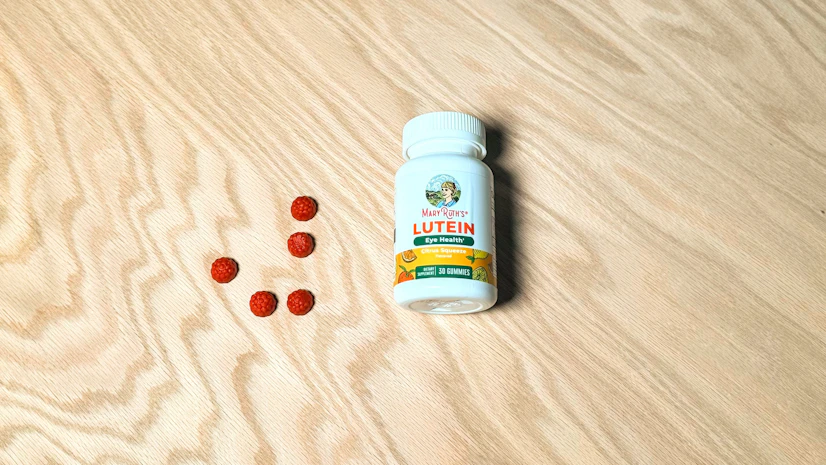
Photo by Innerbody Research
Pros
- Provides the clinically studied 10mg lutein and 2mg zeaxanthin combination
- Pleasant citrus flavor
- Sweetened with monk fruit
- Only 5 calories per gummy
- Third-party tested
- Manufactured in a GMP-compliant facility
- Vegan, non-GMO, and free from many common allergens
Cons
- No additional active ingredients
- More expensive per serving than capsule options
- No free shipping on orders under $49
Founded in 2014, MaryRuth Organics has built a reputation for producing approachable supplements in a variety of formats, including gummies, liquids, capsules, and tinctures. The company manufactures its products in GMP-compliant facilities, performs third-party testing, and participates in the Clean Label Project, an independent certification program that screens products for contaminants like heavy metals, pesticides, and plasticizers.
Its Lutein Gummies stand out because they're simply enjoyable to take. Each gummy provides the 10mg lutein and 2mg zeaxanthin combination used in many clinical studies, making it an easy way to reach the doses most often associated with improvements in macular pigment and visual performance.4 5
The tradeoff is that the formula sticks exclusively to lutein and zeaxanthin, without adding complementary ingredients like astaxanthin or omega-3s. However, if you're simply looking for an easy way to get the clinically studied dose — or if swallowing capsules isn't your favorite part of taking supplements — MaryRuth's is a great alternative.
Taste
MaryRuth's Lutein Gummies taste remarkably similar to citrus fruit snacks, with a bright, slightly tangy flavor that's sweet without being overpowering. The monk fruit sweetener does a nice job rounding out the flavor, and we didn't notice the lingering bitterness that sometimes accompanies carotenoid supplements.
At just 5 calories per serving, they're also an easy addition to most routines. We could easily see these becoming a supplement that people actually look forward to taking each day.
Pricing, subscriptions, and shipping
MaryRuth's Lutein Gummies are available as either a one-time purchase or through a subscription program. Subscribers save 10% and can schedule deliveries every 30, 45, 60, or 90 days. Shipping is free on orders over $49.
That ends up looking like:
| Price | Cost per serving | |
|---|---|---|
| One-time purchase | $24.95 | $0.83 |
| Subscription | $22.46 | $0.75 |
These prices come in just below those of our best overall pick from Innerbody Labs, though that formula also includes astaxanthin, which MaryRuth’s does not.
Refunds and guarantees
MaryRuth's backs its products with a 30-day Happiness Guarantee. Customers who aren't satisfied with their purchase can contact the company within 30 days to discuss a refund or replacement.
While the guarantee isn't as long as Nutricost's 60-day policy, it's still a welcome feature — especially for gummies, where taste and texture often determine whether someone sticks with a supplement over the long term.
Nordic Naturals Vision Support
Best with omega-3s

Photo by Innerbody Research
Pros
- Combines lutein, zeaxanthin, and omega-3s in one supplement
- Provides clinically studied amounts of lutein and zeaxanthin
- Includes enough DHA and EPA to replace a separate fish oil for many people
- Third-party tested for purity and potency
- Made with sustainably sourced wild fish
Cons
- Highest cost per serving in this guide
- Requires two large softgels per serving
- Not vegetarian-friendly
- No satisfaction guarantee
Founded in 1995, Nordic Naturals has become one of the most recognizable names in omega-3 supplements. The company sources its fish from sustainably managed fisheries, manufactures its products under strict quality standards, and independently tests every batch for purity and contaminants.
Vision Support takes a different approach from every other supplement in this guide by pairing lutein and zeaxanthin with a meaningful dose of omega-3 fatty acids. Each two-softgel serving provides:
- 20mg lutein
- 4mg zeaxanthin
- 1,460mg total omega-3s
- 845mg DHA
- 360mg EPA
The lutein and zeaxanthin doses are twice the 10mg lutein and 2mg zeaxanthin combination used in many clinical studies, though higher amounts haven't consistently produced better visual outcomes.5 26
The more distinctive part of the formula is its omega-3 content. DHA is the predominant omega-3 fatty acid in the retina, where it plays an important structural role in photoreceptor cell membranes, while EPA and DHA contribute to healthy cell membrane function and inflammatory balance throughout the body.36 Research evaluating omega-3s alongside lutein and zeaxanthin has produced mixed results for age-related macular degeneration. Smaller studies have reported improvements in macular pigment optical density, but the much larger AREDS2 trial found that adding omega-3s didn't provide any additional reduction in the risk of progression to advanced AMD.5 37 38
That doesn't diminish the value of the fish oil itself. Nordic Naturals provides 845mg DHA and 360mg EPA — about 1.2g of EPA and DHA combined — which falls comfortably within the range commonly recommended for people looking to increase their omega-3 intake for general cardiovascular and brain health.39 40 In other words, these aren't token amounts added to make the label look more impressive; they're meaningful doses that could replace a separate daily fish oil supplement for many people.
If you're already taking an omega-3 — or have been considering adding one — Vision Support offers a convenient way to support both your eye health and overall omega-3 intake with a single supplement. The tradeoff is cost, as well as the need to take two fairly large softgels each day. But for anyone who wants clinically relevant doses of lutein, zeaxanthin, and omega-3s in one product, Nordic Naturals is our top recommendation.
Pricing, subscriptions, and shipping
At 30 servings per bottle, Nordic Naturals Vision Support costs about $1.73 per serving as a one-time purchase or $1.56 per serving with a subscription. Subscribers save 10% and can schedule deliveries every 30, 60, or 90 days. Shipping is free on both one-time purchases and subscriptions.
| Price | Cost per serving | Shipping | |
|---|---|---|---|
| One-time purchase | $51.95 | $1.73 | Free |
| Subscription | $46.76 | $1.56 | Free |
Vision Support is the most expensive supplement in this guide, but it's also the only one that combines clinically studied amounts of lutein and zeaxanthin with a meaningful dose of omega-3s. If you already take a daily fish oil — or have been considering adding one — it could replace a second supplement, helping offset its higher upfront cost. If you'd rather keep your eye and omega-3 supplements separate, check out our guide to the best fish oil supplements for our top standalone recommendations.
Refunds and guarantees
Unlike most of the companies in this guide, Nordic Naturals doesn't offer a satisfaction guarantee. Instead, it accepts returns only for new, unopened products within 30 days of purchase, making it the most restrictive return policy among our recommendations. If you're trying lutein and zeaxanthin or omega-3 supplements for the first time, that limited policy may be worth considering before you buy.
Opti+ AREDS 2
Best vitamins for macular degeneration

Photo by Innerbody Research
Pros
- Based on the landmark AREDS2 study
- Provides the clinically studied 10mg lutein and 2mg zeaxanthin combination
- Includes antioxidant vitamins C and E plus zinc and copper
- Third-party tested for purity and potency
- Uses MCT oil to support carotenoid absorption
Cons
- Single serving is two softgels
- Not vegetarian-friendly
- Higher price than standalone lutein and zeaxanthin supplements
To understand why we recommend Opti+ AREDS 2, it helps to understand the landmark Age-Related Eye Disease Studies (AREDS and AREDS2). Sponsored by the National Eye Institute, these trials established the first evidence-based nutritional approach for slowing the progression of AMD in people with intermediate disease or advanced AMD in one eye.41
Researchers later refined the original AREDS formula after beta-carotene was linked to an increased risk of lung cancer in people who smoke or formerly smoked.42 AREDS2 showed that replacing beta-carotene with 10mg of lutein and 2mg of zeaxanthin maintained the formula's benefits while providing a safer option for those populations.5 Those findings helped establish today's standard AREDS2 formulation.
Each two-softgel serving of Opti+ AREDS 2 provides:
- 500mg vitamin C
- 180mg vitamin E (400 IU)
- 25mg zinc
- 2mg copper
- 10mg lutein
- 2mg zeaxanthin
The formula closely follows the nutrients evaluated in AREDS2, with one notable difference: zinc. While the original AREDS and AREDS2 formulations contained 80mg, Opti+ provides 25mg. That's not necessarily a drawback. AREDS2 included a secondary comparison of the two zinc doses and found no statistically significant difference in progression to advanced AMD, though the study wasn't designed to prove the lower dose was equivalent.5 Because the tolerable upper intake level (UL) for zinc is 40mg per day for adults, many modern AREDS2 supplements have adopted the lower amount, which may improve tolerability while remaining consistent with the available clinical evidence.43
Beyond the formula itself, Opti+ manufactures its supplements in the United States and third-party tests them for purity and potency. The softgels also contain MCT oil, which helps dissolve the fat-soluble carotenoids lutein and zeaxanthin and may support their absorption.14 28
Pricing, subscriptions, and shipping
At 45 servings per bottle, Opti+ AREDS 2 costs about $0.71 per serving with a one-time purchase or $0.64 per serving when you subscribe. Subscribers can choose deliveries every 30, 45, 60, or 90 days.
That breaks down like this:
| Price | Cost per serving | |
|---|---|---|
| One-time purchase | $32.00 | $0.71 |
| Subscription (10% off) | $28.80 | $0.64 |
Compared to a basic lutein and zeaxanthin supplement, Opti+ costs a bit more. You're paying for more than just lutein and zeaxanthin, though. It includes the full blend of antioxidant vitamins and minerals that define the AREDS2 formula, which explains its higher price than simpler eye health supplements.
Even so, it still costs less per serving than MaryRuth's gummies, Innerbody Labs Astaxanthin+, and Nordic Naturals Vision Support. If your eye doctor has recommended an AREDS2 supplement — or you're shopping specifically for one — Opti+ delivers the research-backed formula at a reasonable price.
Refunds and guarantees
Opti+ backs its supplements with a 30-day money-back guarantee, matching the policies offered by Innerbody Labs and MaryRuth Organics. While it falls short of Nutricost's 60-day guarantee, a month should be enough to decide whether you're comfortable with the serving size and formula.
Just keep in mind that AREDS2 supplements are designed to slow the progression of age-related macular degeneration over months or years, so you shouldn't expect noticeable improvements within the return window.
Alternatives to lutein and zeaxanthin supplements
If you're looking beyond lutein and zeaxanthin, there are several other evidence-backed ways to support long-term eye health. Some supplements target similar pathways or complement lutein and zeaxanthin, while certain foods naturally provide these carotenoids alongside other nutrients associated with healthy vision.
Supplements
Astaxanthin
Like lutein and zeaxanthin, astaxanthin is a carotenoid with potent antioxidant properties. However, rather than concentrating primarily in the macula, it distributes more broadly throughout the body and has been studied for supporting eye health, skin health, cognitive function, and protection against oxidative stress.29 30 Clinical studies also suggest astaxanthin may help reduce digital eye strain and improve visual comfort during prolonged screen use, making it an appealing option for people who want broader antioxidant support in addition to eye health benefits.11 12 34
Learn more about the research and see our top recommendations in our guide to the best astaxanthin supplements.
Omega-3 fatty acids
Omega-3 fatty acids — particularly DHA — are major structural components of the retina and play an important role in maintaining normal visual function. While research combining omega-3s with lutein and zeaxanthin has produced mixed results for slowing age-related macular degeneration, omega-3 supplementation remains well supported for overall cardiovascular health and may benefit people with dry eye symptoms.39 40 For many people, omega-3s complement lutein and zeaxanthin rather than replace them.5 36 37 38
You can compare the leading options in our guide to the best fish oil supplements — or, better yet, adopt a more sustainable approach and get the same health benefits using our guide to the best vegan omega-3 supplements.
Saffron
Saffron is a carotenoid-rich spice derived from the Crocus sativus flower. Its primary active compounds, crocin and crocetin, have demonstrated antioxidant and anti-inflammatory effects in the retina. Several clinical studies have reported improvements in visual acuity, retinal function, and contrast sensitivity among people with early age-related macular degeneration after supplementing with saffron, though the evidence remains smaller than the extensive body of research supporting lutein and zeaxanthin.44 45
If you'd like to learn more, check out our complete guide to the best saffron supplements.
Diet
In addition to — or instead of — supplementation, you can support your eyes by eating foods naturally rich in lutein, zeaxanthin, and other nutrients associated with long-term visual health. Because carotenoids are fat-soluble, pairing them with a source of healthy fat, such as olive oil, avocado, or nuts, can help improve their absorption.14 Foods that support eye health include:17 40
- Dark leafy greens such as spinach, kale, collard greens, and Swiss chard (among the richest natural sources of lutein and zeaxanthin)
- Egg yolks, which provide highly bioavailable lutein and zeaxanthin
- Corn, peas, pistachios, and orange or yellow peppers
- Fatty fish like salmon, sardines, trout, and mackerel, which supply DHA and EPA omega-3 fatty acids that support retinal health
- Colorful fruits and vegetables, including berries, citrus fruits, carrots, and tomatoes, which provide vitamin C and other antioxidant compounds
Lutein and zeaxanthin supplement FAQ
Sources
Innerbody uses only high-quality sources, including peer-reviewed studies, to support the facts within our articles. Read our editorial process to learn more about how we fact-check and keep our content accurate, reliable, and trustworthy.
Rein DB, Wittenborn JS, Burke-Conte Z, et al. Prevalence of Age-Related Macular Degeneration in the US in 2019. JAMA Ophthalmology. 2022;140(12):1202–1208.
Mrowicka M, Mrowicki J, Kucharska E, Majsterek I. Lutein and Zeaxanthin and Their Roles in Age-Related Macular Degeneration—Neurodegenerative Disease. Nutrients. 2022;14(4):827.
Ma L, Lin XM. Effects of lutein and zeaxanthin on aspects of eye health. Journal of the Science of Food and Agriculture. 2010;90(1):2–12.
Wilson LM, Tharmarajah S, Jia Y, Semba RD, Schaumberg DA, Robinson KA. The Effect of Lutein/Zeaxanthin Intake on Human Macular Pigment Optical Density: A Systematic Review and Meta-Analysis. Advances in Nutrition. 2021;12(6):2244–2254.
Age-Related Eye Disease Study 2 Research Group. Lutein + zeaxanthin and omega-3 fatty acids for age-related macular degeneration: the Age-Related Eye Disease Study 2 (AREDS2) randomized clinical trial. JAMA. 2013;309(19):2005–2015.
Lopresti AL, Smith SJ. The effects of lutein/ zeaxanthin (Lute-gen®) on eye health, eye strain, sleep quality, and attention in high electronic screen users: a randomized, double-blind, placebo-controlled study. Frontiers in Nutrition. 2025;12:1522302.
Lopresti, A. L., Smith, S. J., & Drummond, P. D. The Effects of Lutein and Zeaxanthin Supplementation on Cognitive Function in Adults With Self-Reported Mild Cognitive Complaints: A Randomized, Double-Blind, Placebo-Controlled Study. Frontiers in Nutrition. 2022;9, 843512.
Bovier, E. R., Renzi, L. M., & Hammond, B. R. A Double-Blind, Placebo-Controlled Study on the Effects of Lutein and Zeaxanthin on Neural Processing Speed and Efficiency. PLOS ONE. 2014;9(9), e108178.
Juturu, V., Bowman, J. P., & Deshpande, J. Overall skin tone and skin-lightening-improving effects with oral supplementation of lutein and zeaxanthin isomers: A double-blind, placebo-controlled clinical trial. Clinical, Cosmetic and Investigational Dermatology. 2016;9, 325.
Žmitek K, Žmitek J, Rogl Butina M, Hristov H, Pogačnik T, Pravst I. Dietary lutein supplementation protects against ultraviolet-radiation-induced erythema: Results of a randomized double-blind placebo-controlled study. Journal of Functional Foods. 2020;75:104265.
Giannaccare, G., Pellegrini, M., Senni, C., Bernabei, F., Scorcia, V., & Cicero, A. F. G Clinical Applications of Astaxanthin in the Treatment of Ocular Diseases: Emerging Insights. Marine Drugs. 2020;18(5), 239.
Queen, C. J. J., Sparks, S. A., Marchant, D. C., & McNaughton, L. R. The effects of astaxanthin on cognitive function and neurodegeneration in humans: A critical review. Nutrients. 2024;16(6), 826.
Ambati, R. R., Phang, S.-M., Ravi, S., & Aswathanarayana, R. G. Astaxanthin: Sources, Extraction, Stability, Biological Activities and Its Commercial Applications—A Review. Marine Drugs. 2014;12(1), 128–152.
Eisenhauer B, Natoli S, Liew G, Flood VM. Lutein and Zeaxanthin—Food Sources, Bioavailability and Dietary Variety in Age-Related Macular Degeneration Protection. Nutrients. 2017;9(2):120.
Johnson EJ. The role of carotenoids in human health. Nutrition in Clinical Care. 2002;5(2):56–65.
Bernstein PS, Delori FC, Richer S, van Kuijk FJ, Wenzel AJ. The value of measurement of macular carotenoid pigment optical densities and distributions in age-related macular degeneration and other retinal disorders. Vision Research. 2010;50(7):716–728.
National Institutes of Health Office of Dietary Supplements. Vitamin A and Carotenoids: Fact Sheet for Health Professionals. NIH Office of Dietary Supplements.
Qin Y, Qian C, Li W, et al. Oxidative Stress: Molecular Mechanisms, Diseases, and Therapeutic Targets. MedComm. 2026;7(2):e70600.
Stringham JM, Hammond BR Jr. The glare hypothesis of macular pigment function. Optometry and Vision Science. 2007;84(9):859–864.
Johnson EJ, Avendano EE, Mohn ES, Raman G. The association between macular pigment optical density and visual function outcomes: a systematic review and meta-analysis. Eye (London). 2021;35(6):1620–1628.
Liu R, Wang T, Zhang B, et al. Lutein and zeaxanthin supplementation and association with visual function in age-related macular degeneration. Investigative Ophthalmology & Visual Science. 2014;56(1):252–258.
Bharadwaj VG, Thirumalesh MB, Ashwath HV, et al. Beneficial Effects of a Lutein-Zeaxanthin Complex on Macular Pigment Optical Density Levels of Healthy Individuals With Prolonged Screen Time. Cureus. 2025;17(2):e79481.
Chew EY, Clemons TE, Agrón E, et al. Effect of Omega-3 Fatty Acids, Lutein/Zeaxanthin, or Other Nutrient Supplementation on Cognitive Function: The AREDS2 Randomized Clinical Trial. JAMA. 2015;314(8):791–801.
Grether-Beck S, Marini A, Jaenicke T, Stahl W, Krutmann J. Molecular evidence that oral supplementation with lycopene or lutein protects human skin against ultraviolet radiation: results from a double-blinded, placebo-controlled, crossover study. British Journal of Dermatology. 2017;176(5):1231–1240.
Stringham NT, Green M, Roche W, Prado-Cabrero A, Mulcahy R, Nolan J. Lutein, zeaxanthin, and meso-zeaxanthin supplementation attenuates inflammatory cytokines and markers of oxidative cardiovascular processes in humans. Nutrition, Metabolism and Cardiovascular Diseases. 2024;34(8):1976–1983.
Huang YM, Dou HL, Huang FF, Xu XR, Zou ZY, Lin XM. Effect of supplemental lutein and zeaxanthin on serum, macular pigmentation, and visual performance in patients with early age-related macular degeneration. BioMed Research International. 2015;2015:564738.
European Food Safety Authority (EFSA). Safety, bioavailability and suitability of lutein for the particular nutritional use by infants and young children: Scientific Opinion of the Panel on Dietetic Products, Nutrition and Allergies. EFSA Journal. 2008;6(11):823.
Green-Gomez M, Prado-Cabrero A, Moran R, et al. The Impact of Formulation on Lutein, Zeaxanthin, and meso-Zeaxanthin Bioavailability: A Randomised Double-Blind Placebo-Controlled Study. Antioxidants (Basel). 2020;9(8):767.
Zhou, X., Cao, Q., Orfila, C., Zhao, J., & Zhang, L. Systematic Review and Meta-Analysis on the Effects of Astaxanthin on Human Skin Ageing. Nutrients. 2021;13(9), 2917.
Nair, A., Ahirwar, A., Singh, S., Lodhi, R., Lodhi, A., Rai, A., Jadhav, D. A., Harish, Varjani, S., Singh, G., Marchand, J., Schoefs, B., & Vinayak, V. Astaxanthin as a king of ketocarotenoids: Structure, synthesis, accumulation, bioavailability and antioxidant properties. Marine Drugs. 2023;21(3), 176.
Wu, D., Xu, H., Chen, J., & Zhang, L. Effects of astaxanthin supplementation on oxidative stress. International Journal for Vitamin and Nutrition Research. 2020;90(1-2), 179–194.
Hayashi, M., Kawamura, M., Kawashima, Y., Uemura, T., & Maoka, T. Effect of astaxanthin-rich extract derived from Paracoccus carotinifaciens on the status of stress and sleep in adults. Journal of Clinical Biochemistry and Nutrition. 2020;66(2), 118–125.
Barker, G. A., Parten, A. L., Lara, D. A., Hannon, K. E., McAllister, M. J., & Waldman, H. S. Astaxanthin supplementation reduces subjective markers of muscle soreness following eccentric exercise in resistance-trained men. Muscles. 2023;2(2), 228–237.
Hecht, K. A., Marwah, M., Wood, V., Nishida, Y., Bach, A. E., Gerson, J., Hom, M. M., Schnackenberg, J., Raote, S., Srivastava, S., Negi, P., & Caston, E. Astaxanthin (AstaReal®) improved acute and chronic digital eye strain in children: A randomized double-blind placebo-controlled trial. Advances in Therapy. 2025;42(4), 1811–1833.
Brown, D. R., Warner, A. R., Deb, S. K., Gough, L. A., Sparks, S. A., & McNaughton, L. R. The effect of astaxanthin supplementation on performance and fat oxidation during a 40 km cycling time trial. Journal of Science and Medicine in Sport. 2021;24(1), 92–97.
SanGiovanni JP, Chew EY. The role of omega-3 long-chain polyunsaturated fatty acids in health and disease of the retina. Progress in Retinal and Eye Research. 2005;24(1):87–138.
García-Layana A, Recalde S, Salinas Alamán A, Fernández Robredo P. Effects of Lutein and Docosahexaenoic Acid Supplementation on Macular Pigment Optical Density in a Randomized Controlled Trial. Nutrients. 2013;5(2):543–551.
Dawczynski J, Jentsch S, Schweitzer D, Hammer M, Lang GE, Strobel J. Long term effects of lutein, zeaxanthin and omega-3-LCPUFAs supplementation on optical density of macular pigment in AMD patients: the LUTEGA study. Graefe's Archive for Clinical and Experimental Ophthalmology. 2013;251(12):2711–2723.
American Heart Association. Fish and Omega-3 Fatty Acids. November 1, 2021.
National Institutes of Health Office of Dietary Supplements. Omega-3 Fatty Acids: Fact Sheet for Health Professionals. National Institutes of Health.
Age-Related Eye Disease Study Research Group. A Randomized, Placebo-Controlled, Clinical Trial of High-Dose Supplementation With Vitamins C and E, Beta Carotene, and Zinc for Age-Related Macular Degeneration and Vision Loss: AREDS Report No. 8. Archives of Ophthalmology. 2001;119(10):1417–1436.
Albanes D, Heinonen OP, Taylor PR, et al. Alpha-Tocopherol and beta-carotene supplements and lung cancer incidence in the alpha-tocopherol, beta-carotene cancer prevention study: effects of base-line characteristics and study compliance. Journal of the National Cancer Institute. 1996;88(21):1560–1570.
Institute of Medicine (US) Panel on Micronutrients. Dietary Reference Intakes for Vitamin A, Vitamin K, Arsenic, Boron, Chromium, Copper, Iodine, Iron, Manganese, Molybdenum, Nickel, Silicon, Vanadium, and Zinc. Washington (DC): National Academies Press (US); 2001. ISBN-10: 0-309-07279-4.
Piccardi M, Marangoni D, Minnella AM, et al. A longitudinal follow-up study of saffron supplementation in early age-related macular degeneration: sustained benefits to central retinal function. Evidence-Based Complementary and Alternative Medicine. 2012;2012:429124.
Broadhead GK, Chang A, Grigg J, McCluskey P. Efficacy and Safety of Saffron Supplementation: Current Clinical Findings. Critical Reviews in Food Science and Nutrition. 2016;56(16):2767–2776.
Palombo P, Fabrizi G, Ruocco V, et al. Beneficial long-term effects of combined oral/topical antioxidant treatment with the carotenoids lutein and zeaxanthin on human skin: a double-blind, placebo-controlled study. Skin Pharmacology and Physiology. 2007;20(4):199–210.
EFSA Panel on Food Additives and Nutrient Sources added to Food (ANS). Scientific Opinion on the re-evaluation of lutein (E 161b) as a food additive. EFSA Journal. 2010;8(7):1678.
EFSA Panel on Dietetic Products, Nutrition and Allergies (NDA). Statement on the safety of synthetic zeaxanthin as an ingredient in food supplements. EFSA Journal. 2012;10(10):2891.
Thürmann PA, Schalch W, Aebischer JC, Tenter U, Cohn W. Plasma kinetics of lutein, zeaxanthin, and 3-dehydro-lutein after multiple oral doses of a lutein supplement. The American Journal of Clinical Nutrition. 2005;82(1):88–97.

Copyright © Innerbody Research 1997 - 2025. All Rights Reserved.