VIP Peptide: Benefits, side effects, dosage details, and how it works
VIP has the potential to be a very important peptide for immune health, particularly with regard to inflammation.
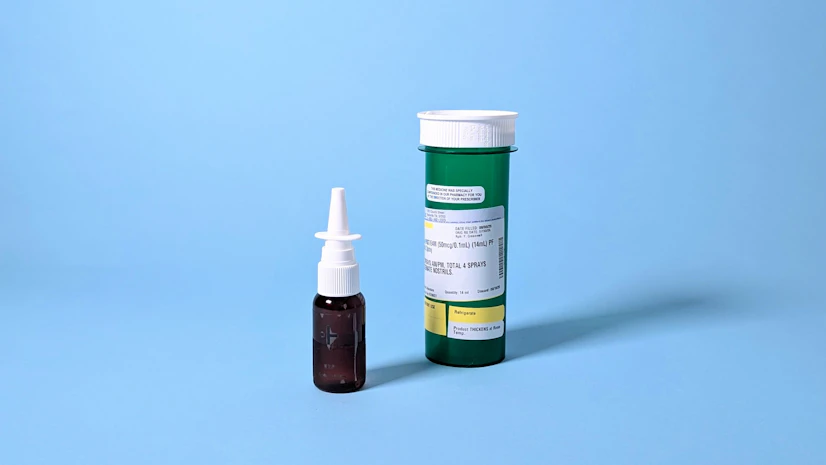
Photo by Innerbody Research
With the FDA advisory panel’s recommendation to lift restrictions on multiple therapeutic peptides, curious health consumers are paying increased attention to other experimental treatments. One example of these peptides is called VIP — an immunosuppressive neuropeptide that may hold therapeutic potential for inflammatory illnesses, autoimmune diseases, and more.
Because VIP isn’t a mainstream medication, information about its effects and mechanisms isn’t exactly abundant in the internet’s most widely accessed sources. That’s why we produced this guide, which examines the peptide from every conceivable angle, to familiarize you with its potential as an immune system adjuvant.
And for those of you who decide you’d like to try VIP, we’ve also researched the provider landscape extensively, and this guide points you toward the current best source for the treatment at this time: a telehealth outfit called Joi + Blokes.

At Joi + Blokes, the process of obtaining a vasoactive intestinal peptide (VIP) prescription is quick and easy.
The online interface is intuitive and simple to navigate, and the consultation is straightforward and fast. The pricing is competitive, too, with one-time purchases costing $199 and monthly subscriptions dropping to $159. For that, you also get rapid, discreet shipping as well as a comprehensive patient dashboard through which to manage your treatment.
Jump to:
Why you should trust us
Over the past two decades, Innerbody Research has helped tens of millions of readers make more informed decisions about staying healthy and living healthier lifestyles.
At this point, our team has devoted at least 1,000 cumulative hours to researching and writing about therapeutic peptides. That’s a conservative estimate, by the way. There’s a good chance that our clock time is now two to three times as high. And as with everything we’ve done with peptides thus far, we based our writing on multiple research avenues: not just clinical studies, but also the views of the people who prescribe and use peptides.
Additionally, like all health-related content on this website, this guide was thoroughly vetted by one or more members of our Medical Review Board for accuracy and will continue to be monitored for updates by our editorial team.
What is VIP?
VIP refers to vasoactive intestinal peptide. Originally isolated from pig guts in 1970, it’s a 28-residue signaling peptide that also occurs naturally in the human body, particularly in the pancreas, intestines, and central nervous system.1 In synthetic form, it goes by the name aviptadil, which earned FDA orphan drug designation in 2020 for the treatment of sarcoidosis — a status intended to encourage the development of treatments for rare diseases, but one that is separate from FDA approval.2
Broadly, VIP is classified as an immunosuppressive neuropeptide, a sort of chemical messenger that helps modulate immune responses, but its mechanism of action is wider-ranging than that. Its principal receptors are VPAC1 and VPAC2, a class of protein groups found on cellular surfaces. The two VPACs couple to an enzyme called adenylyl cyclase to catalyze cyclic adenosine monophosphate (cAMP), which plays an integral part in numerous biological processes.3 With respect to VIP, these processes include anti-inflammation and vascular smooth muscle relaxation.
VIP is one of those therapeutic peptides that can be administered via intranasal spray, made possible in part by its relatively small size. At about 3,326.8Da,4 it’s within the molecular weight range of drugs that can be absorbed through the nasal lining with around 10% bioavailability,5 which is twice as good as most intranasally administered peptides.6 Researchers have administered it subcutaneously, too, though largely in animal models, and clinics more commonly offer the intranasal form.
Primary therapeutic uses of VIP
With VIP’s actions on inflammation and vascular smooth muscle, its primary therapeutic uses relate to immune function and urological health. Specifically, a clinic may approve you for an intranasal VIP prescription (the most commonly available route of administration) if you have one of the following concerns:
Inflammatory illnesses
The synthetic form of VIP, aviptadil, holds an FDA orphan drug designation for the treatment of sarcoidosis, an inflammatory disease characterized in part by an exaggerated immune response.7 8 Because aviptadil is identical to VIP,9 we can deduce that VIP would also help to effectively manage the disease, which is indeed what research studies have found. A 2010 study, for example, found that inhalatory VIP significantly dampened the characteristic immune response of sarcoidosis by regulating T cell activity.10
Similarly, intranasal VIP has demonstrated a regulatory effect in another inflammatory condition, called chronic inflammatory response syndrome (CIRS). Often resulting from the inhalation of toxins (e.g., mold) in water-damaged buildings, CIRS, like sarcoidosis, causes the immune system to mount an exaggerated response, leading to increased inflammation. A 2016 study, which monitored the RNA transcripts of CIRS patients, observed that intranasal VIP appeared to calm their anti-inflammatory immune system activity.11
Autoimmune diseases (including gastrointestinal)
VIP’s anti-inflammatory and immunomodulatory actions point to some promising implications in its utility in treating certain autoimmune diseases, including but not limited to rheumatoid arthritis (RA), inflammatory bowel disease (IBD), and multiple sclerosis (MS). As summarized in a 2019 review of studies, VIP administration has “demonstrated beneficial effects ... in all stages of RA development,” “reduced the clinical and histopathologic severity of TNBS-induced colitis,” and “reduced the clinical and pathological scores in [an animal model of MS] with a blockade of symptoms lasting 60 days.”12
Pulmonary diseases
VIP increases circulating cAMP, which in turn helps to relax the vascular smooth muscles and allow bodily vessels (e.g., blood, pulmonary) to widen13 — hence the vasoactive part of its name. Therefore, inhalation of VIP, including through the nasal cavity, shows some potential as a possible treatment for pulmonary arterial hypertension and asthma.14
The summary version is that VIP, in its most widely available commercial form, best exerts influence over immune homeostasis,15 keeping your body primed to ward off pathogens but keeping it from overzealously attacking healthy organs. The rub is that the relevant studies here have largely been conducted in animal models, not humans, so VIP remains an experimental treatment avenue, especially for autoimmunity and pulmonary health. Nevertheless, a clinician may see it fit to recommend the experimental route if all traditional treatment methods have failed.
Other potential uses of VIP
Outside of the intranasal route of administration, VIP may be able to address other areas of health.
As an intravenous drug, for instance, VIP (as aviptadil) has been assessed as a potential treatment for COVID-19. Not a definitive treatment, however. In a 2022 randomized controlled trial, its therapeutic effects “did not reach statistical significance” compared with placebo in the primary endpoint.20
More promising is VIP’s utility in the treatment of erectile dysfunction (ED) owing to its vasodilatory properties: when the penile blood vessels widen, they more easily fill with blood to form an erection.16 There’s even an ED drug called Invicorp that combines VIP with phentolamine, administered as a local injection directly into the penis, that has shown to be effective in no less than 80% of patients.17 But Invicorp isn’t available in the United States, and we’d wager that many men aren’t keen on having a needle stuck into such a sensitive body part.
The vasodilatory effect may help with hypertension, as well, although the relevant findings are less optimistic than they are with ED. In a 1987 study, intravenous VIP decreased total peripheral resistance by 30% and mean arterial pressure by 12%, but it was a very small study — only six subjects — and the intravenous administration involved a 100-minute infusion duration.18
Vasoactivity aside, VIP may perhaps help in cases of inflammatory arthritis or cognitive dysfunction,21 19 but at this time, the body of evidence is relatively meager. We may one day learn that VIP can indeed help in these areas, but we currently lack the substantive human research to say anything more definitive.
Is VIP safe?
In human studies, VIP/aviptadil has been more or less well-tolerated, although with several common side effects:22 23
- Diarrhea
- Flushing
- Increased heart rate
- Decreased blood pressure
The heart rate and blood pressure effects are often interrelated and are directly related to VIP’s vasodilatory properties.24 25 Though they’re seriously concerning, some research suggests they’re also short-lived,26 even when the drug is taken intravenously — the most bioavailable route of administration.27
More severely, albeit theoretically, VIP may pose a slight risk of immune system compromise. The risk stems from its modulating effect on immune function. By restricting the zeal with which immune factors such as T cells and inflammatory mediators do their natural work, VIP could allow aggressive diseases to take root. Mostly, the possibility of immunocompromise is a deductive rather than a demonstrated conclusion. For example, a 2013 mouse study found that a VIP antagonist improved subjects’ immunity to cytomegalovirus,28 and a 2017 study (also on mice) similarly showed that blocking VIP “resulted in reduced tumor burden and significantly enhanced survival.”29 These outcomes are not equivalent to VIP having a direct cancer-causing effect.
Consider, too, that other studies have suggested the opposite effect on some cancer types. A 2018 study, in particular, observed that VIP administration actually induced cancer cell death in hepatocellular carcinoma.30
The case may be that VIP’s ultimate effect as regards severe disease is condition-dependent — helpful in some instances, harmful in others. The evidence either way is still too undeveloped to say for sure.
Research-grade vs. pharmaceutical-grade VIP
With any therapeutic peptide, the first thing you can do to minimize health risks is to choose a pharmaceutical-grade form, as opposed to research-grade.
The distinction relates to purity:
- Pharmaceutical-grade peptides are free of fillers and additives, and have purity levels of around 99%, if not more.
- Research-grade peptides aren’t held to such high standards, having purity levels as low as 60%.31
Were you to ingest a low-purity research-grade peptide, you’d be filling your body with a relatively high concentration of contaminants that your immune system would rightly identify as a threat. In some cases, the consequent immune response could cause anaphylaxis.32
The moral is that you should never put research-grade peptides into your body. For good reason does the label read “for research use only.”
What’s it like to use VIP?
Because several reputable telehealth clinics offer VIP, and a member of our team even has a prescription, we have a solid sense of how a standard treatment protocol would go.
Route of administration
VIP is most commonly given as an intranasal spray. Per the instructions given to our team member, one should first gently blow their nose, shake the bottle well, insert the spray tip into one nostril while closing the other, gently inhale to administer the medicine, and then repeat with the other nostril.
Dose and frequency
Our team member’s prescription notes a 50mcg dose four times per day: one in each nostril in the morning, and another in the evening. This dosing protocol is consistent with human research, including a 2013 study on subjects with CIRS.33
Preparation and storage
Besides your having to shake the bottle before every use, an intranasal peptide doesn’t require preparation. Just use it straight from the packaging.
It does need to be kept in a cold environment, however, just like any other therapeutic peptide. Otherwise, it’ll degrade, ruining the medication you’ve bought. The refrigerator is the ideal storage space.
Who is (and is not) a candidate for VIP?
The best candidate for VIP is someone with sarcoidosis, seeing as it’s the condition for which aviptadil has been given orphan drug designation. But given what else the research evidence indicates, we’d say that other well-indicated cohorts for VIP are people who live with:
- Chronic inflammation
- Pulmonary health issues
- Certain autoimmune diseases (e.g., RA, IBD, MS)
But people in these cohorts would be wise to temper their expectations. Especially in the case of autoimmunity, we’re talking about complex disease processes that usually aren’t so simple to treat. For the sake of your morale, at least, you oughtn’t enter a VIP treatment protocol thinking it will erase your arthritic pain, gastrointestinal distress, or the myriad symptoms associated with MS — not least of all because some of the relevant research hasn’t been validated in human subjects. Instead, regard VIP as a possible mitigating agent in a broader treatment plan that includes other prescription medications, over-the-counter products, and/or therapy.
On the other end of the candidacy spectrum, people taking antihypertensive medication, as well as anyone with a cardiovascular condition or a history of cancer, would likely be contraindicated for VIP, given the drug’s vasodilatory effect and theoretical ability to potentiate certain cancers. We can also add pregnant women and lactating mothers to the no-go cohort, as there isn’t enough research to determine whether VIP can harm the developing fetus or child.
Where to find VIP
A peptide clinic is your best route to obtaining a prescription for pharmaceutical-grade VIP. Your primary care provider might be able to write you a script, but unless you have sarcoidosis, your odds of success there are slimmer — even if your doctor is familiar with VIP, they’d have to consider it medically necessary to treat your condition,34 when there are other, more mainstream treatment options for inflammation, pulmonary illness, and autoimmunity. Peptide clinics, on the other hand, currently operate within a kind of regulatory gray area with a more permissive attitude toward off-label uses for experimental drug options.
At this time, our foremost recommended peptide clinic for VIP is a telehealth outfit called Joi + Blokes. There, a one-month supply of intranasal VIP costs $199, while a monthly subscription drops the price to $159. No membership fees or anything like that.
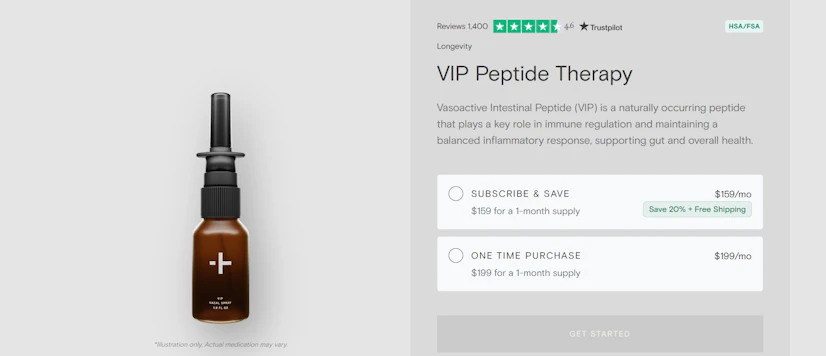
Photo by Innerbody Research
Because we’re talking about a prescription drug, you’ll need to undergo a clinician consult before Joi + Blokes will approve your order, but the process is as simple as it is quick.
After you select a date and time for your consult, Joi + Blokes will email you a confirmation message along with information to help you prepare. The consult itself takes place through a Zoom portal. The prescribing clinician ought to ask you basic questions about your health concerns, the medications and supplements you take, and other details about your medical history, with the aim of ruling out potential contraindications. Our team member, who went through Joi + Blokes, said the entire call lasted maybe five minutes. After it was over, their prescription was approved and they received their treatment plan by email. Their VIP arrived in just a couple of days thereafter.

Photo by Innerbody Research
All Joi + Blokes patients can manage their subscriptions and message clinicians through the online dashboard, which is intuitively laid out and easy to navigate. This user-friendly interface is part of why we like Joi + Blokes, as it helps empower patients to take the wheel on their treatment course. If you’re determined to explore this peptide treatment for yourself, we’d suggest starting there.
Sources
Innerbody uses only high-quality sources, including peer-reviewed studies, to support the facts within our articles. Read our editorial process to learn more about how we fact-check and keep our content accurate, reliable, and trustworthy.
- National Cancer Institute. (n.d.). VIP hormone. National Institutes of Health.
- U.S. Food & Drug Administration. (2020). Search orphan drug designations and approvals: Aviptadil. FDA.
- Couvineau, A., & Laburthe, M. (2012). VPAC receptors: Structure, molecular pharmacology and interaction with accessory proteins. British Journal of Pharmacology, 166(1), 42-50.
- PubChem. (2026). Vasoactive intestinal peptide. National Library of Medicine.
- Ozsoy, Y., Gungor, S., & Cevher, E. (2009). Nasal delivery of high molecular weight drugs. Molecules, 14(9), 3754-3779.
- Al Bakri, W., et al. (2018). Overview of intranasally delivered peptides: Key considerations for pharmaceutical development. Expert Opinion on Drug Delivery, 15(10), 991-1005.
- Cleveland Clinic. (2023). Sarcoidosis. Cleveland Clinic.
- University of Rochester Medicine. (n.d.). Sarcoidosis. University of Rochester Medicine.
- European Medicines Agency. (2007). EU/3/07/473 — orphan designation for treatment of sarcoidosis. EMA.
- Prasse, A., et al. (2010). Inhaled vasoactive intestinal peptide exerts immunoregulatory effects in sarcoidosis. American Journal of Respiratory and Critical Care Medicine, 182(4), 540-548.
- Shoemaker, R. (2016). RNA-Seq on patients with chronic inflammatory response syndrome (CIRS) treated with vasoactive intestinal peptide (VIP) shows a shift in metabolic state and innate immune functions that coincide with healing. Medical Research Archives, 4(7).
- Martínez, C., et al. (2019). A clinical approach for the use of VIP axis in inflammatory and autoimmune diseases. International Journal of Molecular Sciences, 21(1), 65.
- Klabunde, R. E. (2021). Vascular signal transduction mechanisms. Cardiovascular Physiology Concepts.
- Mathioudakis, A., et al. (2013). Vasoactive intestinal peptide inhaled agonists: Potential role in respiratory therapeutics. Hippokratia, 17(1), 12-16.
- Gonzalez-Rey, E., & Delgado, M. (2005). Role of vasoactive intestinal peptide in inflammation and autoimmunity. Current Opinion in Investigational Drugs, 6(11), 1116-1123.
- Ferreira, S., César Vasconcelos, L. H., & Cavalcante, A. (2022). Erectile dysfunction: Key role of cavernous smooth muscle cells. Frontiers in Pharmacology, 13, 895044.
- Dinsmore, W. W., & Wyllie, M. G. (2008). Vasoactive intestinal polypeptide/phentolamine for intracavernosal injection in erectile dysfunction. BJU International, 102(8), 933-937.
- Frase, L. L., et al. (1987). Cardiovascular effects of vasoactive intestinal peptide in healthy subjects. The American Journal of Cardiology, 60(16), 1356-1361.
- Johns Hopkins Arthritis Center. (2005). Vasoactive intestinal peptide (VIP) prevents experimental arthritis: News summary from Johns Hopkins Arthritis. Johns Hopkins Medicine.
- Youssef, J. G., et al. (2022). The use of IV vasoactive intestinal peptide (Aviptadil) in patients with critical COVID-19 respiratory failure: Results of a 60-Day randomized controlled trial. Critical Care Medicine, 50(11), 1545-1554.
- White, C. M., et al. (2010). Therapeutic potential of vasoactive intestinal peptide and its receptors in neurological disorders. CNS & Neurological Disorders Drug Targets, 9(5), 661-666.
- Brown, S. M., et al. (2023). Intravenous aviptadil and remdesivir for treatment of COVID-19-associated hypoxaemic respiratory failure in the USA (TESICO): A randomised, placebo-controlled trial. The Lancet Respiratory Medicine, 11(9), 791-803.
- Ganea, D., Hooper, K. M., & Kong, W. (2014). The neuropeptide VIP: Direct effects on immune cells and involvement in inflammatory and autoimmune diseases. Acta Physiologica, 213(2), 442-452.
- Cleveland Clinic. (2025). Low blood pressure and high heart rate? Here’s what it means. Cleveland Clinic.
- Cleveland Clinic. (2022). Vasodilators. Cleveland Clinic.
- Pellesi, L., et al. (2020). Two-hour infusion of vasoactive intestinal polypeptide induces delayed headache and extracranial vasodilation in healthy volunteers. Cephalalgia.
- Price, G., & Patel, D. A. (2023). Drug bioavailability. StatPearls [Internet].
- Li, J. M., et al. (2013). VIPhyb, an antagonist of vasoactive intestinal peptide receptor, enhances cellular antiviral immunity in murine cytomegalovirus infected mice. PLoS One, 8(5), e63381.
- Petersen, C. T., Li, J. M., & Waller, E. K. (2017). Administration of a vasoactive intestinal peptide antagonist enhances the autologous anti-leukemia T cell response in murine models of acute leukemia. Oncoimmunology, 6(5), e1304336.
- Hara, M., et al. (2018). Vasoactive intestinal peptide increases apoptosis of hepatocellular carcinoma by inhibiting the cAMP/Bcl‐xL pathway. Cancer Science, 110(1), 235-244.
- De Groot, A. S., et al. (2023). Immunogenicity risk assessment of synthetic peptide drugs and their impurities. Drug Discovery Today, 28(10), 103714.
- Liu, E., et al. (2004). Preventing peptide-induced anaphylaxis: Addition of C-terminal amino acids to produce a neutral isoelectric point. The Journal of Allergy and Clinical Immunology, 114(3), 607-613.
- Shoemaker, R. C., House, D., & Ryan, J. C. (2013). Vasoactive intestinal polypeptide (VIP) corrects chronic inflammatory response syndrome (CIRS) acquired following exposure to water-damaged buildings. Health, 5(3), 396-401.
- U.S. Food & Drug Administration. (2016). Prescription requirement under Section 503A of the Federal Food, Drug, and Cosmetic Act: Guidance for industry. FDA.

Copyright © Innerbody Research 1997 - 2025. All Rights Reserved.