Best Akkermansia Supplement
Some regard this probiotic species as the wunderkind of metabolic health supplements. We’ve reviewed the research and identified the four most likely products to satisfy the health claims.

Photo by Innerbody Research
Probiotics are generally associated with gut health, which is itself kind of a nebulous concept. But now we’re in the age of “next-generation” probiotics, which are tailored for narrower therapeutic applications. A fine example of this is Akkermansia muciniphila.
In addition to promoting proper gut function, Akkermansia is said to confer cardiometabolic benefits and support weight loss. These are hefty health claims to live up to, and not all Akkermansia products pass scientific muster, so we searched the market for the ones that do.
In the end, we identified four supplements that should offer you the best chances of seeing Akkermansia’s purported health benefits. Check out our summary of recommendations for the rundown, and then read further to learn how we made our selections.
Summary of recommendations
- Best overall: Pendulum Akkermansia
- Best pasteurized form: Toniiq Akkermansia 50
- Best complex: Metagenics UltraFlora Healthy Weight With Akkermansia
- Budget pick: Double Wood Akkermansia
Note: For this guide, we narrowly defined “Akkermansia supplement” as a product that features Akkermansia muciniphila as the only probiotic species. Otherwise, went our reasoning, we’d be dealing with general probiotics that only happen to include Akkermansia. Our recommendations are therefore very different from what others might recommend, but are also more targeted and indicative of Akkermansia’s potential in relevant areas of health.

Pendulum’s combination of research backing, encapsulation, and a sound formulation elevates it above the competition.
Pendulum has the distinction of having had its Akkermansia subjected to positive clinical research, which is a definite advantage. Plus, it uses an acid-resistant capsule, verified in our testing, that helps ensure the Akkermansia makes it into your gut, and the use of live Akkermansia means it can provide a wider range of benefits compared with pasteurized counterparts. It’s available directly from Pendulum as well as via the company’s Amazon storefront, but the price is lower when subscribing directly on Pendulum.
Jump to:
Why you should trust us
Over the past two decades, Innerbody Research has helped tens of millions of readers make more informed decisions about staying healthy and living healthier lifestyles.
Producing this guide to the best Akkermansia supplements was a lengthy affair. On top of the multiple days of preliminary research to validate Akkermansia’s probiotic potential, we spent more than 50 hours parsing the studies that would best illustrate its utility for the weight-loss and cardiometabolic effects for which most interested people seek it out. We then applied our learning to the marketplace, identifying the products whose characteristics aligned with clinical findings. These are the products we ordered and tested.
Additionally, like all health-related content on this website, this guide was thoroughly vetted by one or more members of our Medical Review Board for accuracy and will continue to be monitored for updates by our editorial team.
How we evaluated Akkermansia supplements
We assessed the market’s best Akkermansia supplements based on three criteria that are likely to move consumer decisions:
- Effectiveness: Based on both scientific research and our testing experiences, which product is likeliest to confer the benefits commonly associated with Akkermansia muciniphila?
- Safety: Which product poses the least risk of adverse effects, both minor and major?
- Cost: Which product poses the lowest financial barrier to entry?
Below, we explain how we made our choices.
Effectiveness
Advantage: Pendulum Akkermansia
Pendulum owes its dominant standing in this category to five factors:
- Live Akkermansia: The live form is capable of degrading intestinal mucin and, therefore, of promoting epithelial turnover that may result in a stronger mucin barrier. This capability is likely absent with pasteurized Akkermansia (Toniiq, Metagenics), so Pendulum theoretically offers a wider range of benefits. Double Wood is the only other recommendation in this guide that uses live Akkermansia.
- Clinically studied strain: Pendulum uses strain WB-STR-0001, which has been the subject of clinical studies demonstrating its ability to improve metabolic health symptoms.30 Double Wood’s strain doesn’t boast such supportive evidence. Toniiq’s and Metagenics’ strains do, but then we have to consider the theoretically narrower range of potential benefits to be had from their pasteurized forms of Akkermansia.
- Other clinical research: Pendulum is the only brand we recommend that has been subjected to targeted clinical research, in which an Akkermansia-inclusive Pendulum product improved postprandial glucose control.33
- Acid-resistant capsule: We tested each brand’s capsule integrity by clocking their time to dissolution in saucers of distilled white vinegar. Pendulum and Toniiq — the brands that advertise their capsules’ acid resistance — proved to last the longest. Double Wood did all right but ultimately failed to hold up. Metagenics fared poorly.
- Mayo Clinic backing: The Mayo Clinic is a name that carries weight in the medical community. So when a probiotic brand has its backing, it can be assumed to be an endorsement of the brand’s efficacy.
To these factors, we’d add that our subjective experiences heavily favored Pendulum, as well. In our testing, we based our evaluations on a measure we could immediately note (appetite) rather than those that would require medical testing (cardiometabolic effects). On that front, our Pendulum-testing days were characterized by faster times to satiety and longer durations of fullness compared with Toniiq, Metagenics, or Double Wood. Our findings were such that, post-testing, Pendulum Akkermansia was the product that two of our testers bought for their personal use.
Safety
Advantage: Toniiq Akkermansia 50
That Toniiq uses pasteurized Akkermansia may be a small ding on its efficacy, but it’s a point in its favor regarding safety.
Broadly speaking, pasteurized Akkermansia has a better side effect profile than its live, active counterpart. (In fact, it’s the form that the European Food Safety Authority has approved as “safe for use as a novel food in the European Union,” per the International Scientific Association for Probiotics and Prebiotics.)40 That’s due to its inaction on mucin, as the beneficial epithelial turnover effected by live Akkermansia relies on the presence of sufficient dietary fiber. In fiber-deficient people, then, live Akkermansia’s mucin-degrading action could theoretically lead to a compromised mucin barrier. 1 And considering that less than 10% of Americans consume enough fiber, we think a pasteurized Akkermansia would decrease the overall health risk.
Toniiq’s one notable product-specific safety risk relates to its inclusion of chicory inulin as a prebiotic, which may not be suitable for people with FODMAP sensitivity. But even then, Pendulum shares the same limitation.
Double Wood and Metagenics don’t contain FODMAP prebiotics, but they have their own issues. The latter uses live Akkermansia, like Pendulum, whose potential hazards we've discussed. The former contains additional ingredients, such as chromium, which poses some risk of anemia, thrombocytopenia, liver dysfunction, renal failure, rhabdomyolysis, dermatitis, and hypoglycemia.39

Cost
Advantage: Double Wood Akkermansia
When you factor in subscription and bulk-purchasing discounts, Double Wood clearly emerges as the most affordable brand in this guide:
| Lowest possible one-time cost per unit | Lowest possible subscription cost per unit | |
|---|---|---|
| Double Wood | $22.46 | $17.97 |
| Toniiq | $21.22 | $21.22 |
| Pendulum | $76.00 | $48.33 |
| Metagenics | $69.95 | $62.96 |
It’s because Toniiq offers such meager discounts on subscriptions, as well as its refusal to offer subscriptions at the bulk-purchase level, that Double Wood is altogether less expensive.
Our other two recs are obviously not in serious running for this category, but you’ll notice that Pendulum’s subscription price point handily beats that of Metagenics.
How the best Akkermansia supplements compare
Before we get into the ins and outs of Akkermansia supplements, take in this quick-reference chart that compares our top recommendations on key consumer decision factors:
| Pendulum | Toniiq | Metagenics | Double Wood | |
|---|---|---|---|---|
| Probiotic form | Live | Pasteurized | Live | Pasteurized |
| Dose | 100 million AFU | 125mg | 176mg | 5 billion TFU |
| Other key ingredients | Chicory inulin (prebiotic) | FOS (prebiotic) | Chromium, green tea extract/ EGCG | N/A |
| Serving size | 1 capsules | 2 capsules | 1 capsule | 2 capsules |
| Lowest possible unit price | $48.33 | $21.22 | $62.96 | $17.97 |
| Shipping | Free for subscribers; otherwise $10 | Free on orders over $49; otherwise $4.95 | Free for subscribers; otherwise $10 | Free on orders over $30; otherwise $4.95 |
| Money-back guarantee | 45 days | 60 days | 60 days | 30 days |
What is Akkermansia?
Akkermansia muciniphila is a species of probiotic bacteria native to the human gastrointestinal (GI) tract. It resides specifically in the GI mucus layer and feeds on mucin — a slippery, gel-like substance composed of glycosylated proteins — metabolizing it into various beneficial compounds: short-chain fatty acids (SCFAs), branched-chain fatty acids (BCFAs), succinate, etc.1
Intestinal mucin facilitates the passage of food, provides protection against pathogens, and helps inhibit inflammation.2 That Akkermansia feeds on mucin may therefore seem like a peril, but it could actually be a good thing, as continual degradation may promote increased epithelial turnover, producing new mucin in turn.3
Akkermansia may have implications for chronic metabolic disease states, too. In some animal and human studies, lower Akkermansia counts have been observed in subjects with obesity or type 2 diabetes, suggesting an inverse correlation.4 5
Qualities of a good Akkermansia supplement
It’s not enough to stuff some probiotic species into a capsule and call it satisfactory. To be truly effective, an Akkermansia supplement should satisfy a couple of baseline criteria:
- Probiotic quantity: Efficacy depends, in part, on the number of bacterial units delivered into your body. In studies, Akkermansia has been shown to be therapeutic at doses starting at 100 million colony-forming units (CFU), so that’s the lowest figure you should look for.20 Some brands, like Pendulum, count their probiotic quantity in active fluorescent units (AFU), which may be a more precise measurement of how many bacteria can feasibly confer a benefit.31
- Clinically studied strain: Think of a bacterial species as a family, and a strain as an individual member of said family. An individual member has unique characteristics that distinguish it from others, and may likewise offer unique health benefits.
In addition to these, there are a couple of nice-to-haves that can elevate a particular supplement above others.
One is the addition of prebiotics, which feed commensal gut bacteria (including the Akkermansia you ingest) and help them flourish in the gut. They’re like a microbiome fixer, sort of priming the ecosystem for optimal probiotic performance.
Another is the use of an acid-resistant mode of delivery. Without acid resistance, your Akkermansia capsule would rapidly dissolve in your stomach’s acids, potentially destroying the bacteria before it can reach the environment where it can do its work: the intestines. While this quality may not be strictly necessary, as some research suggests that Akkermansia has good gastric acid tolerance, it’s still a preferable reassurance that your supplement is likely to be effective.32
Live vs. pasteurized Akkermansia: Which one is better?
On the market, Akkermansia comes in two forms:
- Live: containing viable bacteria, capable of colonizing the gut
- Pasteurized: containing dead bacteria, not capable of colonization, but retaining enough structural components (e.g., the membrane protein Amuc_1100) to interact with the host
In the world of Akkermansia supplements, viable and dead don’t necessarily equate to better or worse. In fact, in animal studies, both live and pasteurized Akkermansia have been found to improve metabolic markers such as body weight and visceral fat weight.16
They differ, however, in how they function in the body. According to a 2025 comparative study, live Akkermansia, because it actively degrades mucin, directly generates mucin metabolites such as SCFAs, whereas pasteurized Akkermansia has more of an indirect effect, “[enhancing] the intestinal environment by influencing bacteria that produce these fatty acids.” In the end, both forms could therefore yield the metabolic and cardiovascular effects linked to the production of byproducts such as propionate and butyrate.17
As to which form is more effective, the findings are mixed. Some researchers have favored the pasteurized form;18 others, the live form;5 and still others have said that both forms are roughly equal.16
That said, because live Akkermansia is the only form capable of degrading mucin, it theoretically stands apart for its ability to increase mucin turnover and strengthen the gut barrier in this manner.
Potential benefits: Why take an Akkermansia supplement?
Probiotics manufacturers are quick to claim that their products can impart a wide range of eye-catching health effects, but their claims aren’t always supported by scientific research. With that in mind, we’ve sorted through the hodgepodge of assertions about Akkermansia muciniphila to find the most compelling evidence for its purported benefits.
Weight loss
This may be the most common reason Akkermansia supplements are gaining popularity. It’s a prospect that most weight-loss supplements fail to satisfy, but Akkermansia may be an exception that challenges the general rule.
Akkermansia’s effect here extends beyond the observation that it appears to be less prevalent in children and adults with overweight or obesity, or that people who lose weight show an increased abundance of Akkermansia relative to their pre-loss baseline.6 7 8 In fact, several groups of researchers have published findings suggesting that Akkermansia may have a direct action on the weight-loss process itself. In 2025, for instance, an in vitro study found that the species can “induce a robust, dose-dependent rise” in the secretion of glucagon-like peptide-1 (GLP-1), the hormone that drugs such as Ozempic famously mimic to suppress appetite and slow gastric emptying.9 Earlier research, from 2021, found the same stimulating effect in mice.10
As far as clinical weight-loss trials go, we’re currently limited to a single randomized, double-blind, and placebo-controlled pilot study published in 2019. It involved 32 participants, 11 in the placebo group and 21 who received 10 billion daily CFU of either live or pasteurized Akkermansia muciniphila. After three months of oral supplementation, the intervention groups had decreased body weight by roughly 5lb, fat mass by 3lb, and hip circumference by 1in more than the placebo group.11
The study had a small sample size and yielded only slight weight-loss reductions, but the results remain compelling as a quasi-corroboration of the in vitro and murine studies that followed. More research is absolutely needed to validate Akkermansia’s utility as a weight-loss aid, but the present findings (and our own testing experiences) give reason for optimism.
General cardiometabolic health
Besides weight-loss measures, the 2019 pilot study we’ve referenced also highlighted several other metabolic improvements:11
- Better insulin sensitivity: Participants who received pasteurized Akkermansia exhibited a 30% improvement in insulin sensitivity compared with the placebo group, while intake of live Akkermansia was associated with improved insulin resistance. These findings suggest that Akkermansia may help stabilize blood sugar levels and potentially prevent the onset of metabolic syndrome, a risk factor for type 2 diabetes.12 Indeed, as with obesity, gut levels of Akkermansia muciniphila are inversely correlated with one’s risk of developing a metabolic disease.13
- Reduced plasma total cholesterol: The study furthermore showed that Akkermansia administration led to an 8.68% decrease in total cholesterol compared with the placebo group, a positive sign of the bacteria’s potential to help reduce one’s risk of atherosclerosis, stroke, and heart attack.14
Gut health
It’s probably no great shock to claim that a gut bacterial species would have positive effects on gut health.
Akkermansia’s major contribution in this area may lie in its potential anti-inflammatory and strengthening effects on the physical gut and the gut microbiome. Per animal studies:15
- Mucin degradation promotes “mucin turnover and thickening, thereby reinforcing the intestinal barrier and reducing gut permeability to microbial products.”
- The SCFAs that Akkermansia metabolizes from intestinal mucin appear to increase the quantity of a type of regulatory T cell in the colon and activate a colonic receptor, thereby providing protection against colitis.
- By other mechanisms, Akkermansia seems to downregulate pro-inflammatory cytokines and chemokines and to enhance intestinal stem cell proliferation, which may in turn help strengthen tight junctions.
- Akkermansia also secretes a protein, Amuc_2109, that may help restore the expression of tight junction proteins, reducing gut permeability and promoting balance in the gut microbiome.
Other areas of health — maybe
A smaller body of research suggests that Akkermansia might confer benefits in cases of neurological disease or cancer, though the correlation is probably more theoretical than substantive. Gut dysbiosis, for instance, appears to be linked with the pathology of colorectal cancer, and colonic inflammation and gut permeability with that of Parkinson’s disease, so it follows that balancing the gut microbiome, reducing gut inflammation, and strengthening tight junctions would mitigate risk in these areas. But that isn’t the same as Akkermansia having any direct influence on preventing disease onset.
In effect, the evidence for Akkermansia’s utility as a preventive for cancer or neurodegeneration is scant and circumstantial. There might be some benefit there, but it has yet to be substantiated. In some studies, Akkermansia has, in fact, shown potential carcinogenic effects (more on that in the next section).
Are Akkermansia supplements safe?
Akkermansia is a next-generation probiotic, a class of species with more targeted mechanisms and a less developed body of research than their traditional counterparts. As such, its safety profile is much less established than that of, say, Lactobacillus or Bifidobacterium.19 Indeed, the existing research literature describes certain risks with Akkermansia supplementation that we don’t normally associate with probiotics:
Salmonella pathogenesis
Despite Akkermansia’s potential benefits for gut health, some research suggests it can exacerbate adverse GI effects in the presence of Salmonella typhimurium, a pathogenic species. This was demonstrated in a 2013 study, in which a gnotobiotic mouse model precolonized with Akkermansia and subsequently infected with Salmonella was shown to develop the latter bacterium as its predominant gut species.21 One group of researchers, commenting on this finding, therefore concluded that “the role of [Akkermansia] may be host- and condition-dependent.”22
Colorectal tumorigenesis
In an in vitro experiment published in 2022, researchers co-cultured Akkermansia with the colon epithelial cells of mice with GI tumors, and saw that Akkermansia “enhanced the cell proliferation and gene expression” of molecules associated with malignancy.23
The risk of colorectal tumorigenesis may be higher in a post-antibiotic setting, as in a 2022 mouse study, Akkermansia administration after antibiotic use “worsened the tumorigenesis of [colitis-associated colorectal cancer].”24
Inflammation and infection
You need sufficient fiber to maintain healthy intestinal mucin. Without it, live Akkermansia’s mucin-degrading mechanism may lead not to epithelial turnover but to a compromised mucin barrier. In turn, your gut may become more susceptible to inflammation and pathogenic infection. 1
The first two risks relate to very narrow cohorts and are largely theoretical, but the last one is worrisome, seeing as less than 10% of Americans meet the daily recommended fiber intake.25 An Akkermansia user would have to increase their consumption of fiber-rich foods to mitigate the risk of mucin barrier compromise. Alternatively, they could switch to a pasteurized form of Akkermansia, which may have a stronger safety profile.16
In the short term, however, most people should face little to no noticeable danger from Akkermansia supplementation, seeing as both live and pasteurized Akkermansia were found to be “safe and well tolerated” in the existing clinical research.11 And if you’re steadfast about eating your fair share of whole grains and legumes, even the risk of mucin barrier compromise should be a nonissue.
That’s without considering the presence of other ingredients that may appear in specific Akkermansia supplements, the potential dangers of which we discuss under the brand sections a little ways down.
Who are Akkermansia supplements for?
Considering Akkermansia’s primary potential health benefits, we’d say that it’s best indicated for people with excess body fat, which often results from reduced appetite control and is a risk factor for cardiometabolic conditions such as insulin resistance, hypercholesterolemia, and atherosclerosis26 27 28 — on all of which Akkermansia has demonstrated positive outcomes in research.
But among the indicated population, one should rein in their expectations. Bear in mind that human clinical research on Akkermansia remains severely limited at this point, and even if it lives up to its hype, it won’t have as profound an effect on appetite or cardiometabolic markers as something like a GLP-1 receptor agonist. Supplementation should absolutely be accompanied by lifestyle modifications, such as healthier eating and regular exercise, and people with severe overweight or morbid obesity would do better to consider a prescription medication (e.g., tirzepatide or semaglutide).
Who are they not for?
Probiotics in general, while not completely contraindicated, should be approached with caution by certain cohorts:29
- The immunocompromised
- The elderly
- Pregnant or lactating women
- People with short bowel syndrome, a malabsorption disorder
The worry is that a probiotic would have no meaningful effect, have unintended effects on a developing fetus or child, or (at worst) lead to severe infection. One should consult their doctor before proceeding with supplementation.
With Akkermansia in particular, we can add one cohort to the possible-no-go list: people with a history of cancer. The risk of colorectal tumorigenesis may be theoretical, but you don’t really want to bank your lifespan on the chance that the theory won’t play out. Again, you should have a comprehensive discussion with your doctor if you want to add Akkermansia to your regimen post–cancer survival.
And rounding out the non-indicated population, we’d say that Akkermansia might be a waste of time and money for two other cohorts:
- People with a pathological appetite: If you’re inclined to eat because of habit, boredom, or a clinical diagnosis (e.g., Bardet-Biedl syndrome), an appetite-suppressing substance may not defeat your desire to eat even when you aren’t hungry.
- People who refuse to add fiber to their diet: Since the safe use of live Akkermansia appears to require a sufficient intake of dietary fiber (at least 25g for women, 38g for men), supplementation would pose an undue risk for people who’d rather not eat fiber-rich foods (e.g., bean-haters, low-carb dieters).
Pendulum Akkermansia
Best overall

Photo by Innerbody Research
Pros
- Clinically relevant dose of Akkermansia muciniphila
- Uses a clinically researched strain: WB-STR-0001
- Uses an acid-resistant capsule
- Includes chicory inulin as a prebiotic
- Pendulum has been assessed in clinical research
- Third-party tested
- Large subscription discount (28–36%)
- New 'Welcome Offer' lets you save up to 48%
- FSA/HSA eligible
- Free shipping on subscriptions
- 45-day money-back guarantee on first orders
- Refrigeration not required
- Smells nice
Cons
- Chicory inulin is not suitable for people with FODMAP sensitivity
- More expensive than many competitors
Pendulum Akkermansia has a couple of qualities in common with all or most of the other products in this guide. One is that it delivers a clinical dose of a clinically researched strain, WB-STR-0001, which multiple studies support for its ability to improve metabolic health symptoms, including those related to type 2 diabetes.30 Another is that it uses an acid-resistant capsule, helping to ensure that the Akkermansia within will survive the journey to the intestines, where they can do their work. And a third is that it has been third-party tested, which is a baseline safety measure we prefer to see in our top-recommended supplements.
But Pendulum also boasts some strengths that our other recs cannot. It is, for example, the only Akkermansia probiotic backed by the Mayo Clinic, a highly reputable entity in the worlds of healthcare and medical research. Here, then, we have a relatively rare instance of organizational vouching that matters, since the Mayo Clinic’s opinion on a health product carries considerable weight.
Pendulum is also the only brand in this guide that has been specifically subjected to clinical research — for example, a 2020 trial of an Akkermansia-inclusive product that yielded improvements in postprandial glucose control.33 While these studies are usually either Pendulum-funded or conducted by Pendulum’s research team, they at least tend to be double-blind and placebo-controlled, lending further credence to their findings.
For us, too, Pendulum Akkermansia stands out on a personal level. Of all the Akkermansia supplements we’ve tried, it was Pendulum that provided the most noticeable results. With regard to appetite, for instance, we felt fuller faster and longer after eating, such that we had little to no desire to snack between meals. Among our other recs, Metagenics perhaps had the closest comparable impact, whereas Toniiq’s and Double Wood’s appetite-curbing effects were notably milder.
Oh, and Pendulum smells nice. It’s got that same vanilla-y fragrance as Freshmint Tic Tacs.
In the end, it was Pendulum Akkermansia that two of our testers would buy for themselves.
Pricing and returns
The trade-off with Pendulum’s efficacy is that it has the highest maximum price point in this guide, though subscription and bulk-level prices keep it from being the most expensive option on the market:
| One-time | Subscription | |
|---|---|---|
| 1-month supply | $76 | $54 |
| 3-month supply | N/A | $145 |
| Shipping | $10 | Free |
The one-time purchase price is around $6 higher than that of Metagenics, but the subscription prices are around $4–$16 less. Still more than twice the cost of Double Wood or Toniiq, but not terrible in the grand scheme of the Akkermansia market.
Improving the cost matter is the fact that every first-time purchase of a Pendulum product is protected by a 45-day money-back guarantee. The refund policy stipulates that you must try the product, as directed on the label, for 30 days, and if you aren’t seeing the results you want, you have 15 days afterward to initiate a return for a full refund, minus shipping fees. This 45-day window applies to the three-month bulk purchase, as well; it just means you’ll need to request a refund after you’ve gone through one-third of your supply.
Toniiq Akkermansia 50
Best pasteurized Akkermansia
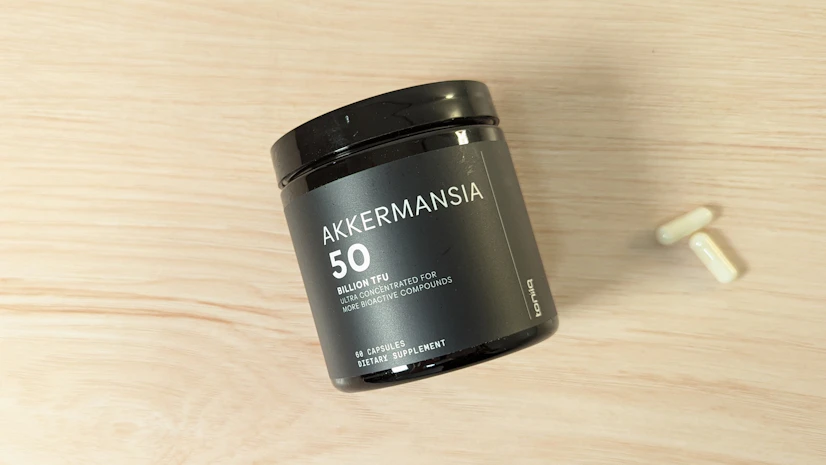
Photo by Innerbody Research
Pros
- Uses pasteurized Akkermansia: potentially better safety profile, and perhaps more suitable for fiber-deficient diets
- Uses an acid-resistant capsule
- Includes fructooligosaccharides as a prebiotic
- Third-party tested
- Certificate of analysis available on product page
- Second-lowest overall cost point in this guide
- 60-day money-back guarantee
Cons
- Pasteurized form may not confer the full range of potential benefits
- Fructooligosaccharides are not suitable for people with FODMAP sensitivity
- Label recommends a two-capsule dose
- Subscriptions not compatible with bulk purchasing
- Fridge storage recommended
For anyone who’d rather not modify their present diet alongside Akkermansia supplementation, Toniiq Akkermansia 50 presents a robust alternative to Pendulum. Toniiq uses pasteurized Akkermansia, so users ought to be spared the need to increase their fiber intake to prevent mucin barrier compromise. Plus, Toniiq publishes the certificate of analysis right on the product page, ensuring prospective customers of purity and potency — one area in which we wish Pendulum would step up its game.
Toniiq’s capsule, too, is acid-resistant. In our testing, in which we clocked the time to dissolution in a saucer of distilled white vinegar, it lasted as long as Pendulum’s capsule. But because we’re dealing with a pasteurized form of Akkermansia, Toniiq’s equal degree of acid resistance doesn’t equate to an equal range of potential benefits. Only live, active Akkermansia can degrade mucin, so you shouldn’t expect the advantage of mucin turnover, or perhaps even the same extent of fatty chain production that you’d get with Pendulum.
Based on our testing, you may not experience the same level of metabolic benefits, either. With Toniiq, although it seemed to mitigate inter-meal cravings, the appetite-suppressing effect was much gentler compared with Pendulum and Metagenics. Based on our personal findings, we’d say Toniiq is better-suited for the more invisible cardiometabolic effects associated with Akkermansia.
Also, a minor complaint: a serving size of Toniiq is two capsules, whereas most of our other recommendations require only a single capsule.
Pricing and returns
For Toniiq’s low price points, we’re fine with taking double the number of capsules:
| One-time | Subscription | |
|---|---|---|
| 1-month supply | $24.97 | $21.22 |
| 2-month supply | $44.94 | N/A |
| 3-month supply | $63.67 | N/A |
| Shipping | $4.95, or free on orders over $49 | $4.95 |
But notice that subscriptions do not unlock free shipping, nor are they compatible with bulk purchasing. That being the case, you have almost no incentive to choose a subscription over a one-time purchase of a two- or three-month supply, either of which actually costs less after you factor in the shipping cost (or lack thereof).
At least Toniiq has an excellent return policy. It’s a 60-day money-back guarantee — the same length as Metagenics, double that of Double Wood, and 15 days longer than that of Pendulum.
Metagenics UltraFlora Healthy Weight With Akkermansia
Best Akkermansia complex

Photo by Innerbody Research
Pros
- Uses a clinically studied branded form of pasteurized Akkermansia
- Includes additional ingredients for weight-loss benefits
- Third-party tested
- Free shipping on subscriptions
- HSA/FSA eligible
- 60-day money-back guarantee
Cons
- Does not use an acid-resistant capsule
- Overall the most expensive product in this guide
- Low subscription discounts
- $10 shipping on nonsubscription orders under $100
Metagenics UltraFlora Healthy Weight, like Toniiq, is a pasteurized Akkermansia supplement, except it uses a branded form of the species called MucT, and it includes a few other active ingredients to support Akkermansia’s potential weight-loss benefits.
With the inclusion of MucT Akkermansia, Metagenics gets somewhere close to Pendulum’s level of clinical research support, as MucT was the subject of a 2026 randomized, placebo-controlled trial on people with overweight and obesity. In this trial, both the placebo and the intervention groups underwent an eight-week “low-energy diet” followed by a 24-week period in which they could eat freely within a healthy-food framework. By the study’s end, the intervention group was found to have had a “greater net weight loss from baseline” as well as “lower body weight regain” compared with placebo.34 Though the authors acknowledge that the study period and materials were limitations, their findings suggest that employing MucT Akkermansia is a good choice on Metagenics’ part.
UltraFlora’s other active ingredients likewise provide some reason to be optimistic about its potential as a weight-loss aid:
- 100mg epigallocatechin gallate (EGCG): Per a 2009 meta-analysis, EGCG, a catechin found in green tea, may have a “small positive effect” on weight loss and weight management.35
- 200mcg chromium: In a 2013 systematic review and meta-analysis of randomized clinical trials, the authors concluded that chromium “chromium supplementation generates statistically significant reductions in body weight,” though “the magnitude of the effect is small[,] ... the clinical relevance is uncertain,” and moderate adverse effects are likely — watery stools, vertigo, headaches, and urticaria.36
Given Metagenics’ larger side effect profile, we wouldn’t say that it’s preferable to Toniiq as the pasteurized Akkermansia go-to, but it’s still a compelling option for people primarily interested in Akkermansia’s potential weight-loss effects.
Pricing and returns
In addition to the side effect profile, pricing is a factor that may put some people off of Metagenics UltraFlora:
| One-time | Subscription | |
|---|---|---|
| 1-month supply | $69.95 | $69.95 |
| 2-month supply | N/A | $132.90 |
| 3-month supply | N/A | $188.88 |
| Shipping | $10.00 | Free |
While the free shipping is a good reason to choose a subscription over a one-time purchase, the subscription savings are fairly meager. At just 5–10%, they certainly don’t measure up to Pendulum’s 28–36% range.
Still, your Metagenics purchase is protected by a 60-day money-back guarantee. Good enough to be on par with Toniiq in this regard.
Double Wood Akkermansia
Budget pick

Photo by Innerbody Research
Pros
- Large dose of Akkermansia per serving
- Third-party tested
- Certificate of analysis published on product page
- Subscriptions cost less than $20 per bottle
- Further savings when you buy in bulk
- Low free-shipping threshold
- 30-day money-back guarantee
Cons
- Capsule does not appear to be acid-resistant
- Label-recommended two-capsule serving size
- Shorter guarantee period than our other recommendations
In terms of formulation, Double Wood Akkermansia can be considered Pendulum’s most direct parallel. Using live, active Akkermansia, it may theoretically offer the same mucin-degrading/mucin-turnover effects and the same degree of fatty acid production. The major differences are that Double Wood recommends a larger serving size of two capsules, and those capsules do not appear to be acid-resistant. In our distilled vinegar test, Double Wood’s capsules appeared to break apart slightly in less than an hour, which casts some doubt as to their ability to withstand the gastric environment long enough to reach their destination intact.
Perhaps allaying the concern is the possibility that the Akkermansia species has a natural resistance to gastric acid and that Double Wood’s very large dose might help advance more viable bacteria into the intestines.32 On the second count, however, Double Wood quantifies its bacterial quantity in total fluorescent units (TFU), which is likely less precise since it accounts for nonviable specimens.37 But Double Wood also provides third-party test results on the product page, which indicate that each gram of its Akkermansia contains 50 billion CFU, suggesting a high potential for good overall viability.
Without acid resistance, however, the viability is impossible to predict.
Pricing and returns
Still, Double Wood’s very low consumer cost makes it a decent entry point into Akkermansia supplementation:
| One-time | Subscription | |
|---|---|---|
| 1-month supply | $24.95 | $19.96 |
| 2-month supply | $47.41 | $37.93 |
| 3-month supply | $67.37 | $53.90 |
| Shipping | $4.95, or free on orders over $30 | Free |
Its subscription prices are especially appealing. For the cost of a single Pendulum or Metagenics at the one-time-purchase level, you can get three Double Woods on subscription and have money left over for an over-the-counter fiber supplement. Even low-cost Toniiq, because of its paltry discounts, can’t compete with Double Wood’s sub-$20 per subscription unit.
Double Wood’s one cost-related shortcoming lies in its guarantee period. Thirty days is a standard duration, but it’s significantly shorter than the 45–60 days that Pendulum, Toniiq, and Metagenics offer.
Akkermansia FAQ
Sources
Innerbody uses only high-quality sources, including peer-reviewed studies, to support the facts within our articles. Read our editorial process to learn more about how we fact-check and keep our content accurate, reliable, and trustworthy.
Tingler, A. M., & Engevik, M. A. (2025). Breaking down barriers: Is intestinal mucus degradation by Akkermansia muciniphila beneficial or harmful? Infection and Immunity, 93(9), e0050324.
Grondin, J. A., et al. (2020). Mucins in intestinal mucosal defense and inflammation: Learning from clinical and experimental studies. Frontiers in Immunology, 11, 2054.
Yan, J., Sheng, L., & Li, H. (2021). Akkermansia muciniphila: Is it the Holy Grail for ameliorating metabolic diseases? Gut Microbes, 13(1), 1984104.
Skonieczna-Żydecka, K. et al. (2019). Second-generation antipsychotics and metabolism alterations: A systematic review of the role of the gut microbiome. Psychopharmacology, 236, 1491-1512.
Everard, A., et al. (2013). Cross-talk between Akkermansia muciniphila and intestinal epithelium controls diet-induced obesity. Proceedings of the National Academy of Sciences, 110(22), 9066-9071.
Karlsson, L. J., et al. (2012). The microbiota of the gut in preschool children with normal and excessive body weight. Obesity, 20(11), 2257-2261.
F.S.Teixeira, T., et al. (2013). Faecal levels of Bifidobacterium and Clostridium coccoides but not plasma lipopolysaccharide are inversely related to insulin and HOMA index in women. Clinical Nutrition, 32(6), 1017-1022.
Cao, M. Z., et al. (2023). Clinical efficacy of weight loss herbal intervention therapy and lifestyle modifications on obesity and its association with distinct gut microbiome: A randomized double-blind phase 2 study. Frontiers in Endocrinology, 14, 1054674.
Arukha, A. P., Nayak, S., & Swain, D. M. (2025). Effect of Akkermansia muciniphila on GLP-1 and insulin secretion. Nutrients, 17(15), 2516.
Yoon, H. S., et al. (2021). Akkermansia muciniphila secretes a glucagon-like peptide-1-inducing protein that improves glucose homeostasis and ameliorates metabolic disease in mice. Nature Microbiology, 6(5), 563-573.
Depommier, C., et al. (2019). Supplementation with Akkermansia muciniphila in overweight and obese human volunteers: A proof-of-concept exploratory study. Nature Medicine, 25(7), 1096-1103.
Cleveland Clinic. (2023). Metabolic syndrome. Cleveland Clinic.
Xu, Y., et al. (2020). Function of Akkermansia muciniphila in obesity: Interactions with lipid metabolism, immune response and gut systems. Frontiers in Microbiology, 11, 219.
Kimaiyo, D. (2021). Lowering cholesterol protects your heart and brain, regardless of your age. Harvard Medical School.
Pellegrino, A., et al. (2023). Role of Akkermansia in human diseases: From causation to therapeutic properties. Nutrients, 15(8), 1815.
Choi, Y., et al. (2021). Effects of live and pasteurized forms of Akkermansia from the human gut on obesity and metabolic dysregulation. Microorganisms, 9(10), 2039.
Feng, S., et al. (2025). Investigating the role of Akkermansia muciniphila Akk11 in modulating obesity and intestinal dysbiosis: A comparative study of live and pasteurized treatments. Frontiers in Microbiology, 16, 1638771.
Ashrafian, F., et al. (2021). Comparative effects of alive and pasteurized Akkermansia muciniphila on normal diet-fed mice. Scientific Reports, 11(1), 17898.
Abouelela, M. E., & Helmy, Y. A. (2024). Next-generation probiotics as novel therapeutics for improving human health: Current trends and future perspectives. Microorganisms, 12(3), 430.
Niu, H., et al. (2024). Akkermansia muciniphila: A potential candidate for ameliorating metabolic diseases. Frontiers in Immunology, 15, 1370658.
Ganesh, B. P., et al. (2013). Commensal Akkermansia muciniphila exacerbates gut inflammation in Salmonella typhimurium–infected gnotobiotic mice. PLOS ONE, 8(9), e74963.
Dingemanse, C., et al. (2015). Akkermansia muciniphila and Helicobacter typhlonius modulate intestinal tumor development in mice. Carcinogenesis, 36(11), 1388-1396.
Wang, F., et al. (2022). Akkermansia muciniphila administration exacerbated the development of colitis-associated colorectal cancer in mice. Journal of Cancer, 13(1), 124-133.
Wang, K., et al. (2022). The negative effect of Akkermansia muciniphila–mediated post-antibiotic reconstitution of the gut microbiota on the development of colitis-associated colorectal cancer in mice. Frontiers in Microbiology, 13, 932047.
American Society for Nutrition Staff. (2021). Most Americans are not getting enough fiber in our diets. ASN.
Cleveland Clinic. (2024). Insulin resistance. Cleveland Clinic.
Cleveland Clinic. (2022). Hypercholesterolemia. Cleveland Clinic.
Cleveland Clinic. (2024). Atherosclerosis. Cleveland Clinic.
Shahrokhi, M., & Nagalli, N. (2023). Probiotics. StatPearls [Internet].
He, K., et al. (2024). Akkermansia muciniphila: A potential target for the prevention of diabetes. Foods, 14(1).
Sielatycka, K., et al. (2023). Dynamics of active fluorescent units (AFU) and water activity (aw) changes in probiotic products — pilot study. Foods, 12(21), 4018.
Zeng, S. Y., et al. (2023). Potential effects of Akkermansia muciniphila in aging and aging-related diseases: Current evidence and perspectives. Aging and Disease, 14(6), 2015-2027.
Perraudeau, F., et al. (2020). Improvements to postprandial glucose control in subjects with type 2 diabetes: A multicenter, double blind, randomized placebo-controlled trial of a novel probiotic formulation. BMJ Open Diabetes Research & Care, 8, e001319.
Mount, S., et al. (2026). Pasteurized Akkermansia muciniphila MucT for weight loss maintenance in people with overweight and obesity: A controlled randomized trial. Nature Medicine, 1-10.
Hursel, R., Viechtbauer, W., & Westerterp-Plantenga, M. S. (2009). The effects of green tea on weight loss and weight maintenance: A meta-analysis. International Journal of Obesity, 33(9), 956-961.
Onakpoya, I., Posadzki, P., & Ernst, E. (2013). Chromium supplementation in overweight and obesity: A systematic review and meta-analysis of randomized clinical trials. Obesity Reviews, 14(6), 496-507.
Boyte, M. E., Benkowski, A., Pane, M., & Shehata, H. R. (2023). Probiotic and postbiotic analytical methods: A perspective of available enumeration techniques. Frontiers in Microbiology, 14, 1304621.
Zhou, K. (2017). Strategies to promote abundance of Akkermansia muciniphila, an emerging probiotics in the gut, evidence from dietary intervention studies. Journal of Functional Foods, 33, 194-201.
National Institutes of Health Office of Dietary Supplements. (2022). Chromium: Fact sheet for health professionals. U.S. Department of Health & Human Services.
International Scientific Association for Probiotics and Prebiotics. (2025). Pasteurized Akkermansia muciniphila as a postbiotic: EFSA approval and beyond. ISAPP.

Copyright © Innerbody Research 1997 - 2025. All Rights Reserved.