Bio Complete 3 Reviews: Effective for gut health and weight management?
We examine the science behind Bio Complete 3 to help you decide whether it’s worth a try.

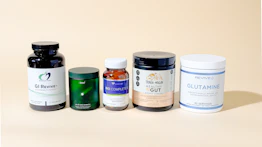
Photo by Innerbody Research
Among U.S. adults, probiotics and prebiotics together constitute the third most commonly used dietary supplement, after vitamins and minerals.1 It may have something to do with the fact that around 40% of Americans experience gut health symptoms that significantly disrupt their lives.46 When a problem is that prevalent, so is the pursuit of a readily available remedy.
The subject of this review, Gundry MD Bio Complete 3, is one such possible remedy. Combining prebiotics, probiotics, and a postbiotic, it’s a three-pronged approach to digestive health aimed at supporting the gastrointestinal lining and the healthy bacteria that thrive in one’s gut microbiome. Having examined the science behind Bio Complete 3’s formulation, we offer here our analysis of and testing experiences with the product so you can determine whether it’s the right remedy for you.
Our Findings
Bio Complete 3 consists of three proprietary blends containing promising ingredients that mostly fall short in terms of dosage or compelling research support. Specifically, its prebiotic blend is several grams short of clinically relevant amounts, and its probiotics lack strain-specificity. That being said, its 300mg dose of tributyrin does align with clinical studies, and its probiotics are well-studied on the species level. They may hold potential to support gut lining and a healthy gut microbiome. But at the one-time-purchase tier, the price tag still sits higher than that of better-formulated competitors such as Seed and Ritual, which we think are better options for most people.
Pros
- Bacillus coagulans and Bifidobacterium bifidum are well-studied for gut support
- Provides a clinical dose of tributyrin postbiotic
- Manufactured in GMP-certified facilities and third-party tested
- Member-program subscriptions reduce the cost by up to 45%
- 90-day money-back guarantee
Cons
- Bacillus coagulans ProDura lacks strain-specific evidence
- Bifidobacterium bifidum strain is unspecified
- Prebiotic blend is severely underdosed
- No colony-forming units (CFUs) listed on the label
- Pricey compared with better-formulated competitors unless membership or subscription options are utilized
Purchase options
Bio Complete 3 can be purchased directly through the Gundry MD website or via the company's Amazon storefront. Subscriptions yield a healthy discount either way, but you save the most money by buying direct, especially in higher quantities, and registering an account with Gundry MD lets you access significant discounts via email. Plus, direct purchases are protected by a 90-day money-back guarantee, whereas supplements purchased through Amazon are typically ineligible for refunds.
In this Review
Why you should trust us
Over the past two decades, Innerbody Research has helped tens of millions of readers make more informed decisions involving staying healthy and living healthier lifestyles.
To provide you with an unbiased review, we extensively researched and evaluated Bio Complete 3 by examining more than 55 scientific studies relevant to its ingredients. We also ordered the product ourselves so that we could assess the customer experience and measure Bio Complete 3 against top competitors across the probiotic landscape. Our combined evaluation of theoretical and practical knowledge areas allows us to present you with the most comprehensive evaluation possible, and empower you to make the best-informed consumer decision.
Additionally, like all health-related content on this website, this review was thoroughly vetted by one or more members of our Medical Review Board for accuracy, and has been continually reevaluated in the light of new research, ensuring that it remains up-to-date.
How we evaluated Bio Complete 3
We based our evaluation of Bio Complete 3 on the following four criteria:
- Efficacy: how well the formulation aligns with available research evidence
- Safety: the degree to which the product may pose potential health risks
- Cost: the product’s affordability relative to the probiotic landscape
- Customer experience: the measures by which the company facilitates the customer journey
Here’s how Gundry MD and Bio Complete 3 fared in each criterion.
Safety
Gundry MD manufactures its products in GMP-certified facilities, subjects its products to third-party testing, and publishes the test results to its product pages — all the baseline safety measures we like to see. So we’re off to a good start, safety-wise.
And it gets better, because two of Bio Complete 3’s ingredients are FDA-affirmed GRAS (“Generally Recognized as Safe”): the acacia gum and the tributyrin.4 40
As for the remaining ingredients:
- PHGG: In a 2016 randomized clinical trial with 108 patients, a 6g dose of PHGG produced no adverse effects.20 Bio Complete 3’s dose is way under 6g and therefore poses even less risk.
- Probiotics: The B. bifidum and B. coagulans species hold Qualified Presumption of Safety (QPS) status with the European Food Safety Authority.41 42 QPS is conceptually similar to GRAS.
On the safety front, Bio Complete 3 is almost as ideal a supplement as you can get. The primary factors subtracting from a perfect 10 score relate to the potential side effects and risks associated with probiotics in general, which we discuss later in this guide.
Efficacy
With its label alone, Bio Complete 3 presents a mixed bag. On the one hand, it clearly shows that the formulation uses well-studied probiotic species (Bacillus coagulans and Bifidobacterium bifidum) as well as recognizable support ingredients for those species (Corebiome, PHGG, and tributyrin). But on the other hand:
- Its Bifidobacterium bifidum strain is unspecified. A critical omission because probiotic efficacy is strain-specific.2 Other strains of Bifidobacterium bifidum may have demonstrated gut health effects in clinical research,32 33 but we can’t say whether Bio Complete 3 uses a well-studied strain, and Gundry’s customer support team is unforthcoming about the matter.
- Its Bacillus coagulans strain (ProDura) lacks strain-specific evidence. An exact-term search on PubMed yields no results related to probiotics.
- Colony-forming units (CFUs) are not listed. That is, Gundry doesn’t specify how many live microorganisms in its product are capable of reproducing, which leaves a lingering question as to Bio Complete 3’s true ability to achieve benefits.3 Previously, we were able to verify with Gundry customer support that the probiotic blend totaled 2 billion CFU, but in a recent correspondence, they were unwilling to divulge the count. In a pessimistic view, their caginess could imply that Bio Complete 3 no longer contains 2 billion CFU of live probiotics. But even if we aren’t being pessimistic, we can no longer validate the count we’d previously reported.
- The prebiotic blend is severely underdosed. Of acacia gum and partially hydrolyzed guar gum (PHGG), it contains just 450mg altogether, when clinical studies point to a minimally effective dose exceeding multiple grams of each.35 20
The only ingredient in the formulation that’s clinically dosed for gut health is the tributyrin, a postbiotic that produces butyrate and therefore may support colon cells, the intestinal barrier, anti-inflammatory activity, and other potential areas of gut health.5 6 But Bio Complete 3 is hardly the only probiotic supplement that contains a clinical dose of tributyrin. Ritual does, too.
Apart from the tributyrin, we suppose it’s possible that Bio Complete 3’s probiotic blend is, in fact, well-formulated, but there’s no knowing for certain. Right now, then, all we have to go on is species-level plausibility.
Cost
For non-members, a one-month supply of Bio Complete 3 costs $69.95 on a one-time-purchase basis, which is significantly pricier than better-formulated competitors such as Seed ($49.99).
But Gundry has a saving grace: membership pricing. Registration is free, and it gains you access to steeply discounted prices:
- 1 bottle: $49.95
- 3 bottles: $134.85 ($44.95 per bottle)
- 6 bottles: $251.70 ($41.95 per bottle)
Prices are even better if you combine membership pricing with a subscription. Indeed, even a one-bottle membership subscription outdoes Seed and isn’t much pricier than another competitor, Ritual, neither of which offers bulk pricing:
| Bio Complete 3 | Seed | Ritual Synbiotic+ | |
|---|---|---|---|
| 1 bottle, subscription | $44.95 | $49.99 | $43.20 |
| 3 bottles, subscription | $119.85 ($39.95 per bottle) | N/A | N/A |
| 6 bottles, subscription | $227.70 ($37.95 per bottle) | N/A | N/A |
There are some important product caveats here related to efficacy, as both Seed and Ritual offer products that are more likely to be effective. Gundry just has a potential cost edge here, at least in a vacuum.
Customer experience
Gundry MD operates live chat support, which is a major plus. In our experience, an agent typically connects within a minute and provides succinct answers in as much time. We couldn’t always pry out the answers we wanted (i.e., about CFUs and strain specificity), but we can’t fault the customer support team for their employer’s directive about protecting proprietary information.
In other areas of Gundry’s customer experience, too, we’ve found practically nothing to vex us. There isn’t anything obnoxious about the website or checkout process: they’re as straightforward as you’d want from an online merchant. Maybe we could complain about having to register an account, but it’s such a small thing that reaps such a big discount that we’d only be picking a nit for nitpicking’s sake. Gundry hasn’t even bothered us with marketing emails after the fact.
Gundry’s dosing protocol shouldn’t cause discontent, either. The two-capsule regimen is preferable to others, and it’s equal to Seed’s. Among top alternatives, only Ritual’s one-cap dose is more convenient.

What is Bio Complete 3?
Bio Complete 3 is a probiotic-based dietary supplement that purportedly reduces cravings, eases digestion, and boosts energy — claims that we’ll scrutinize shortly. Each bottle contains 30 servings (60 capsules, or a one-month supply) with two capsules taken once daily.
Dr. Steven Gundry, a heart surgeon for over 30 years, founded Gundry MD with a focus on overall gut health as a proponent of healthy weight management. His "holobiotics" approach involves administering a combination of prebiotics, probiotics, and postbiotics to support “good” bacteria that face off against lectins, pathogens, and gut yeasts, which can harm proper cell function, cause illness and infection, and hinder healthy digestion.38 39
As a company, Gundry MD has an A+ rating with the Better Business Bureau (BBB) and is BBB-accredited. The majority of online customer reviews of Bio Complete 3 are positive, with most 5-star reviews reporting improvements in digestion and energy. Negative reviews typically come from people who have experienced unpleasant side effects, such as bloating or gas, which are common complaints among those who start a probiotic supplement.
Our Bio Complete 3 purchasing experience
We ordered Bio Complete 3 directly from the Gundry MD website. Between the shopping cart and checkout screen, we encountered several upselling opportunities.
Gundry MD makes it easy to track your order from your account interface and gives a link to your tracking information in an email confirmation. We received frequent order status emails.
We had mostly positive experiences interacting with customer support, too. The live chat option is a huge plus. We were able to connect to a live representative within a minute and just as quickly get our question answered. Emailing is slower, naturally. It took a couple of days to get a response, and our question wasn’t fully answered.
How Bio Complete 3 works
The ingredients in Bio Complete 3 are intended to support the growth and colonization of the beneficial gut bacteria we need, as well as to support the lining of the gastrointestinal tract. They’re combined as three proprietary formulas that each serve a specific broad function:
Probiotics
Probiotics are bacteria that restore and replenish gut flora. Generally, they’ve been found to help with several common conditions in scientific research:
- Antibiotic-associated diarrhea8
- Bacterial vaginosis9
- Inflammatory bowel disease10
- Irritable bowel syndrome11
- Constipation12
- Periodontal disease13
But probiotics encompass a vast and varied landscape of different species and strains. Members of a species share basic characteristics, whereas a strain confers specific benefits, so a discussion of a probiotic’s true health potential centers on strain designations.
And here we encounter one major obfuscation in the Bio Complete 3 formulation, because while its 22mg probiotic blend consists of two species, only one of them is specified to the strain level.
Bacillus coagulans ProDura
B. coagulans is a spore-forming probiotic species that is generally resistant to harsh gastrointestinal conditions, allowing it to survive its transit through the gastrointestinal tract toward the relevant site of action: normally the small or large intestine. The degree of resistance, however, varies by strain. A strain such as MTCC 5856, for example, has demonstrated excellent acid resistance, showing no significant difference in spore count after four hours at pH 3.0, whereas the VHBAX-04 strain has shown only a 55% survival rate after three hours in less acidic conditions.43 44 The strain used here in Bio Complete 3 is called ProDura, which has no strong peer-reviewed evidence to establish its acid resistance, so we can refer only to the resilience of the species to speculate about the strain.
The same goes for health benefits — no research to say whether ProDura can do X, Y, or Z — so all we can say, with any certainty, is that the B. coagulans species has broadly yielded improvements in IBS and general bowel symptoms in clinical trials.45
Bifidobacterium bifidum
It’s not that the probiotic blend is a critical weak point, as it at least contains species that have generally produced excellent gut health outcomes in research. Rather, it’s more of an uncertainty, like a machine part of unknown reputation and origins: you can’t be sure of its quality. And the uncertainty widens further by the fact that Gundry MD lists the blend by weight rather than colony-forming units (CFUs). With the kinds of probiotic species we’re dealing with, you probably need at least 2 billion CFU per serving to see meaningful differences in your health,2 but there’s no telling anymore whether Bio Complete 3 hits the mark, and in recent correspondence, the customer support team was unwilling to divulge what the company deems to be proprietary information.
Probiotic dose specification is a point in which almost every one of Gundry’s top competitors does better. Ritual, for instance, lists both weights and CFUs, as does Seed, and they aren’t clandestine about the strains they use.
Prebiotics
With the prebiotic blend, there’s no question: it is a weak point. The problem is that the dose is too light, and that’s putting it too lightly.
Ideally, with many prebiotics, you want multiple grams of each one to feed your beneficial gut bacteria, which would then break down the prebiotics into the short-chain fatty acids (SCFAs) that can help in areas such as:14
- A balanced gut microbiota15
- Cardiovascular disease16
- Irritable bowel syndrome with constipation17
- Colorectal cancer risk18
- Inflammatory bowel disease19
The prebiotics in Bio Complete 3, acacia gum and partially hydrolyzed guar gum (PHGG), have been shown to help in these and other areas,20 34 but at daily intakes of 5–10g.21 35 Bio Complete 3 provides only 450mg — not even a tenth of the lower end. The meager amount may be fermented to a small extent and may produce some SCFAs, but there’s no evidence that it can confer the sorts of benefits that a clinical dose might.
Postbiotics
Postbiotics refer to the byproducts made by the healthy bacteria in your gut.22 They include, but aren’t limited to, amino acids, vitamins, and SCFAs such as butyrate.23 Postbiotics are found in fermented foods like kimchi, kefir, and tempeh.
Bio Complete 3's postbiotic component is tributyrin, with 300mg in each daily dose: a clinically relevant amount, and the same as you’ll find in better-formulated Ritual Synbiotic+.5 Research on tributyrin itself is limited, with most being animal studies or unpublished trials for the manufacturer,26 but it still holds promise. Tributyrin, after all, is a butyrate precursor, and as such it supports butyrate-related benefits in areas like intestinal lining, bloating, loose stools, constipation, and gas.24
Tributyrin’s role as a butyrate precursor may even support Gundry’s claim that Bio Complete 3 can assist with energy and cravings. That’s because butyrate, as well as other short-chain fatty acids, has been found in animal studies to influence host metabolism and promote metabolic benefits through certain brain targets, some of which are involved in appetite control.28 27
So, while we can’t confirm that Bio Complete 3 will keep you and your appetite well-regulated, we acknowledge that it may potentiate mechanisms that make such regulation possible.
Who is Bio Complete 3 for (and not for)?
As a probiotic supplement, Bio Complete 3 has some potential to help healthy adults looking to improve their digestive health. After all, substantial evidence indicates that probiotics in general may improve digestion and reduce gastrointestinal discomfort,29 30 while fiber, probiotics, and tributyrin can work together to support your gut lining and immune system.
But there are also some people for whom a probiotic would be contraindicated:
- The immunocompromised or seriously ill: Per the National Center for Complementary and Integrative Health, “The risk of harmful effects from probiotics is greater in people with severe illnesses or compromised immune systems.”1 The reason is that probiotics are living organisms, and in people with immunocompromise or critical illness, they can effectively behave like opportunistic pathogens.
- People with impaired intestinal integrity: Probiotics may be beneficial when confined to the GI tract, but in people with impaired intestinal integrity, the otherwise helpful bacteria may enter the bloodstream, where they can cause harm. (Note: the same goes for people with indwelling central venous catheters.)31
Even among people who might benefit from probiotics, one should regard supplementation with measured expectations. A product formulated for the general public won’t help everyone, and it isn’t likely to make a meaningful difference in serious chronic inflammatory conditions such as Crohn’s disease. And even among products formulated for the general public, there are much better options, like Seed and Ritual Synbiotic+.
Alternatively, if you’re keen on trying a probiotic but find that a common OTC product is a poor fit, you might consider an at-home test for your gut microbiome. A good option there is Viome, which can formulate customized probiotics that meet your exact needs.
Also, and as always, it’s a good idea to speak with your doctor before starting a probiotic, or really any supplement.
Is Bio Complete 3 safe?
The active ingredients Bio Complete 3 have been well-tolerated in scientific research studies, and the doses are all within safe limits. Plus, two of the ingredients (acacia gum and tributyrin) are FDA-affirmed GRAS,40 and the two probiotics hold Qualified Presumption of Safety status with the European Food Safety Authority.41 42
That’s not to say that side effects can’t arise. In fact, side effects are common, albeit minor, and they include:
- Increased flatulence
- Bloating
- Indigestion or mildly upset stomach
- Loose stool
Such side effects typically resolve within a couple days of starting a probiotic supplement.
Is Bio Complete 3 a good value?
Compared to other products with a pre-, pro-, and postbiotic makeup, Bio Complete 3 falls on the pricey end, at least as a one-time purchase. But once you account for Gundry’s steep membership/subscription discounts, the price looks more enticing:
| One-time purchase | With My Health membership | With My Health + subscription | |
|---|---|---|---|
| One bottle (60 capsules) | $69.95 | $49.95 | $44.95 |
| Three bottles (180 capsules) | $188.85 ($62.95 per bottle) | $134.85 ($44.95 per bottle) | $119.85 ($39.95 per bottle) |
| Six bottles (360 capsules) | $353.70 ($58.95 per bottle) | $251.70 ($41.95 per bottle) | $227.70 ($37.95 per bottle) |
The My Health membership brings the price down below that of Seed’s, and certain purchasing options are less costly than even Ritual. Add to that: every one of the purchasing options clears Gundry’s $49 free-shipping threshold, and every Gundry order is protected by a 90-day satisfaction guarantee — three times longer than either Ritual or Seed.
On price, then, Gundry MD Bio Complete finally has a clear advantage over its best competitors.
Alternatives to Bio Complete 3
On the face of it, Bio Complete 3 looks like an underwhelming probiotic supplement. Were it clearer about its strains and doses, or more generous with its prebiotic blend, perhaps it would hold up better on the competitive landscape. As it stands, though, there are better options out there:
Seed Daily Synbiotic
Seed Daily Synbiotic consists of multiple probiotic blends along with a prebiotic. Altogether, it encompasses 24 probiotic species, all of which have strain designations, with their respective blends being quantified via active fluorescent units (AFUs) — a generally more comprehensive method of counting viable bacteria compared with CFU. Daily Synbiotic has even undergone finished-product testing in a Seed-funded clinical trial, which reported gut health improvements and increased SCFA production.36
It costs a bit more than Gundry, however. A one-month supply costs $49.99, and because Seed follows a strictly subscription model, $49.99 is the subscription price. No discount opportunities here. A one-bottle Bio Complete subscription would cost several dollars less, and the bulk-purchasing options cost up to $12 less per bottle. For all of Seed’s good qualities, it does cost a sight more.
Ritual Synbiotic+
Ritual Synbiotic+ is a three-in-one like Gundry, except, like Seed, it specifies its probiotic strains and provides a laboratory count of viable bacteria. Its 11 billion CFU probiotic blend consists of Lactobacillus rhamnosus LGG and Bifidobacterium animalis ssp. lactis BB-12, which have been shown to improve gut symptoms, including antibiotic-associated diarrhea and low defecation frequency.37 25
A subscription for Synbiotic+ costs $43.20 per month, which is almost $2.00 less than Bio Complete 3 at the one-bottle subscription level. Only with bulk purchasing does Gundry offer a better bargain.
Viome
Viome is much different from most probiotics providers: instead of a one-size-fits-all approach, they personalize probiotics based on a customer’s gut microbiome test results, which come via Viome’s at-home microbiome test. In terms of comprehensiveness, Viome’s personalized probiotics could potentially outdo mass-produced brands, as suggested by the results of one 2024 study.7
Viome’s approach is expectedly more expensive than your Gundrys, Seeds, and Rituals. The at-home test costs $279 as a single, and the personalized probiotics cost roughly between $60 and $200 per month.
Frequently asked questions about Bio Complete 3
Sources
Innerbody uses only high-quality sources, including peer-reviewed studies, to support the facts within our articles. Read our editorial process to learn more about how we fact-check and keep our content accurate, reliable, and trustworthy.
National Center for Complementary and Integrative Health. (2019). Probiotics: What you need to know. U.S. Department of Health and Human Services.
McFarland, et al. (2018). Strain-specificity and disease-specificity of probiotic efficacy: A systematic review and meta-analysis. Frontiers in Medicine, 5, 124.
Ouwehand, A. C. (2017). A review of dose-responses of probiotics in human studies. Beneficial Microbes, 8(2), 143-151.
U.S. Food & Drug Administration. (2026). Petition(s): GRP 4G0290 direct food substances affirmed as Generally Recognized as Safe; Acacia (Gum arabic). FDA.
Banasiewicz, T., et al. (2019). Determination of butyric acid dosage based on clinical and experimental studies — a literature review. Gastroenterology Review, 15(2), 119-125.
Xiong, R., et al. (2022). Health benefits and side effects of short-chain fatty acids. Foods, 11(18), 2863.
Min, U., et al. (2008). Personalized probiotic strategy considering bowel habits: Impacts on gut microbiota composition and alleviation of gastrointestinal symptoms via Consti-Biome and Sensi-Biome. Frontiers in Nutrition, 11, 1302093.
Hempel, S., et al. (2012). Probiotics for the prevention and treatment of antibiotic-associated diarrhea: a systematic review and meta-analysis. JAMA. 307(18), 1959-1969.
Wang, Z., He, Y., & Zheng, Y. (2019). Probiotics for the treatment of bacterial vaginosis: A meta-analysis. International Journal of Environmental Research and Public Health, 16(20), 3859.
Derwa, Y., et al. (2017). Systematic review with meta-analysis: The efficacy of probiotics in inflammatory bowel disease. Alimentary Pharmacology & Therapeutics, 46(4), 389-400.
Moayyedi, P., et al. (2010). The efficacy of probiotics in the treatment of irritable bowel syndrome: A systematic review. Gut, 59, 325-332.
Dimidi, E., et al. (2014). The effect of probiotics on functional constipation in adults: A systematic review and meta-analysis of randomized controlled trials. The American Journal of Clinical Nutrition, 100(4), 1075-1084.
Matsubara, V. H., et al. (2016). The role of probiotic bacteria in managing periodontal disease: a systematic review. Expert Review of Anti-infective Therapy, 14(7), 643-655.
Silva, Y. P., Bernardi, A., & Frozza, R. L. (2020). The role of short-chain fatty acids from gut microbiota in gut-brain communication. Frontiers in Endocrinology, 11, 508738.
Davani-Davari, D., et al. (2019). Prebiotics: Definition, types, sources, mechanisms, and clinical applications. Foods, 8(3).
Wu, H., & Chiou, J. (2021). Potential benefits of probiotics and prebiotics for coronary heart disease and stroke. Nutrients, 13(8).
Bărboi, B., et al. (2020). Effect of inulin in the treatment of irritable bowel syndrome with constipation (Review). Experimental and Therapeutic Medicine, 20(6).
Markowiak, P., & Śliżewska, K. (2017). Effects of probiotics, prebiotics, and synbiotics on human health. Nutrients, 9(9), 1021.
Akutko, K., & Stawarski, A. (2021). Probiotics, prebiotics and synbiotics in inflammatory bowel diseases. Journal of Clinical Medicine, 10(11), 2466.
Niv, E., et al. (2016). Randomized clinical study: Partially hydrolyzed guar gum (PHGG) versus placebo in the treatment of patients with irritable bowel syndrome. Nutrition & Metabolism, 13, 10.
Rao, T. P., & Quartarone, G. (2019). Role of guar fiber in improving digestive health and function. Nutrition, 59, 158-169.
Aggarwal, S., et al. (2022). Postbiotics: From emerging concept to application. Frontiers in Sustainable Food Systems, 6, 887642.
Siddiqui, M. T., & Cresci, G. A. M. (2021). The immunomodulatory functions of butyrate. Journal of Inflammation Research, 14, 6025-6041.
Canani, R. B., et al. (2011). Potential beneficial effects of butyrate in intestinal and extraintestinal diseases. World Journal of Gastroenterology, 17(12), 1519-1528.
Collins, F. W., Vera-Jiménez, N. I., & Wellejus, A. (2025). Understanding the probiotic health benefits of Bifidobacterium animalis subsp. Lactis, BB-12™. Frontiers in Microbiology, 16, 1605044.
Sotira, S., et al. (2020). Effects of tributyrin supplementation on growth performance, insulin, blood metabolites and gut microbiota in weaned piglets. Animals, 10(4).
Novelle, M. G. (2021). Decoding the role of gut-microbiome in the food addiction paradigm. International Journal of Environmental Research and Public Health, 18(13).
De Vadder, F., et al. (2014). Microbiota-generated Metabolites Promote Metabolic Benefits via Gut-Brain Neural Circuits. Cell, 156(1-2), 84-96.
Wang, J. & Ji, H. (2019). Influence of probiotics on dietary protein digestion and utilization in the gastrointestinal tract. Current Protein & Peptide Science, 20(2).
Didari, T., et al. (2015). Effectiveness of probiotics in irritable bowel syndrome: Updated systematic review with meta-analysis. World Journal of Gastroenterology, 21(10), 3072-3084.
Lou, L., Liang, T., & Lv, M. (2026). Probiotics in the ICU: A scoping review of evidence for infection prevention. Journal of Translational Medicine, 24, 131.
Martoni, C. J., et al. (2019). Impact of a probiotic product on bowel habits and microbial profile in participants with functional constipation: A randomized controlled trial. Journal of Digestive Diseases, 20(9), 435-446.
Sergeev, I. N., et al. (2020). Effects of synbiotic supplement on human gut microbiota, body composition and weight loss in obesity. Nutrients, 12(1), 222.
Slavin, J. (2013). Fiber and prebiotics: Mechanisms and health benefits. Nutrients, 5(4), 1417-1435.
Calame, W., et al. (2008). Gum arabic establishes prebiotic functionality in healthy human volunteers in a dose-dependent manner. British Journal of Nutrition, 100(6), 1269-1275.
Tierney, B. T., et al. (2023). Capacity of a microbial synbiotic to rescue the in vitro metabolic activity of the gut microbiome following perturbation with alcohol or antibiotics. Applied and Environmental Microbiology, 89(3), e01880-22
Szajewska, H., & Kołodziej, M. (2015). Systematic review with meta-analysis: Lactobacillus rhamnosus GG in the prevention of antibiotic-associated diarrhoea in children and adults. Alimentary Pharmacology & Therapeutics, 42(10), 1149-1157
Vojdani, A., Afar, D., & Vojdani, E. (2020). Reaction of lectin-specific antibody with human tissue: possible contributions to autoimmunity. Journal of Immunology Research, 2020, 1438957.
Lam, S., et al. (2019). Review article: Fungal alterations in inflammatory bowel diseases. Alimentary Pharmacology & Therapeutics, 50(11-12), 1159-1171.
U.S. Food & Drug Administration. (2026). Glycerol tributyrate. FDA.
Ricci, A., et al. (2017). Scientific opinion on the update of the list of QPS-recommended biological agents intentionally added to food or feed as notified to EFSA. EFSA Journal, 15(3), e04664.
Allende, A., et al. (2026). Update of the list of QPS-recommended biological agents intentionally added to food or feeds as notified to EFSA. EFSA Journal, 24(1), e9823.
Majeed, M., et al. (2016). Evaluation of genetic and phenotypic consistency of Bacillus coagulans MTCC 5856: A commercial probiotic strain. World Journal of Microbiology & Biotechnology, 32, 60.
Sunhare, R., et al. (2024). Assessing the probiotic potential and safety of newly isolated Bacillus coagulans VHBAX-04: In vitro and in silico evaluations. International Journal of Food Science and Technology, 59(8), 5355-5362.
Xie, P., et al. (2023). Outcome-specific efficacy of different probiotic strains and mixtures in irritable bowel syndrome: A systematic review and network meta-analysis. Nutrients, 15(17), 3856.
American Gastroenterological Association. (2022). New survey finds forty percent of Americans' daily lives are disrupted by digestive troubles. AGA.
READ THIS NEXT





Copyright © Innerbody Research 1997 - 2025. All Rights Reserved.