The Best Iron Supplement for Women
Some iron supplements are easier on the stomach, while others are better suited for correcting a deficiency. We tested and ranked the best iron supplements for women in 2026.

Photo by Innerbody Research
Iron deficiency is one of the most common nutrient deficiencies in women and people assigned female at birth (AFAB), especially during the reproductive years. In a large study involving more than 62,000 women in the U.S. and Canada, iron deficiency affected up to 1 in 5 women ages 25-54 and more than 1 in 3 pregnant participants.1
Those numbers matter because iron deficiency can affect everything from energy levels and exercise performance to concentration and overall well-being, leading many people to turn to supplementation.2
But choosing an iron supplement isn’t as simple as picking the highest dose. Some forms are easier on the stomach, while others are better suited for restoring low iron levels. And because too much iron can be harmful if you don’t actually need it, choosing the right product matters. In this guide, we compare the best iron supplements for women based on dose, form, tolerability, cost, and intended use.
If you’re pressed for time, here’s a quick look at our findings:
Summary of recommendations
- Best overall: NOW Iron Complex
- Best budget: Doctor’s Best High Absorption Iron
- Best for sensitive stomachs: Pink Stork Iron + Vitamin C
- Best for iron deficiency: Nature Made Iron 65mg Tablets
- Best prenatal for iron support: Pure Encapsulations PreNatal Nutrients
- Best liquid: MaryRuth’s Liquid Iron
- Best alternative approach: Double Wood Bioferrin

An effective iron supplement isn't just about providing more iron — it's also about making sure your body absorbs it well and that it's gentle enough to take every day.
NOW Iron Complex checks those boxes. It uses Ferrochel® ferrous bisglycinate, a form of iron known for its strong absorption and good tolerability, then pairs it with vitamin C, folate, and vitamin B12 to support iron metabolism and red blood cell production. Best of all, it does so at a price that's difficult to beat.
Jump to:
Why you should trust us
Over the past two decades, Innerbody Research has helped tens of millions of readers make more informed decisions about staying healthy and living healthier lifestyles.
For this guide, we reviewed dozens of clinical studies, medical reviews, and research papers examining iron deficiency in women, along with the effectiveness and tolerability of different forms of supplemental iron. We also explored the broader supplement landscape to identify products that align with research-backed dosing ranges and high standards for quality and transparency.
Alongside our research, we purchased and evaluated several of the most promising iron supplements ourselves to better understand factors like capsule size, taste, ease of use, packaging, and the overall customer experience.
Additionally, like all health-related content on this website, this guide was thoroughly vetted by one or more members of our Medical Review Board for accuracy and will continue to be monitored for updates by our editorial team.
How we evaluated the best iron supplements for women
We evaluated the best iron supplements for women based on four factors that matter most when choosing a product:
- Effectiveness
- Safety
- Cost
- Convenience
These criteria guided our analysis across the products included in this guide.
In the sections ahead, we explain how each of our top picks performed in these areas and where certain products stood out. All of our recommendations met a high standard overall; when we highlight an “advantage,” it doesn’t mean the other products performed poorly, only that a supplement demonstrated a distinct strength in that category.
Effectiveness
Advantage: NOW Iron Complex
An iron supplement's effectiveness comes down to more than just dose. The type of iron matters, how well it's absorbed matters, and whether the dose aligns with what has been shown to improve iron status matters.
We gave NOW Iron Complex the advantage because it offers one of the best balances between effectiveness, tolerability, and everyday usability. Its formula delivers 27mg of elemental iron from Ferrochel — a patented form of ferrous bisglycinate that binds iron to amino acids, which may help improve both absorption and tolerability.3 4 10
The 27mg dose also lands in a practical middle ground. It aligns with the Recommended Dietary Allowance (RDA) for pregnancy and exceeds the daily needs of most premenopausal women, making it a flexible option for maintenance, mild deficiency, or women at higher risk of falling short.2
NOW also includes a few supportive nutrients alongside the iron:
- 50mg vitamin C, which can improve absorption of non-heme iron (the type found in supplements and plant foods)5
- Folate and vitamin B12, which support healthy red blood cell production6
That doesn’t mean NOW Iron Complex is the strongest option for every situation. Women with confirmed iron deficiency anemia or significantly depleted ferritin levels — ferritin being one of the body’s primary iron storage markers — may benefit more from higher-dose ferrous sulfate products. Our “best for iron deficiency” pick from Nature Made delivers 65mg of elemental iron as ferrous sulfate, which aligns more closely with the doses commonly used in clinical iron-deficiency treatment protocols.7
But for the largest number of women seeking an effective, well-tolerated daily iron supplement, NOW Iron Complex offered one of the best overall combinations of dose, absorption, and usability in this guide.
Safety
Advantage: Pink Stork Iron + Vitamin C
Safety in an iron supplement depends on several factors, including manufacturing quality, dosing, formulation simplicity, and gastrointestinal tolerability. Iron supplements are well known for causing constipation, nausea, stomach pain, and digestive discomfort — especially at higher doses or in harsher forms like ferrous sulfate.3 8
Pink Stork earns the safety advantage because it takes a gentler overall approach while still using an effective form of iron.
- Uses iron bisglycinate: a form of iron associated with fewer GI side effects than traditional ferrous sulfate forms3
- Moderate 18mg dose: aligns with the Recommended Dietary Allowance (RDA) for most premenopausal women while remaining well below the 45mg Tolerable Upper Intake Level (UL)9
- Third-party tested and manufactured in cGMP facilities: adds an extra layer of quality assurance and ingredient transparency
- Relatively simple formula: includes only small amounts of vitamin C and acerola fruit extract alongside the iron, both of which are generally well tolerated
Doctor’s Best High Absorption Iron was a very close runner-up. It too uses a well-studied bisglycinate form of iron and keeps the formula extremely simple, containing only iron bisglycinate without added herbs or supporting blends. However, its 27mg dose leaves less flexibility for women already getting meaningful amounts of iron from fortified foods, multivitamins, or prenatals.
Cost
Advantage: Doctor’s Best High Absorption Iron
Doctor’s Best earns the cost advantage by offering one of the better values among the iron supplements in this guide. Here’s how our top picks compare:
| Iron per serving | Approximate cost per serving | |
|---|---|---|
| Nature Made Iron | 65mg | $0.06 |
| Doctor’s Best High Absorption Iron | 27mg | $0.08 |
| NOW Iron Complex | 27mg | $0.14 |
| Pink Stork Iron + Vitamin C | 18mg | $0.53 |
| Double Wood Bioferrin | N/A | $0.90 |
| Pure Encapsulations PreNatal Nutrients | 27mg | $1.07 |
| MaryRuth’s Liquid Iron | 18mg | $1.09 |
At first glance, Nature Made appears to be the clear pricing winner at roughly $0.06 per serving. But there’s an important distinction: it uses higher-dose ferrous sulfate, a form of iron that’s inexpensive and widely used clinically, but also more likely to cause gastrointestinal side effects in some people.35
Doctor’s Best costs a bit more per serving, but it uses Ferrochel ferrous bisglycinate chelate — a branded form of iron associated with improved tolerability and easier long-term use for some women.4 In other words, you’re paying slightly more for a form of iron that many people may find easier to stay consistent with.
Altogether, Doctor’s Best strikes the strongest overall balance between cost, iron form, and practical daily use.
Convenience
Advantage: Doctor’s Best High Absorption Iron
Convenience can mean different things depending on the person. For some, it’s about minimizing pill burden. For others, it’s about easy reordering, flexible shipping, or simply having a supplement that fits naturally into a daily routine.
Doctor’s Best stands out in all such respects:
- 120-tablet bottle: lasts roughly four months with once-daily use, reducing the need for frequent reorders
- Simple once-daily dosing: easy to incorporate into a daily routine
- 60-day satisfaction guarantee: tied with Pink Stork for the longest policy in this guide
- Subscription option available: autoship orders through the company website reduce the price by 5%, with delivery intervals available every 30, 60, or 90 days
- Widely available through authorized retailers: easy to find online or bundle with other supplements
One small inconvenience is that the subscription timing doesn’t perfectly match the bottle size. A 120-tablet bottle lasts about four months with once-daily use, but the longest autoship interval currently tops out at 90 days, meaning some customers may receive refills slightly earlier than necessary.
Still, between the long-lasting bottle, straightforward formula, and simple once-daily dosing, Doctor’s Best is one of the easiest supplements in this guide to use consistently.
How our top iron supplement picks compare
Here’s a quick breakdown of how our top picks compare in terms of cost, serving size, and other key factors.
What is iron?
Iron is an essential mineral your body uses to transport oxygen, produce energy, and keep cells functioning properly.2 In food and supplements, iron generally comes in one of two forms:24
- Heme iron comes primarily from animal foods like red meat, poultry, and seafood. It’s generally absorbed more efficiently and is less affected by other foods eaten at the same meal.
- Non-heme iron is found in plant foods, fortified foods, and most iron supplements. Its absorption can vary more depending on diet, medications, and other nutrients. For example, vitamin C can improve non-heme iron absorption, while compounds in tea, coffee, calcium supplements, and some grains may reduce it.
Once absorbed, most of the iron in your body is found inside red blood cells, where it becomes part of a protein called hemoglobin. Hemoglobin picks up oxygen in the lungs and delivers it throughout the body.
Without enough iron, your body can’t produce healthy red blood cells efficiently, and tissues may not get the oxygen they need. This can eventually lead to iron-deficiency anemia — a condition in which the blood cannot carry oxygen as effectively as it should.11
That’s one reason low iron levels can leave people feeling tired, weak, cold, dizzy, or short of breath.12 Some people also experience headaches, reduced exercise tolerance, brain fog, brittle nails, hair shedding, or restless leg symptoms. In some cases, the effects of low iron on energy levels and concentration can appear even before anemia fully develops.12
Iron’s role in the body goes far beyond oxygen transport, though. It’s also involved in:
Energy production
Iron helps enzymes inside your mitochondria — the “power plants” of your cells — convert nutrients into ATP, the body’s primary energy source.14 Low iron levels can reduce energy production efficiency, which may contribute to fatigue and reduced stamina.
Muscle function
Iron helps muscles use and store oxygen through a protein called myoglobin.15 This is one reason athletes — especially endurance athletes — often monitor iron status closely.
Brain function
Immune health
Pregnancy and fetal development
Iron needs increase significantly during pregnancy because the body must support a growing fetus, placenta, and expanded maternal blood volume.21 Adequate iron intake helps support healthy fetal development and reduces the risk of maternal iron-deficiency anemia.
Cell growth and repair
Iron is involved in DNA synthesis and cellular repair processes throughout the body.22 Rapidly growing tissues — including those involved in pregnancy, childhood, and athletic recovery — tend to have higher iron demands.
Your body tightly controls iron absorption because, unlike with some nutrients, it has no efficient way to actively remove excess iron.23 That means balance matters: too little iron can impair oxygen delivery and energy production, while too much iron may damage tissues through oxidative stress.
Different types of iron supplements
Iron supplements come in several different forms, and the type you choose can affect absorption, elemental iron content, and the likelihood of side effects like constipation or nausea.25
Part of this comes down to chemistry. Iron is a reactive mineral, so supplement companies bind it to different compounds to improve stability, absorption, or tolerability. Some forms release iron quickly in the digestive tract, which may improve absorption but also irritate the stomach and intestines.25 Others release iron more slowly or bind it to amino acids, which may reduce gastrointestinal side effects.
Here’s how the most common types compare:
Ferrous sulfate
Ferrous sulfate is the most commonly used and widely studied iron supplement.26 It’s effective and inexpensive, which is why it’s often considered the standard treatment for iron deficiency and iron-deficiency anemia. However, it’s also one of the forms most commonly associated with constipation, nausea, stomach pain, and dark stools.25
Chemically, sulfate releases iron relatively readily in the digestive tract. That can support absorption, but it also means more free iron may interact with the lining of the stomach and intestines, contributing to irritation and GI symptoms.
Ferrous bisglycinate (chelated iron)
Ferrous bisglycinate binds iron to the amino acid glycine.27 This “chelated” structure helps shield the iron as it moves through the digestive tract, which may explain why studies often find fewer gastrointestinal side effects compared to ferrous sulfate.3 4 It’s commonly used in supplements designed for people with sensitive stomachs.
Ferrous fumarate
Ferrous fumarate contains a relatively high amount of elemental iron per dose.28 It’s commonly found in prescription iron products and over-the-counter supplements, though it can still cause digestive side effects similar to ferrous sulfate in some people.
Ferrous gluconate
Carbonyl iron
Heme iron polypeptide
Heme iron comes from animal sources and is generally absorbed more efficiently than non-heme iron.24 Unlike most supplemental iron, it enters the body through a separate absorption pathway that’s less affected by food or stomach conditions.25 Heme iron supplements may work well for people who struggle to absorb traditional iron salts, though they tend to cost more and are not vegetarian-friendly.
Why do women need more iron than men?
Every time blood is lost, iron is lost with it. For some women, especially those with heavy menstrual bleeding, that monthly loss can add up quickly.2 Over time, iron stores may gradually decline, eventually leading to iron deficiency or iron-deficiency anemia if intake and absorption don’t keep pace.
Pregnancy increases iron demands even further. During pregnancy, the body needs additional iron to support:21 32
Expanded blood volume
A pregnant woman’s blood volume increases significantly during pregnancy. More blood means a greater need for hemoglobin and, therefore, more iron.
Fetal growth and development
The developing fetus requires iron for normal growth, brain development, and the formation of red blood cells.
Placental development
Iron also supports the growth and function of the placenta, which delivers oxygen and nutrients to the fetus throughout pregnancy.
Building infant iron stores
Babies rely partly on iron stores accumulated during pregnancy to support early growth after birth.
Hence, iron deficiency is especially common during pregnancy. Low iron levels during this time have been associated with fatigue, reduced exercise tolerance, increased risk of maternal anemia, preterm birth, and low birth weight.33
Women may also be at higher risk of low iron status for several other reasons. Restrictive diets, endurance exercise, gastrointestinal disorders, frequent blood donation, and certain medications can all affect iron intake, absorption, or losses.24 Women who avoid red meat or follow vegetarian or vegan diets may also need to pay closer attention to iron intake, since plant-based non-heme iron is generally absorbed less efficiently than heme iron from animal foods.
Importantly, not all fatigue in women is caused by iron deficiency. Symptoms like tiredness, hair shedding, or brain fog can have many potential causes. That’s one reason many experts recommend confirming iron deficiency through lab testing — often including ferritin and hemoglobin levels — before starting high-dose iron supplementation over the long term.34
Iron dosage for women
Iron dosage depends on factors like age, diet, iron status, pregnancy, and whether someone is trying to prevent deficiency or correct an existing one. The amount listed on a supplement label usually refers to elemental iron — the actual amount of usable iron the body receives.
For women, the Recommended Dietary Allowance (RDA) for iron is:2
- Women ages 19-50: 18mg daily
- Women 51+: 8mg daily
- Pregnancy: 27mg daily
- Breastfeeding: 9-10mg daily
Iron supplements used to treat deficiency or iron-deficiency anemia often contain much higher amounts than the daily recommended intake.28 Common over-the-counter products may provide anywhere from 18mg to 65mg of elemental iron per serving, while some prescription regimens use even higher doses under medical supervision.
Iron absorption can also vary depending on how the supplement is taken. Many experts recommend taking iron on an empty stomach with vitamin C or a vitamin C-containing beverage to improve absorption.35 At the same time, calcium supplements, dairy products, tea, coffee, and some medications may reduce absorption if taken too closely together with an iron supplement.
Alternate-day iron dosing may improve absorption
For years, many people were told to take iron supplements once or even multiple times daily. But newer research suggests that taking iron every other day may improve absorption in some cases while also reducing gastrointestinal side effects.
Researchers became interested in alternate-day dosing after studies found that oral iron supplements temporarily increase hepcidin, a hormone that helps regulate iron absorption.36 After taking an iron supplement, hepcidin levels can remain elevated for about 24 hours, temporarily reducing how much additional iron the body absorbs during that time.37
In a 2020 study published in Haematologica, iron-deficient women absorbed significantly more iron when supplements were taken on alternate days instead of consecutive days.38 A later randomized controlled trial published in The Lancet found that alternate-day dosing also produced fewer gastrointestinal side effects while maintaining similar ferritin improvements over time.39
That doesn’t mean everyone should take iron only every other day. People with severe anemia or very low iron levels may still require more aggressive supplementation under medical supervision. But for women struggling with nausea, constipation, or stomach discomfort from traditional iron regimens, alternate-day dosing may be worth discussing with a healthcare provider.
Are iron supplements safe?
Iron supplements are generally safe for most healthy adults when used appropriately, but side effects and excessive intake can occur — especially at higher doses.2
Common side effects
Constipation, nausea, stomach discomfort, bloating, and dark stools are the most frequently reported side effects of oral iron supplements. Taking iron with food may reduce stomach irritation, though it can also decrease absorption somewhat.
Medication interactions
Iron can interfere with the absorption of certain medications, including thyroid hormone replacement, some antibiotics, and osteoporosis medications.24 Calcium supplements may also reduce iron absorption if taken too closely together.
Iron overload
Unlike some vitamins, the body has no efficient way to actively eliminate excess iron.24 Taking high-dose iron long-term without medical need may eventually contribute to iron overload and oxidative stress.
Toxicity risk in children
An accidental iron overdose can be extremely dangerous in young children. Iron-containing supplements should always be stored securely and kept out of reach.
Certain medical conditions
People with conditions involving excess iron storage — such as hereditary hemochromatosis — should not take iron supplements unless specifically instructed by a healthcare provider.24 People with chronic liver disease or repeated blood transfusions may also require additional caution.
Because symptoms like fatigue, hair shedding, and low energy can have many possible causes, it’s often a good idea to confirm iron deficiency with lab testing before starting long-term high-dose supplementation.12 Ferritin, hemoglobin, and other iron-related blood tests can help determine whether supplemental iron is actually needed.
Who are iron supplements for?
Iron supplements are most useful for women who lack sufficient iron because of diet, absorption, or normal physiological demands like menstruation and pregnancy.2 In some cases, supplementation may help restore iron stores, improve iron-deficiency anemia, and reduce symptoms like fatigue, poor exercise tolerance, or brain fog related to low iron status.11 13
More specifically, the following groups stand to benefit most from supplementation:
Women with heavy menstrual bleeding
Pregnant women
Women with confirmed iron deficiency or low ferritin
Vegetarians and vegans
Plant-based diets contain only non-heme iron, which is generally absorbed less efficiently than heme iron from animal foods.24 Women following vegetarian or vegan diets may benefit from paying closer attention to iron intake and, in some cases, supplementation.
Endurance athletes and highly active women
Iron plays a major role in oxygen transport and muscle function.15 Endurance athletes — especially runners and female athletes — may face increased iron demands through training stress, sweating, gastrointestinal microbleeding, and foot-strike hemolysis (the breakdown of red blood cells during repetitive impact exercise).
Women with gastrointestinal absorption issues
Certain gastrointestinal conditions can impair iron absorption, including celiac disease, inflammatory bowel disease, prior gastric bypass surgery, and chronic acid-suppressing medication use.29 Some women in these groups may require supplementation even with adequate dietary intake.
Iron supplementation is often most effective when combined with identifying the underlying reason iron levels became low in the first place. In some cases, that may involve diet changes, managing heavy menstrual bleeding, addressing gastrointestinal conditions, or adjusting medications that interfere with absorption.
Who are they not for?
Iron supplements can be extremely helpful when iron levels are genuinely low. But more iron is not always better, and supplementation isn’t appropriate for everyone.2
Many symptoms associated with low iron — including fatigue, hair shedding, brain fog, and poor exercise tolerance — can also stem from unrelated issues like poor sleep, thyroid disorders, chronic stress, depression, or other nutrient deficiencies.34 That’s one reason iron supplements tend to work best when low ferritin, low hemoglobin, or iron deficiency has actually been confirmed.
The following groups may want to reconsider supplementation or exercise additional caution before taking an iron supplement:
People with normal iron levels
Iron is not a stimulant or general “energy booster.” If iron levels are already normal, taking additional iron is unlikely to improve energy and may eventually contribute to excess iron accumulation over time.24
People assuming fatigue automatically means iron deficiency
Fatigue is one of the most common symptoms of iron deficiency, but it’s also one of the most nonspecific.34 Symptoms like low energy, dizziness, poor concentration, and hair shedding can have many possible causes beyond iron status.
People with hereditary hemochromatosis or elevated iron stores
Some people absorb and store too much iron naturally due to genetic conditions like hereditary hemochromatosis.24 In these cases, additional iron supplementation may increase the risk of iron overload and tissue damage.
People expecting immediate results
Iron supplementation usually works gradually, not overnight. Depending on how depleted iron stores are, noticeable improvements in energy or symptoms may take several weeks or even months.11
People already taking iron-containing multivitamins or prenatals
Some women unintentionally “stack” iron supplements on top of iron-containing multivitamins, prenatals, or fortified products.2 That can push total intake much higher than intended, especially when using multiple supplements daily.
People who can’t tolerate iron supplements despite adjustments
Not all iron supplements behave the same way in the digestive tract.25 Someone who experienced constipation or nausea with ferrous sulfate may tolerate a different form — such as ferrous bisglycinate — or an alternate-day dosing schedule more comfortably.3 39
However, people who consistently cannot tolerate iron supplements — even after changing forms or dosing schedules — should speak with a healthcare provider before continuing supplementation. Some people also use lactoferrin-based supplements as an alternative approach to iron support.40
In summary, iron supplements tend to work best when they’re targeted toward an actual deficiency, matched to the individual’s tolerance and needs, and used consistently over time — rather than treated as a catch-all solution for low energy or wellness.
NOW Iron Complex
Best overall

Photo by Innerbody Research
Pros
- Uses Ferrochel ferrous bisglycinate, a branded form of iron associated with fewer GI side effects
- Provides 27mg of elemental iron, matching the RDA for pregnant women
- Includes vitamin C to support iron absorption
- Contains folate and vitamin B12, two nutrients involved in red blood cell production
- One-tablet serving size
- Vegetarian-friendly
- Free of gluten, soy, milk, eggs, and shellfish
- GMP-certified manufacturing
Cons
- No subscription option for direct purchases
- Refund policy not applicable to used products (i.e., no money-back guarantee)
- Contains herbal ingredients with limited clinical evidence
NOW Foods has been making supplements since 1968 and is one of the larger legacy brands in the industry. The company manufactures this supplement in GMP-certified facilities and performs extensive in-house testing under ISO-accredited laboratory standards.
Its Iron Complex strikes one of the best balances we found between dosing, tolerability, and cost. The formula centers around 27mg of elemental iron from Ferrochel ferrous bisglycinate, a chelated form of iron that’s often easier on the stomach than traditional ferrous sulfate.3 4 27 That distinction matters because GI side effects are one of the main reasons people stop taking iron supplements altogether.25
The 27mg dose also makes practical sense. It matches the RDA for pregnant women and exceeds the 18mg RDA for most premenopausal women.2 Just as importantly, it avoids pushing into the higher iron doses that are more likely to cause nausea, constipation, and other gastrointestinal side effects — especially when combined with a gentler form like ferrous bisglycinate.3 4
It also contains:
Vitamin C: 50mg
Folate and vitamin B12
Both nutrients are involved in red blood cell production.42 43 Deficiencies in either can contribute to certain forms of anemia, so their inclusion here makes physiological sense. The amounts are also moderate and reasonable: 340mcg DFE of folate covers 85% of the Daily Value, while the 50mcg of vitamin B12 comfortably exceeds daily requirements.
Dong quai and red raspberry leaf
Both herbs are traditionally associated with blood-building and women’s health support, which likely explains their inclusion here. Dong quai (Angelica sinensis) has a long history of use in Traditional Chinese Medicine for enriching the blood, while red raspberry leaf has historically been used in preparations aimed at menstruation and pregnancy support. However, the amounts here are fairly modest compared to what’s typically evaluated in herbal research. Studies on dong quai often use roughly 500-1,500mg daily, while red raspberry leaf studies and traditional preparations commonly fall in the 1.5-4g range or higher, depending on the preparation.44 45 46
Overall, NOW Iron Complex does a good job focusing on the parts of iron supplementation that matter most: a well-tolerated form of iron, a moderate dose that should be manageable for many women, and supportive nutrients like vitamin C, folate, and B12 that play direct roles in iron absorption and red blood cell production.
Pricing, subscriptions, and shipping
NOW Iron Complex costs $13.99 through the company’s website for a bottle containing 100 tablets, which works out to about $0.14 per serving. However, at the time of this writing, the better value is actually through iHerb, where the same bottle costs $8.56. That brings the per-serving cost down to roughly $0.08 per tablet.
At those prices, NOW becomes surprisingly competitive. In comparison, Doctor’s Best High Absorption Iron — our budget pick — costs $9.99 for 120 tablets. Depending on where you purchase NOW Iron Complex, the added vitamin C, folate, and B12 may make it the stronger overall value for someone looking for a more complete iron formula.
Direct purchases through NOW Foods do not currently include a subscription option, though third-party retailers like iHerb offer small autoship discounts that lower the price to about $8.13. Shipping from the NOW Foods website is free on orders over $50 within the contiguous U.S.; otherwise, standard shipping costs $6.95.
Refunds and guarantees
NOW Foods accepts returns within 30 days for products purchased directly through its website, but the policy only applies to new, unopened items. In other words, if you open the bottle, try the supplement for a week, and decide it doesn’t agree with your stomach, you generally won’t qualify for a refund unless the product arrived damaged or was shipped incorrectly.
That limitation matters a bit more with iron supplements than it does with many other vitamins because tolerance can vary significantly from person to person. Even gentler forms like ferrous bisglycinate can still cause nausea, constipation, bloating, or stomach discomfort in some users.3
Several competitors in this guide offer more flexible policies. Doctor’s Best, for example, has a 60-day satisfaction guarantee that allows customers to request a resolution if they aren’t satisfied with the product. Pink Stork also offers a 60-day Happiness Guarantee, giving customers a little more room for trial and error while figuring out whether a supplement works well for them.
Doctor’s Best High Absorption Iron
Best budget

Photo by Innerbody Research
Pros
- Uses Ferrochel ferrous bisglycinate chelate, a branded iron form associated with fewer GI side effects
- Provides 27mg of elemental iron per tablet
- Vegan, non-GMO, and gluten-free
- Third-party tested and produced in cGMP-certified facilities
- Lower cost per serving than most iron supplements in this guide
- 60-day satisfaction guarantee
Cons
- Does not include vitamin C or supportive nutrients like folate or B12
- Free shipping only on orders over $30
Founded in 1990 and based in Tustin, California, Doctor’s Best focuses heavily on straightforward, science-driven formulations. Its High Absorption Iron supplement keeps things simple: one tablet delivers 27mg of elemental iron from Ferrochel ferrous bisglycinate chelate, a branded iron ingredient that has been evaluated in multiple studies for both absorption and gastrointestinal tolerability.3 4
The 27mg dose also aligns well with iron recommendations for women.2 Like NOW Iron Complex, it matches the RDA for pregnant women while exceeding the 18mg RDA for most premenopausal women. And unlike some competitors that combine iron with larger ingredient stacks or herbal blends, Doctor’s Best keeps the formula focused almost entirely on the iron itself. That simplicity may appeal to people who already take a multivitamin or simply want more control over what they’re supplementing.
Pricing, subscriptions, and shipping
Doctor’s Best High Absorption Iron is one of the least expensive bisglycinate-based iron supplements in this guide. A bottle contains 120 tablets and costs $9.99 through the company website, while subscription orders reduce the price to $9.49 (5% off) with delivery options every 30, 60, or 90 days. That works out to:
| Bottle price | Cost per serving | |
|---|---|---|
| One-time purchase | $9.99 | $0.08 |
| Subscription | $9.49 | $0.08 |
Even though the subscription discount of 5% is relatively small compared to competitors like Double Wood, which offers up to 20% off subscription orders, the base price is already low enough that Doctor’s Best remains one of the better overall values in this guide — especially for people looking specifically for a simpler Ferrochel ferrous bisglycinate formula without additional ingredients.
Orders under $30 incur a $5 shipping fee through the company’s website, though combining products can help reach the free-shipping threshold.
Refunds and guarantees
Doctor’s Best offers one of the more flexible refund policies in this guide, with a 60-day satisfaction guarantee matched only by Pink Stork. The policy applies to products purchased either through the company website or authorized U.S. sellers. Customers may still need to provide proof of purchase or photos of the product, and in some situations the unused portion may need to be returned.
Nature Made Iron 65mg Tablets
Best for iron deficiency
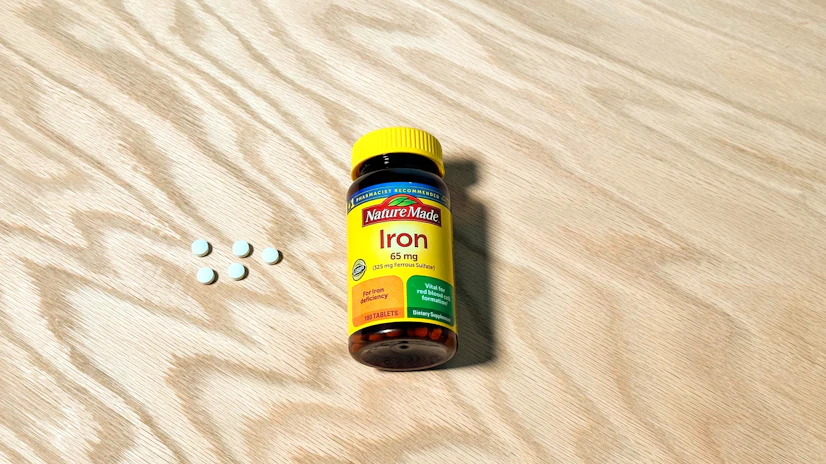
Photo by Innerbody Research
Pros
- Provides 65mg of elemental iron per tablet
- Closely reflects traditional oral iron dosing for iron-deficiency anemia
- USP verified for purity, potency, and manufacturing quality
- Low cost per serving
Cons
- Higher dose may increase the likelihood of GI side effects
- Ferrous sulfate is often less well tolerated than other forms
- Less ideal for maintenance or mild shortfalls without medical guidance
Founded in 1971, Nature Made is one of the most widely available supplement brands in the U.S., with products sold through pharmacies, grocery stores, big-box retailers, and its own website. Many of its products, including the iron supplement covered in this guide, are United States Pharmacopeia (USP) verified, a third-party certification that helps confirm quality, potency, and manufacturing standards for medicines and supplements.
With its iron tablets, each serving provides 65mg of elemental iron from 325mg ferrous sulfate. Ferrous sulfate is one of the most commonly used and best-studied forms of oral iron, especially for iron-deficiency anemia.47 The 65mg dose also closely reflects amounts commonly used in traditional iron replacement protocols for people with confirmed deficiency or anemia.7 That makes Nature Made a stronger fit for someone specifically trying to correct low iron levels rather than casually supplementing for general wellness or maintenance.
The tradeoff is tolerability. Higher-dose ferrous sulfate can be effective, but it’s also more likely to cause constipation, nausea, stomach pain, and other GI issues than gentler forms like ferrous bisglycinate.3 4 For that reason, this isn’t the product we’d recommend for everyday maintenance. But for women looking to correct an iron deficiency, this is the strongest option in our guide. Its ferrous sulfate formula delivers the same form and dose commonly used in clinical treatment protocols.7
Pricing, subscriptions, and shipping
Nature Made Iron 65mg costs $10.59 for a bottle containing 180 tablets through the company’s website, which already makes it one of the least expensive iron supplements in this guide on a per-serving basis. Nature Made also offers a subscription option, though only for a two-pack. At the time of this writing, that subscription costs $19.06 total for two bottles (360 tablets combined). That works out to:
| Total tablets | Bottle price | Cost per serving | |
|---|---|---|---|
| One-time purchase | 180 | $10.59 | $0.06 |
| Subscription (two-pack) | 360 | $19.06 | $0.05 |
Shipping is free on orders over $25; otherwise, standard shipping costs $8.
The subscription setup is somewhat awkward in practice. Nature Made only allows subscription deliveries every 30, 45, 60, or 90 days, but the two-pack contains a full 360-day supply at the recommended one-tablet-per-day dose. Unless someone is taking more than one tablet daily under medical supervision, the shortest subscription interval still results in products arriving long before they’re needed.
Refunds and guarantees
Nature Made offers a 30-day money-back guarantee for the first bottle of a supplement purchased directly through NatureMade.com. Shipping fees are not refundable, and subscription orders that aren’t canceled or skipped before shipping are not eligible for refund.
That policy is more flexible than NOW’s unopened-product-only stipulation, but less generous than Doctor’s Best and Pink Stork, which both offer 60-day satisfaction windows.
Pink Stork Iron + Vitamin C
Best for sensitive stomachs

Photo by Innerbody Research
Pros
- Provides a moderate 18mg dose of elemental iron
- Uses iron bisglycinate, which may be easier on the stomach than other iron forms
- Includes vitamin C to support iron absorption
- Third-party tested on every batch
- Vegan-friendly
- 60-day Happiness Guarantee
Cons
- Lower dose may be insufficient for some women with confirmed iron deficiency
- More expensive per serving than several competitors in this guide
- Fruit extract inclusion has limited direct evidence for iron deficiency support
Founded in 2015, Pink Stork focuses primarily on supplements targeting fertility, pregnancy, postpartum health, and related nutritional support. The company performs third-party testing on every batch for quality and purity.
Its Iron + Vitamin C supplement takes a lower-dose approach than products like Nature Made, which may improve tolerability for some women. Each capsule provides 18mg of elemental iron from iron bisglycinate, matching the RDA for most premenopausal women.2 Because the formula uses a bisglycinate form rather than ferrous sulfate — and avoids pushing into higher iron doses — it may be easier for some women to tolerate consistently.3 4
The tradeoff is that the dose falls below the 27mg RDA recommended during pregnancy.2 That doesn’t necessarily make the supplement inappropriate during pregnancy, particularly for women who already get meaningful amounts of iron through diet or a prenatal vitamin, but some women with higher iron demands or confirmed deficiency may require larger amounts.
The formula also includes:
- Vitamin C, 50mg: Vitamin C helps improve the absorption of non-heme iron by keeping iron in a more absorbable form within the digestive tract.5
- Acerola fruit extract, 200mg: Acerola cherries naturally contain vitamin C and other polyphenols, which likely explains their inclusion here, though there’s very little direct evidence that acerola itself meaningfully improves iron status beyond its vitamin C contribution.48
Compared to several other products in this guide, Pink Stork is positioned more as a gentle daily iron supplement for long-term maintenance than as an aggressive iron replacement product. For women who have struggled with higher-dose iron supplements in the past, that tradeoff may be worthwhile.
Pricing, subscriptions, and shipping
Pink Stork Iron + Vitamin C costs $32.00 for a bottle containing 60 capsules through the company’s website. Subscription orders reduce the price by 20%, bringing the total to $25.60. That works out to:
| Bottle price | Servings | Cost per serving | |
|---|---|---|---|
| One-time purchase | $32.00 | 60 | $0.53 |
| Subscription | $25.60 | 60 | $0.43 |
Pink Stork is therefore one of the most expensive supplements in this guide on a per-serving basis — several times more than NOW Iron Complex. However, for women specifically looking for a lower-dose bisglycinate formula with third-party testing on every batch, the higher price may still feel reasonable.
Pink Stork allows subscription deliveries every 30, 60, or 90 days. Shipping costs $4.99 on orders under $50, while larger orders qualify for free shipping within the U.S.
Refunds and guarantees
Pink Stork offers the strongest refund policy in this guide, alongside Doctor’s Best. The company provides a 60-day Happiness Guarantee, allowing customers to request a refund if they aren’t satisfied with the product.
Compared to NOW Foods and Nature Made — both of which have more restrictive return policies — Pink Stork’s approach places noticeably less risk on the customer when trying the supplement for the first time.
Pure Encapsulations PreNatal Nutrients
Best prenatal for iron support

Photo by Innerbody Research
Pros
- Includes 27mg of iron, matching the RDA for pregnancy
- Uses iron glycinate, which may be easier to tolerate than ferrous sulfate
- Broader prenatal formula with choline, iodine, magnesium, and vitamin D
- Manufactured in NSF-GMP registered facilities
- Free from gluten, GMOs, and many common allergens
Cons
- Does not include omega-3s, so it is not a complete all-in-one prenatal
- Some nutrients, like choline and magnesium, are still below pregnancy recommendations
- More expensive than standalone iron supplements
- Returns limited to unopened products within 30 days
Founded in 1991, Pure Encapsulations focuses on relatively simple supplement formulations while avoiding many common additives and allergens. The company manufactures its products in NSF-GMP registered facilities and tests for identity, potency, and contaminants such as heavy metals and microbes.
Its PreNatal Nutrients formula takes a much broader approach than the standalone iron supplements in this guide. Rather than simply providing iron, the formula combines 27mg of iron glycinate with a large collection of vitamins and minerals commonly recommended during pregnancy, including vitamin B12, iodine, choline, calcium, magnesium, vitamin D, and L-5-MTHF — the biologically active form of folate that does not require the same conversion steps as synthetic folic acid.49
The iron component is particularly notable because the 27mg dose matches RDA during pregnancy.2 And unlike Nature Made’s ferrous sulfate-based approach, Pure Encapsulations uses iron glycinate, a form that may be easier for some women to tolerate consistently.3 4
| Nutrient | Amount per 2 capsules | % Daily Value for Pregnancy & Lactation |
|---|---|---|
| Vitamin A | 2,400mcg | 185% |
| Vitamin C | 70mg | 58% |
| Vitamin D3 | 25mcg (1,000 IU) | 167% |
| Vitamin E | 12mg | 63% |
| Vitamin K1 | 90mcg | 100% |
| Thiamin (B1) | 1.6mg | 114% |
| Riboflavin (B2) | 1.7mg | 106% |
| Niacin | 20mg | 111% |
| Vitamin B6 | 2.2mg | 110% |
| Folate (L-5-MTHF) | 1,667mcg | 278% |
| Vitamin B12 | 2.6mcg | 93% |
| Biotin | 300mcg | 857% |
| Pantothenic acid | 6mg | 86% |
| Choline | 100mg | 18% |
| Calcium | 200mg | 15% |
| Iron | 27mg | 100% |
| Iodine | 150mcg | 52% |
| Magnesium | 80mg | 20% |
| Zinc | 15mg | 115% |
| Selenium | 70mcg | 100% |
| Copper | 1mg | 77% |
| Manganese | 2mg | 77% |
| Chromium | 120mcg | 267% |
| Molybdenum | 75mcg | 150% |
| Mixed carotenoids | 450mcg | N/A |
The biggest limitation is that omega-3 fatty acids are completely absent. That means PreNatal Nutrients isn’t truly a complete prenatal despite its otherwise broad nutrient profile. Omega-3s — especially DHA — are commonly recommended during pregnancy because of their role in fetal brain and eye development.50 Women using this formula would likely still need a separate omega-3 supplement to round out prenatal nutrition.
Some of the included nutrients also fall below commonly recommended pregnancy targets. For example, the formula provides 100mg of choline despite pregnancy recommendations sitting closer to 450mg daily.51 Magnesium is also relatively modest at 80mg. So while the formula is comprehensive overall, some women may still choose to supplement certain nutrients separately depending on diet and medical guidance.
Still, for women specifically looking for a prenatal that already includes pregnancy-level iron dosing alongside methylated folate and a broad micronutrient profile, Pure Encapsulations is one of the more comprehensive options.
Pricing, subscriptions, and shipping
Pure Encapsulations PreNatal Nutrients is one of the more expensive supplements in this guide, though it’s also one of the few products designed as a comprehensive prenatal multivitamin rather than a standalone iron supplement. The company currently offers both 60-capsule and 120-capsule bottles, along with a 10% subscription discount.
That looks like:
| Bottle size | Bottle price | Cost per serving | |
|---|---|---|---|
| One-time purchase | 60 capsules (30 servings) | $32.00 | $1.07 |
| Subscription | 60 capsules (30 servings) | $28.80 | $0.96 |
| One-time purchase | 120 capsules (60 servings) | $55.00 | $0.92 |
| Subscription | 120 capsules (60 servings) | $49.50 | $0.83 |
Shipping is free through the Pure Encapsulations website. Subscription deliveries can be scheduled every 30, 60, or 90 days.
Refunds and guarantees
Pure Encapsulations has one of the most restrictive refund policies in this guide, matched only by NOW Foods. The company only accepts returns on unopened products within 30 days of purchase, meaning customers generally can’t try the supplement and return it if it doesn’t agree with them.
Most other supplements in this guide — with the notable exception of NOW Foods — offer at least some form of satisfaction guarantee or refund window on opened products, giving customers more flexibility while figuring out whether a supplement works well for them.
MaryRuth’s Liquid Iron
Best liquid

Photo by Innerbody Research
Pros
- Provides 18mg of elemental iron per serving for women ages 19-50
- Uses Ferrochel ferrous bisglycinate chelate, a form associated with improved tolerability
- Drinkable format may be easier for some people than tablets or capsules
- Vegan, USDA Organic, and free from many common allergens
- Third-party tested, GMP-compliant, and Clean Label Project certified
- Subscription discounts available
Cons
- More expensive per serving than most capsule or tablet options in this guide
- Requires manually measuring each serving, with no measuring cap included
- Lower dose may be insufficient for some women with confirmed iron deficiency
Founded in 2014, MaryRuth’s Organics produces a wide range of supplements, including capsules, gummies, tinctures, and drinkable formulations. The company manufactures its products in GMP-compliant facilities, performs third-party testing for purity and contaminants, and participates in the Clean Label Project certification program.
Its Liquid Iron supplement takes a different approach from most products in this guide by delivering iron in a drinkable format rather than capsules or tablets. That may be particularly appealing for women who struggle with swallowing pills or who already take multiple supplements throughout the day.
The formula uses Ferrochel ferrous bisglycinate chelate, a branded iron form associated with improved tolerability compared to traditional ferrous sulfate.4 Depending on the age group and serving size, the product provides between 6mg and 18mg of elemental iron, with adult women aged 19-50 receiving 18mg per serving — matching the RDA for most premenopausal women.2
Unlike some competing liquid iron products, MaryRuth’s formula is relatively simple and avoids added sugar, though it does contain sweeteners and stabilizers to improve texture and shelf stability. Still, for women specifically looking for a drinkable iron supplement, MaryRuth’s stands out for combining a relatively simple formula with Ferrochel ferrous bisglycinate and third-party quality certifications.
Taste
MaryRuth’s Liquid Iron has a berry-flavored taste and a thicker consistency somewhat similar to cough syrup, though noticeably lighter and easier to swallow than most medicinal syrups. The flavor is fairly sweet, so people who dislike sweeter supplements may find it a bit strong at first.
That sweetness does a surprisingly good job masking the iron itself, however. Unlike with some iron supplements, we did not notice a strong metallic aftertaste during testing, which may make it easier to take consistently over time.
Pricing, subscriptions, and shipping
MaryRuth’s Liquid Iron is available as either a one-time purchase or subscription order through the company website. A single bottle contains 32 servings, and subscriptions reduce the price by 10%. Customers can also schedule deliveries every 30, 45, 60, or 90 days. Shipping is free on orders over $49.
| Bottle price | Servings | Cost per serving | |
|---|---|---|---|
| One-time purchase | $34.95 | 32 | $1.09 |
| Subscription | $31.46 | 32 | $0.98 |
Even with the subscription discount, MaryRuth’s costs roughly seven times more per serving than NOW Iron Complex. The tradeoff is the drinkable format, Ferrochel bisglycinate iron, and additional third-party quality certifications.
Refunds and guarantees
MaryRuth’s offers a 30-day Happiness Guarantee, which is more flexible than the unopened-product-only policies from brands like NOW Foods and Pure Encapsulations. Customers who are dissatisfied with a product can contact the company for support and potential refund options within 30 days of purchase.
That extra flexibility matters with liquid iron supplements because taste and texture can vary quite a bit from person to person. Even though we found MaryRuth’s berry flavor relatively easy to take compared to many iron supplements, some users may still prefer capsules or tablets instead. The guarantee gives customers more room to try the product for themselves without taking on as much risk upfront.
Double Wood Bioferrin
Best alternative approach

Photo by Innerbody Research
Pros
- May improve iron markers with fewer GI side effects than traditional iron supplements
- Third-party tested with COAs publicly available
- Manufactured in cGMP-certified facilities in the U.S.
- 20% subscription discount plus bundle savings available
- 30-day money-back guarantee on the first bottle
Cons
- Does not directly provide elemental iron
- Clinical evidence is smaller and less established than traditional iron supplementation
- Not suitable for vegans (derived from milk)
- More expensive per serving than most traditional iron supplements in this guide
Founded in 2013 and based in Pennsylvania, Double Wood Supplements focuses heavily on straightforward formulations and manufacturing transparency. The company manufactures in cGMP-certified U.S. facilities and publicly posts third-party testing results and Certificates of Analysis (COAs) for many products, including its lactoferrin supplement.
Unlike every other product in this guide, Double Wood’s supplement does not directly supply iron. Instead, it provides 250mg of lactoferrin, an iron-binding protein naturally found in milk and colostrum. Lactoferrin appears to support iron metabolism differently than standard iron salts like ferrous sulfate or ferrous bisglycinate.40
That distinction may matter for women who struggle to tolerate traditional iron supplements. A 2022 meta-analysis comparing oral lactoferrin against ferrous sulfate found that lactoferrin supplementation improved hemoglobin and ferritin levels while also producing fewer gastrointestinal side effects such as constipation, nausea, and stomach discomfort.40 Some researchers believe lactoferrin may help regulate iron absorption and inflammation simultaneously, rather than simply forcing more iron into the digestive tract.52
At the same time, lactoferrin should not necessarily be viewed as a direct replacement for higher-dose iron supplements in women with moderate or severe iron-deficiency anemia. Most of the evidence remains smaller and less standardized than the decades of research supporting traditional oral iron therapy.53 In practical terms, Double Wood’s lactoferrin may make more sense for women with mild deficiency, poor tolerance to conventional iron, or those looking for a complementary approach to iron support under medical guidance.
Pricing, subscriptions, and shipping
Double Wood’s lactoferrin supplement sits toward the more expensive end of this guide on a per-serving basis, but the company also offers some of the most aggressive long-term discounts we reviewed. Subscription savings (20% off) can be stacked on top of bundle discounts, which reach roughly 24% off for two bottles and 28% off for three bottles.
| Total cost | Total servings | Cost per serving | |
|---|---|---|---|
| One-time purchase (1 bottle) | $26.95 | 30 | $0.90 |
| Subscription (1 bottle) | $21.56 | 30 | $0.72 |
| One-time purchase (2 bottles) | $51.21 | 60 | $0.85 |
| Subscription (2 bottles) | $40.97 | 60 | $0.68 |
| One-time purchase (3 bottles) | $72.77 | 90 | $0.81 |
| Subscription (3 bottles) | $58.22 | 90 | $0.65 |
The biggest savings come from subscribing to the three-bottle bundle, which lowers the effective cost to roughly $0.65 per serving. Since each bottle contains 30 servings, Double Wood’s 90-day subscription interval also lines up cleanly with the three-pack for long-term use.
Shipping is free on orders over $30; otherwise, a $4.95 shipping fee applies.
Refunds and guarantees
Doctor’s Best and Pink Stork both provide longer 60-day guarantee windows. Double Wood instead offers a 30-day money-back guarantee on the first bottle of any supplement, including its lactoferrin product. If customers are dissatisfied for any reason, the company will refund the cost of one bottle within 30 days of purchase.
The policy also applies reasonably well to bundle purchases. Customers can keep the first bottle from a multipack while returning any remaining unopened bottles for a refund, though return shipping costs are the customer’s responsibility.
Alternatives to iron supplements
Iron supplements can be useful for women with increased needs, low iron intake, or confirmed deficiency, but they aren’t the only approach to supporting healthy iron levels. In many cases, improving dietary intake or supporting iron absorption may be enough — particularly for women with mild shortfalls rather than significant anemia.
Diet
For most people, food remains the best long-term foundation for maintaining healthy iron levels.24 Iron is naturally present in many foods and is also added to certain fortified products like breakfast cereals and breads.54
Some of the most common dietary iron sources include:
- Lean meat, seafood, and poultry
- Iron-fortified cereals and breads
- Lentils, beans, peas, and spinach
- Nuts and certain dried fruits like raisins
Iron in food exists in two forms: heme iron and non-heme iron.54 Heme iron — found in meat, seafood, and poultry — is generally absorbed more efficiently. Non-heme iron is found primarily in plant foods and fortified products.
For women with mild deficiency or borderline intake, consistently eating more iron-rich foods may be enough to improve iron status over time, particularly when combined with strategies that support absorption.
Supplements that support iron absorption
Not every supplement aimed at iron health directly provides large amounts of elemental iron. Some instead focus on improving absorption or supporting iron regulation in different ways.
Vitamin C
Vitamin C is one of the best-known examples. It helps improve the absorption of non-heme iron by helping maintain iron in a more absorbable form within the digestive tract.5 That’s why many iron supplements pair iron with vitamin C directly. Even outside of supplements, combining iron-rich foods with vitamin C-containing foods may modestly improve absorption.
Lactoferrin
Found naturally in milk and colostrum, lactoferrin is an iron-binding protein that appears to support iron regulation and absorption rather than directly supplying large amounts of elemental iron.40 Some research suggests lactoferrin supplementation may improve iron markers while causing fewer gastrointestinal side effects than traditional iron salts like ferrous sulfate. However, the evidence remains smaller and less standardized overall, so lactoferrin is probably better viewed as a complementary or alternative approach rather than a direct replacement for standard iron therapy in women with significant deficiency or anemia.
Iron supplement FAQ
Sources
Innerbody uses only high-quality sources, including peer-reviewed studies, to support the facts within our articles. Read our editorial process to learn more about how we fact-check and keep our content accurate, reliable, and trustworthy.
Barton, J. C., et al. (2024). Prevalence of Iron Deficiency Using 3 Definitions Among Women in the US and Canada. JAMA Network Open, 7(6), e2413967.
National Institutes of Health Office of Dietary Supplements. (2025). Iron: Fact Sheet for Health Professionals. National Institutes of Health.
Fischer, J. A. J., et al. (2023). The effects of oral ferrous bisglycinate supplementation on hemoglobin and ferritin concentrations in adults and children: A systematic review and meta-analysis of randomized controlled trials. Nutrition Reviews, 81(8), 904-920.
Bumrungpert, A., et al. (2022). Efficacy and Safety of Ferrous Bisglycinate and Folinic Acid in the Control of Iron Deficiency in Pregnant Women: A Randomized, Controlled Trial. Nutrients, 14(3), 452.
Heffernan, A., et al. (2017). The Regulation of Dietary Iron Bioavailability by Vitamin C: A Systematic Review and Meta-Analysis. Proceedings of the Nutrition Society, 76(OCE4).
Koury, M.J., & Ponka, P. (2004). New insights into erythropoiesis: the roles of folate, vitamin B12, and iron. Annual Review of Nutrition, 24, 105-131.
Kaiser Permanente. (n.d.). Ferrous sulfate 325mg (65mg iron) tablet. Kaiser Permanente.
Tolkien, Z., et al. Ferrous Sulfate Supplementation Causes Significant Gastrointestinal Side-Effects in Adults: A Systematic Review and Meta-Analysis. PLoS One, 10(2), e0117383.
Institute of Medicine (U.S.) Panel on Micronutrients. (2001). Iron. In: Dietary Reference Intakes for Vitamin A, Vitamin K, Arsenic, Boron, Chromium, Copper, Iodine, Iron, Manganese, Molybdenum, Nickel, Silicon, Vanadium, and Zinc. National Academies Press.
Milman, N., et al. (2014). Ferrous bisglycinate 25mg iron is as effective as ferrous sulfate 50mg iron in the prophylaxis of iron deficiency and anemia during pregnancy in a randomized trial. Journal of Perinatal Medicine, 42(2), 197-206.
National Heart, Lung, and Blood Institute. (2022). Iron-Deficiency Anemia. U.S. Department of Health and Human Services.
Johns Hopkins Medicine. (n.d.). Iron-Deficiency Anemia. The Johns Hopkins University.
Al-Naseem, A., et al. (2021). Iron deficiency without anaemia: A diagnosis that matters. Clinical Medicine, 21(2), 107-113.
Kim, S. L., Shin, S., & Yang, S. J. (2022). Iron Homeostasis and Energy Metabolism in Obesity. Clinical Nutrition Research, 11(4), 316-330.
Kardasis, W., et al. (2023). The IRONy in Athletic Performance. Nutrients, 15(23), 4945.
Jáuregui-Lobera, I. (2014). Iron deficiency and cognitive functions. Neuropsychiatric Disease and Treatment, 10, 2087-2095.
Murray-Kolb, L. E., & Beard, J. L. (2007). Iron treatment normalizes cognitive functioning in young women. American Journal of Clinical Nutrition, 85(3), 778-787.
Greig, A. J., et al. (2013). Iron deficiency, cognition, mental health and fatigue in women of childbearing age: a systematic review. Journal of Nutritional Science, 2, e14.
Ni, S., et al. (2022). Iron Metabolism and Immune Regulation. Frontiers in Immunology, 13, 816282.
Ratledge, C. (2007). Iron metabolism and infection. Food and Nutrition Bulletin, 28(4 Suppl), S515-S523.
Anemia in Pregnancy: ACOG Practice Bulletin, Number 233. (2021). Obstetrics & Gynecology, 138(2), e55-e64.
Abbaspour, N., Hurrell, R., & Kelishadi, R. (2014). Review on iron and its importance for human health. Journal of Research in Medical Sciences, 19(2), 164-174.
Gulec, S., Anderson, G. J., & Collins, J. F. (2014). Mechanistic and regulatory aspects of intestinal iron absorption. American Journal of Physiology-Gastrointestinal and Liver Physiology, 307(4), G397-G409.
Linus Pauling Institute Micronutrient Information Center. (2016). Iron. Oregon State University.
Pantopoulos, K. (2024). Oral iron supplementation: new formulations, old questions. Haematologica, 109(9).
Duque, X., et al. (2014). Effect of supplementation with ferrous sulfate or iron bis-glycinate chelate on ferritin concentration in Mexican schoolchildren: A randomized controlled trial. Nutrition Journal, 13, 71.
Hertrampf, E., & Olivares, M. (2004). Iron amino acid chelates. International Journal for Vitamin and Nutrition Research, 74(6), 435-443.
Nguyen, M., & Tadi P. (2023). Iron Supplementation. StatPearls.
Snook, J., et al. (2021). British Society of Gastroenterology guidelines for the management of iron deficiency anaemia in adults. Gut, 70(11), 2030-2051.
Cancelo-Hidalgo, M. J., et al (2013).. Tolerability of different oral iron supplements: a systematic review. Current Medical Research and Opinion, 29(4), 291-303.
Gordeuk, V. R., et al. (1986). Carbonyl iron therapy for iron deficiency anemia. Blood, 67(3), 745-752.
Institute of Medicine (U.S.) Committee on Nutritional Status During Pregnancy and Lactation. (1990). Iron Nutrition During Pregnancy. In: Nutrition During Pregnancy: Part I Weight Gain: Part II Nutrient Supplements. National Academies Press.
World Health Organization. (2024). Daily iron and folic acid supplementation during pregnancy. e-Library of Evidence for Nutrition Actions (eLENA).
Sholzberg, M., et al. (2025). Diagnosis and management of iron deficiency in females. CMAJ, 197(24), E680-E687.
Cleveland Clinic. (2022). Iron Supplement (Ferrous Sulfate). Cleveland Clinic.
Moretti, D., et al. (2015). Oral iron supplements increase hepcidin and decrease iron absorption from daily or twice-daily doses in iron-depleted young women. Blood, 126(17), 1981-1989.
Zhao, N., Zhang, A. S., & Enns, C. A. (2013). Iron regulation by hepcidin. The Journal of Clinical Investigation, 123(6), 2337-2343.
Stoffel, N. U., et al. (2020). Iron absorption from supplements is greater with alternate day than with consecutive day dosing in iron-deficient anemic women. Haematologica, 105(5), 1232-1239.
Von Siebenthal, H. K., et al. (2023). Alternate day versus consecutive day oral iron supplementation in iron-depleted women: a randomized double-blind placebo-controlled study. eClinicalMedicine, 65, 102286.
Zhao, X., et al. (2022). Comparative Effects between Oral Lactoferrin and Ferrous Sulfate Supplementation on Iron-Deficiency Anemia: A Comprehensive Review and Meta-Analysis of Clinical Trials. Nutrients, 14(3), 543.
Hallberg, L., Brune, M., & Rossander-Hulthén, L. (1987). Is there a physiological role of vitamin C in iron absorption? Annals of the New York Academy of Sciences, 498, 324-332.
National Institutes of Health Office of Dietary Supplements. Folate: Fact Sheet for Health Professionals. National Institutes of Health.
National Institutes of Health Office of Dietary Supplements. (2025). Vitamin B12: Fact Sheet for Health Professionals. National Institutes of Health.
Huntley, A. L., & Ernst, E. (2003). A systematic review of herbal medicinal products for the treatment of menopausal symptoms. Menopause, 10(5), 465-476.
Wang, K., et al. (2018). Correction of Anemia in Chronic Kidney Disease With Angelica sinensis Polysaccharide via Restoring EPO Production and Improving Iron Availability. Frontiers in Pharmacology, 9, 803.
Bowman, R., et al. (2021). Biophysical effects, safety and efficacy of raspberry leaf use in pregnancy: a systematic integrative review. BMC Complementary Medicine and Therapies, 21(1), 56.
Stoffel, N. U., et al. Oral iron supplementation in iron-deficient women: How much and how often? Molecular Aspects of Medicine, 75, 100865.
Prakash, A., & Baskaran, R. (2018). Acerola, an untapped functional superfruit: a review on latest frontiers. Journal of Food Science and Technology, 55(9), 3373-3384.
Carboni, L. (2022). Active Folate Versus Folic Acid: The Role of 5-MTHF (Methylfolate) in Human Health. Integrative Medicine (Encinitas), 21(3), 36-41.
Coletta, J. M., Bell, S. J., & Roman, A. S. (2010). Omega-3 Fatty Acids and Pregnancy. Reviews in Obstetrics and Gynecology, 3(4), 163-171.
National Institutes of Health Office of Dietary Supplements. (2022). Choline: Fact Sheet for Health Professionals. National Institutes of Health.
Kruzel, M. L., Zimecki, M., & Actor, J. K. (2017). Lactoferrin in a Context of Inflammation-Induced Pathology. Frontiers in Immunology, 8, 1438.
Cappellini, M. D., Musallam, K. M., & Taher, A. T. (2019). Iron deficiency anaemia revisited. Journal of Internal Medicine, 287(2), 153-170.
National Institutes of Health Office of Dietary Supplements. (2022). Iron: Fact Sheet for Consumers. National Institutes of Health.

Copyright © Innerbody Research 1997 - 2025. All Rights Reserved.