STEMREGEN Reviews
STEMREGEN claims to stimulate the release of your body’s existing stem cells. We examine its ingredients against current scientific evidence to determine whether these claims hold water.
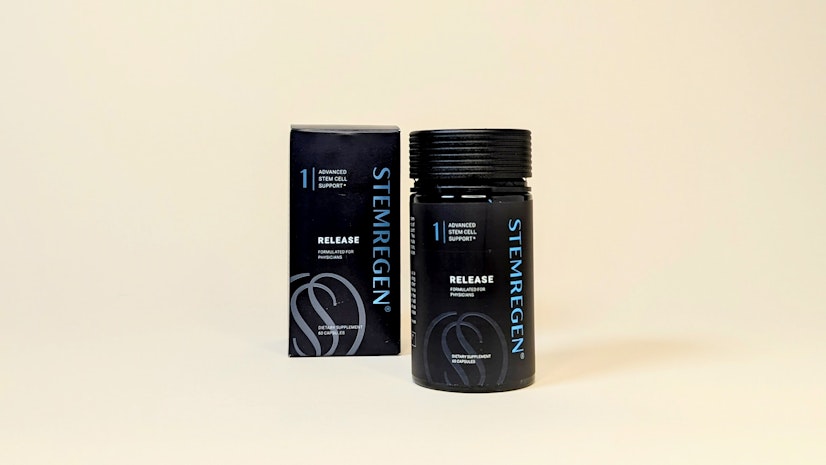
Photo by Innerbody Research
Stem cell is a term that a lot of us have heard but not all of us understand. This gap of misunderstanding leaves room for misconceptions about stem cells’ origins and uses. Ask someone about stem cells, and you might hear something about harvesting them from embryos and injecting them into patients at specialty clinics to cure any ailment, even missing limbs.
In truth, stem cells have a more modest health potential, less divisive origins, and a broader accessibility than the misconceptions would suggest.
A case in point is STEMREGEN, a brand of nonprescription complex supplements that harness the body’s natural production of stem cells to counter the ravages of oxidative stress and the pathologies it can lead to. STEMREGEN makes some rousing health claims on its website, but they’re all sober and grounded in research. The question is, to what degree does the scientific literature support the ingredients and doses used in STEMREGEN’s products?
We provide the answer in this review, along with our findings on other matters related to stem cell therapy and the STEMREGEN brand.
Our Findings
STEMREGEN offers four well-formulated, third-party-tested supplements, the individual ingredients of which boast a large degree of scientific backing for general anti-aging benefits, with generally small side effect profiles. Also, whereas many complexes lack study into their specific formulations, STEMREGEN’s products have undergone studies that broadly support their ability to stimulate the release of adult stem cells for anti-aging effects. That being said, STEMREGEN’s ingredient quantities are hidden behind proprietary blends, leaving questions about their dosing, and the Aphanizomenon flos-aquae featured in three of the supplements theoretically poses a risk of toxicity. The high sticker price is an issue, too, one that’s hardly offset by STEMREGEN’s friendly shipping policies and a money-back guarantee.
Pros
- Formulations have been validated by third-party research
- Individual ingredients are well-supported by clinical studies
- Third-party tested for heavy metals, allergens, lactose, microbials, and other substances
- Test results and the most recent testing date are posted on each product page
- Sport Release is NSF Certified for Sport
- Most ingredients have generally small side effect profiles
- Free U.S. shipping
- 30-day money-back guarantee (conditions apply)
Cons
- Uses proprietary blends (ingredient quantities are unclear)
- Aphanizomenon flos-aquae is a potential safety concern
- More expensive up front than competitors
- Bulk and bundled orders yield no real savings
- Inconsistent customer support turnaround
Purchase options
At this time, STEMREGEN’s supplements are only available directly from the company website.
Why you should trust us
Over the past two decades, Innerbody Research has helped tens of millions of readers make more informed decisions about staying healthy and living healthier lifestyles.
To properly assess STEMREGEN as a stem cell supplement, we first familiarized ourselves with the fundamentals of stem cells in general. Having a solid grasp on stem cell science, we were able to determine what stem cell supplements can truly do and the extent to which STEMREGEN can fulfill those capabilities. Additional research went into evaluating each ingredient in STEMREGEN’s supplements for their safety profiles and potential to increase endogenous stem cell mobilization. And although the benefits of a stem cell supplement aren’t exactly apparent after a three-week testing period, we ordered a STEMREGEN ourselves (Release, specifically) so that we could play the customer role, which involved not just taking the supplement but also interacting with the company.
Additionally, like all health-related content on this website, this guide was thoroughly vetted by one or more members of our Medical Review Board for accuracy and will continue to be monitored for updates by our editorial team.
How we evaluated STEMREGEN
With STEMREGEN, we stuck to a narrow set of criteria that are likely to motivate consumer health decisions:
- Effectiveness: According to the scientific literature, can STEMREGEN really mobilize your body’s stem cells and confer longevity benefits?
- Safety: Does STEMREGEN have any problematic ingredients? If so, to what degree do they pose health risks?
- Cost: How affordable are STEMREGEN’s products? How do they compare to competitors?
- Customer support: How easy or difficult is it to get in touch with a STEMREGEN support agent? How helpful are they?
Here’s how we rated STEMREGEN in each category:
Effectiveness
STEMREGEN has earned a strong mark here because, across its product line, the overwhelming majority of its ingredients are validated by scientific studies on stem cell mobilization. For example, its principal supplement, Release, contains only one ingredient that might not be effective as an orally administered agent, while its remaining six ingredients have sturdy research backing. A similar pattern of thoughtful formulation extends to Release Sport, Signal, and Mobilize. In short, the individual ingredients are precisely what you want in health products designed to fortify the body’s stem cell ecosystem, stimulate stem cell release, and foster stem cell utilization. Studies that have specifically examined STEMREGEN, including third-party studies, corroborate as much.57 58 59
The only question mark hangs over the matter of dosing. STEMREGEN hides the quantity of each ingredient behind proprietary blends, so there’s no certainty about how much you get with every serving. Does Release provide the 500mg dose of sea buckthorn or 120mg of pterostilbene that has been used in positive clinical studies?12 29 We can only infer based on the total weight of the blend and the ingredient’s place in the listing sequence. The earlier it’s listed and the lower the clinically relevant dose, the more likely it is that STEMREGEN delivers a therapeutically effective amount. With that in mind, we do find that STEMREGEN’s 1,430-7,520mg blends have the potential to accommodate efficacious doses of several ingredients.
Safety
STEMREGEN can boast of several virtues that reinforce its safety pedigree:
- Third-party testing: All of its products undergo third-party testing by ISO 17025–accredited Light Labs. They’re tested for heavy metals, allergens, lactose, microbials, and other substances.
- Transparency: The test results for each product are posted on the product page.
- Certification: Sport Release is NSF Certified for Sport, meaning that it’s free of the banned substances that might trigger a positive drug test.
- Generally low-risk ingredients: Practically all the ingredients used across its four supplements are either recognized as safe or likely to be dosed at subtoxic levels.
Really, only one ingredient featured in STEMREGEN’s formulations has the apparent potential to cause serious adverse effects, and that’s Aphanizomenon flos-aquae. While this ingredient is a helpful form of cyanobacteria, it could potentially grow alongside forms of its phylum that produce a kidney- and liver-damaging toxin called microcystin.64 But STEMREGEN dutifully tests its Aphanizomenon flos-aquae for this toxin. Customer support informed us that the company’s microcystin threshold is set at less than 1mg/kg, which corresponds to the 1mcg/g concentration considered safe, and multi-stage testing confirms that the harvested Aphanizomenon flos-aquae doesn’t cross the threshold.68
Cost
STEMREGEN is pricey. Individually, its supplements range from $134 to $189 as one-time purchases, and $121 to $170 on subscription. Mind, we’re talking about daily supplements that involve monthly re-ups. The price starts high and adds up very quickly.
For perspective, the money you spend on STEMREGEN could get you around twice as many units of competitor Qualia Stem Cell, and 5-8 times as many functionally similar single-ingredient supplements. Notwithstanding STEMREGEN’s robust and scientifically aligned formulation, it represents a poor value from a strictly financial standpoint.
There are bundling options for your choosing, and you might think they would offer some savings, but STEMREGEN will subvert your expectations. On a one-time-purchase basis, the price of any one bundle is exactly equivalent to the cost of buying the associated supplements individually. Practically the same can be said about the subscriptions, except that two of the bundles save you $1 each.
At least the bundling won’t hurt you financially, though the head-scratching could be abrasive. Maybe they’re aimed at people who are strongly opposed to opening multiple pages to add items to their cart.
STEMREGEN’s shipping and return policies are the only reasons why the cost rating here isn’t lower, as standard U.S. shipping is free, and orders are protected by a 30-day money-back guarantee on first purchases (one unit of each product per household). Given the high cost of the products themselves, we’re glad to know it’s a risk-free investment without additional charges.
Customer support
STEMREGEN can be reached by email, the customer support page, or telephone. Since email and the customer support page are effectively the same, you have only two channels of communication with the support team. It’s not the best we’ve seen, but also not the worst. Some companies limit you to just one channel, after all.
If only the STEMREGEN customer support team were more consistent about answering messages. During one week of our testing period, we emailed the team twice, used the support page portal twice, and called five times. No one picked up the phone, and not until the third day did we receive a response in our inbox.
On the other hand, in a separate week, our emails received responses in as little as a few minutes.
We can’t explain why STEMREGEN’s support team was so inconsistent about their response turnarounds. Maybe they were working with a skeleton crew that first week?
At any rate, to the team’s credit, whenever they did respond to our messages, their responses were thorough and satisfactory. It was this way that we learned that the Aphanizomenon flos-aquae in Release, Release Sport, and Mobilize is indeed tested for microcystin, and what STEMREGEN’s safety threshold is for the toxin.
First, what are stem cells?
Stem cells are present throughout the body. Three characteristics distinguish them from other types of cells:1
They’re unspecialized
That is, they’ve yet to become cells that perform specific functions.
They can self-replicate for long periods of time
This means they can split into even more stem cells. Thus, they accumulate into a large pool for later use.
But they can become other cells
In a process called differentiation, they can become skin cells, bone cells, or anything else your body needs. It’s as if they take a job offer, typically a lifetime appointment. Once they commit to a job, they become less capable of long-term self-replication or further differentiation.
Broadly, we can categorize all stem cells as either embryonic or adult. Embryonic stem cells, found in embryos, are pluripotent, which means they can differentiate into any type of bodily tissue. Adult stem cells (present in everyone’s organs, from the fetal stage to old age) are more limited, typically differentiating into just one cell type (unipotent) or a few cell types (multipotent) within specific tissues; thus, they’re also known as tissue-specific stem cells.2
Adult stem cells additionally comprise various subtypes based on their specialization. For example:
- Hematopoietic (become blood cells)
- Mesenchymal (become bone, cartilage, fat, or muscle cells)
- Neural (become the cells of the nervous system)
- Epithelial (become epithelial tissue, such as that of the skin, intestines, cornea, hair follicles, and respiratory tract)
These can, however, be genetically modified to function more like their embryonic counterparts. These are known as induced pluripotent stem cells (iPSCs). Promising though they may be, iPSCs present some challenges, primarily their potential to activate cancer-causing genes.3 It would hardly be beneficial to undergo a stem cell therapy to treat one pathology only for the treatment to trigger another, possibly deadlier pathology.
Stem cell therapy vs. stem cell supplements
Stem cell therapy refers to a form of regenerative medicine that entails directly implanting lab-grown stem cells in a patient to repair specific tissues (e.g., neural stem cells to repair nervous tissue).4 5
Stem cell supplements take a different tack. They don’t transfer stem cells from external sources into the body, but instead stimulate the mobilization of the body’s existing stem cells via botanicals and other compounds. So, whereas stem cell therapy is like cellular takeout, supplements are like making fuller use of the food you already have at home.
As such, though the product might not be what you have in mind when you think of stem cells, it can still be pretty good. For example, the release of mesenchymal cells has been shown to yield health benefits similar to, say, an NAD+ booster, particularly with regard to:
- Promoting the transfer of mitochondria to injured cells, which in turn can increase a cell’s energy production and prevent cell death6 7
- Modulating immune function, including mechanisms related to inflammation (which increases as you age)8 9
- Facilitating wound-healing, an ability that naturally diminishes with age10 11
The quality of a given stem cell supplement depends on its potential to produce these outcomes.
What is STEMREGEN (and does it work)?
STEMREGEN is a brand of stem cell supplements with a current lineup of four products, each in 30-serving containers:
- Release
- Release Sport
- Signal
- Mobilize
Release and Release Sport can be considered to be the marquee players in the lineup. Signal and Mobilize, then, are the supporting cast. STEMREGEN recommends using either of the Release supplements in conjunction with Signal and Mobilize to achieve optimal stem cell stimulation and utilization in your body.
The research into each ingredient’s stem-cell-releasing potential is generally positive, and there have even been a few product-specific studies. We discuss the relevant literature in the following sections.
Release (capsules)
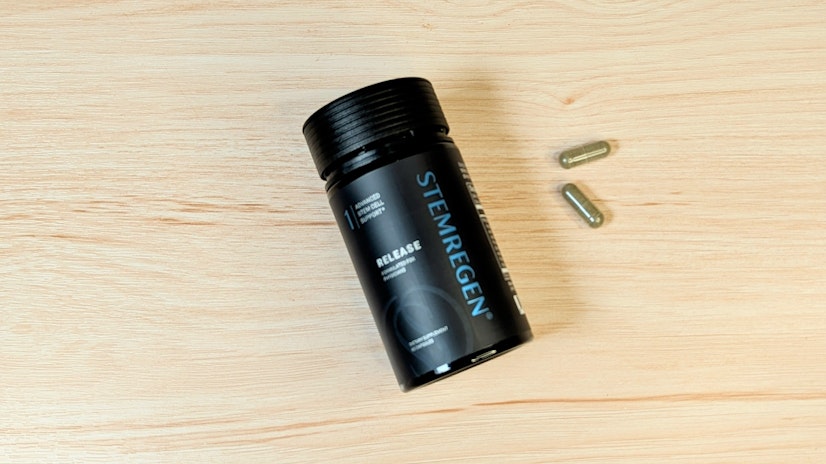
Photo by Innerbody Research
STEMREGEN Release constitutes a single 1,430mg proprietary blend consisting of seven ingredients:
- Sea buckthorn (Hippophae rhamnoides): A shrub that, in human studies, has led to the “rapid and highly selective mobilization” of adult stem cells, particularly endothelial and mesenchymal cells.12 According to a 2022 review, consumption of sea buckthorn is associated with “antioxidant, anticancer, anti-inflammatory, antimicrobial, and antiviral effects,” among other things.13
- Aphanizomenon flos-aquae: a species of cyanobacteria that, in a 2007 in vivo study, was found to trigger the mobilization of stem cells, such that participants exhibited up to a 25% increase in circulating CD34+ (a common cellular marker for identifying cells with repair potential).14
- Aloe macroclada: an aloe plant species, the consumption of which has led to similar effects on stem cell mobilization as Aphanizomenon flos-aquae.15
- Fucus vesiculosus: an alga rich in a polysaccharide called fucoidan, which can not only mobilize stem cells but also potentially protect mesenchymal cells from oxidative stress.16 17
- Panax notoginseng: a root that’s abundant in a compound called saponins. In animal studies, Panax notoginseng saponins have demonstrated the ability to “promote [the] proliferation and differentiation” of neural stem cells in the hippocampus, suggesting the potential to spur the formation of new brain cells.18
- Bovine colostrum: the first form of milk that neonates consume after being born. Known for its immunological properties, colostrum has shown some promise in animal models as a proliferator of mesenchymal stem cells, stimulating tissue regeneration.19 Of note, however, the study documenting this effect involved the co-administration of oral colostrum with an injection of mesenchymal cells.
- Piper nigrum: a known bioenhancer (i.e., a substance that increases the absorption of other substances).20 Studies have documented its bioenhancing action on Panax notoginseng, but its effects on the other ingredients here are unclear.21
If we liken our stem cells to workers, then Release would be an alarm that wakes them up for their workday. And you can see from the body of research that it should have the necessary resonance to stir your stem cells from slumber.
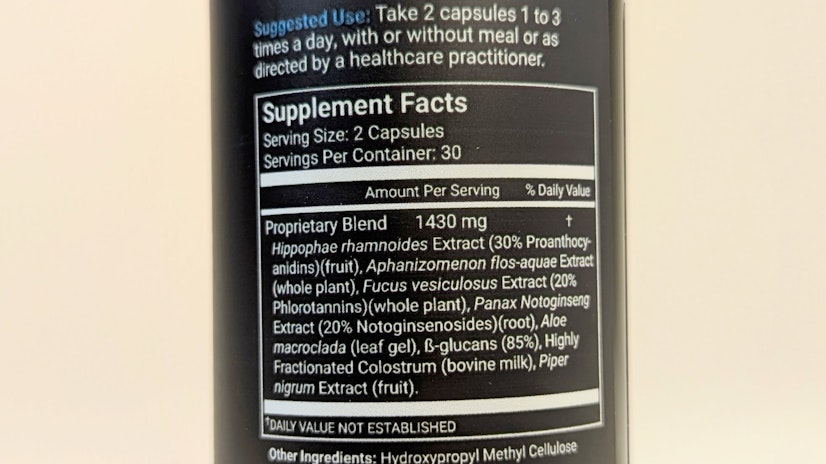
Photo by Innerbody Research
The question of dosage remains, however, as we don’t know exactly how much of each ingredient a two-capsule serving would deliver. The least we can say is that the sea buckthorn content could possibly meet the 500mg threshold used in successful studies, but the likelihood of clinical relevance decreases as we move along the ingredient list.12
Release Sport (capsules)
Alongside the ingredients in Release, the Sport variant contains two additional ingredients intended to enhance the tissue repair and renewal properties of adult stem cells:
- Pterostilbene: a plant-derived compound found in grapes and berries. The scientific text Antioxidants in Sports Nutrition states that “pterostilbene may improve athletic performance by activating and supporting both antioxidant and anti-inflammatory cascades in untrained and trained subjects.”22 Additionally, studies have concluded that its actions related to stem cells may help accelerate wound healing and suppress the formation of cancerous cells.23 24
- Beta-glucans: a group of polysaccharides with immune-enhancing and wound-healing properties.25 26 Animal studies have demonstrated that beta-glucans can enhance hematopoietic stem cell mobilization and promote the proliferation of intestinal epithelial stem cells.27 28
The overall dose of the Sport blend is the same 1,430mg as Release. But with two added ingredients, it has less room to distribute clinical dose amounts of these or its other ingredients. On the other hand, clinical doses of pterostilbene and beta-glucans can be as low as 100-120mg per day, so it could possibly deliver enough of each ingredient to make a difference.29 30
(Note: STEMREGEN Release Sport is NSF Certified for Sport, so athletes can take it with little risk of triggering a positive test for a banned substance.)
Signal (tablets)
Almost all of the body’s cells communicate via signaling pathways, and this intercellular cross-talk is essential for fundamental processes like differentiation, tissue formation, and tissue maintenance.31
Again, we can compare stem cells to workers. When communication between them is tight, processes move ahead efficiently; when not, disruptions occur (e.g., more diseases, slower repairs).
Improving your body’s cellular comms is the idea behind STEMREGEN Signal, and most of its ingredients have strong research support to that end:
- Bromelain: a group of enzymes shown to “modulate surface-adhesion molecules on T cells, macrophages, and NK cells, which are crucial for cell–cell interactions,” with therapeutic benefits in doses as low as 160mg, per a 2024 review.32
- Quzhou Fructus aurantii: a species of bitter orange, the extract of which can help suppress inflammation via the regulation of pathways involved in stem cell communication (NF-κB and MAPK).33 Because inflammation can inhibit stem cell proliferation and drive stem cells into a senescent state, this suppressive action allows them to function and communicate more normally.34
- Terminalia chebula: an herb with similar properties to Fructus aurantii.35
- Curcumin: the active compound in the anti-inflammatory spice turmeric. It can regulate proteins that participate in cell communication and (also like Fructus aurantii) inhibit NF-кB activity.36 37
- Spirulina: a blue-green alga that has a protective effect against tumor necrosis factor alpha (TNF-α), an inflammation-inducing chemical messenger.38 It can also improve stem cell migration and maintain stem cell viability.39
- Commiphora wightii: a flowering plant. It, too, can help regulate signaling pathways that may interfere with stem cell communication (e.g., NF-κB, MAPK).40
- Andrographis paniculata: a bitter plant. As an extract, it can reinforce a stem cell’s niche, a microenvironment where the cell “resides” and which provides signaling molecules necessary for survival, self-renewal, and differentiation, as demonstrated in insect studies.41 42
- Pterocarpus marsupium: a.k.a. the Malabar kino, a species of tree and rich source of pterostilbene. Like several of the other ingredients here, it can inhibit MAPK signaling.43
- Astaxanthin: a pigment with multiple actions related to stem cell communication. It can, for example, enhance stem cell potency by activating the PI3K and MEK signaling pathways, and also protect mesenchymal cells by modulating associated signaling pathways.44 45 Doses as low as 2mg are considered to be clinically relevant.46
These ingredients are spread across a 2,015mg proprietary blend. It’s likely that ingredients like bromelain and astaxanthin are within clinical dose ranges, given the minimal amounts needed. But the other ingredients tend to require larger quantities to impart a therapeutic effect.
Mobilize (powder stick packs)
Between their morning alarm and their arrival at the workplace, your stem cell labor force relies on a transportation infrastructure to move from one to the other. STEMREGEN Mobilize can optimize that infrastructure by improving blood flow.
In that sense, Mobilize isn’t technically a stem cell supplement, but it’s worth examining as part of STEMREGEN’s recommended Protocols.
Its most promising ingredients toward its intended ends are:
- L-Citrulline: boosts circulating arginine, an amino acid critical to the biosynthesis of nitric oxide, which helps blood vessels to relax. In older adults, a daily 6g dose has been found to increase blood flow by 11% during lower limb exercise.47
- Beetroot: high in nitrates, which convert to nitric oxide in the body and, in turn, help dilate the blood vessels.48
- N-Acetyl-L-cysteine: an amino acid capable of dissolving blood clots.49
- Ginkgo biloba: has produced mild increases in cerebral blood flow at daily doses of 120 mg.50
- Sophora japonica: a natural source of the flavonoids rutin and quercetin, which can significantly reduce blood pressure at doses of 1,000mg and 500mg, respectively.51 52
- Pomegranate: possesses anti-hypertensive and anti-atherosclerotic qualities. As an oral supplement, pomegranate extract appears to impart such cardioprotective effects starting at 1,000mg doses.53
- Olive: rich in cardioprotective polyphenols. A 2025 review found that consumption of extra-virgin olive oil “reduced [the] risk of cardiovascular disease,” with particular improvements in “biomarkers involved in cardiometabolic pathways and subsequent cardiovascular events.”54
- Nattokinase: an enzyme found in natto (a fermented soybean dish), and described in a 2017 review as a “potent blood-clot dissolving protein used for the treatment of cardiovascular diseases.”55
- Centella asiatica: a.k.a. Asian pennywort. Doses of 60-120mg have been shown to increase blood flow in clinical studies.56
And that’s the overwhelming majority of the formulation, which totals a sizable 7,520mg per serving (i.e., a lot of room to hold effective doses of at least a few ingredients on the list).
The remaining six ingredients are NAC, sumac, glucosamine, Citrus aurantium, Aphanizomenon flos-aquae, and Ascophyllum nodosum. They may also have vasodilatory or cardioprotective properties, but studies are less conclusive on the matter.
STEMREGEN studies
At least three published studies have assessed STEMREGEN. Two of them were independent animal studies that examined the therapeutic effects of unnamed STEMREGEN products. The third was self-funded and specifically examined STEMREGEN Release in ten human subjects with congestive heart failure.
The two independent animal studies (the second of which is a preprint) concluded that the stem cell–mobilizing actions of STEMREGEN could yield the following benefits in rats:
- Reduced inflammation and bone destruction in cases of severe gum infection57
- Some degree of neural cellular repair after induction of neurotoxicity58
In humans, the self-funded study determined that daily administration of STEMREGEN Release led to “significant improvement in cardiac function and a reduction in clinical heart failure symptoms.”59
The limitations are clear. In two studies, we have animal subjects, and the results of intervention don’t neatly translate to efficacy in humans. In the other study, we have a very small sample size and the potential for bias. But viewed in light of the research into the individual ingredients, these studies provide at least limited corroboration of STEMREGEN’s potential to mitigate the effects of aging.
Is STEMREGEN safe?
Based on the literature, we can conclude that STEMREGEN supplements are relatively low-risk apart from one ingredient.
Outside of pregnant or breastfeeding women and people with specific intolerances (i.e., the usual populations of concern), practically all the ingredients in STEMREGEN Release, Release Sport, Signal, and Mobilize are largely considered safe for oral consumption.
Even among many of the ingredients that do present a risk of common adverse effects, either the effects are considered nonserious or the dose would have to be very high. For example:
- Andrographis paniculata has caused gastrointestinal upset in some studies, but severe adverse events have had an incidence rate of only 0.02 per 1,000 patients.60
- Panax notoginseng would need to be dosed well in excess of 500mg to cause a fully developed adult the kinds of gastrointestinal, hematological, and/or cardiovascular concerns seen in animal studies.61 That would be around one-third each of the total Release blend, in which the ingredient is not very likely to be present in such a high amount.
- Pterostilbene and Pterocarpus marsupium have lower safe-level thresholds of 200-250mg, but their relatively low placements on their respective ingredient lists suggest the possibility that they, too, aren’t dosed high enough to cause serious problems.62 63
The one ingredient deserving further scrutiny here is Aphanizomenon flos-aquae. The problem lies in the fact that this species of helpful cyanobacteria may grow within the same environments as toxic cyanobacteria that produce microcystin, which can cause kidney and liver damage.64 And mind that Aphanizomenon flos-aquae features in three of STEMREGEN’s supplements — Release, Release Sport, and Mobilize — so you can hardly avoid it as a STEMREGEN customer.
Microcystin becomes less of a problem when a company tests for it. STEMREGEN subjects its products to third-party testing by ISO 17025–accredited Light Labs, and its Aphanizomenon flos-aquae is tested at multiple stages, starting at harvest. The customer support team divulged to us that the company limits its microcystin concentration to 1mg/kg, which is consistent with the 1mcg/g considered safe for human consumption.68
On a more theoretical level, STEMREGEN and similar supplements could pose a risk of cancer proliferation in people with mutated stem cells.69 70 An individual’s risk depends on multiple factors, including genetic and lifestyle, so it’s impossible to determine the general likelihood that this theoretical risk could become a real diagnosis.71 For guidance on the matter, we recommend speaking with your doctor before taking a supplement such as STEMREGEN.
How much does STEMREGEN cost?
The four STEMREGEN supplements can be bought individually or in any one of four Protocols (i.e., bundles). There’s also a single bulk-purchasing option and a subscription program with default 30-day delivery intervals. To make the complex pricing structure easier to understand, let’s examine the individual supplements and the Protocols, as well as shipping and return policies, under separate sections
Pricing for individual supplements
Outside of sales like Black Friday and Cyber Monday, STEMREGEN’s four individual supplements come in at the following price points:
| One-time | Subscription | 3-bottle bulk | |
|---|---|---|---|
| Release | $189 | $170 | $510 |
| Signal | $134 | $121 | N/A |
| Mobilize | $164 | $148 | N/A |
| Release Sport | $189 | $170 | N/A |
STEMREGEN Release is the only supplement sold in a three-bottle bulk package. The per-unit cost breaks down to $170 per bottle, so it’s equivalent to three months of a subscription in a single transaction. We can’t imagine a reasonable scenario in which that’s better than just a subscription itself.
Each supplement contains 30 servings in a bottle, so the per-serving costs look like this (rounded up to the nearest cent):
| Per serving (one-time and bulk) | Per-serving (subscription) | |
|---|---|---|
| Release | $6.30 | $5.67 |
| Signal | $4.47 | $4.03 |
| Mobilize | $5.47 | $4.93 |
| Sport | $6.30 | $5.67 |
Among the many stem cell supplements we’ve reviewed, STEMREGEN has some of the highest costs. The up-front price tags are around twice as much as competitor Qualia Stem Cell, and up to nearly eight times as much as a single-ingredient solution like Bulk Supplements Sea Buckthorn Oil softgels (of note, positive studies on sea buckthorn have used the oil form).12 But STEMREGEN also strikes us as the likeliest to be effective.
Protocol pricing
STEMREGEN offers four Protocol options. One odd thing about these options is that they’re basically bundling packages with no added savings. The other odd thing is that two of the protocols differ only in the quantity of bottles you get. As with the individual supplements, each one is sold as either a one-time purchase or an autoshipped subscription with default 30-day intervals.
The contents and price points are as follows:
| Contents | One-time | Subscription | |
|---|---|---|---|
| Daily Maintenance Protocol | 1 Release, 1 Signal, 1 Mobilize | $487 | $438 |
| Accelerated Repair Protocol | 3 Release, 1 Signal, 1 Mobilize | $865 | $779 |
| Daily Recovery Protocol | 1 Release Sport, 1 Signal, 1 Mobilize | $487 | $438 |
| Accelerated Recovery Protocol | 3 Release Sport, 1 Signal, 1 Mobilize | $865 | $779 |
Compared to buying each supplement individually, the Protocols amount to either literally or practically no money savings. In fact, the only “discount” applies to subscription purchases of either Daily Protocol, and we’re talking about a difference of just $1 ($438 versus $439). Unless that dollar means a lot to you, you have about as much reason to buy a Protocol as you do a three-bottle bulk order of Release.
Shipping and returns
One money factor that favors STEMREGEN is shipping. All U.S. orders ship free, including to Puerto Rico and post office boxes. Its leading competitor, Qualia, can’t say the same.
STEMREGEN ships internationally, too, with shipping fees calculated at checkout.
Plus, your STEMREGEN order is protected by a 30-day guarantee. The guarantee applies to “one unit of each product per household on a first purchase.” Generally, you must return the used portion to STEMREGEN, and fees for return shipping and handling will be deducted from your refund. If you have multiple units of a product, only unopened items are eligible for refunds.
Who is STEMREGEN for (and not for)?
Because STEMREGEN’s supplements are formulated to improve cellular health via stem cell release, they’re generally suited for the same sorts of consumers who are interested in anti-aging supplements in general. More narrowly, though, they should appeal in particular to nonpregnant, non-breastfeeding adults who (a) don’t have a history of cancer, (b) can afford the high price tag, (c) lack intolerances to any of their ingredients, and (d) wish to:
- Prevent the onset of age-related pathologies (e.g., cardiovascular, inflammatory)
- Improve immune function and vascular health (i.e., blood flow)
- Increase overall well-being
- See a modest enhancement in athletic performance (re STEMREGEN Release Sport, specifically)
But who are they not for? Aside from the aforementioned excluded populations, STEMREGEN supplements are not a health solution for anyone desirous of immediate gratification in their health journey. Even intravenous stem cell therapy, a more “direct” form of stem cell treatment, can take months to yield outcomes, and the results take place principally at the cellular level. With a supplement formulated to mobilize your existing stem cells, not infuse you with new ones, you can expect a longer-term timeline with more modest, less outwardly noticeable health effects.
Likewise, STEMREGEN is a poor fit for anyone seeking a miracle cure for a resistant pathology. That’s a common myth about stem cells generally, that they’re a cure-all for physiological ailments.65 Perhaps exogenous stem cell therapy may eventually come close to such heights of efficacy, but you shouldn’t expect the same from supplements designed to mobilize a supply of endogenous stem cells. Temper your expectations, though, and you have a well-formulated suite of health products that could spell positive implications for your cellular health.
Are there any alternatives to STEMREGEN?
Not everyone can abide STEMREGEN’s steep price points, and many of us would prefer to deal with brands less allergic to customer interaction. For them, we offer up a few alternative recommendations:
Other stem cell complexes
STEMREGEN doesn’t have many direct competitors in its space, and even fewer that can compete with its excellent formulations. But one brand that holds its own here is Qualia, whose Qualia Stem Cell supplement includes many of the same ingredients as STEMREGEN but with specified quantities and at approximately half the cost (e.g., $79 for a one-time purchase). Qualia also stands out for its “hit and run” approach to supplementation, whereby the user takes a relatively high dose only a few times a month, rather than one dose daily.
Single-ingredient solutions
An even more affordable alternative is to pick one or a few ingredients from the STEMREGEN list and buy them individually. Sea buckthorn, for example, is not only a well-researched botanical that appears in most stem cell supplements, but also a low-cost one.
NAD+ booster
Adult stem cells aren’t the only players in the cellular health game. In fact, NAD+ boosters are probably the current league leader, with NAD+ being an essential coenzyme for cellular metabolism and mitochondrial health.66 They, too, tend to be more affordable than STEMREGEN. Learn more in our guide to the best NAD+ supplements.
Glutathione
Glutathione (rhymes with “stew of my own”) is known as the “master antioxidant.” In addition to its protective action against cell damage, it appears to have a rejuvenating effect on stem cells in the skeletal muscle. This ability could potentially reverse muscle stem cell aging, per a 2023 study published in Cell Metabolism.67 Bear in mind, though, that the study was conducted in mice, so the results may not translate to human physiology.
If you’d like to learn more about glutathione, check out our guide on the subject.
Sources
Innerbody uses only high-quality sources, including peer-reviewed studies, to support the facts within our articles. Read our editorial process to learn more about how we fact-check and keep our content accurate, reliable, and trustworthy.
Stem Cell Foundation of Australia. (n.d.). What makes stem cells different? Stem Cell Foundation of Australia.
University of Nebraska Medical Center. (n.d.). Stem cell basics. UNMC.
Moy, A. B., et al. (2023). The challenges to advancing induced pluripotent stem cell-dependent cell replacement therapy. Medical Research Archives, 11(11), 4784.
Mayo Clinic Staff. (2024). Stem cells: What they are and what they do. Mayo Clinic.
Cleveland Clinic. (2017). Stem cell therapies for neurological diseases: The devil’s in the details. Cleveland Clinic.
Gopalarethinam, J., et al. (2023). Advantages of mesenchymal stem cell over the other stem cells. Acta Histochemica, 125(4), 152041.
Gomzikova, M. O., James, V., & Rizvanov, A. A. (2021). Mitochondria donation by mesenchymal stem cells: Current understanding and mitochondria transplantation strategies. Frontiers in Cell and Developmental Biology, 9, 653322.
Musiał-Wysocka, A., Kot, M., & Majka, M. (2019). The pros and cons of mesenchymal stem cell-based therapies. Cell Transplantation, 28(7), 801-812.
Brown University Health Blog Team. (2024). Inflammaging: What you should know about inflammation and aging. Brown University Health.
Margiana, R., et al. (2022). Clinical application of mesenchymal stem cell in regenerative medicine: A narrative review. Stem Cell Research & Therapy, 13, 366.
Khalid, K. A., et al. (2022). Aging and wound healing of the skin: A review of clinical and pathophysiological hallmarks. Life, 12(12), 2142.
Drapeau, C., Benson, K. F., & Jensen, G. S. (2019). Rapid and selective mobilization of specific stem cell types after consumption of a polyphenol-rich extract from sea buckthorn berries (Hippophae) in healthy human subjects. Clinical Interventions in Aging, 14, 253-263.
Wang, Z., et al. (2022). Phytochemistry, health benefits, and food applications of sea buckthorn (Hippophae rhamnoides L.): A comprehensive review. Frontiers in Nutrition, 9, 1036295.
Jensen, G. S., et al. (2007). Mobilization of human CD34+CD133+ and CD34+CD133− stem cells in vivo by consumption of an extract from Aphanizomenon flos-aquae — related to modulation of CXCR4 expression by an L-selectin ligand? Cardiovascular Revascularization Medicine, 8(3), 189-202.
Drapeau, C., et al. (2015). Aloe macroclada from Madagascar triggers transient bone marrow stem cell mobilization. Journal of Stem Cell Research & Therapy, 5, 1-4.
Fitton, J. H. (2011). Therapies from fucoidan: Multifunctional marine polymers. Marine Drugs, 9(10), 1731-1760.
Han, Y.-S., et al. (2015). Fucoidan protects mesenchymal stem cells against oxidative stress and enhances vascular regeneration in a murine hindlimb ischemia model. International Journal of Cardiology, 198, 187-195.
Si, Y.-C., et al. (2011). Effects of Panax notoginseng saponins on proliferation and differentiation of rat hippocampal neural stem cells. The American Journal of Chinese Medicine, 39(5), 999-1013.
Chiarella, E., et al. (2024). Potential effect of bovine colostrum on mesenchymal stem cells for regenerative therapy. Dairy, 5(1), 173-179.
Meghwal, M., & Goswami, T. K. (2013). Piper nigrum and piperine: An update. Phytotherapy Research, 27(8), 1121-1130.
Jin, Z., et al. (2018). Enhancement of oral bioavailability and immune response of ginsenoside Rh2 by co-administration with piperine. Chinese Journal of Natural Medicines, 16(2), 143-149.
Belviranli, M., & Okudan, N. (2015). Well-known antioxidants and newcomers in sports nutrition. In Antioxidants in Sports Nutrition (ed. M. Lamprecht), CRC Press/Taylor & Francis.
Xie, W., et al. (2021). Pterostilbene accelerates wound healing by modulating diabetes-induced estrogen receptor β suppression in hematopoietic stem cells. Burns & Trauma, 9, tkaa045.
Mak, K.-K., et al. (2013). Pterostilbene, a bioactive component of blueberries, suppresses the generation of breast cancer stem cells within tumor microenvironment and metastasis via modulating NF-κB/microRNA 448 circuit. Molecular Nutrition & Food Research, 57(7), 1123-1134.
Akramiene, D., et al. (2007). Effects of beta-glucans on the immune system. Medicina, 43(8), 597-606.
Majtan, J., & Jesenak, M. (2018). β-Glucans: Multi-functional modulator of wound healing. Molecules, 23(4), 806.
Wagner, S., et al. (2006). Beta glucan enhances hematopoietic stem cell mobilization. Blood, 108(11), 1348.
Yu, Y., et al. (2024). Highland barley β-glucan relieves symptoms of colitis via PPARα-mediated intestinal stem cell proliferation. Journal of Agricultural and Food Chemistry, 72(44), 24359-24373.
Chang, J., et al. (2012). Low-dose pterostilbene, but not resveratrol, is a potent neuromodulator in aging and Alzheimer's disease. Neurobiology of Aging, 33(9), 2062-2071.
Chi-Fung Chan, G., Chan, W. K., & Man-Yuen Sze, D. (2009). The effects of β-glucan on human immune and cancer cells. Journal of Hematology & Oncology, 2, 25.
Su, J., et al. (2024). Cell–cell communication: New insights and clinical implications. Signal Transduction and Targeted Therapy, 9(1), 196.
Kansakar, U., et al. (2024). Exploring the therapeutic potential of bromelain: Applications, benefits, and mechanisms. Nutrients, 16(13), 2060.
Li, L., et al. (2020). Quzhou Fructus aurantii extract suppresses inflammation via regulation of MAPK, NF-κB, and AMPK signaling pathway. Scientific Reports, 10(1), 1593.
Choi, J., Chudziak, J., & Lee, J.-H. (2024). Bi-directional regulation between inflammation and stem cells in the respiratory tract. Journal of Cell Science, 137(21), jcs263413.
Lee, S., et al. (2025). Terminalia chebula fruit extract ameliorates peripheral edema by inhibiting NF-κB and MAPK signaling pathways. International Journal of Molecular Sciences, 26(20), 9965.
Pollak, M. (2016). Profiling curcumin-induced signaling in cancer cells. Thermo Fisher Scientific.
Liczbiński, P., Michałowicz, J., Bukowska, B. (2020). Molecular mechanism of curcumin action in signaling pathways: Review of the latest research. Phytotherapy Research, 34(8), 1992-2005.
Bachstetter, A. D., et al. (2010). Spirulina promotes stem cell genesis and protects against LPS-induced declines in neural stem cell proliferation. PLOS ONE, 5(5), e10496.
Noviantari, A., & Intan, P. R. (2023). The potential of spirulina on cell culture: A mini review. AIP Conference Proceedings, 2956(1), 040008.
Girisa, S., et al. (2020). Potential of guggulsterone, a farnesoid X receptor antagonist, in the prevention and treatment of cancer. Exploration of Targeted Anti-Tumor Therapy, 1(5), 313-342.
Lotti, R., et al. (2025). Andrographis paniculata extract supports skin homeostasis by enhancing epidermal stem cell function and reinforcing their extracellular niche. Cells, 14(15), 1176.
Zhao, T., & Yu, X.-Q. (2025). Signaling pathways in Drosophila testis niche: Local signals that regulate stem cell fate. Insect Science.
Pandey, S., & Shahi, S. (2023). Pterocarpus marsupium: Bridging the gap between traditional medicine and modern pharmacology. Journal of Population Therapeutics and Clinical Pharmacology, 30(7), 613-626.
Kim, H., et al. (2010). Astaxanthin improves stem cell potency via an increase in the proliferation of neural progenitor cells. International Journal of Molecular Sciences, 11(12), 5109-5119.
Mohammadi, S., et al. (2021). Astaxanthin protects mesenchymal stem cells from oxidative stress by direct scavenging of free radicals and modulation of cell signaling. Chemico-Biological Interactions, 333, 109324.
Brendler, T., & Williamson, E. M. (2019). Astaxanthin: How much is too much? A safety review. Phytotherapy Research, 33(12), 3090-3111.
Gonzales, J. U., et al. (2017). Does L-citrulline supplementation improve exercise blood flow in older adults? Experimental Physiology, 102(12), 1661-1671.
Mills, C. E., et al. (2016). It is rocket science — why dietary nitrate is hard to ‘beet’! Part II: Further mechanisms and therapeutic potential of the nitrate‐nitrite‐NO pathway. British Journal of Clinical Pharmacology, 83(1), 140-151.
De Lizarrondo, S. M., et al. (2017). Potent thrombolytic effect of N-acetylcysteine on arterial thrombi. Circulation, 136(7).
Mashayekh, A., et al. (2011). Effects of Ginkgo biloba on cerebral blood flow assessed by quantitative MR perfusion imaging: A pilot study. Neuroradiology, 53(3), 185-191.
Bazyar, H., et al. (2023). The effects of rutin supplement on blood pressure markers, some serum antioxidant enzymes, and quality of life in patients with type 2 diabetes mellitus compared with placebo. Frontiers in Nutrition, 10, 1214420.
Serban, M.-C.,et al. (2016). Effects of quercetin on blood pressure: A systematic review and meta‐analysis of randomized controlled trials. Journal of the American Heart Association, 5(7).
Bibi, J., et al. (2024). The power of pomegranate as natural supplement remedy for sportsmen and athletes: A systematic review and meta-analysis. Journal of Functional Foods, 121, 106453.
Ussia, S., et al. (2025). Exploring the benefits of extra virgin olive oil on cardiovascular health enhancement and disease prevention: A systematic review. Nutrients, 17(11), 1843.
Weng, Y., et al. (2017). Nattokinase: An oral antithrombotic agent for the prevention of cardiovascular disease. International Journal of Molecular Sciences, 18(3), 523.
Incandela, L., et al. (2001). Total triterpenic fraction of Centella asiatica in the treatment of venous hypertension: A clinical, prospective, randomized trial using a combined microcirculatory model. Angiology, 52(2, suppl.), S61-S67.
Gönüllü, F., et al. (2025). The effects of Stemregen® host modulation therapy on experimentally induced apical periodontitis in rats. Journal of Applied Oral Science, 33.
Yücel, H. İ., et al. (2025). Short-term neurotoxic effects of a bioceramic root canal sealer and the modulatory role of Stemregen®: A rat model study. [Preprint].
Drapeau, C., et al. (2025). The effect of endogenous stem cell mobilization on congestive heart failure. Stem Cell & Regenerative Medicine, 9(1), 1-8.
Worakunphanich, W., et al. (2021). Safety of Andrographis paniculata: A systematic review and meta-analysis. Pharmacoepidemiology and Drug Safety, 30(6), 727-739.
Vijayakumar, A., Park, J. H., & Kim, J. (2025). The role of ginseng and ginsenosides in ROS and cardiovascular disease. Journal of Ginseng Research.
Riche, D. M., et al. (2013). Analysis of safety from a human clinical trial with pterostilbene. Journal of Toxicology, 2013, 463595.
Majeed, M., et al. (2023). A short-term safety evaluation of Silbinol®, an extract from Pterocarpus marsupium in healthy adults — a randomized, double-blind, placebo-controlled study. Journal of Evidence-Based Integrative Medicine, 28, 2515690X231198312.
U.S. Food & Drug Administration. (2024). Blue-green algae products and microcystins. FDA.
Magnus, T., et al. (2007). Stem cell myths. Philosophical Transactions of the Royal Society B: Biological Sciences, 363(1489), 9-22.
Yusri, K., et al. (2025). The role of NAD+ metabolism and its modulation of mitochondria in aging and disease. npj Metabolic Health and Disease, 3(1), 26.
Benjamin, D. I., et al. (2023). Multiomics reveals glutathione metabolism as a driver of bimodality during stem cell aging. Cell Metabolism, 35(3), 472-486.
Marsan, D. W., et al. (2018). Evaluation of microcystin contamination in blue-green algal dietary supplements using a protein phosphatase inhibition-based test kit. Heliyon, 4(3), e00573.
Harvard Stem Cell Institute. (n.d.). Stem cells and cancer. HSC.
Derks, L. L. (2023). Stem cell mutations, associated cancer risk, and consequences for regenerative medicine. Cell Stem Cell, 30(11), 1421-1433.
Yin, W., et al. (2021). Cancer and stem cells. Experimental Biology and Medicine, 246(16), 1791-1801.

Copyright © Innerbody Research 1997 - 2025. All Rights Reserved.