Best Stem Cell Supplements
We break down the science of stem cell boosting and examine four products that could potentially slow the effects of aging by strengthening your cellular health.

Photo by Innerbody Research
After gaining public attention in the 1990s, stem cells periodically receded from and returned to a broader health conversation about ethics. Now, three decades later, stem cells have again entered the conversation, but in a more ethically neutral, supplemental form meant to strengthen and mobilize the stem cells that you already have. In doing so, they hold the potential to improve your cellular health and, therefore, your body’s ability to repair itself as it ages.
Currently, stem cell supplements account for only a slight fraction of the health products market. The competitive field is correspondingly small, but there are enough players in the space to complicate its navigation. This guide aims to make it easier for you to find a stem cell supplement tailored to your needs, as we’ve filtered out all products that fail to meet the qualities described in the current scientific literature.
For a snapshot of what we’ve found, check out our summary of recommendations below. Then read further to gain a deeper understanding of how these supplements work.
Summary of recommendations
- Best complex: STEMREGEN Release
- Best lower-cost complex alternative: Qualia Stem Cell
- Best single-ingredient alternative: Bulk Supplements Sea Buckthorn Oil Softgels
- Best topical for skin care: Biopelle Tensage Stem Cell Cream

STEMREGEN’s complex of well-considered ingredients aligns most with scientific research for stem cell mobilization.
Stem cell supplements are STEMREGEN’s bread and butter. We’d prefer that the company didn’t rely on proprietary blends, but the seven ingredients in STEMREGEN Release are all supported by human and animal research, and at least a couple of these are undoubtedly present in clinically relevant doses. Release surpasses the competition with the strength of its formula and its daily use pattern. Stem cell supplements tend to be expensive, and this one’s no exception, but subscribing or buying in bulk saves you 10% per bottle.
Why you should trust us
Over the past two decades, Innerbody Research has helped tens of millions of readers make more informed decisions about staying healthy and living healthier lifestyles.
Evaluating the market’s best stem cell supplements initially involved conducting in-depth research into what stem cells are, as well as how a nonprescription supplement could reinforce their functions. Using the knowledge we’d gained, we defined the parameters of what constitutes a stem cell supplement and searched multiple niches to identify products whose formulations aligned with the scientific literature. We purchased those products, interacted with the respective companies, and documented our findings throughout the process.
Additionally, like all health-related content on this website, this guide was thoroughly vetted by one or more members of our Medical Review Board for accuracy and will continue to be monitored for updates by our editorial team.
How we evaluated stem cell supplements
We based our recommendations in this guide on the four criteria that are likeliest to inform consumer decisions regarding stem cell supplements:
- Effectiveness: What does the scientific literature have to say about each product’s ingredients, doses, and protocol?
- Safety: Are any adverse effects likely to occur? If so, how severe might they be?
- Cost: How accessible is the product to the average person?
- Customer experience: How easy or difficult is it to resolve queries and other issues with the company?
We name our picks and discuss our rationale in the sections below.
Effectiveness
Advantage: STEMREGEN Release
A complex will give you better odds at stem cell boosting than a single ingredient can, for the same reason that a team of builders can finish the job more efficiently than a lone worker. After surveying the market, we identified STEMREGEN Release and Qualia Stem Cell as front-runners among complex formulations.
In our opinion, STEMREGEN ultimately prevails over Qualia because each of its seven ingredients has effectively enhanced the proliferation or mobilization of stem cells in animal and human studies, and its daily dosing regimen aligns with current research.32 Some of its ingredients are potentially underdosed, but the big ones are likely to hit clinical amounts.
In contrast, Qualia Stem Cell has users follow a peculiar dosing schedule of only four consecutive days per month, which doesn’t appear to have a basis in the scientific literature. So, while it also delivers its most potent ingredients in clinical doses, that may all be moot in the light of its quasi-regular protocol.
Safety
Advantage: Bulk Supplements Sea Buckthorn Oil
Whereas the simplicity of a single-ingredient supplement presents a disadvantage in effectiveness, it provides the upper hand in terms of safety. With Bulk Supplements Sea Buckthorn Oil, specifically, the upper hand extends even higher because of sea buckthorn’s slim side effect profile. As a supplement, its most common adverse effects are the sorts of mild gastrointestinal issues that arise with pretty much any orally administered treatment, and a toxic quantity would amount to an astonishingly large dose that you’re unlikely to approach with even a whole bottle of Bulk Supplements.71
If we narrow our scrutiny to just complexes, though, then STEMREGEN Release appears to be the safer option compared to Qualia Stem Cell. In either one, the most problematic ingredient is a species of beneficial cyanobacteria called Aphanizomenon flos-aquae, which can potentially grow in waters alongside toxic members of its phylum.22 But between the two brands, only STEMREGEN has verified that it conducts thorough testing of its Aphanizomenon flos-aquae, limiting its concentration to below the safe threshold of 1mcg/g.23 Qualia, on the other hand, is vague about its Aphanizomenon flos-aquae testing, so while the concentration is likely at a nontoxic level, we simply have less assurance on the matter.
As for Biopelle Tensage Stem Cell Cream — it has a solid safety pedigree as well (even its retinol hasn’t caused on our testers any of the irritation commonly associated with it), but because it occupies an outlying niche in the context of this guide, it could hardly be weighed against the other three recommendations.
Cost
Advantage: Bulk Supplements Sea Buckthorn Oil
Partly because stem cell supplements are still a relative novelty in the supplements market, they tend to cost near or upwards of $100 per retail unit. That’s certainly true of Qualia, Biopelle, and STEMREGEN (approximately $70, $180, and $190, respectively, for one-time purchases).
Bulk Supplements, however, specializes in selling large-volume units at affordable price points, and its Sea Buckthorn Oil tracks perfectly with the brand. It costs just $24 for a one-time purchase. Even with the roughly $10 shipping charge, you could buy 2-5 Bulk Supplements Sea Buckthorn Oils for the price of just one Qualia, Biopelle, or STEMREGEN.
Customer experience
Advantage: Bulk Supplements Sea Buckthorn Oil
Bulk Supplements is our pick for customer experience because of how quickly and seamlessly it allows customers to resolve queries. Have a question about your order or a product? Just click that live chat widget in the lower right-hand corner of any page on the Bulk Supplements website. Once you enter your question, you ought to be connected with a company representative within seconds, even on the weekend, and get exactly the sort of response you wanted.
With our other recommendations, customer support was a much slower affair. In our experience, email was the only reliable way to get a hold of a rep at STEMREGEN, Qualia, or Biopelle, so the speed of resolution depends on how soon someone gets to your message. Of the three companies we mentioned, only Qualia replied on the same day we sent our query, but the response we received didn’t sufficiently answer our question. STEMREGEN and Biopelle averaged a turnaround of three days (though, to their credit, their responses were thorough).
We do wish that Bulk Supplements had a better money-back guarantee, as it’s limited in both length and scope in its current form, but the ease of dealing with its customer support leaves us with a more satisfied impression than any other brand’s return policy could.
How the best stem cell supplements compare
Before we get into the various aspects of stem cells, here’s a quick-reference chart to help you visualize the differences between our recommendations (prices are rounded up to the nearest cent where applicable; bulk and bundle options are excluded):
| STEMREGEN | Qualia | Bulk Supplements | Biopelle | |
|---|---|---|---|---|
| One-time $ | $189 | $79 | $23.97 | $180 |
| Subscription $ | $170 | $39.50 (1st order); $69 (subsequent) | $21.57 | N/A |
| Shipping $ | Free | Calculated at checkout | $9.95 flat rate | Free |
| Type/form | Complex (7 ingredients) — capsules | Complex (16 ingredients) — capsules | Single ingredient (sea buckthorn) — softgels | Face cream (4 key ingredients) |
| Rec’d serving | 2 capsules | 6 capsules | 1 softgel | 1 pump |
| Guarantee | 30 days | 100 days | 30 days (limited) | 60 days |
What are stem cells?
Stem cells are present in nearly all of the body’s tissues.1 What makes them special is that they’re (entirely or largely) unspecialized, have a long period of self-renewal, and can become other types of cells.2
Stem cells can be categorized in relation to the life form’s stage of development. An embryo at the earliest developmental stage has embryonic stem cells, which are the blank checks of the stem cell world because they can become any of the human body’s 200+ different cell types.3 They’re also known as pluripotent stem cells. Because they self-renew and have yet to become cells with specific functions, they accumulate into a pool of high-potential units that can satisfy a diverse range of needs.
Embryonic stem cells then specialize to some degree to generate the various parts of a fetus. From then on, and until the end of life, it’s all adult stem cells, which are tissue-specific. In a process called differentiation, by which a cell takes a specific function, they become progenitor cells, which are unipotent or multipotent (i.e., they can develop into just one or a few cell types). The role of adult stem cells is to replace any fully specialized cells that die because of injury, disease, or normal wear and tear. In that sense, from the moment it begins to take shape, the human body is like a baseball team with not just a fully assigned roster but also a large reserve of recruits. When a rostered player can no longer play their position, a recruit can be brought up to the major league to take their place.
Stem cell locations, types, and niches
Embryonic stem cells are do-it-all wild-card players, taking whatever role you need them to take. But adult stem cells generally operate within specific anatomic locations, just as a baseball player typically covers only a particular part of the field.4 The location they’re assigned to, as well as their specialization, designates their type:
- Hematopoietic stem cells are found in the blood and bone marrow. They develop into various forms of blood cells.5
- Mesenchymal stem cells are also in the bone marrow. They develop into the cells of the skeletal tissues, such as bone, cartilage, fat, and muscle.6
- Neural stem cells are found in the brain and spinal cord, and thus develop into the cells of the central nervous system.7
- Epithelial stem cells are found in locations such as hair follicles and sebaceous glands.8 They become the cells that constitute the skin, eyes, hair, and internal organs.
Within their respective locations, adult stem cells reside within microenvironments called niches. (This, by the way, is where our baseball analogy falls apart.) Niches are essentially protective to both stem cells and the body itself. They help to keep stem cells alive so that they’re available when needed, but also prevent stem cells from over-multiplying, a dysfunction implicated in the development of cancer.9 10
What stem cell supplements do
A stem cell supplement acts on the adult stem cells in a person’s body. In this guide, specifically, we’re generally talking about health products that strengthen existing stem cells, stimulate their proliferation or mobilization, and/or support their functions.
Because stem cells primarily repair tissue, an effective stem cell supplement enables your body to repair itself more effectively. In turn, your overall cellular health could improve, and your body could potentially operate more like that of a younger and healthier person.
A 2018 review on endogenous stem cell reinforcement sketches out the possibilities, which include:11
Endothelialization of cardiovascular implants
Endothelialization is the process by which a cardiovascular implant, such as a stent or graft, is covered by an endothelial layer. This process is critical for restoring normal heart function after surgery.12 Studies have shown that grafts coated with materials that promote hematopoietic stem cell activity can actually facilitate this process.
Myocardial regeneration (i.e., forming new heart muscle)
Likewise, bioactive patches that attract cardiomyocyte progenitor cells have helped to promote “rapid vascularization” after a heart attack, “ultimately leading to cardiac function restoration.”
Bone regeneration
Similar technologies have helped to increase recruitment of mesenchymal stem cells, leading to improved healing after bone injury.
While the review in question exclusively examines the effects of implanted materials on native stem cells, the relevant principle also applies to stem cell supplements: if we optimize use of our existing stem cells, we can spur their regenerative properties. In theory, then, an effective stem cell supplement could yield benefits for:
- Skin health13
- Neurologic health14
- Bone formation and healing15 16
- Wound healing17
- Immune function18
- Anti-aging in general18
Are stem cell supplements safe?
The primary health risk associated with stem cell supplements is their theoretical potential to promote the proliferation of cancer cells. This risk arises when an individual’s stem cells have undergone mutations that cause them to become cancerous.19 20 If they were to proliferate and mobilize, they could then affect their target tissues and lead to tumorigenesis and metastasis.
Again, the risk here is theoretical, as well as contingent on genetic and lifestyle factors.21 So, if you have a personal or family history of cancer, or you regularly engage in cancer-causing activities (e.g., smoking, drinking), then we recommend avoiding stem cell supplements or at least speaking with your doctor before taking one.
Other than that, the safety of a given stem cell supplement depends on the operating practices of its manufacturer (discussed under each brand section) and its ingredients.
Most of the ingredients used in our top recommendations are generally safe for human consumption. The one notable exception is Aphanizomenon flos-aquae, featured in STEMREGEN and Qualia. The risk is that Aphanizomenon flos-aquae often grows in the same environments as cyanobacteria whose toxic microcystin can cause kidney and liver damage in concentrations above 1mcg/g.22 23 The risk is low as long as the manufacturer tests for the microcystin and ensures that it’s below the toxic threshold. (We also discuss the testing standards of STEMREGEN and Qualia under their respective brand sections.)
Who are stem cell supplements for (and not for)?
Stem cell supplements are aimed at nonpregnant, nonbreastfeeding adults who want to see improvements to their general health and well-being, as the regenerative properties of endogenous stem cells could potentially enhance the body’s ability to repair damaged cells. These properties would most likely benefit the areas of skin health, neurologic health, bone regeneration, wound healing, immune function, and anti-aging.13 14 15 16 17 18
As to who they’re not for, that’s a varied group. Besides people with allergies to specific ingredients and those with other health contraindications (e.g., a history of cancer, pregnancy, lactation), it includes anyone expecting the sorts of miraculous health outcomes commonly associated with stem cells. We’re talking about products that mobilize your existing stem cells, so they’re much more limited than embryonic stem cell therapy, which itself isn’t the cure-all for pain, neurogeneration, and age-related declines that the hype makes it out to be.24 25 26 Users should therefore temper their expectations.
STEMREGEN Release
Best stem cell–boosting complex

Photo by Innerbody Research
Pros
- Contains seven well-studied ingredients for endogenous stem cell mobilization
- Effects supported by animal and human studies
- Third-party tested for heavy metals, allergens, lactose, microbials, and other substances
- Test results are viewable on the product page
- Aphanizomenon flos-aquae is tested to ensure safe levels
- Free U.S. shipping (all 50 states)
- Ships internationally
- 30-day money-back guarantee
Cons
- Very expensive, both up front and per-serving
- Ingredient amounts are hidden behind a proprietary blend
- Bulk purchases and bundles yield no appreciable savings
- Inconsistent customer support turnaround
STEMREGEN specializes in stem cell supplements. Its catalog currently consists of four well-formulated products, with Release being its main attraction. Every two-capsule serving contains 1,430mg of a proprietary blend that features seven ingredients with solid research support for their potential to proliferate or mobilize stem cells:
Hippophae rhamnoides
In a 2019 clinical trial, a 500mg daily dose of Hippophae rhamnoides (a.k.a. sea buckthorn) was found to produce “rapid and highly selective mobilization” of adult stem cells in healthy human subjects.27 Hippophae rhamnoides is also known to have “antioxidant, anticancer, anti-inflammatory, antimicrobial, and antiviral effects,” per a 2022 review.28
Aphanizomenon flos-aquae
Aphanizomenon flos-aquae is a type of cyanobacteria, or blue-green algae, but not the type that produces deadly toxins. Rather, extracts of Aphanizomenon flos-aquae are associated with improvements in mood and learning in doses as low as 15mg.29 30
It has a stem cell–mobilizing effect, as well, to the tune of increasing circulating CD34+ (a biomarker for stem cell progenitors) by as much as 25%.31 A 2020 clinical study observed such increases with 400mg per day over seven or 38 days of consecutive administration.32
Aloe macroclada
Aloe macroclada is a species of aloe plant. In 2015, a small clinical study, in which volunteers consumed the plant, found that it triggered a “significant increase (up to 53%)” in circulating stem cell biomarkers, including CD34+. The increases began within two hours of consumption and lasted over three hours.33
Fucus vesiculosus
Fucus vesiculosus, also known as bladderwrack, is an alga that contains a polysaccharide called fucoidan, oral administration of which has been shown to amplify a progenitor stem cell population known as CXCR4+.34 It contains iodine, which can be toxic to humans in quantities of 20mg, but the European Food Safety Authority notes that algae products aren’t likely to exceed 5mg of iodine per serving, and Fucus vesiculosis has been deemed both safe and therapeutically effective at doses up to 250mg.35 34
Panax notoginseng
Animal studies using Panax notoginseng (commonly known as Chinese ginseng) have found that it can stimulate both the proliferation and differentiation of neural stem cells.36
Bovine colostrum
Piper nigrum
Although we can’t say for certain that each ingredient hits a therapeutically effective dose, we can deduce that at least a couple of big ones do. Hippophae rhamnoides and Aphanizomenon flos-aquae, specifically, are likely to be present in clinically relevant quantities since they appear first and second on the ingredients list.
Moreover, reinforcing the research on individual ingredients, two independent studies in 2025 tested STEMREGEN’s effects on animals and came away with positive results. In one, STEMREGEN led to reduced inflammation and bone destruction in rats with severe gum infection via mobilization of specialized mesenchymal stem cells;42 and in the other, STEMREGEN appeared to spur some amount of neural cellular repair.43
Of note, there’s one potential safety concern associated with Aphanizomenon flos-aquae. Although it, by itself, is nontoxic, there’s a chance that it could grow alongside algae that produce a kidney- and liver-damaging toxin called microcystin.22 But microcystin is considered safe in concentrations of 1mcg/g or less, and STEMREGEN limits its microcystin quantity to that amount (typically, the testing yields even lower, safer concentrations), as verified by third-party testing by ISO 17025–accredited Light Labs.23 In fact, all of STEMREGEN’s products are tested by this lab for heavy metals, allergens, lactose, microbials, and other substances, and test results are posted on the product page.
We were able to confirm STEMREGEN’s testing for microcystin through the customer support team, which is thorough in its response quality but inconsistent in terms of response times. In one line of query, we had to wait several days to receive an answer; in another, just a few minutes. It doesn’t help, either, that the customer support channels are limited to email and telephone, and that no one ever picked up the phone when we called.
Pricing, shipping, and returns
Through the STEMREGEN website, you can purchase Release as a standalone supplement in a few ways:
| One-time | Subscription | 3-pack | |
|---|---|---|---|
| Price | $189 | $170 | $510 |
| Servings | 30 | 30 | 90 |
| Per-serving cost | $6.30 | $5.67 | $5.67 |
The price is steep, no matter which way you go. A one-time purchase costs $9 more than the Biopelle cream, approximately 2.4 times more than Qualia, and 5.5 times more than Bulk Supplements. Also, you might notice that the three-pack bulk option is equivalent in price to three months’ worth of a subscription. Seeing as you can’t subscribe to the three-pack, we don’t see a compelling reason to choose it over a standard subscription plan.
Release is also part of two STEMREGEN bundles, called Protocols:
| Daily Maintenance Protocol | Accelerated Repair Protocol | |
|---|---|---|
| Contents | 1 Release, 1 Signal, 1 Mobilize | 3 Releases, 1 Signal, 1 Mobilize |
| One-time | $487 | $865 |
| Subscription | $438 | $779 |
Respectively, Signal and Mobilize are $134 and $164 as one-time purchases, and $121 and $148 per month as subscriptions. Do the arithmetic, and you see that the pricing almost exactly amounts to buying each supplement separately. (We say “almost” because you do save $1 if you subscribe to the Daily Maintenance Protocol.) In other words, the Protocols don’t really save you any money. Their only practical benefit is that you don’t have to visit multiple product pages to buy them in a single order.
But STEMREGEN isn’t all downsides and nullities on the spending side of things. For one thing, it ships free to all 50 U.S. states, which isn’t the case with Qualia or Bulk Supplements. Plus, per household, the company’s 30-day money-back guarantee protects every first-time order, in which regard it’s at least better than Bulk Supplements.
Qualia Stem Cell
Best lower-cost alternative to STEMREGEN

Photo by Innerbody Research
Pros
- Includes some of the same ingredients as STEMREGEN
- Ingredient amounts are specified
- Taken only during four days per month
- Third-party tested
- Gluten-free and non-GMO
- 50% discount on your first subscription order
- 100-day money-back guarantee (best in this guide)
Cons
- Several ingredients appear to be unsupported or underdosed
- Six-capsule serving size
- Scarce evidence to support ingredient quantities in relation to the dosing schedule
- Test results are not provided, either on the product page or through email
- The dosing schedule could be a chore to keep track of
- No free shipping for subscriptions
- Only around a 12% discount after your first subscription order
- Unsatisfactory customer support quality
Qualia Stem Cell is a 15-ingredient complex meant to be taken just four consecutive days per month. At a glance, it looks to have the advantage over STEMREGEN. But closer scrutiny uncovers why it’s relegated to what’s effectively runner-up status in this guide.
Four of STEMREGEN’s ingredients also appear in Qualia, except with specified doses: sea buckthorn (500mg), Aphanizomen flos-aquae (400mg), Aloe macroclada (300mg), and Panax notoginseng (200mg). The first two are clinically dosed, and the Aloe macroclada might also be, but the ginseng seems to fall short of a therapeutic quantity.44 (And when we say “clinically dosed” or “therapeutic quantity,” we mean in terms of daily use. Keep that in mind for the time being.) Also, the customer support team somewhat evaded our question about Qualia’s testing for microcystin: rather than assuring us that the toxin’s levels are kept to a minimum, they only pointed us to the fact that Qualia products undergo third-party testing.
As for the remaining 11 ingredients, they’re another mixed bag:
L-Serine (300mg)
The amino acid L-serine may have a neuroregenerative effect through the proliferation and differentiation of neural stem cells. For example, in rat studies, intraperitoneal injections of 168mg/kg have reduced brain injury and facilitated neurorestoration after cerebral artery occlusion.45 But for a fully grown human, an equivalent dose would be over 630mg, and Qualia falls well short (especially considering that it’s an oral supplement, not an injectable medication).
Beta-glucan (250mg)
Cladosiphon okamuranus (200mg)
Cladosiphon okamuranus is a rich source of fucoidan, so it offers the same effects on stem cell proliferation as Fucus vesiculosus in STEMREGEN. In addition, it has a significant immunological impact in that it induces the death of viral and cancer cells.48 It’s unclear what a clinically relevant dose would be to realize these effects, but animal studies suggest that it would have to be much higher than 200mg.49
Nucleoprime nucleotides (200mg)
Royal jelly powder (200mg)
A double-blind, placebo-controlled, randomized clinical trial published in 2023 illustrates both the potential and the impotence of this ingredient in Qualia Stem Cell. On the one hand, subjects who consumed royal jelly powder exhibited “significantly higher” hematopoietic populations compared to the placebo group. But on the other hand, they consumed 1,200mg of the stuff per day.54 So, while royal jelly powder certainly seems to be effective, Qualia’s low dose of it leaves us wanting.
Ferulic acid (200mg)
Astragalus(100mg)
Polysaccharides in astragalus may be able to protect stem cells by inhibiting oxidative stress–mediated cell death, but a conversion of doses used in animal studies suggests that humans would need a dose astronomically higher than Qualia’s 100mg to get the job done.58
Bromelain (100mg)
Bromelain’s likely role is to facilitate cellular communication after stem cells have been mobilized. A 2024 review noted that it has the ability to “modulate surface-adhesion molecules on T cells, macrophages, and NK cells, which are crucial for cell–cell interactions,” though at doses starting around 160mg.59 Qualia’s bromelain content is a bit short here.
Sodium copper chlorophyllin (50mg)
A 2012 animal study concluded that sodium copper chlorophyllin could improve the proliferation and differentiation of mesenchymal stem cells, an opinion shared by the authors of a 2020 study and reflected in a 2022 study, but (again) an effective human dose would seem to be much higher than what you get in Qualia.60 61 62
Spirulina (40mg)
Spirulina may have an enhancing effect on the migration and viability of stem cells.63 It also offers protection against an inflammatory chemical messenger called tumor necrosis factor alpha, and inflammation can inhibit stem cell proliferation.64 65 But we’ve not found scientific support for the low dose used in Qualia.
You’ve got a few ingredients dosed within clinical ranges, but many more that aren’t. But even with the clinically dosed ingredients, you have to consider that in studies that have shown positive stem cell–related outcomes, subjects were administered their interventions on a daily basis. Remember that Qualia Stem Cell is meant to be taken just four consecutive days a month — that’s four days on, 26-27 days off — so its dosing schedule doesn’t align with most research protocols.
So, when you take the good and bad of Qualia Stem Cell together, you see the picture of a decently put-together complex that doesn’t match the potential or safety pedigree of STEMREGEN.
Pricing, shipping, and returns
As a one-time purchase, Qualia Stem Cell sells for $79 before the added shipping fee. Delivery to the Midwest added around $9 to our bill, so the total cost came to over $90 after tax.
Through Qualia’s subscription program, your first order is only $39.50, but subsequent orders are $69 each. The difference in discount amounts to 50% and around 12% respectively. You save money either way, but we can’t deny the discouragement that comes with the price increase. Also discouraging is the fact that even subscriptions are subject to a shipping fee.
On the plus side, Qualia offers a 100-day money-back guarantee. The policy applies to one unit per product, per household. To illustrate, if you bought two Qualia products and your partner bought the same two products separately, only one of each product would qualify for a full refund. It’s a reasonable limitation, and even with it, Qualia has the best return policy among all the brands in this guide.
Bulk Supplements Sea Buckthorn Berry Oil
Best single-ingredient stem cell supplement

Photo by Innerbody Research
Pros
- Very low cost, very high serving count
- Third-party tested
- Minimal risk of side effects
- Uses a softgel form, which has been used in most studies
- Softgel form may be easier to swallow than capsules
- Gluten-free and lactose-free
- Responsive customer support (includes a live chat feature on the website)
Cons
- Per-serving dose is subclinical
- Not as robust as a complex
- Contains soy
- $9.95 flat-rate shipping on orders below $59
- Limited money-back guarantee
Here, Bulk Supplements offers us a supplement whose only active ingredient is sea buckthorn, which you’ll have noticed is the lead-off in both STEMREGEN and Qualia. We’ve already covered how sea buckthorn can effectively mobilize stem cells, as well as its activities against oxidative stress, inflammation, cancer, and pathogens.27 28 But because it’s the only ingredient in this Bulk Supplements product, it’s worth further examination to see how well it works by itself.
The scientific literature suggests that it does quite a good job:
- A 2021 study showed that omega-7 fatty acids, of which sea buckthorn has an abundance, stimulate the activity of an enzyme called telomerase, which in turn promotes stem cell proliferation for wound healing.66
- In a 2022 animal study, sea buckthorn “significantly stimulated the differentiation of mesenchymal stem cells into osteoblasts,” leading to improved bone mineral density in mice with osteoporosis.67
- In a 2025 in vitro study, mesenchymal cells treated with sea buckthorn–derived particles exhibited increased expression of biomarkers associated with bone healing.68
Because aging tends to impair the body’s bone regeneration and wound-healing abilities, these studies suggest that sea buckthorn could potentially improve a person’s quality of life in their later years.69 70
It’s true that Bulk Supplements’ Sea Buckthorn Berry Oil softgels are inadequately dosed at just 150mg per serving, but you can take a double or triple serving to get you closer to the 500mg clinical amount.27 For reference, a toxic amount of sea buckthorn would be something like several whole bottles of the softgels.71 Also, in a quick live chat, we verified with Bulk Supplements’ customer support that there’s no specific daily serving limit for this product. You should, of course, speak with your doctor before upping your day’s dosage.
Pricing, shipping, and returns
As of this writing, Bulk Supplements Sea Buckthorn Berry Oil is available in just a 240-serving bottle size for $23.97 as a one-time purchase and $21.57 on subscription (a 10,000-serving option is displayed on the product page but marked as “sold out” at this time). Unless you spend at least $59, shipping adds a flat rate of $9.95, so the total cost of the Sea Buckthorn Berry Oil alone amounts to $33.92 and $32.52, respectively.
If you end up taking a 3x serving to meet the clinical dose of sea buckthorn, then a single bottle should still last you 80 days, with a per-serving cost of around $0.40-$0.42. That’s approximately 13-15 times less than the per-serving cost of STEMREGEN. A solid deal.
Bulk Supplements does have a 30-day money-back guarantee, but it provides only partial refunds “equivalent to the price of the smallest unit.” When there’s only one unit size, as is the current case with Sea Buckthorn Oil softgels, your refund would be half the price of your order. Note, however, that getting a half-price refund may require explaining to Bulk Supplements that only one unit size was available at the time of your purchase.
Biopelle Tensage Stem Cell Cream
Best topical stem cell supplement for skin care
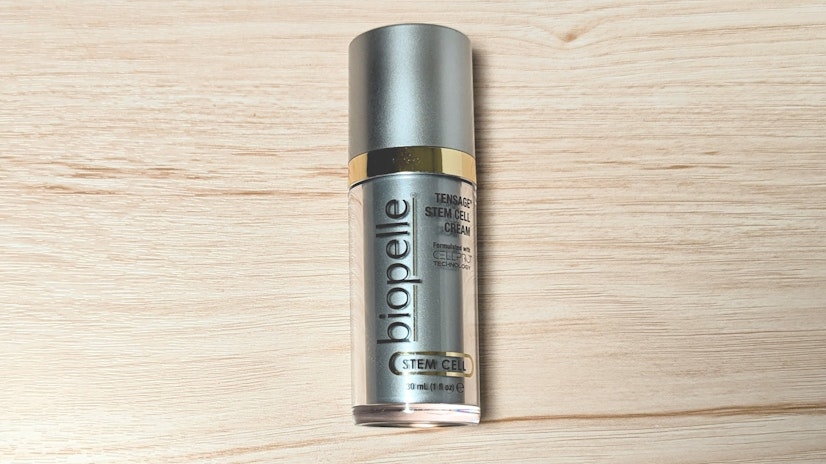
Photo by Innerbody Research
Pros
- The main active ingredient, the eggs of Cryptomphalus aspersa, boasts research support for skin health
- Includes other well-studied ingredients for improving skin’s appearance
- All orders ship for free
- Comes with free skin care samples of your choice
- Non-greasy
Cons
- Very expensive
- No subscription option
- Not suitable for vegans
- Has a noticeable cosmetic perfume smell
Other than its price tag and its effect on stem cell mobilization, Biopelle Tensage Stem Cell Cream occupies a unique niche in this guide. For one thing, it’s a topical cream, not an oral supplement. For another, its key active ingredients don’t appear in any of our other recommendations.
The main player in its formulation is an extract of the eggs of Cryptomphalus aspersa (a.k.a. garden snail), and it’s one that has yielded promising results in recent scientific research. A 2024 study, for example, found that the extract had the following effects on human mesenchymal stem cells:72
- Fortification of stemness (i.e., a stem cell’s ability to proliferate into differentiable cells and interact efficiently with its environment)73
- Alleviation of oxidative stress, potentially preventing premature senescence
- Inducement of autophagy, or the clearing out of old cells, thereby supporting stem cell metabolism and function74
The researchers thus concluded that Cryptomphalus aspersa egg extract “comprises bioactive compounds that can demonstrate strong antioxidant/anti-ageing [sic] effects,” which seems in line with the kinds of results that Biopelle has aimed to achieve with this product.72
Further along the ingredients list are three other components that have no bearing on stem cell activity but have high potential to improve skin health in general:
Retinol
Retinol, a vitamin A derivative, exfoliates dead skin, boosts collagen production, and promotes cell turnover, thereby reducing the appearance of fine lines and wrinkles.75
Peptides
Ceramide NP
Ceramide NP is a naturally occurring lipid in the outermost layer of the epidermis. In a 2022 clinical study, a ceramide NP–enriched mixture applied to the skin was found to “recover the barrier function impaired by topical corticosteroid” (corticosteroids can cause skin thinning).78 79 The general effect ought to be improved moisture retention and protection against pathogens.80
So, while Biopelle Tensage Stem Cell Cream won’t do anything to improve your body’s overall cellular health, it has what it takes to help your skin look a little younger.
We have only a couple of gripes with the cream. One is the smell. It doesn’t smell bad, necessarily, but it has a strong “cosmeticky” perfume fragrance that might not be to everyone’s liking. And the second is its price.
Pricing, shipping, and returns
Biopelle Tensage Stem Cell Cream is available in a 1fl oz bottle for $180. At this price point, it’s just $9 less than STEMREGEN as a one-time purchase, making it overall the second-most expensive product in this guide in terms of up-front cost. It should, however, last around three months with daily one-pump applications, so the “per-serving” cost here ($2 per pump) is low compared to STEMREGEN and Qualia.
Insider Tip: A single pump doesn’t look like much in the hand, but our testers found it to be the right amount to cover the face. That includes one tester who describes himself as having a “big face on a big head.”
All Biopelle orders ship for free, too, and the Stem Cell Cream is eligible for 1-2 complimentary samples of other Biopelle products.

Photo by Innerbody Research
Moreover, Biopelle protects your purchase with a 60-day, no-questions-asked money-back guarantee.
Alternatives to stem cell supplements
Even the best stem cell supplements on the market aren’t the right solutions for everyone. With most of these products, the price tag is hard to abide. And some people might just prefer a slightly different approach to their health and wellness.
Here are some alternatives, then.
Other supplements
Several other supplement types can help you see some of the skin health, wound-healing, immunological, and/or anti-aging benefits that stem cell supplements offer:
Skin health
Copper peptides should be your best alternative bet for Biopelle’s epidermal benefits, as they have been found to reverse skin thinning, improve skin elasticity, repair the skin barrier, and stimulate wound healing, among other things.81
Our guide to the best copper peptide serums can tell you everything you need to know about them.
Immune health
For immune health, we’d recommend colostrum as a solid alternative. Not only is it a featured ingredient in STEMREGEN Release, but it also has a growing research pedigree that points to its protective action against pathogens.82
We have a guide to the best colostrum supplements, too, where you can learn more.
General anti-aging
We have two leading alternatives here. One is glutathione, an antioxidant that may be able to reverse muscle stem cell aging.83 The other is an NAD+ booster, as increasing your levels of NAD+ could potentially preserve your cellular metabolism and mitochondrial function.88
For more information, check out our glutathione guide and NAD+ guide. We also have a helpful guide to the best anti-aging supplements that includes more complex formulas.
Lifestyle changes
As with most things health-related, a combination of diet, exercise, and sleep can help you boost your stem cell function naturally. Broadly, this approach says to:
- Restrict your calories and eating windows84
- Regularly engage in resistance and endurance exercises85
- Aim for around 7-9 hours of sleep per night86
Your exact caloric, exercise, and sleep needs will depend on individual factors such as age and medical history, so these are topics to discuss with your healthcare provider.
Stem cell FAQ
Sources
Innerbody uses only high-quality sources, including peer-reviewed studies, to support the facts within our articles. Read our editorial process to learn more about how we fact-check and keep our content accurate, reliable, and trustworthy.
- Mayo Clinic Staff. (2024). Stem cells: What they are and what they do. Mayo Clinic.
- Stem Cell Foundation of Australia. (n.d.). What makes stem cells different? Stem Cell Foundation of Australia.
- University of Nebraska Medical Center. (n.d.). Stem cell basics. UNMC.
- National Institutes of Health. (n.d.) Stem cell basics. NIH.
- National Cancer Institute. (n.d.). Hematopoietic stem cell. NIH.
- Mayo Clinic. (n.d.). Mesenchymal stem cell dysfunction during aging and disease. Mayo Clinic.
- Broad Stem Cell Research Center. (n.d.). Neural stem cells. UCLA.
- Fu, J., et al. (2017). Stem cell pathology. Annual Review of Pathology, 13, 71-92.
- Scadden, D. T. (2006). The stem-cell niche as an entity of action. Nature, 441(7097), 1075-1079.
- Tian, A., et al. (2017). Intestinal stem cell overproliferation resulting from inactivation of the APC tumor suppressor requires the transcription cofactors Earthbound and Erect wing. PLoS Genetics, 13(7), e1006870.
- Pacelli, S., et al. (2017). Strategies to develop endogenous stem cell recruiting bioactive materials for tissue repair and regeneration. Advanced Drug Delivery Reviews, 120, 50-70.
- Van Belle, E., et al. (1997). Stent endothelialization: Time course, impact of local catheter delivery, feasibility of recombinant protein administration, and response to cytokine expedition. Circulation, 95(2).
- Taub, A. F. (2024). Regenerative topical skincare: Stem cells and exosomes. Frontiers in Medicine, 11, 1443963.
- Darehbagh, R. R., et al. (2024). Stem cell therapies for neurological disorders: Current progress, challenges, and future perspectives. European Journal of Medical Research, 29, 386.
- Knight, M. N., & Hankenson, K. D. (2013). Mesenchymal stem cells in bone regeneration. Advances in Wound Care, 2(6), 306-316.
- McNulty, M. A., et al. (2012). Adult stem cell mobilization enhances intramembranous bone regeneration: A pilot study. Clinical Orthopaedics and Related Research, 470(9), 2503-2512.
- Lin, Q., et al. (2014). Pharmacological mobilization of endogenous stem cells significantly promotes skin regeneration after full-thickness excision: The synergistic activity of AMD3100 and tacrolimus. Journal of Investigative Dermatology, 134(9), 2458-2468.
- Lim, J. E., & Son, Y. (2017). Endogenous stem cells in homeostasis and aging. Tissue Engineering and Regenerative Medicine, 14(6), 679-698.
- Derks, L. L. (2023). Stem cell mutations, associated cancer risk, and consequences for regenerative medicine. Cell Stem Cell, 30(11), 1421-1433.
- Harvard Stem Cell Institute. (n.d.). Stem cells and cancer. HSC.
- Yin, W., et al. (2021). Cancer and stem cells. Experimental Biology and Medicine, 246(16), 1791-1801.
- U.S. Food & Drug Administration. (2024). Blue-green algae products and microcystins. FDA.
- Marsan, D. W., et al. (2018). Evaluation of microcystin contamination in blue-green algal dietary supplements using a protein phosphatase inhibition-based test kit. Heliyon, 4(3), e00573.
- Okarma, T. (2007). Adult stem cells will not do. New Scientist.
- New York Stem Cell Foundation. (2022). Unproven stem cell therapies: Experts discuss how to protect yourself from this global health issue. NYSCF.
- Williams, S. C. P. (2023). Why stem cell therapy might not work for older patients. University of California, San Francisco.
- Drapeau, C., Benson, K. F., & Jensen, G. S. (2019). Rapid and selective mobilization of specific stem cell types after consumption of a polyphenol-rich extract from sea buckthorn berries (Hippophae) in healthy human subjects. Clinical Interventions in Aging, 14, 253-263.
- Wang, Z., et al. (2022). Phytochemistry, health benefits, and food applications of sea buckthorn (Hippophae rhamnoides L.): A comprehensive review. Frontiers in Nutrition, 9, 1036295.
- Nuzzo, D., et al. (2018). Effects of the Aphanizomenon flos-aquae extract (Klamin®) on a neurodegeneration cellular model. Oxidative Medicine and Cellular Longevity, 2018, 9089016.
- Scoglio, S., et al. (2014). Selective monoamine oxidase B inhibition by an Aphanizomenon flos-aquae extract and by its constitutive active principles phycocyanin and mycosporine-like amino acids. Phytomedicine, 21(7), 992-997.
- Jensen, G. S., et al. (2007). Mobilization of human CD34+CD133+ and CD34+CD133− stem cells in vivo by consumption of an extract from Aphanizomenon flos-aquae — related to modulation of CXCR4 expression by an L-selectin ligand? Cardiovascular Revascularization Medicine, 8(3), 189-202.
- Martín, M., et al. (2020). The bluegreen algae (AFA) consumption over 48 hours increases the total number of peripheral CD34+ cells in healthy patients: Effect of short-term and long-term nutritional supplementation (Curcumin/AFA) on CD34+ levels (Blood). Journal of Personalized Medicine, 10(2), 49.
- Drapeau, C., et al. (2015). Aloe macroclada from Madagascar triggers transient bone marrow stem cell mobilization. Journal of Stem Cell Research & Therapy, 5, 1-4.
- U.S. Food & Drug Administration. (2016). GRAS Notice (GRN) No. 661. FDA.
- Ulbricht, C., et al. (2013). Seaweed, kelp, bladderwrack (Fucus vesiculosus): An evidence-based systematic review by the Natural Standard Research Collaboration. Alternative and Complementary Therapies, 19(4), 217-230.
- Si, Y.-C., et al. (2011). Effects of Panax notoginseng saponins on proliferation and differentiation of rat hippocampal neural stem cells. The American Journal of Chinese Medicine, 39(5), 999-1013.
- Chiarella, E., et al. (2024). Potential effect of bovine colostrum on mesenchymal stem cells for regenerative therapy. Dairy, 5(1), 173-179.
- Yalçıntaş, Y. M., et al. (2024). Revealing the potency of growth factors in bovine colostrum. Nutrients, 16(14), 2359.
- Meghwal, M., & Goswami, T. K. (2013). Piper nigrum and piperine: An update. Phytotherapy Research, 27(8), 1121-1130.
- Jin, Z., et al. (2018). Enhancement of oral bioavailability and immune response of ginsenoside Rh2 by co-administration with piperine. Chinese Journal of Natural Medicines, 16(2), 143-149.
- Kesarwani, K., & Gupta, R. (2013). Bioavailability enhancers of herbal origin: An overview. Asian Pacific Journal of Tropical Biomedicine, 3(4), 253-266.
- Gönüllü, F., et al. (2025). The effects of Stemregen® host modulation therapy on experimentally induced apical periodontitis in rats. Journal of Applied Oral Science, 33.
- Yücel, H. İ., et al. (2025). Short-term neurotoxic effects of a bioceramic root canal sealer and the modulatory role of Stemregen®: A rat model study. [Preprint].
- Mancuso, C. (2024). Panax notoginseng: Pharmacological aspects and toxicological issues. Nutrients, 16(13), 2120.
- Sun, L., et al. (2014). L-Serine treatment may improve neurorestoration of rats after permanent focal cerebral ischemia potentially through improvement of neurorepair. PLOS ONE, 9(3), e93405.
- Yu, Y., et al. (2024). Highland barley β-glucan relieves symptoms of colitis via PPARα-mediated intestinal stem cell proliferation. Journal of Agricultural and Food Chemistry, 72(44), 24359-24373.
- Wagner, S., et al. (2006). Beta glucan enhances hematopoietic stem cell mobilization. Blood, 108(11), 1348.
- Haneji, K., et al. (2005). Fucoidan extracted from Cladosiphon okamuranus Tokida induces apoptosis of human T-cell leukemia virus type 1-infected T-cell lines and primary adult T-cell leukemia cells. Nutrition and Cancer, 52(2), 189-201.
- Citkowska, A., Szekalska, M., & Winnicka, K. (2019). Possibilities of fucoidan utilization in the development of pharmaceutical dosage forms. Marine Drugs, 17(8), 458.
- Mikdar, M., et al. (2024). Adenosine signaling inhibits erythropoiesis and promotes myeloid differentiation. Haematologica, 109(1).
- Su, C., et al. (2013). Guanosine promotes proliferation of neural stem cells through cAMP–CREB pathway. Journal of Biological Regulators and Homeostatic Agents, 27(3), 673-680.
- Kumar, R., & Evans, T. (2019). Activation‐induced cytidine deaminase regulates fibroblast growth factor/extracellular signal‐regulated kinases signaling to achieve the naïve pluripotent state during reprogramming. Stem Cells, 37(8), 1003-1017.
- Ye, J., et al. (2022). Uridine relieves MSCs and chondrocyte senescence in vitro and exhibits the potential to treat osteoarthritis in vivo. Cell Cycle, 21(1), 33-48.
- Okamoto, H., et al. (2023). Royal jelly increases hematopoietic stem cells in peripheral blood: A double-blind, placebo-controlled, randomized trial in healthy subjects. Evidence-Based Complementary and Alternative Medicine, 2023, 7665515.
- Gu, L., et al. (2017). Ferulic acid promotes survival and differentiation of neural stem cells to prevent gentamicin-induced neuronal hearing loss. Experimental Cell Research, 360(2), 257-263.
- Du, K., et al. (2017). Ferulic acid promotes osteogenesis of bone marrow-derived mesenchymal stem cells by inhibiting microRNA-340 to induce β-catenin expression through hypoxia. European Journal of Cell Biology, 96(6), 496-503.
- Zhang, S., et al. (2025). Ferulic acid promotes hematopoietic stem cell maintenance in homeostasis and injury through diminishing ferroptosis susceptibility. Antioxidants, 14(9), 1053.
- Chen, W., et al. (2018). Astragalus polysaccharides protect cardiac stem and progenitor cells by the inhibition of oxidative stress-mediated apoptosis in diabetic hearts. Drug Design, Development and Therapy, 12, 943-954.
- Kansakar, U., et al. (2024). Exploring the therapeutic potential of bromelain: Applications, benefits, and mechanisms. Nutrients, 16(13), 2060.
- Yin, L.-M., et al. (2012). Effects of sodium copper chlorophyllin on mesenchymal stem cell function in aplastic anemia mice. Chinese Journal of Integrative Medicine, 19, 360-366.
- Su, C., et al. (2020). The effective role of sodium copper chlorophyllin on the dysfunction of bone marrow mesenchymal stem cells in multiple myeloma via regulating TGF-β1. Tissue and Cell, 67, 101406.
- Jin, X., et al. (2022). Effects of sodium chlorophyllin copper on APO-1 expression in bone marrow mesenchymal stem cells of rats with aplastic anaemia. Journal of Immunology Research, 2022, 6792866.
- Noviantari, A., & Intan, P. R. (2023). The potential of spirulina on cell culture: A mini review. AIP Conference Proceedings, 2956(1), 040008.
- Bachstetter, A. D., et al. (2010). Spirulina promotes stem cell genesis and protects against LPS-induced declines in neural stem cell proliferation. PLOS ONE, 5(5), e10496.
- Choi, J., Chudziak, J., & Lee, J.-H. (2024). Bi-directional regulation between inflammation and stem cells in the respiratory tract. Journal of Cell Science, 137(21), jcs263413.
- Niimi, Y., et al. (2021). Omega-7 oil increases telomerase activity and accelerates healing of grafted burn and donor site wounds. Scientific Reports, 11(1), 975.
- Park, K. H., et al. (2022). Anti-osteoporosis effects of the fruit of sea buckthorn (Hippophae rhamnoides) through promotion of osteogenic differentiation in ovariectomized mice. Nutrients, 14(17), 3604.
- Zhao, M., et al. (2025). Sea buckthorn-derived extracellular vesicles foster bone regeneration through aau-miR168-mediated pathways. Stem Cell Research & Therapy, 16, 281.
- Clark, D., et al. (2017). Effects of aging on fracture healing. Current Osteoporosis Reports, 15(6), 601-608.
- Khalid, K. A., et al. (2022). Aging and wound healing of the skin: A review of clinical and pathophysiological hallmarks. Life, 12(12), 2142.
- Wani, T. A., et al. (2015). Bioactive profile, health benefits and safety evaluation of sea buckthorn (Hippophae rhamnoides L.): A review. Cogent Food & Agriculture, 2(1).
- Outskouni, Z., et al. (2024). Cryptomphalus aspersa egg extract protects against human stem cell stress-induced premature senescence. International Journal of Molecular Sciences, 25(7), 3715.
- Aponte, P. M., & Caicedo, A. (2017). Stemness in cancer: Stem cells, cancer stem cells, and their microenvironment. Stem Cells International, 2017, 5619472.
- Ho, T. T., et al. (2017). Autophagy maintains the metabolism and function of young and old stem cells. Nature, 543(7644), 205-210.
- Cleveland Clinic. (2022). Retinol. Cleveland Clinic.
- Waszkielewicz, A. M., & Mirosław, K. (2024). Peptides and their mechanisms of action in the skin. Applied Sciences, 14(24), 11495.
- Pintea, A., et al. (2025). Peptides: Emerging candidates for the prevention and treatment of skin senescence: A review. Biomolecules, 15(1), 88.
- Lim, S. H., et al. (2022). A lipid mixture enriched by ceramide np with fatty acids of diverse chain lengths contributes to restore the skin barrier function impaired by topical corticosteroid. Skin Pharmacology and Physiology, 35(2), 112-123.
- Gabros, S., Nessel, T. A., & Zito, P. M. (2025). Topical corticosteroids. StatPearls [Internet].
- Baker, P., et al. (2023). Skin barrier function: The interplay of physical, chemical, and immunologic properties. Cells, 12(23), 2745.
- Pickart, L., & Margolina, A. (2018). Regenerative and protective actions of the GHK-Cu peptide in the light of the new gene data. International Journal of Molecular Sciences, 19(7), 1987.
- Yalçıntaş, Y. M., et al. (2024). Role of bovine colostrum against various diseases. Food Bioscience, 61, 104818.
- Benjamin, D. I., et al. (2023). Multiomics reveals glutathione metabolism as a driver of bimodality during stem cell aging. Cell Metabolism, 35(3), 472-486.
- Puca, F., et al. (2022). Role of diet in stem and cancer stem cells. International Journal of Molecular Sciences, 23(15), 8108.
- Liu, C., Wu, X., Vulugundam, G., Gokulnath, P., Li, G., & Xiao, J. (2023). Exercise promotes tissue regeneration: Mechanisms involved and therapeutic scope. Sports Medicine - Open, 9, 27.
- National Heart, Lung, and Blood Institute. (2022). NIH-funded study shows sound sleep supports immune function. National Institutes of Health.
- Nature Reports Stem Cells Frequently Asked Questions. (2007). How are embryonic stem cell lines made and grown? Nature Reports Stem Cells.
- Yusri, K., et al. (2025). The role of NAD+ metabolism and its modulation of mitochondria in aging and disease. Npj Metabolic Health and Disease, 3(1), 26.

Copyright © Innerbody Research 1997 - 2025. All Rights Reserved.