Best NAC Supplement: Our Top 5 Picks
NAC supplements may improve your overall health, but their safety remains a question. We’ll help you choose whether they’re right for you.

Photo by Innerbody Research
If there were a supplement that could solve all your health problems, we'd all be taking it. Unfortunately, that's not how biology works. But some supplements have earned more scientific attention than others, and N-acetylcysteine (NAC) is one of them.
Doctors have used NAC for decades to help manage acetaminophen overdose and support respiratory health, but today it's also commonly used for fertility support, polycystic ovary syndrome (PCOS), antioxidant support, and other areas of wellness.1 2 10
At the same time, NAC isn't without controversy. As researchers continue to study its potential benefits, they're also uncovering important questions about its long-term effects and who may benefit most from supplementation.3
In this guide, we'll explain what the latest research says and highlight the NAC supplements that offer the best combination of safety, effectiveness, and value.
If you're short on time, here are our top recommendations:
Summary of recommendations
- Best overall: Life Extension
- Best budget pick: BulkSupplements NAC Powder
- Best for male fertility support: Doctor’s Best NAC Detox Regulators
- Best for female fertility support: Ritual Fertility Support
- Best for anti-aging support: Pure Encapsulations NAC + Glycine Powder
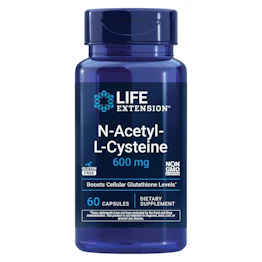
A great NAC supplement starts with the right dose. Life Extension delivers a research-backed 600mg of NAC.
The right dose is just the beginning. Life Extension manufactures its NAC in cGMP-compliant facilities, third-party tests it for purity and potency, and backs it with a 365-day money-back guarantee. Subscribers also receive free shipping. You can find this product in various online markets like iHerb, Walmart, and Amazon. Occasionally you can find the best price on Amazon, but buying direct unlocks the impressive money-back guarantee.
Jump to:
Why you should trust us
At Innerbody Research, we extensively test each health service and product we review, including NAC supplements. As part of this update, our team reviewed more than 120 scholarly journal articles examining NAC, antioxidant support, fertility, respiratory health, healthy aging, and other areas of ongoing research.
We also ordered these products ourselves. That allows us to evaluate the customer experience firsthand, including shipping, packaging, customer support, capsule size, powder taste, and overall ease of use.
Additionally, like all health-related content on this website, this guide was reviewed by one or more members of our Medical Review Board for accuracy. We'll continue to monitor emerging NAC research and update our recommendations as new evidence becomes available.
Over the past two decades, Innerbody Research has helped tens of millions of readers make more informed decisions about their health and wellness.
How we evaluated NAC supplements
Identifying the best NAC supplements meant evaluating each product across the factors that matter most when choosing a supplement:
- Effectiveness
- Safety
- Cost
- Convenience
These four pillars guided our analysis.
In the sections ahead, we explain how each of our top picks performed in these areas — and where certain products stood out. All of our selections met a high standard overall; when we highlight an "advantage," it doesn't mean other products fell significantly short, only that a supplement demonstrated a distinct strength in that category.
Effectiveness
Advantage: Life Extension NAC
To evaluate effectiveness, we looked at how closely each product matched the doses and use cases found in clinical research. NAC has been studied for a wide range of goals, including respiratory health, PCOS, and fertility. Across those studies, doses vary quite a bit — often ranging from 600mg to 1,800mg per day, depending on the condition being studied.1 10 20 22
That range is one reason we like 600mg capsules for most people. They offer a research-aligned starting point without locking users into a higher dose. Someone taking NAC for respiratory health or antioxidant support may not need more than 600mg daily, while people using NAC under medical guidance for PCOS, fertility, or other targeted goals may be advised to take more.20 21
That's why Life Extension earns the advantage. It:
- Delivers 600mg of NAC per capsule, allowing users to match many common study doses with one, two, or three capsules daily
- Provides one of the lowest costs among the NAC supplements we reviewed
- Undergoes third-party testing for quality and potency
Some of our other recommendations are more specialized. Doctor's Best NAC Detox Regulators combines 600mg NAC with selenium, making it especially relevant for male fertility support, since the two have been studied together.23 And Ritual Fertility Support pairs NAC with myo-inositol and CoQ10, which may make more sense for women focused on fertility or PCOS-related concerns.24
But for most readers who want a simple, well-dosed NAC supplement that aligns with the broader research base, Life Extension is a great starting point. It's affordable, clearly labeled, easy to take, and flexible enough to fit a range of NAC goals.
Safety
Advantage: Life Extension NAC
There's still some debate surrounding NAC's long-term safety profile, which we'll discuss later in this guide.3 4 25 As a result, we favored products that make it easy for consumers to start conservatively and adjust their intake over time if needed.
Life Extension earned the advantage here because it:
- Delivers NAC in a 600mg dose that allows users to increase or decrease intake without committing to a more aggressive protocol from the start
- Is manufactured in cGMP-compliant facilities and undergoes third-party testing for quality and potency
We also appreciate the simplicity of the formula from a safety standpoint. When a supplement contains only NAC, it's easier to identify both positive effects and potential side effects. By contrast, multi-ingredient formulas can make it harder to determine which ingredient is responsible for a particular outcome.
Life Extension ultimately stood out for combining strong manufacturing standards, transparent labeling, a simple formula, and flexible dosing.
Cost
Advantage: BulkSupplements NAC Powder
NAC supplements vary widely in cost, and much of that difference comes down to format and formulation. Straightforward NAC powders tend to offer the lowest long-term cost, while specialized formulas that include ingredients like glycine, selenium, myo-inositol, or CoQ10 naturally command a higher price.
BulkSupplements earns the advantage because it provides the lowest-cost path to consistent NAC supplementation. Even before subscription discounts, its larger sizes deliver substantially more NAC per dollar than capsule-based alternatives. The tradeoff is convenience — measuring powder is less portable than taking a capsule, and some people may find NAC's sulfur-like taste unpleasant.
The cost breakdown looks like:
Costs rise noticeably once you move beyond NAC alone. Doctor's Best adds selenium and molybdenum, Ritual combines NAC with a broader fertility-support stack, and Pure Encapsulations pairs NAC with glycine based on emerging GlyNAC research. Whether those extras are worth the added cost depends largely on your goals.
For readers primarily interested in maximizing the amount of NAC they receive for their money, however, nothing in our review comes close to BulkSupplements.
Insider Tip: If you're a Prime member, it's worth checking Amazon before ordering directly from BulkSupplements. Depending on the package size, Prime shipping can reduce the overall cost of your order.
Convenience
Advantage: Life Extension NAC
When evaluating convenience, we considered factors such as serving size, subscription flexibility, shipping options, and return policies. Most NAC supplements are relatively easy to incorporate into a daily routine, so the differences often come down to the overall customer experience.
Life Extension stood out for two practical reasons:
- 365-day satisfaction guarantee: Life Extension offers one of the most generous return policies in the supplement industry, giving customers up to a full year to decide whether a product is right for them. That's particularly valuable for supplements like NAC, where benefits may take time to become noticeable depending on the reason for use.
- Flexible subscription options: Customers can schedule deliveries anywhere from every month to once per year, and Autoship orders receive free shipping. This level of flexibility makes it easier to maintain a consistent supply without accumulating unnecessary bottles or worrying about frequent reorders.
Life Extension also keeps things simple with a one-capsule serving that provides 600mg of NAC. That won't be the most convenient option for everyone, however. Ritual Fertility Support and Pure Encapsulations NAC + Glycine Powder use flavored drink mixes that may appeal to people who prefer not to swallow capsules. And while BulkSupplements NAC Powder offers exceptional value, it's an unflavored powder, meaning users must contend with NAC's naturally sulfur-like taste. For most people, taking a single capsule each day remains one of the simplest ways to supplement with NAC.
How our top NAC supplement picks compare
The chart below offers a quick reference of how our top picks compare across key factors such as dosage, formulation, testing, and refund policies.
What is NAC?
N-acetylcysteine, better known as NAC, is a supplement and medication derived from the amino acid cysteine.26 It's essentially a modified form of cysteine that was developed to improve stability and make supplementation more practical.
It has been used in medicine for decades and is best known as the FDA-approved treatment for acetaminophen overdose, where it can help prevent serious liver damage when administered promptly. NAC is also approved as a mucolytic agent, meaning it can help break up thick mucus in certain respiratory conditions.16 27
Outside of these medical uses, NAC has become a popular dietary supplement. Researchers have investigated it for a broad range of applications, including respiratory health, fertility, PCOS, healthy aging, mental health, and antioxidant support.19 28 29
What makes NAC particularly interesting is that it appears to influence several important biological systems at once, which helps explain why researchers continue to study it in so many different areas of health.
How does NAC work?
NAC is best understood as a cysteine donor. After you take it, the body can convert NAC into cysteine, an amino acid used to make glutathione — one of the body's most important antioxidant compounds.30
For years, researchers believed most of NAC's benefits stemmed from its ability to support glutathione production. More recent research suggests the story is more complicated. NAC appears to work through several overlapping mechanisms, including breaking disulfide bonds in mucus, influencing inflammatory signaling, supporting redox balance, and affecting glutamate activity in the brain.31
That helps explain why NAC has been studied across such different areas of health. In some cases, like acetaminophen overdose, the mechanism is well established. In others, the full picture is still developing.
Acetaminophen overdose and liver protection
NAC’s clearest medical use is in acetaminophen overdose. When acetaminophen is taken in toxic amounts, the liver produces a damaging metabolite called NAPQI. Normally, glutathione helps neutralize NAPQI, but in an overdose, glutathione stores can become depleted. NAC helps restore cysteine availability so the liver can rebuild glutathione and limit damage.27
Respiratory health
NAC can act as a mucolytic, meaning it helps thin or loosen thick mucus. It appears to do this partly by breaking disulfide bonds in mucus proteins, making secretions less sticky and easier to clear.30
Researchers have also studied NAC in chronic bronchitis and COPD because oxidative stress and inflammation play a role in airway irritation and flare-ups. A 2015 meta-analysis found that NAC reduced chronic bronchitis or COPD exacerbations, though later research has been mixed, including a 2024 trial in mild-to-moderate COPD that did not find a significant reduction in overall exacerbation rates with high-dose NAC.1 22
Fertility
Oxidative stress can damage sperm, eggs, and the reproductive environment, which is one reason antioxidants are often studied in fertility research. NAC may help by supporting antioxidant defenses and reducing oxidative stress, though its effects vary depending on the population and fertility issue being studied.32
In men, one randomized trial found that 600mg of NAC, selenium, or the combination improved semen parameters, with the combination producing stronger effects than either ingredient alone.23 In women undergoing assisted reproduction, NAC has also been studied for oocyte and embryo quality, though this research is still relatively early and not definitive.24
PCOS
NAC has attracted particular interest in PCOS, where insulin resistance, inflammation, and oxidative stress often overlap.17 Researchers think NAC may help by improving insulin sensitivity and reducing oxidative stress, which may, in turn, support ovulation and reproductive function.
A 2023 meta-analysis found that NAC improved some metabolic markers in women with PCOS, including fasting glucose.21 More recent research has also explored NAC alongside ovulation-induction treatments, suggesting possible benefits for endocrine and reproductive outcomes.20 While the findings are encouraging, researchers are still working to determine which women are most likely to benefit and how NAC compares with established treatments such as metformin.
Mental health
NAC’s potential role in mental health appears to involve more than antioxidant activity. Researchers believe NAC may influence glutamate signaling, partly through the cystine-glutamate exchange system. Since glutamate is one of the brain’s major excitatory neurotransmitters, this pathway has drawn interest in conditions such as obsessive-compulsive disorder (OCD), depression, bipolar disorder, and substance use disorders.11 29
The evidence is still uneven. A 2024 systematic review and meta-analysis suggested NAC may be helpful as an add-on therapy for adults with moderate-to-severe OCD, but results have not been consistent across all psychiatric conditions or studies.33 Researchers are still working to determine which patients are most likely to respond and whether NAC's benefits are large enough to produce meaningful improvements in day-to-day functioning.
Healthy aging
More recently, researchers have studied NAC in combination with glycine, a combination often called GlyNAC. The idea is that NAC provides cysteine while glycine provides another building block needed for glutathione production. In older adults, GlyNAC supplementation has been studied for effects on glutathione levels, oxidative stress, mitochondrial function, inflammation, muscle strength, and cognition.34
While the results have generated significant interest, it's not yet clear how much of the observed benefit comes from NAC itself versus the combination of NAC and glycine. Researchers are also still working to determine whether improvements in biomarkers of aging translate into meaningful long-term improvements in healthspan, physical function, or quality of life.
Are NAC supplements safe?
For most healthy adults, NAC appears to be well tolerated. Clinical studies most often report mild side effects, including nausea, vomiting, diarrhea, heartburn, gas, headache, and general digestive discomfort.27 A 2021 safety review of high-dose NAC in chronic respiratory diseases found that oral doses between 600mg and 3,000mg daily were generally well tolerated, with gastrointestinal symptoms reported but not consistently more often than placebo.35
That doesn’t mean NAC is risk-free. People taking medications, managing chronic conditions, or undergoing medical treatment should speak with a healthcare provider before adding NAC. This is especially important for people with active cancer, a history of cancer, or anyone receiving cancer treatment, since NAC’s relationship with cancer biology is complicated.
Does NAC cause cancer?
There’s no evidence from human clinical trials that NAC causes cancer. But NAC’s antioxidant activity has raised questions about how it might behave in people who already have cancer or cancer-prone cells.
Here’s why the topic is complicated: reactive oxygen species (ROS) are often described as harmful molecules that damage cells and DNA.36 In many cases, that’s true. Excessive oxidative stress can contribute to inflammation, aging-related damage, and disease. But ROS also play useful roles in the body, including helping regulate cell signaling and, in some cases, contributing to cancer cell death.37 38
That means antioxidants can cut both ways. In some cancer contexts, lowering oxidative stress may be beneficial. For example, a 2021 review discussed possible ways NAC could help counter ROS-related survival, metastasis, and drug-resistance pathways in triple-negative breast cancer.39 And in a small uncontrolled pilot study involving women with breast cancer, NAC supplementation was associated with reduced markers of tumor cell proliferation.40
But animal research has found concerning effects in other contexts. A 2014 mouse study found that NAC and vitamin E accelerated lung tumor progression and reduced survival.41 A 2015 melanoma mouse study found that NAC increased lymph node metastases in mice with malignant melanoma.42 A 2019 mouse study reported that NAC protected against emphysema-related lung damage but also induced lung adenocarcinoma in some mice.43 And a 2021 hepatocellular carcinoma study found that antioxidant supplements including NAC promoted tumor formation, growth, and drug resistance in experimental models by reducing intracellular ROS.3
Newer human data add another layer of complexity. A 2025 nationwide cohort study of more than 91,000 matched COPD patients found that long-term NAC use was associated with a lower overall cancer risk compared with non-NAC mucolytic use. The study reported lower risks for several cancers, including hepatocellular, colorectal, breast, and prostate cancers, though it did not find a significant reduction in lung cancer risk.25
So the honest answer is this: current human evidence does not show that NAC causes cancer, but animal and mechanistic research suggests NAC could behave differently depending on cancer type, disease stage, dose, and treatment context. For healthy adults, this is not a reason to panic. But for people with active cancer, a prior cancer diagnosis, or ongoing cancer treatment, NAC is something to discuss with an oncologist or healthcare provider before use.
NAC dosage
Clinical studies on NAC have typically used doses ranging from 600mg to 1,800mg daily, depending on the condition being studied.1 30 Respiratory health studies often use doses around 600mg, while research involving PCOS, fertility, and certain mental health conditions may use higher amounts.21 23 33
For most people, we think 600mg is the best place to start. It's one of the most commonly studied doses, it's generally well tolerated, and it provides flexibility to increase intake later if a higher amount is appropriate.1 35
That flexibility is particularly valuable given the uncertainties surrounding NAC and cancer biology discussed above. In one melanoma study, mice exposed to higher NAC doses experienced greater metastatic activity than those given lower doses, suggesting the effect may be dose-dependent in certain experimental settings.42 Researchers have not established whether these findings apply to humans, but starting with a moderate dose offers a more conservative approach while still aligning with a large portion of the clinical literature.
For that reason, we generally favored products that provide 600mg per serving. This dose aligns with a large portion of the clinical literature, allows users to match many common study protocols, and makes it easier to increase intake gradually if a higher dose is warranted. Depending on the product and the guidance of a healthcare provider, readers can easily scale from one capsule daily to two or three capsules if their goals or circumstances call for a higher intake.
Who is NAC for?
NAC has been studied across a surprisingly wide range of health applications, but the strongest interest tends to come from people seeking support for respiratory health, fertility, PCOS, healthy aging, or certain aspects of mental health. While the evidence varies by use case, the following groups are among the most likely to consider NAC supplementation.
People seeking respiratory support
NAC's longest history of use outside the hospital setting is in respiratory health. Because it can help thin and loosen mucus while also influencing oxidative stress and inflammation, it has been studied extensively in chronic bronchitis and COPD.1 12 A 2015 meta-analysis found that NAC reduced exacerbations in people with chronic bronchitis and COPD, though more recent research suggests benefits may vary depending on the patient population and dose used.1 22
Women with PCOS or insulin-resistance concerns
NAC has become one of the more widely studied supplements for PCOS. Researchers believe its potential benefits may stem from effects on oxidative stress, inflammation, and insulin sensitivity.13 Recent meta-analyses have reported improvements in several metabolic markers, while newer clinical studies suggest NAC may also support ovulation-induction outcomes in some women.20 21
People seeking fertility support
Oxidative stress can affect both male and female fertility, which has led researchers to investigate NAC in several reproductive settings.32 In men, NAC combined with selenium has been shown to improve certain semen parameters.23 In women, NAC has been studied alongside IVF and other fertility interventions, with some research suggesting possible benefits for reproductive outcomes.24
Adults interested in healthy aging
Interest in NAC has also expanded into healthy-aging research because of its role in glutathione production. More recently, researchers have studied NAC in combination with glycine as a strategy for addressing age-related declines in glutathione, mitochondrial function, and cellular resilience.34 While researchers continue to evaluate the long-term implications of these findings, healthy aging remains one of the most active areas of NAC research.
People interested in mental health support
Researchers have investigated NAC for conditions including obsessive-compulsive disorder (OCD), depression, bipolar disorder, and substance use disorders.11 29 A 2024 meta-analysis found evidence that NAC may be a useful adjunctive therapy for adults with moderate-to-severe OCD, though benefits have not been consistently observed across all psychiatric conditions.33
Who is it not for?
For most healthy adults, NAC appears to be well tolerated. However, there are certain situations where supplementation may warrant additional caution or a conversation with a healthcare provider before use.
People with active cancer or undergoing cancer treatment
As discussed previously, NAC's relationship with cancer remains complex. While some studies suggest NAC may have beneficial effects in certain cancer settings, animal research has also found that NAC can accelerate tumor growth or metastasis under specific conditions.3 41 42 43 Current human evidence does not show that NAC causes cancer, but people with active cancer, a history of cancer, or those undergoing cancer treatment should discuss supplementation with their oncologist or healthcare provider before use.
People who are pregnant or breastfeeding
People taking prescription medications
NAC may interact with certain medications, including nitroglycerin and other nitrate-containing drugs, potentially increasing the risk of headaches, dizziness, and low blood pressure.26 Because NAC is also being studied alongside treatments for respiratory disease, mental health conditions, fertility, and other medical concerns, it's a good idea to review any supplements with your healthcare provider before adding them to your routine.
People looking for a hangover cure
NAC is frequently marketed in hangover supplements, largely because of its role in glutathione production and its FDA-approved use in acetaminophen overdose. However, those facts don't necessarily translate into hangover prevention. While researchers continue to study NAC's effects on alcohol-related oxidative stress, current evidence doesn't support viewing NAC as a reliable way to prevent or cure a hangover.44
Life Extension
Best overall

Photo by Innerbody Research
Pros
- 600mg dose aligns with many clinical studies
- Affordable price
- Free shipping with auto-ship program
- 365-day money-back guarantee
- Manufactured in cGMP-compliant facilities
- Third-party tested
Cons
- No additional active ingredients for fertility or PCOS
- Smaller bottle than some competitors (only 60 servings)
Life Extension is one of the most established supplement companies in the industry and has built a reputation around providing research-backed formulations at accessible prices. Its products are manufactured in cGMP-compliant facilities and undergo third-party testing for purity and potency.
Each capsule delivers 600mg of N-acetylcysteine (NAC), a dose that appears throughout the clinical literature and provides flexibility for a range of supplementation goals. Studies involving respiratory health, fertility, PCOS, and antioxidant support have all used daily doses in the 600mg range, while other research has tested higher amounts such as 1,200mg or more, depending on the condition being studied.1 14 15 21
That flexibility is one reason we favored 600mg capsules when evaluating NAC supplements. The dose is high enough to align with many common study protocols, while still allowing users to increase intake if appropriate. Someone supplementing under medical guidance for PCOS, fertility, or other targeted goals can easily scale from one capsule daily to two or more capsules without switching products.
Pricing, subscriptions, and shipping
Here's how Life Extension NAC breaks down on cost for a 60-capsule bottle:
| Price | Cost per dose | Shipping | |
|---|---|---|---|
| One-time purchase | $11.25 | $0.19 | $5.50 |
| Autoship | $10 | $0.17 | Free |
Life Extension is one of the most affordable capsule-based NAC supplements we reviewed. Subscribers receive a discount and free shipping, while one-time orders qualify for free shipping once they reach the company's minimum order threshold.
We also appreciate the flexibility of Life Extension's subscription program. Customers can schedule deliveries every 1, 2, 3, 4, 6, 9, 10, 11, or 12 months and can modify or cancel their subscription at any time. Few companies in this guide offer as many delivery interval options.
Refunds and guarantees
Life Extension offers one of the most generous return policies in the supplement industry: a 365-day money-back guarantee that applies even to opened bottles.
For perspective, Doctor's Best — the next closest competitor in this guide — offers a 60-day money-back guarantee. That gives customers an unusually long opportunity to evaluate the product under real-world conditions before deciding whether to continue supplementing.
BulkSupplements NAC Powder
Best budget pick

Photo by Innerbody Research
Pros
- Lowest per-serving cost in this guide
- Flexible dosing
- Available in multiple bag sizes
- Third-party tested
- Manufactured in an NSF-certified, FDA-registered, cGMP-compliant facility
- Subscription discounts available
Cons
- Powder must be measured manually (no scoop included)
- Sour taste may not appeal to everyone
- Shipping costs $9.95 on orders under $59
- Return policy is limited
BulkSupplements has built much of its reputation around minimalist formulations and aggressive pricing, making its NAC Powder a natural choice for our budget pick. Rather than packaging NAC into capsules or combining it with additional ingredients, BulkSupplements offers pure NAC powder that allows consumers to control their own serving size.
That flexibility is one of the product's strengths. Research has used NAC doses ranging from roughly 600mg to 1,800mg daily, depending on the condition being studied. While capsule products require multiple capsules to reach higher amounts, BulkSupplements allows users to measure exactly the amount they want, whether that's a conservative 600mg serving or a larger dose used in certain PCOS, fertility, or mental-health studies.1 14 15 21
Taste and mixability
NAC powder dissolves surprisingly well in water, but few people would describe it as delicious. During testing, we found the flavor noticeably sour — somewhat reminiscent of vitamin C powder, though stronger and accompanied by NAC's characteristic sulfur-like aroma.
The taste wasn't unpleasant enough to prevent use, but it was obvious why products like Ritual Fertility Support and Pure Encapsulations NAC + Glycine Powder include flavoring systems. Most people will probably prefer mixing NAC into juice, a flavored beverage, or a smoothie rather than drinking it in plain water.
Pricing, subscriptions, and shipping
BulkSupplements offers one of the widest ranges of package sizes in this guide. Subscription purchases receive an additional 10% discount, and customers can schedule deliveries every one to six months.
That breaks down as follows:
As you can see from the chart above, when the package size increases, the cost per gram drops dramatically. The 250g bag already delivers substantially better value than the 100g option, while the 500g and 1kg sizes are among the least expensive ways to maintain a long-term NAC regimen.
To put that into perspective, a 1kg bag provides roughly 1,667 servings at 600mg daily or about 833 servings at 1,200mg daily. That's enough NAC to last years for many users. The bag we purchased carried a best-by date of March 31, 2029, suggesting that larger purchases can remain practical for long-term use when stored properly.
Shipping is free on orders over $59. Orders below that threshold incur a flat $9.95 shipping fee. However, many BulkSupplements products are also available through Amazon, where Prime members may be able to avoid shipping costs entirely.
Refunds and guarantees
BulkSupplements offers a 30-day return window, but its policy is less generous than those of several competitors in this guide. Opened products may qualify for only a partial refund, and that refund is capped at the value of the smallest available package size rather than the size actually purchased.
In practice, that means someone who purchases a 1kg bag and opens it may receive a refund closer to the value of the 100g size rather than the full purchase price.
By comparison, several competitors offer true money-back guarantees. Doctor's Best provides a 60-day satisfaction guarantee, while Ritual allows customers to request a refund within 30 days of their first order. Those policies give customers significantly more flexibility to try a product and decide whether it's a good fit.
For budget-conscious shoppers and those who know they want a long-term NAC supply, that trade-off may still be worth making.
Doctor’s Best NAC Detox Regulators
Best for male fertility support
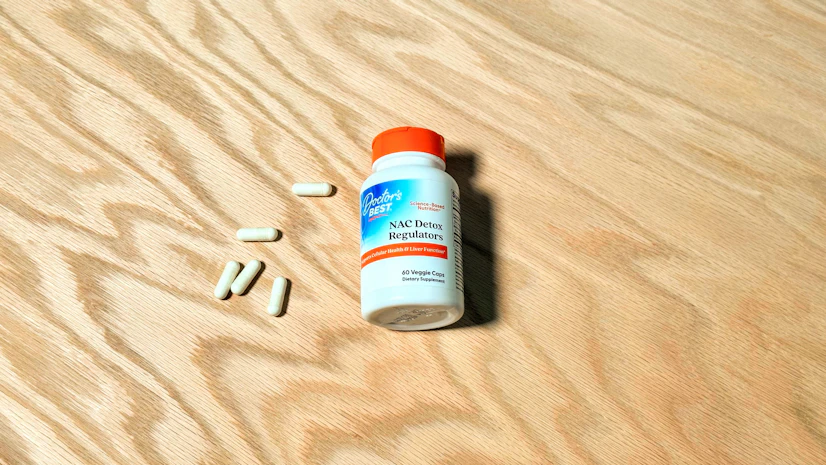
Photo by Innerbody Research
Pros
- Provides 600mg of NAC per serving
- Includes selenium, which has direct relevance to sperm health
- Uses a dose of NAC and selenium similar to research in infertile men
- Third-party tested
- Manufactured in cGMP-certified facilities
- 60-day satisfaction guarantee
Cons
- Molybdenum's role in the formula is supported by limited clinical evidence
- Free shipping only on orders over $30
Doctor's Best has been making science-focused supplements since 1990 and is headquartered in Tustin, California. Its products are manufactured in cGMP-certified facilities and undergo third-party testing for quality and purity.
At first glance, NAC Detox Regulators looks like another "detox" supplement. But after reviewing the formula and the available research, we think its strongest use case may actually be male fertility support.
One reason researchers became interested in NAC for fertility is its ability to help regulate oxidative stress. Sperm cells are particularly vulnerable to oxidative damage because their membranes contain high concentrations of polyunsaturated fats and relatively limited antioxidant defenses. Excess oxidative stress has been associated with reduced sperm motility, DNA damage, and poorer semen quality.32
More importantly, NAC's fertility potential isn't based solely on theory. In a double-blind, placebo-controlled study involving infertile men, researchers found that a daily 600mg dose of NAC improved several semen parameters, including sperm motility, while also improving markers related to oxidative stress and reproductive hormones.23 That's particularly noteworthy because Doctor's Best provides the same 600mg dose used in that study.
The formula also includes two supporting minerals:
Selenium: 50mcg
Selenium is the standout supporting ingredient and one of the main reasons we think this product deserves consideration for male fertility support. Sperm cells rely heavily on antioxidant defenses to protect themselves from oxidative damage, and selenium plays a central role in that process through enzymes such as glutathione peroxidase 4 (GPx4), which helps support normal sperm development and motility.45
Just as importantly, selenium has been studied alongside NAC in human clinical research. In the same infertility study discussed above, researchers tested NAC alone, selenium alone, and the combination of both ingredients. The combination produced greater improvements in several fertility-related measures than either ingredient on its own, suggesting the two compounds may work particularly well together.23
Doctor's Best provides 50mcg of selenium — slightly below the adult RDA of 55mcg and well below the tolerable upper intake level of 400mcg.46 While it's lower than the 200mcg used in the fertility study, it still provides meaningful nutritional support without pushing intake toward levels where selenium toxicity becomes a concern.
Molybdenum: 50mcg
Molybdenum plays more of a supporting role in the formula. It's a trace mineral involved in several enzyme systems that help process sulfur-containing compounds, including sulfites.47 Because NAC itself is a sulfur-containing molecule, there's a reasonable biological rationale for pairing the two ingredients.
The evidence supporting molybdenum is less direct than it is for selenium, however. While selenium has been evaluated alongside NAC in human clinical trials, molybdenum's inclusion is supported primarily by its role in sulfur metabolism and antioxidant systems rather than by research on this specific combination.48
Pricing, subscriptions, and shipping
Doctor's Best is one of the most affordable capsule-based NAC supplements in this guide. Life Extension remains slightly less expensive overall, but the difference is modest, and Doctor's Best includes selenium and molybdenum alongside its NAC. The Subscribe & Save program reduces the bottle price by an additional $0.50 (about 5%).
Here's how the cost breaks down for a 60-serving bottle:
| Price | Cost per serving | Shipping | |
|---|---|---|---|
| One-time purchase | $9.99 | $0.17 | $5; free over $30 |
| Autoship & Save | $9.49 | $0.16 | $5; free over $30 |
Shipping costs $5 on orders under $30 and is free on purchases above that threshold. Since a single bottle costs less than $10, customers purchasing only one bottle will generally need to pay shipping unless they're combining it with other products.
Refunds and guarantees
Doctor's Best backs NAC Detox Regulators with a 60-day money-back guarantee, giving customers about two months to decide whether the product is a good fit. That's longer than the 30-day guarantee offered by Ritual Fertility Support, though not nearly as extensive as Life Extension's industry-leading 365-day return policy.
For most people, 60 days should provide plenty of time to try the product and determine whether it belongs in their routine.
Ritual Fertility Support
Best for female fertility support
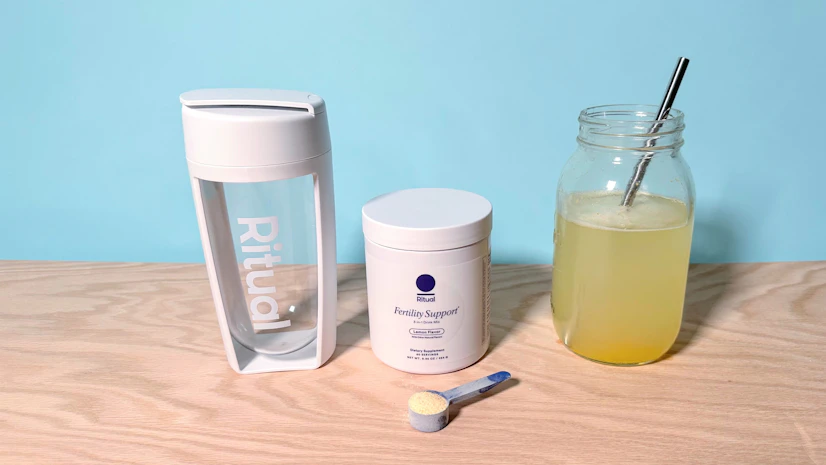
Photo by Innerbody Research
Pros
- Built around ingredients commonly studied in fertility research
- Delivers a research-aligned 600mg dose of NAC
- Large 50% subscription discount on first order
- Naturally sweetened with stevia instead of sugar
- Free shipping on all orders
- Third-party tested
Cons
- Most expensive product in this guide
- CoQ10 dose is lower than many fertility-specific study protocols
- Tart flavor may not appeal to everyone
Ritual built its brand around transparent, traceable supplement formulas, beginning with its Essential for Women multivitamin and expanding into products for prenatal health, gut health, sleep, protein, and fertility. The company is perhaps best known for its emphasis on transparency. Through its Made Traceable program, Ritual provides detailed information about ingredient sourcing, testing, and formulation decisions.
As the name suggests, Ritual Fertility Support is built specifically for people seeking fertility support, combining 600mg of NAC with myo-inositol and CoQ10 in a flavored drink mix. That 600mg NAC dose is meaningful. NAC has been studied in women with PCOS, unexplained infertility, and other fertility-related settings, with research suggesting potential benefits for ovulation, pregnancy-related outcomes, oxidative stress, and metabolic markers.14 20 21 24 Several of these studies used doses between 600mg and 1,800mg daily, placing Ritual's NAC content at the lower end of the clinically studied range.
But Ritual's real value is that it pairs NAC with two other ingredients commonly discussed in reproductive health research:
Myo-inositol: 2,000mg
Myo-inositol plays an important role in cellular signaling, ovarian function, and insulin regulation, making it one of the most extensively studied supplements in female reproductive health.50 51 While much of that research has focused on women with PCOS, myo-inositol has also been investigated for ovulation support, egg quality, and fertility outcomes in broader reproductive-health settings.49
Clinical reviews suggest myo-inositol may improve ovulation, menstrual regularity, and certain metabolic markers, though results vary by population and outcome measured.52 Ritual provides 2,000mg per serving, which aligns with commonly studied dosing, though some fertility protocols use 4,000mg daily, often divided into two doses.
CoQ10: 100mg
CoQ10 supports mitochondrial energy production, which is one reason it appears so often in egg-quality and assisted reproduction research. Egg cells are highly energy-dependent, and mitochondrial function appears to become increasingly important as women age. Researchers have therefore investigated whether CoQ10 supplementation can help support oocyte quality and reproductive outcomes.53 54
Systematic reviews suggest CoQ10 may improve certain outcomes in women undergoing assisted reproductive technology, including clinical pregnancy rates in some analyses.55 56 Ritual's 100mg dose is lower than many fertility studies, which often use 200–600mg daily, but it still adds a relevant mitochondrial-support ingredient to the formula.
One tradeoff here is flexibility. Some fertility and PCOS protocols use 4,000mg of myo-inositol daily, often divided into two doses.21 Reaching that level with Ritual would require doubling the serving size, which would also increase NAC from 600mg to 1,200mg and CoQ10 from 100mg to 200mg.
Those amounts remain within ranges commonly studied in fertility research, but they also remove the ability to adjust each ingredient independently. For people who want a simple all-in-one formula, that may not matter. For those working with a fertility specialist or following a more targeted protocol, separate supplements may provide greater control over dosing.
Taste and mixability
Ritual Fertility Support comes as a flavored drink mix rather than a capsule or unflavored powder. If you're choosing a powdered supplement, flavoring is a welcome addition because NAC has a notoriously challenging taste and smell. On its own, NAC is intensely sour with a distinct sulfur note that many people find unpleasant.
Ritual does a good job masking those characteristics. The lemonade flavor is still tart, but the combination of natural flavors and stevia helps soften NAC's sharper edges. During testing, our team found the drink noticeably more pleasant than plain NAC powder, with a flavor profile that reminded us of a lightly sweetened lemonade rather than a typical supplement beverage.
The tradeoff is that the powder doesn't dissolve instantly. Our testers found that it required a fair amount of stirring or shaking to fully incorporate, and some sediment tended to settle at the bottom of the glass if left sitting for several minutes. A quick stir before finishing the drink largely solved the problem, but it's something to keep in mind if you're accustomed to highly soluble powdered supplements.
Pricing, subscriptions, and shipping
Ritual Fertility Support is one of the most expensive products in this guide, reflecting the fact that it combines NAC with myo-inositol and CoQ10 rather than providing NAC alone.
At the time of writing, a one-time purchase costs $112.50 plus $10.99 shipping. New subscribers receive a substantial introductory discount, bringing the first shipment down to $49.50. After that initial order, the subscription renews at $99.00 per shipment.
Here's how the pricing breaks down:
| Price | Cost per serving | Shipping | |
|---|---|---|---|
| One-time purchase | $112.50 | $1.88 | $10.99 |
| First subscription order | $49.50 | $0.83 | Free |
| Recurring subscription orders | $99.00 | $1.65 | Free |
The introductory subscription discount makes Ritual much more competitive initially, but long-term customers should expect to pay closer to the regular subscription price after the first shipment. Even at $99 per refill, the product remains substantially more expensive than standalone NAC supplements such as Life Extension, Doctor's Best, or BulkSupplements. That premium is really paying for convenience.
Rather than purchasing NAC, myo-inositol, and CoQ10 separately, Ritual combines all three into a single daily serving, so there's no need to juggle multiple bottles or remember separate doses. If that's worth it to you, Ritual makes a compelling case. But if you're primarily looking for value, you can build a comparable stack for around $30 for a 60-day supply, while also gaining the flexibility to adjust each ingredient independently. If you'd like to compare those options, check out our guides to the best inositol supplements and best CoQ10 supplements.
Refunds and guarantees
Ritual offers a 30-day money-back guarantee. While that return window is shorter than Doctor's Best's 60-day policy and Life Extension's 365-day guarantee, it should provide enough time to evaluate the product's taste, tolerability, and overall fit within a fertility-support routine. Because Fertility Support is a flavored drink mix rather than a capsule, that trial period also gives users an opportunity to determine whether the format fits comfortably into their daily routine.
Pure Encapsulations NAC + Glycine Powder
Best for anti-aging support

Photo by Innerbody Research
Pros
- Provides NAC and glycine in amounts similar to those used in healthy-aging studies
- Pineapple flavor masks NAC's sour, sulfur-like taste well
- Uses stevia for sweetness without added sugar
- Free shipping on one-time and subscription orders
- Manufactured in cGMP-compliant facilities and tested for identity, potency, and contaminants
Cons
- 1,800mg NAC dose is higher than the 600mg starting dose we generally favor
- One of the most expensive NAC supplements in this guide
- Only 30 servings per container
- Return policy only applies to unopened and unused products, and a restocking fee may apply
Founded in 1991, Pure Encapsulations has built a reputation around simple, hypoallergenic formulas and rigorous quality standards. Its products are manufactured in cGMP-compliant facilities and undergo testing for identity, potency, and contaminants such as heavy metals and microbes.
Pure Encapsulations takes a slightly different approach than the other products in this guide by pairing NAC with glycine, an amino acid found naturally in protein-rich foods. The reason is straightforward: glutathione, one of the body's most important antioxidant compounds, is made from several amino acids, including cysteine and glycine. NAC serves as a source of cysteine, while glycine supplies another key building block needed for glutathione production.26 60
Each serving provides:
- NAC: 1,800mg
- Glycine: 1,800mg
Together, these ingredients are often referred to as GlyNAC in the scientific literature. Researchers became interested in the combination after observing that glutathione levels tend to decline with age while oxidative stress, inflammation, and mitochondrial dysfunction increase.59 The idea is that providing both cysteine and glycine may help the body rebuild glutathione more efficiently than either nutrient alone.
That theory has produced some encouraging early results. In a randomized clinical trial involving older adults, GlyNAC supplementation improved glutathione status while also improving markers of oxidative stress, inflammation, mitochondrial function, muscle strength, and walking speed.57 58 Additional studies have reported improvements in several other measures associated with healthy aging, though the overall body of evidence remains relatively small compared with more established uses of NAC.34
Pure Encapsulations delivers 1,800mg each of NAC and glycine per serving, making it one of the highest-dosed products in this guide. While that's substantially higher than the 600mg starting dose we generally favor for people new to NAC, it reflects the GlyNAC protocols studied in healthy-aging research.34 57 58 Some readers may prefer to start with a smaller serving for tolerability, but the clinical research on GlyNAC has generally evaluated gram-level doses of both ingredients, so it's unclear whether substantially lower amounts would provide the same benefits. For people specifically interested in the GlyNAC approach, it offers a convenient way to obtain both ingredients in a single formula rather than purchasing them separately.
Taste and mixability
Pure Encapsulations GlyNAC was one of the more pleasant powdered NAC supplements our team tested. Like Ritual Fertility Support, it uses stevia instead of added sugar, and the pineapple flavor does an excellent job masking NAC's naturally sour and sulfur-like taste.
During testing, our team found the drink easy to consume, with a flavor profile closer to a lightly sweetened pineapple beverage. While we wouldn't go so far as to call it delicious, most people shouldn't have much trouble incorporating it into a daily routine.
The powder also dissolved relatively easily in water. A quick stir or shake was generally sufficient to disperse the powder, and we noticed far less sediment settling at the bottom of the glass than with some other powdered supplements we've tested, including Ritual.
Overall, Pure Encapsulations did a nice job balancing taste and convenience, making a relatively high-dose GlyNAC formula easier to take consistently.
Pricing, subscriptions, and shipping
Pure Encapsulations GlyNAC sits toward the premium end of the NAC market, though not as high as Ritual. That higher cost reflects the fact that it combines a relatively high dose of NAC with an equal dose of glycine.
Here's how the pricing breaks down for a 30-serving container:
| Price | Cost per serving | Shipping | |
|---|---|---|---|
| One-time purchase | $38.00 | $1.27 | Free |
| Subscription (10% off) | $34.20 | $1.14 | Free |
Pure Encapsulations offers subscription deliveries every 1-4 months and applies a 10% discount to recurring orders. While it costs more per serving than standalone NAC capsules, each serving provides 1,800mg of NAC and 1,800mg of glycine, making it a more substantial formula than most products in this guide.
For shoppers specifically interested in GlyNAC supplementation, the higher per-serving cost may be easier to justify because it eliminates the need to purchase NAC and glycine separately.
Refunds and guarantees
Pure Encapsulations offers a 30-day return policy, but it's considerably more restrictive than the guarantees offered by some competitors in this guide.
Only unopened and unused products are eligible for return, requests must generally be made within 30 days of purchase, and a restocking fee may apply. Unlike Life Extension, Doctor's Best, and several other brands featured here, Pure Encapsulations does not offer a broad money-back guarantee on opened products. Considering this is a flavored drink rather than a capsule, that's something to keep in mind if you're unsure whether you'll enjoy the taste.
Alternatives to NAC supplements
If NAC doesn't quite fit your goals — or if you're interested in supporting antioxidant defenses through a different approach — there are several supplements and dietary strategies worth considering.
Supplements
Glutathione
Glutathione is one of the most direct alternatives to NAC because NAC is often taken specifically to increase glutathione levels.10 Rather than supplying a precursor, glutathione supplements provide the antioxidant itself.
Human research suggests glutathione supplementation may improve glutathione status and support antioxidant defenses, though questions remain regarding the relative absorption of different formulations.60 61 62 Liposomal products have become particularly popular because they may improve bioavailability.63
For a deeper dive into the science and our favorite products, see our guide to the best glutathione supplements.
Alpha-Lipoic Acid (ALA)
Alpha-lipoic acid is among the most extensively studied antioxidant supplements available. Unlike many antioxidants that function primarily in either water- or fat-based environments, ALA works in both, allowing it to support antioxidant activity throughout the body.64
Research has also found that ALA may help regenerate other antioxidants, including vitamins C and E. Clinical studies have investigated ALA for oxidative stress, metabolic health, and diabetic neuropathy, making it one of the most versatile alternatives to NAC.65 66 67
Our guide to the best alpha-lipoic acid supplements takes a closer look at the evidence and our top recommendations.
CoQ10
Coenzyme Q10 (CoQ10) supports cellular energy production while also functioning as an antioxidant. Because it plays a central role in mitochondrial function, CoQ10 has been studied for cardiovascular health, fertility, exercise performance, and healthy aging.8 9 53 68
Those interested in supporting energy production at the cellular level may find CoQ10 a compelling alternative or companion to NAC.
You can learn more about the research and compare our favorite options in our roundup of the best CoQ10 supplements.
Sulforaphane
Sulforaphane, a compound found in broccoli sprouts and other cruciferous vegetables, takes a different approach than traditional antioxidants. Rather than acting as an antioxidant itself, sulforaphane activates a cellular pathway known as Nrf2, which helps regulate the body's own antioxidant and detoxification systems.7
This mechanism has attracted growing interest among longevity researchers because it encourages the body to produce more of its own protective enzymes rather than simply supplying additional antioxidant compounds.
Diet
While NAC itself is not naturally present in meaningful amounts in food, it is derived from the amino acid cysteine.30 Consuming adequate protein helps provide the building blocks your body uses to produce glutathione and support its natural antioxidant defenses.6
Foods rich in cysteine include:5
- Poultry
- Eggs
- Beef and pork
- Fish and seafood
- Dairy products
- Beans and lentils
- Soy foods
Although dietary cysteine is not a direct replacement for NAC supplementation, maintaining adequate protein intake can help support many of the same biological pathways that make NAC an area of interest for researchers.
NAC supplement FAQ
Sources
Innerbody uses only high-quality sources, including peer-reviewed studies, to support the facts within our articles. Read our editorial process to learn more about how we fact-check and keep our content accurate, reliable, and trustworthy.
Cazzola, M., Calzetta, L., Page, C., Jardim, J., Chuchalin, A.G., Rogliani, P., Matera, M.G. (2015). Influence of N-acetylcysteine on chronic bronchitis or COPD exacerbations: a meta-analysis. European Respiratory Review. 24: 451-461.
Zhitkovich, A. (2019). N-Acetylcysteine: Antioxidant, Aldehyde Scavenger, and More. Chemical Research in Toxicology. 32 (7), 1318-1319.
Zhang, V.X., Sze, K.M-F., Chan, L-K., Ho, D.W-H., Tsui, Y-M., Chiu, Y-T., Husain, A., Huang, H., Tian, L., Wong, C.C-L., Ng, I.O-L. (2021). Antioxidant supplements promote tumor formation and growth and confer drug resistance in hepatocellular carcinoma by reducing intracellular ROS and induction of TMBIM1. Cell & Bioscience. 11, 217.
Tenório, S., Graciliano, N. G., Moura, F. A., & Fonseca Goulart, M. O. (2021). N-Acetylcysteine (NAC): Impacts on Human Health. Antioxidants, 10(6).
Nimni, M. E., Han, B., & Cordoba, F. (2007). Are we getting enough sulfur in our diet? Nutrition & Metabolism, 4(1), 24.
Minich DM, Brown BI. A Review of Dietary (Phyto)Nutrients for Glutathione Support. Nutrients. 2019;11(9):2073.
Mahn A, Castillo A. Potential of Sulforaphane as a Natural Immune System Enhancer: A Review. Molecules. 2021;26(3):752.
Aaseth, J., Alexander, J., & Alehagen, U. (2021). Coenzyme Q10 supplementation – In ageing and disease. Mechanisms of Ageing and Development, 197, 111521.
Patiño-Cardona, S., Garrido-Miguel, M., Pascual-Morena, C., Berlanga-Macías, C., Lucerón-Lucas-Torres, M., Alfaro-González, S., & Martínez-García, I. (2024). Effect of Coenzyme Q10 Supplementation on Lipid and Glycaemic Profiles: An Umbrella Review. Journal of Cardiovascular Development and Disease, 11(12), 377.
Mokhtari, V., Afsharian, P., Shahhoseini, M., Kalantar, S. M., & Moini, A. (2017). A Review on Various Uses of N-Acetyl Cysteine. Cell Journal (Yakhteh), 19(1), 11-17.
Dean, O., Giorlando, F., & Berk, M. (2011). N-acetylcysteine in psychiatry: Current therapeutic evidence and potential mechanisms of action. Journal of Psychiatry & Neuroscience: JPN, 36(2), 78-86.
Sadowska, A. M., Verbraecken, J., Darquennes, K., & Backer, W. D. (2006). Role of N-acetylcysteine in the management of COPD. International Journal of Chronic Obstructive Pulmonary Disease, 1(4), 425-434.
Lasram, M. M., Dhouib, I. B., Annabi, A., El Fazaa, S., & Gharbi, N. (2015). A review on the possible molecular mechanism of action of N-acetylcysteine against insulin resistance and type-2 diabetes development. Clinical Biochemistry, 48(16-17), 1200-1208.
Bedaiwy, M.A., Al Inany, A.R., Falcone, T. (2004, September). N-acetyl cystein improves pregnancy rate in long standing unexplained infertility: A novel mechanism of ovulation induction. Fertility and Sterility, 82(2), S228.
Thakker, D., Raval, A., Patel, I., & Walia, R. (2014). N-Acetylcysteine for Polycystic Ovary Syndrome: A Systematic Review and Meta-Analysis of Randomized Controlled Clinical Trials. Obstetrics and Gynecology International, 2015.
Shi, Z., & Puyo, C. A. (2019). N-Acetylcysteine to Combat COVID-19: An Evidence Review. Therapeutics and Clinical Risk Management, 16, 1047-1055.
Mohammad, M. B., & Seghinsara, A. M. (2016). Polycystic Ovary Syndrome (PCOS), Diagnostic Criteria, and AMH. Asian Pacific Journal of Cancer Prevention: APJCP, 18(1), 17-21.
Patriarca, S., Furfaro, A. L., Domenicotti, C., Odetti, P., Cottalasso, D., Marinari, U. M., Pronzato, M. A., & Traverso, N. (2005). Supplementation with N-acetylcysteine and taurine failed to restore glutathione content in liver of streptozotocin-induced diabetics rats but protected from oxidative stress. Biochimica et Biophysica Acta, 1741(1-2), 48–54.
Ezeriņa, D., Takano, Y., Hanaoka, K., Urano, Y., & Dick, T. P. (2018). N-acetyl cysteine functions as a fast-acting antioxidant by triggering intracellular H2S and sulfane sulfur production. Cell Chemical Biology, 25(4), 447.
Fang YQ, Ding H, Li T, Zhao XJ, Luo D, Liu Y, Li Y. N-acetylcysteine supplementation improves endocrine-metabolism profiles and ovulation induction efficacy in polycystic ovary syndrome. Journal of Ovarian Research. 2024;17:205.
Liu J, Su H, Jin X, Wang L, Huang J. The effects of N-acetylcysteine supplement on metabolic parameters in women with polycystic ovary syndrome: a systematic review and meta-analysis. Frontiers in Nutrition. 2023;10:1209614.
Zhou Y, Wu F, Shi Z, Cao J, Tian J, Yao W, et al. Effect of high-dose N-acetylcysteine on exacerbations and lung function in patients with mild-to-moderate COPD: a double-blind, parallel group, multicentre randomised clinical trial. Nature Communications. 2024;15(1):8468.
Safarinejad MR, Safarinejad S. Efficacy of selenium and/or N-acetyl-cysteine for improving semen parameters in infertile men: a double-blind, placebo controlled, randomized study. The Journal of Urology. 2009;181(2):741–751.
Li X, Wang Z, Wang H, Xu H, Sheng Y, Lian F. Role of N-acetylcysteine treatment in women with advanced age undergoing IVF/ICSI cycles: A prospective study. Frontiers in Medicine. 2022;9:917146.
Yang CC, Chen WM, Shia BC, Wu SY. Impact of long-term N-acetylcysteine use on cancer risk. American Journal of Cancer Research. 2025;15(2):618–630.
Samuni Y, Goldstein S, Dean OM, Berk M. The chemistry and biological activities of N-acetylcysteine. Biochimica et Biophysica Acta (BBA) - General Subjects. 2013;1830(8):4117-4129.
Ershad M, Naji A, Patel P, Vearrier D. N-Acetylcysteine. In: StatPearls [Internet]. Last updated February 29, 2024.
Schwalfenberg GK. N-Acetylcysteine: A Review of Clinical Usefulness (an Old Drug with New Tricks). Journal of Nutrition and Metabolism. 2021;2021:9949453.
Bradlow RCJ, Berk M, Kalivas PW, Back SE, Kanaan RA. The Potential of N-Acetyl-L-Cysteine (NAC) in the Treatment of Psychiatric Disorders. CNS Drugs. 2022;36(5):451–482. Erratum in: CNS Drugs. 2022;36(5):553.
Pedre B, Barayeu U, Ezeriņa D, Dick TP. The mechanism of action of N-acetylcysteine (NAC): The emerging role of H2S and sulfane sulfur species. Pharmacology & Therapeutics. 2021;228:107916.
Sahasrabudhe SA, Terluk MR, Kartha RV. N-acetylcysteine Pharmacology and Applications in Rare Diseases—Repurposing an Old Antioxidant. Antioxidants. 2023;12(7):1316.
Saleh R, Sallam H, Elsuity MA, Dutta S, Sengupta P, Nasr A. Antioxidant therapy for infertile couples: a comprehensive review of the current status and consideration of future prospects. Frontiers in Endocrinology. 2025;15:1503905.
Eghdami S, Eissazade N, Heidari Mokarar M, Boroon M, Orsolini L, Shalbafan M. The safety and efficacy of N-acetylcysteine as an augmentation in the treatment of obsessive-compulsive disorder in adults: a systematic review and meta-analysis of randomized clinical trials. Frontiers in Psychiatry. 2024;15:1421150.
Kumar P, Liu C, Suliburk J, Hsu JW, Muthupillai R, Jahoor F, Minard CG, Taffet GE, Sekhar RV. Supplementing Glycine and N-Acetylcysteine (GlyNAC) in Older Adults Improves Glutathione Deficiency, Oxidative Stress, Mitochondrial Dysfunction, Inflammation, Physical Function, and Aging Hallmarks: A Randomized Clinical Trial. The Journals of Gerontology: Series A. 2023;78(1):75-89.
Calverley P, Rogliani P, Papi A. Safety of N-Acetylcysteine at High Doses in Chronic Respiratory Diseases: A Review. Drug Safety. 2021;44:273–290.
Srinivas US, Tan BWQ, Vellayappan BA, Jeyasekharan AD. ROS and the DNA damage response in cancer. Redox Biology. 2019;25:101084.
Hayes JD, McMahon M. NRF2 and KEAP1 mutations: permanent activation of an adaptive response in cancer. Trends in Biochemical Sciences. 2009;34(4):176-188.
DeNicola GM, Karreth FA, Humpton TJ, Gopinathan A, Wei C, Frese K, Mangal D, Yu KH, Yeo CJ, Calhoun ES, Scrimieri F, Winter JM, Hruban RH, Iacobuzio-Donahue C, Kern SE, Blair IA, Tuveson DA. Oncogene-induced Nrf2 transcription promotes ROS detoxification and tumorigenesis. Nature. 2011;475(7354):106-109.
Kwon Y. Possible Beneficial Effects of N-Acetylcysteine for Treatment of Triple-Negative Breast Cancer. Antioxidants. 2021;10(2):169.
Monti D, Sotgia F, Whitaker-Menezes D, Tuluc M, Birbe R, Berger A, Lazar M, Cotzia P, Draganova-Tacheva R, Lin Z, Domingo-Vidal M, Newberg A, Lisanti MP, Martinez-Outschoorn U. Pilot study demonstrating metabolic and anti-proliferative effects of in vivo anti-oxidant supplementation with N-Acetylcysteine in Breast Cancer. Seminars in Oncology. 2017;44(3):226–232.
Sayin VI, Ibrahim MX, Larsson E, Nilsson JA, Lindahl P, Bergo MO. Antioxidants accelerate lung cancer progression in mice. Science Translational Medicine. 2014;6(221):221ra15.
Le Gal K, Ibrahim MX, Wiel Cl, Sayin VI, Akula MK, Karlsson C, Dalin MG, Akyürek LM, Lindahl P, Nilsson J, Bergo MO. Antioxidants can increase melanoma metastasis in mice. Science Translational Medicine. 2015;7(308):308re8.
Breau M, Houssaini A, Lipskaia L, Abid S, Born E, Marcos E, Czibik G, Attwe A, Beaulieu D, Palazzo A, Flaman JM, Bourachot B, Collin G, Tran Van Nhieu J, Bernard My, Mechta-Grigoriou F, Adnot S. The antioxidant N-acetylcysteine protects from lung emphysema but induces lung adenocarcinoma in mice. JCI Insight. 2019;4(19):e127647.
Podobnik B, Demšar L, Šarc L, Jerin A, Osredkar J, Trontelj J, Roškar R, Brvar M. N-Acetylcysteine Ineffective in Alleviating Hangover from Binge Drinking: A Clinical Study. Toxics. 2024;12(8):585.
Patel N, Mishra R, Afzal M, Pandey SN, Ali H, Singh N, Mishra R, Imran M. Selenium supplementation and male fertility: Mechanistic insights and therapeutic potential. Journal of Trace Elements in Medicine and Biology. 2026;94:127840.
Selenium. Linus Pauling Institute, Micronutrient Information Center. Oregon State University.
Molybdenum: Fact Sheet for Health Professionals. Office of Dietary Supplements, National Institutes of Health.
Chen Q, Xiao Z, Ying X, Yang Y, Chen J, Wu Z, Zeng W, Miao C, Nan Y, Huang Q, Ai K. Molybdenum-bridged endo-exogenous antioxidant synergy reverses acute kidney injury via mitochondrial homeostasis reconstruction. Bioactive Materials. 2025;54:777–796.
Zhang, J., Zhang, H., Zhou, W., Jiang, M., & Lin, X. (2025). Effect of myo-inositol supplementation in mixed ovarian response IVF cohort: a systematic review and meta-analysis. Frontiers in Endocrinology, 16, 1520362.
Chhetri, D. R. (2019). Myo-Inositol and Its Derivatives: Their Emerging Role in the Treatment of Human Diseases. Frontiers in Pharmacology, 10, 1172.
Croze, M. L., & Soulage, C. O. (2013). Potential role and therapeutic interests of myo-inositol in metabolic diseases. Biochimie, 95(10), 1811–1827.
Laganà, A. S., Garzon, S., Casarin, J., Franchi, M., & Ghezzi, F. (2018). Inositol in Polycystic Ovary Syndrome: Restoring Fertility through a Pathophysiology-Based Approach. Obstetrics and Gynecology Clinics of North America, 29(11), 768–780.
Jiang, Y., Han, Y., Qiao, P., & Ren, F. (2025). Exploring the protective effects of coenzyme Q10 on female fertility. Frontiers in Cell and Developmental Biology, 13, 1633166
Shang, Y., Song, N., He, R., & Wu, M. (2024). Antioxidants and Fertility in Women with Ovarian Aging: A Systematic Review and Meta-Analysis. Advances in Nutrition, 15(8), 100273.
Florou, P., Anagnostis, P., Theocharis, P., Chourdakis, M., & Goulis, D. G. (2020). Does coenzyme Q10 supplementation improve fertility outcomes in women undergoing assisted reproductive technology procedures? A systematic review and meta-analysis of randomized-controlled trials. Journal of Assisted Reproduction and Genetics, 37(10), 2377–2387.
Lin, G., Li, X., Jin Yie, S. L., & Xu, L. (2024). Clinical evidence of coenzyme Q10 pretreatment for women with diminished ovarian reserve undergoing IVF/ICSI: a systematic review and meta-analysis. Annals of Medicine, 56(1), 2389469.
Sekhar RV. GlyNAC Supplementation Improves Glutathione Deficiency, Oxidative Stress, Mitochondrial Dysfunction, Inflammation, Aging Hallmarks, Metabolic Defects, Muscle Strength, Cognitive Decline, and Body Composition: Implications for Healthy Aging. The Journal of Nutrition. 2021;151(12):3606-3616.
Sekhar R, Kumar P, Taffet G, Minard C, Suliburk J, Jahoor F, Liu C, Muthupillai R. GlyNAC Supplementation in Older Adults Improves Glutathione, Mitochondria, Aging Hallmarks, and Function. Innovation in Aging. 2024;8(Suppl 1):203.
Detcheverry F, Senthil S, Narayanan S, Badhwar AP. Changes in levels of the antioxidant glutathione in brain and blood across the age span of healthy adults: A systematic review. NeuroImage: Clinical. 2023;40:103503.
Pizzorno J. Glutathione! Integrative Medicine (Encinitas). 2014;13(1):8–12.
Allen, J., & Bradley, R. D. (2011). Effects of oral glutathione supplementation on systemic oxidative stress biomarkers in human volunteers. Journal of Alternative and Complementary Medicine, 17(9), 827-833.
Sinha, R., et al. (2017). Oral supplementation with liposomal glutathione elevates body stores of glutathione and markers of immune function. European Journal of Clinical Nutrition, 72(1), 105.
Richie, J. P., et al. (2015). Randomized controlled trial of oral glutathione supplementation on body stores of glutathione. European Journal of Nutrition, 54(2), 251-263.
Superti, F., & Russo, R. (2024). Alpha-Lipoic Acid: Biological Mechanisms and Health Benefits. Antioxidants (Basel), 13(10), 1228.
Jian, Z., Luo, T., Zheng, L., Wei, F., & Li, R. (2021). Effect of alpha-lipoic acid on oxidative stress parameters: A systematic review and meta-analysis. Journal of Clinical Pharmacy and Therapeutics, 46(5), 1184-1191.
Mijnhout, G. S., Kollen, B. J., Alkhalaf, A., Bravenboer, B., Feskens, E. J. M., & Bilo, H. J. G. (2012). Alpha Lipoic Acid for Symptomatic Peripheral Neuropathy in Patients with Diabetes: A Meta-Analysis of Randomized Controlled Trials. Diabetic Medicine, 29(12), 1475-1481.
Akbari, M., Larijani, B., & Sohrab, G. (2018). The effects of alpha-lipoic acid supplementation on glucose control and lipid profiles among patients with metabolic diseases: A systematic review and meta-analysis of randomized controlled trials. Journal of Diabetes & Metabolic Disorders, 17(1), 153-162.
Hernández-Camacho, J. D., Bernier, M., López-Lluch, G., & Navas, P. (2017). Coenzyme Q10 Supplementation in Aging and Disease. Frontiers in Physiology, 9.

Copyright © Innerbody Research 1997 - 2025. All Rights Reserved.