The Best Quercetin Supplement
Quercetin is often used for allergies and immune health — but which supplements are worth your time? We compare the best options.

Photo by Innerbody Research
For many people, immune and allergy symptoms aren’t limited to a few weeks in the spring. Congestion, itchy eyes, sinus pressure, and general inflammation can linger for months — sometimes year-round — especially during periods of stress, travel, or illness.1
One option that often comes up in these conversations is quercetin — a plant-based compound commonly used to support immune balance and inflammatory control.2 It’s been studied for its role in allergy symptoms, cardiovascular health, metabolism, and cellular aging — making it one of the more versatile flavonoids in nutrition research.3 4 5 6 While some claims around quercetin are overstated, there’s credible evidence that it can provide meaningful support when used consistently and appropriately.
With so many quercetin supplements available — each using different forms, doses, and combinations — knowing which ones are worth considering isn’t always obvious. This guide explains what quercetin is, how it may help, and which supplements perform best based on current research.
If you’re looking for a quick answer, here are our top picks:
Summary of recommendations
- Best for everyday health: Bestvite Quercetin
- Best for high absorption: Nootropics Depot Quercetin Phytosome
- Best quercetin with bromelain for immune support: ProHealth Longevity Quercetin Bromelain Complex
- Best senolytic formula: Qualia Senolytic

Bestvite's quercetin is hard to beat for its combination of efficient dosing, safety practices, and affordability.
Bestvite delivers a research-backed, 500mg dose of quercetin in a third-party-tested product and at the lowest cost per dose among our recommendations. You can buy it conveniently either from the company itself or on Amazon. Buying directly from Bestvite gives you a 60-day return policy, but buying via Amazon gives you the lowest price.
Jump to:
Why you should trust us
Over the past two decades, Innerbody Research has helped tens of millions of readers make informed decisions about their health and wellness.
Our team thoroughly evaluates every product and service we review — including the quercetin supplements in this guide. We examined how quercetin functions in the body and reviewed dozens of clinical studies and research reviews exploring its role in immune balance, inflammation, allergy symptoms, cardiovascular health, and related areas.
Alongside this research, we evaluated the leading quercetin supplements on the market, comparing their formulations, dosages, and quality against available scientific evidence. We also purchased and reviewed several of the most promising supplements ourselves to assess factors like packaging, labeling clarity, ease of use, and overall value.
As with all health-related content on our site, this guide has been reviewed by members of our Medical Review Board for accuracy and will be updated as new research and products emerge.
How we evaluated the best quercetin supplements
Identifying the market’s best quercetin supplements meant evaluating each product across the same factors most people consider before adding a supplement to their routine:
- Effectiveness
- Safety
- Cost
- Convenience
These four pillars guided our evaluation.
In the sections that follow, we explain how each of our top quercetin picks performed in these areas — and where certain brands stood out. All of our selections met a high standard overall; when we highlight an “advantage,” it doesn’t mean other products fell short, only that a supplement demonstrated a distinct strength in that category.
Effectiveness
Advantage: Bestvite Quercetin
To evaluate effectiveness, we looked at how closely each supplement aligned with the doses and forms of quercetin that have actually produced results in human research. Across randomized trials and meta-analyses, quercetin has been studied for a range of outcomes — including inflammation, blood pressure, cholesterol levels, and immune-related markers.2
When you step back and look across that research, a few dosing patterns show up again and again:
- Inflammation: Doses of 500mg per day or higher, taken for 6–10 weeks, are associated with modest reductions in C-reactive protein (CRP), a marker of systemic inflammation.7 8
- Blood pressure: Doses above 500mg per day, taken for 8 weeks or longer, are linked to small but statistically significant reductions in systolic and diastolic blood pressure.4 9
- Cardiovascular markers: Doses ranging from 100–500mg per day for 8–12 weeks may improve total and LDL cholesterol, with some evidence suggesting greater LDL reductions at higher doses.7 9
- Allergy symptoms: Direct human evidence is more limited, but one small randomized trial using 200mg per day reported improvements in allergic rhinitis symptoms.10
Taken together, this body of evidence points to 500mg per day as a practical threshold for measurable effects across multiple outcomes.
With that in mind, we gave Bestvite Quercetin the effectiveness advantage. It delivers 500mg of standard quercetin — formally known as quercetin aglycone — per capsule, closely matching the dose most often used in clinical trials and meta-analyses. That makes it an easy fit for people looking to align supplementation with what’s actually been studied.
However, it’s worth noting that quercetin has relatively low oral bioavailability.11 To address this, some manufacturers use newer delivery technologies designed to improve absorption. One example is quercetin phytosome, which binds quercetin to phospholipids — fat-like molecules that help transport compounds across cell membranes — an approach used in products like Nootropics Depot Quercetin Phytosome. Pharmacokinetic studies show that these formulations can significantly increase blood quercetin levels.12 However, because most outcome-based human trials use standard quercetin, the clearest case for effectiveness still rests with what’s been studied the most: 500mg per day of quercetin aglycone, which Bestvite delivers.
Safety
Advantage: Bestvite Quercetin
Quercetin is generally well-tolerated in healthy adults. Human clinical trials and safety reviews have reported no serious adverse effects at doses ranging from 200mg to 1,000mg per day, taken for periods of up to 12 weeks.13 14 When side effects do occur, they tend to be mild and temporary — most often digestive discomfort at higher doses. That said, research on long-term daily use beyond several months is limited, which makes conservative dosing a sensible approach.
Beyond dosing and duration, product quality also matters for safety. Because dietary supplements are not pre-approved by the FDA, manufacturing quality played a central role in our safety assessment. We evaluated products using the following criteria:
- GMP-compliant manufacturing
- Independent third-party testing
- Clear allergen disclosure
Here’s how our top recommendations compare based on those factors:
| Third-party tested? | GMP-compliant? | Free from common allergens? | |
|---|---|---|---|
| Bestvite Quercetin | |||
| Nootropics Depot Quercetin Phytosome | |||
| ProHealth Longevity Quercetin Bromelain | No — contains pineapple allergens | ||
| Qualia Senolytic | No — contains soy allergens |
All of our top picks meet baseline safety standards and are manufactured in GMP-compliant facilities. However, Bestvite Quercetin stands out for its combination of quality control and formulation simplicity. Bestvite manufactures in NSF-GMP certified facilities and uses ISO-certified third-party laboratories for testing. This supports consistent purity and potency in a single-ingredient formula that uses standard quercetin.
Other brands bring different strengths. Nootropics Depot and ProHealth Longevity, for example, both publish third-party test results directly on their product pages — a transparency practice we value. That said, there are tradeoffs. ProHealth Longevity’s formula includes bromelain, which can be a concern for people with pineapple sensitivities. Nootropics Depot uses a phytosome delivery system designed to increase absorption; while pharmacokinetic studies show higher blood quercetin levels with this approach, long-term safety data and outcome-based human trials are more limited compared with standard quercetin, which has been evaluated across a much broader clinical literature.12 13
Taken together, Bestvite’s use of a well-studied quercetin form, combined with solid manufacturing practices and minimal allergen risk, makes it the most conservative and broadly appropriate choice from a safety perspective.
Cost
Advantage: Bestvite Quercetin
If you’re looking for a quercetin supplement that delivers strong value without unnecessary complexity, Bestvite Quercetin is hard to beat.
Each Bestvite capsule contains 500mg of quercetin aglycone, which aligns with the amount often studied in clinical research.7 8 9 A 120-capsule bottle — a four-month supply at one capsule per day — costs about $23.99 one-time or $22.79 with a subscription. That works out to $0.20 per 500mg serving and includes free shipping, making Bestvite one of the most affordable options for daily quercetin supplementation.
The other supplements in this guide take different approaches — by using specialized delivery forms or including additional ingredients — and that affects cost. Below is a clear breakdown of how these products compare per serving:
| Bestvite Quercetin 500mg | Nootropics Depot Quercetin Phytosome | ProHealth Quercetin Bromelain Complex | Qualia Senolytic | |
|---|---|---|---|---|
| Form of quercetin | Aglycone (standard) | Phytosome (increased absorption) | Aglycone (standard) | Phytosome (increased absorption) |
| Servings | 120 | 30 | 33 | 2 |
| Additional active ingredients? | No | No | Yes (4 total actives) | Yes (9 total actives) |
| Price per serving (one-time) | $0.20 | $0.67 | $0.77 | $39.50 |
| Free shipping? | No (free over $50; otherwise $10.50) | No (free over $30; otherwise $4.99) | No ($9 shipping) |
Compared with Bestvite’s simple, daily-use formula, other products may be worthwhile depending on your goals — for example, if you prioritize enhanced absorption technologies or additional active ingredients. But when the goal is straightforward, evidence-aligned daily quercetin at the lowest cost per serving, Bestvite comes out ahead.
Convenience
Advantage: Bestvite Quercetin
Convenience with quercetin mostly comes down to two things:
- How easy it is to take consistently
- How much flexibility you have if it doesn’t work out
On both fronts, Bestvite Quercetin performs well. The dosing is simple — one capsule per day — which makes it easy to build into a routine without thinking about timing, stacking, or multiple pills. That simplicity matters for a supplement that’s taken daily for the long term.
Bestvite also stands out for its generous return policy. The company offers a 60-day satisfaction guarantee, allowing customers to return products for a replacement, exchange, or refund if they’re not satisfied. That’s a longer window than many supplement brands offer and provides meaningful peace of mind if quercetin turns out not to be the right fit.
Other products do well in this area too, but with tradeoffs. For example, ProHealth Longevity Quercetin Bromelain Complex actually offers an even longer 100-day guarantee, which is excellent. However, its three-tablet serving makes daily use a bit more cumbersome, especially for people who prefer to keep pill counts low.
Taken together, Bestvite’s combination of once-daily dosing and a clear, consumer-friendly return window makes it the most convenient option for most people — especially those looking to try quercetin with minimal commitment and hassle.
How do our top picks compare?
Below is a side-by-side look at the key features of each quercetin supplement featured in our guide:
| Bestvite Quercetin | Nootropics Depot Quercetin Phytosome | ProHealth Quercetin Bromelain Complex | Qualia Senolytic | |
|---|---|---|---|---|
| Form of quercetin | Standard (aglycone) | Phytosome (enhanced absorption) | Standard (aglycone) | Phytosome (enhanced absorption) |
| Servings per container | 120 | 30 | 33 | 2 |
| Bottle price (one-time) | $23.99 | $29.99 | $34.95 | $79 |
| Subscription discount | Yes (5%) | No | Yes (10%) | Yes (50% first box, 13% recurring) |
| Third-party testing | ||||
| Vegan/vegetarian | ||||
| Additional active ingredients | No | No | Yes (vitamin C, bromelain) | Yes (multi-ingredient blend) |
| Guarantee policy | 60 days | 30 days (unopened only) | 100 days | 100 days |
What is quercetin?
Quercetin is a naturally occurring plant compound in a family called flavonoids, which are part of a broader group known as polyphenols.3 Polyphenols help plants manage environmental stress — such as UV exposure and oxidative damage — and many of those same properties appear to be biologically active in humans.15
As a flavonol, quercetin has a structure that allows it to neutralize reactive oxygen species and interact with enzymes and signaling molecules involved in inflammation and cellular stress. Research shows quercetin can affect:16
- Inflammatory signaling molecules (such as cytokines)
- Enzymes involved in oxidative stress
- Mast cell activity related to histamine release
These effects help explain why quercetin is frequently discussed in the context of seasonal allergies and immune support.3
Where quercetin comes from
Quercetin is found naturally in plant foods, with onions being one of the most commonly cited and concentrated sources. In foods, it’s typically bound to sugar molecules (called glycosides), which affects how it’s absorbed and processed in the gut. Onion-derived quercetin glucosides, for example, appear to be relatively well absorbed compared to some other food sources.3
Even so, total dietary intake is modest. Most people consume about 5–40mg of quercetin per day from food, depending on diet — far less than the amounts typically studied in quercetin supplements.17
How do quercetin supplements work?
After you take a quercetin supplement, it’s absorbed in the small intestine and then quickly metabolized into several related forms that circulate in the bloodstream.18 19 These circulating forms are quercetin molecules that have been modified by the body (for example, by attaching sulfate or glucuronide groups), which makes them easier to transport in blood and deliver to tissues.
That distinction matters because quercetin doesn’t behave like a typical antioxidant that simply “soaks up” free radicals. Instead, most of its effects in humans appear to come from how it influences cellular signaling systems involved in inflammation, immune reactivity, and oxidative stress.20 21 These signaling effects help explain why quercetin shows benefits in some areas — like allergy symptoms and blood pressure — while having more subtle or variable effects in others.
Histamine response and seasonal allergy symptoms
One of quercetin’s best-known actions is its effect on mast cells, the immune cells responsible for releasing histamine during allergic reactions. Mast cell activation syndrome (MCAS) is a condition in which mast cells release histamine and other chemical mediators inappropriately. In vitro studies show that quercetin can help stabilize mast cells, making them less likely to release histamine and other inflammatory compounds.22
This mechanism lines up with findings from human research. In a randomized, placebo-controlled study involving people with seasonal allergic rhinitis, regular intake of a quercetin-containing supplement improved certain allergy-related symptoms compared with placebo.10 While not every study shows the same degree of benefit, this mast cell–histamine pathway helps explain why quercetin is commonly used to support people exposed to allergic triggers like pollen, dust, or mold.23
Oxidative stress and inflammation
Rather than acting as a simple antioxidant, quercetin appears to work by nudging the body’s own defense systems. Research suggests it can influence key signaling pathways that help regulate inflammation and antioxidant activity, including pathways commonly referred to as NF-κB and Nrf2.21
In human studies, this shows up as modest but measurable changes in inflammation markers. A 2017 meta-analysis of randomized controlled trials found that quercetin supplementation significantly reduced C-reactive protein (CRP), a commonly used marker of systemic inflammation.24 Other analyses report similar reductions in CRP, while effects on additional inflammatory markers are less consistent.25
Blood pressure and vascular function
Blood pressure is one of the more consistently studied outcomes for quercetin supplements, particularly at higher doses. In a controlled clinical trial involving adults with prehypertension or stage 1 hypertension, quercetin supplementation lowered blood pressure compared with placebo.26 Larger pooled analyses support this finding. A systematic review and meta-analysis found that quercetin produced significant reductions in both systolic and diastolic blood pressure, with stronger effects often seen at doses above 500mg per day.4 A more recent meta-analysis reached similar conclusions.27
Researchers believe these effects are related to quercetin’s influence on oxidative stress and endothelial function — the ability of blood vessels to relax and respond appropriately to changes in blood flow.4 21
Lipids, glucose regulation, and cardiometabolic markers
Quercetin has also been studied for broader cardiometabolic support, though results depend heavily on the population being studied. In people with metabolic syndrome or related risk factors, a meta-analysis found that quercetin supplementation reduced total cholesterol, LDL cholesterol, and CRP, while effects on triglycerides and HDL cholesterol were less consistent.7 In healthier populations, lipid changes tend to be smaller or absent, suggesting quercetin’s effects may be more noticeable when baseline metabolic stress is higher.28
A 2024 systematic review and dose–response meta-analysis also found that quercetin supplementation was associated with reductions in fasting blood glucose, again primarily in metabolically at-risk adults.9 These findings are generally interpreted as supportive rather than indicative of true therapeutic potential.
Exercise recovery and muscle damage
Intense physical activity temporarily increases oxidative stress and inflammation, which has led researchers to study quercetin for exercise recovery.
A recent systematic review and meta-analysis concluded that quercetin supplementation can support recovery following exercise-induced muscle damage, with some studies showing reduced muscle soreness or improvements in biochemical markers of muscle stress.29 Results are not uniform, but benefits appear more likely during periods of heavy training or elevated physical stress.
Immune resilience and respiratory infections
Quercetin is sometimes discussed for immune resilience, but the evidence here is mixed. In a large community-based trial, quercetin did not reduce respiratory infection rates overall, but certain subgroups — such as middle-aged and older adults — experienced fewer or less severe symptoms.30
A 2020 review examining human trials concluded that quercetin may help support immune responses in specific contexts, but evidence isn’t strong enough to support broad claims about infection prevention.31
Cellular senescence
Quercetin has drawn interest in aging research because of its potential interaction with senescent cells — older, damaged cells that no longer divide but continue to release inflammatory signals. In cell and animal studies, quercetin appears to influence pathways involved in cellular stress and programmed cell death, leading researchers to explore it as a possible senolytic agent — a class of compounds studied for their ability to help selectively remove senescent cells.32 33
Human evidence, however, is limited. The most cited clinical studies involve quercetin used in combination with dasatinib, a prescription cancer drug approved for certain leukemias, rather than quercetin alone. In small, short-term pilot trials led by Mayo Clinic researchers, this drug–nutrient combination reduced markers associated with senescent cell burden in older adults and people with specific age-related conditions.34 35
Quercetin absorption and bioavailability
One of the main limitations of quercetin supplements is absorption. Quercetin has naturally low oral bioavailability, meaning only a small portion of what you swallow reaches circulation in forms the body can use.13 36 This is partly because quercetin doesn’t dissolve well in water and partly because it’s rapidly broken down and modified by the gut and liver soon after intake.18 19
There are a couple of strategies commonly used to help improve absorption:
Taking quercetin with fat
Like many plant polyphenols, quercetin is better absorbed when consumed alongside dietary fat. Fat helps stimulate bile release and improves transport across the intestinal lining, which can modestly increase how much quercetin enters circulation.36
Lipid-based and phytosome delivery systems
More advanced quercetin formulations bind quercetin to phospholipids — the same fat-based molecules that make up cell membranes. These formulations, often called phytosomes, are designed to help quercetin pass more easily through the intestinal wall by mimicking the way fats are naturally absorbed.37 38
Human pharmacokinetic studies show that phospholipid-bound quercetin can produce higher blood concentrations and longer circulation time compared with standard quercetin tablets taken at the same dose.37 In simple terms, more of the compound gets into the bloodstream and stays there long enough to interact with tissues.
Vitamin C and bromelain combinations
Some quercetin supplements pair the flavonoid with vitamin C, bromelain, or both. These ingredients have been studied together in human trials — particularly in immune-focused research — based on the idea that they may support quercetin’s stability, uptake, and biological activity.39
Vitamin C can help maintain quercetin in an active antioxidant form, while bromelain — a proteolytic enzyme from pineapple — may influence intestinal permeability and inflammatory signaling.40 41 Direct human evidence for large increases in quercetin blood levels with these combinations is limited, but they may still provide complementary antioxidant and immune support.31 42
Quercetin dosage
Human studies on quercetin have tested a wide range of daily doses, most often between 200mg and 1,000mg per day, typically taken for 6–12 weeks.7 8 13 14 When you look across that research, a fairly consistent pattern shows up: doses around 500mg per day are where measurable effects most often occur.
To put that into context, different outcomes tend to cluster around similar dose ranges:
- Inflammation: Meta-analyses of randomized trials show that quercetin doses at or above 500mg daily are associated with modest reductions in CRP.7 8 Lower doses are sometimes helpful, but results are less consistent.
- Blood pressure: In pooled analyses, quercetin supplementation lowered systolic and diastolic blood pressure most reliably in studies using 500mg per day or more, particularly in adults with elevated baseline blood pressure.4 9
- Cardiometabolic markers: For cholesterol and fasting blood glucose, effective doses again tend to cluster around 500mg per day, with benefits showing up more clearly in metabolically at-risk adults.7 9
At the lower end of the range, one small randomized trial reported improvements in allergic rhinitis symptoms using 200mg per day.10 While encouraging, broader human evidence for allergy outcomes remains more limited than it is for inflammation and blood pressure.
It’s also worth noting that most outcome-based human trials use plain quercetin, rather than lipid-based or phytosome delivery systems. For that reason, 500mg per day of standard quercetin serves as a practical reference point when trying to align supplementation with what’s been studied most extensively. Enhanced-absorption formulations may achieve higher blood levels at lower doses, but long-term outcome data using those forms are still limited.37
Finally, there’s currently no official recommended daily intake for quercetin, and long-term safety data beyond several months of use remain limited.
Are quercetin supplements safe?
Quercetin supplements are generally considered safe for most healthy adults when used at doses studied in human trials. A comprehensive safety review examining quercetin as a dietary supplement found no serious adverse effects in studies using doses ranging from 200mg to 1,000mg per day, taken for periods of up to 12 weeks.13
Across randomized trials and meta-analyses, reported side effects are uncommon and usually mild. When they do occur, they most often involve digestive discomfort — such as nausea or stomach upset — particularly at higher doses.13 These effects are typically temporary and can often be minimized by taking quercetin with food.
That said, certain groups may want to use extra caution. As with any supplement, it’s wise to speak with a healthcare professional before starting quercetin if you fall into one of the following categories:
People taking blood thinners or antiplatelet medications
Quercetin has been shown to influence platelet activity — the cells involved in blood clotting — in cell and animal studies, which raises the possibility of additive effects when combined with anticoagulant or antiplatelet drugs.40 Human data are limited, but caution is advised.
People on blood pressure or diabetes medications
Pregnant or breastfeeding individuals
There isn’t enough human research to establish quercetin’s safety during pregnancy or breastfeeding, so most experts recommend avoiding supplementation during these periods.13
Overall, quercetin has a favorable short-term safety profile when used within evidence-based dose ranges. Sticking to 200–500mg per day, or up to 1,000mg per day for limited periods, keeps intake within the amounts most commonly studied in human research.
Who are quercetin supplements for?
Quercetin supplements are best suited for adults looking to support immune balance, histamine response, vascular health, and inflammation control. Its benefits stem less from acting as a simple antioxidant and more from how it influences cellular signaling pathways involved in oxidative stress, immune reactivity, and endothelial function — mechanisms that show up across allergy, cardiovascular, and metabolic research.3 4 7 9
More specifically, the following groups are most likely to benefit from consistent use:
Adults with mildly elevated blood pressure
People with metabolic risk factors
Quercetin may offer supportive benefits for adults with metabolic syndrome–related concerns. In meta-analyses, supplementation has been associated with reductions in LDL cholesterol, total cholesterol, CRP, and fasting blood glucose, with effects most apparent in metabolically at-risk populations.7 9 28
Individuals experiencing higher inflammatory or oxidative stress
Periods of high stress — such as intense training, frequent travel, illness, or chronic sleep disruption — can increase oxidative and inflammatory load. Clinical trials suggest quercetin supplementation may modestly improve inflammatory markers like CRP, particularly at doses around 500mg per day.7 8 24
Active adults focused on recovery
Quercetin has been studied for exercise recovery due to its influence on oxidative stress and muscle damage. A systematic review and meta-analysis found that supplementation can support recovery following exercise-induced muscle damage, though benefits appear more likely during periods of heavy training.29
People with seasonal allergies or histamine sensitivity
Quercetin is frequently used to support allergy symptoms because of its effects on mast cells and histamine release (which is part of why it sometimes comes up in MCAS conversations). While human evidence is more limited than for cardiovascular outcomes, a randomized controlled trial using 200mg per day reported improvements in allergic rhinitis symptoms, and mechanistic studies help explain this effect.10 22 23
Who are they not for?
Quercetin is a well-studied flavonoid with real, measurable effects — but it isn’t a cure-all. Its benefits are modest, context-dependent, and gradual, and they’re most pronounced alongside lifestyle fundamentals like diet, sleep, and stress management. People in the following groups may want to reconsider supplementation or adjust their expectations before adding quercetin to their routine:
People using it as a replacement for allergy medications
While quercetin can support histamine balance and mast cell stability, it hasn’t been shown to reliably replace standard allergy treatments. Human evidence for allergy relief exists but is limited compared with cardiovascular and inflammatory outcomes.10 22 23 It’s best viewed as adjunct support, not a substitute for prescribed or over-the-counter allergy medications.
People expecting immune protection
Quercetin is often discussed in immune-support contexts, but it doesn’t prevent infections or act as a shield against illness. Studies suggest it may support immune resilience in certain situations, but results are mixed and not universal.30 31 Supporting immunity still depends far more on sleep, nutrition, vaccination, and overall health.
People expecting dramatic anti-aging results
Quercetin has generated interest in aging research because of its interaction with pathways related to cellular senescence, and cell and animal studies support this line of investigation.32 33 However, human evidence remains limited. The most cited clinical studies involve quercetin used in combination with dasatinib, not quercetin alone, and these trials were small and short-term.34 35
People already eating a polyphenol-rich diet with no specific goals
If your diet already includes plenty of fruits, vegetables, and flavonoid-rich foods — such as onions, apples, berries, and leafy greens — your baseline quercetin intake may already be meaningful.3 16 In that case, supplementation may offer diminishing returns unless you’re targeting a specific outcome.
Quercetin works best as a supportive tool, not a shortcut — complementing a healthy diet, consistent sleep, and evidence-based medical care rather than replacing them.
Bestvite Quercetin
Best for everyday health
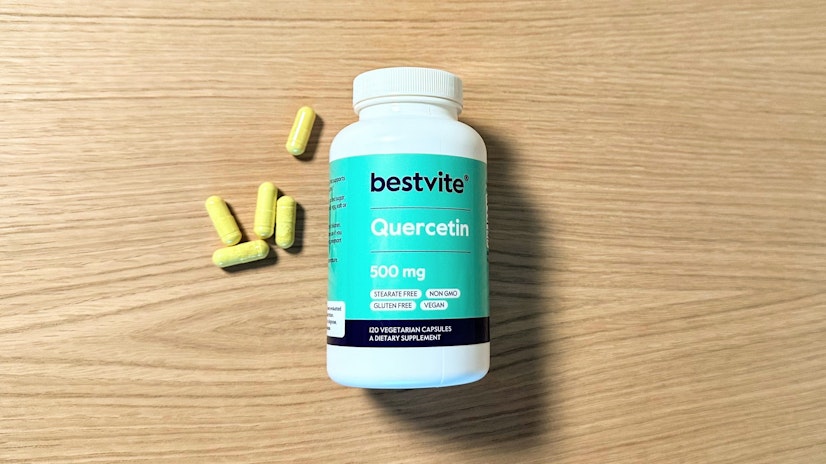
Photo by Innerbody Research
Pros
- Delivers a clinically relevant 500mg dose studied for inflammatory and metabolic support
- Manufactured in NSF-GMP certified facilities
- ISO-certified third-party testing
- 60-day satisfaction guarantee
- Free U.S. shipping on a single bottle
- Vegan-friendly formula
- Lowest cost per serving among our picks
Cons
- No added bioavailability enhancers (such as bromelain or phytosome delivery)
- Limited flexibility to titrate below 500mg for sensitive users
- Subscription discount is modest compared to some competitors
Founded in 2006, Bestvite is a U.S.-based supplement company that focuses on keeping formulas simple and affordable without cutting corners on manufacturing. Its products are made in NSF-GMP certified facilities and verified by ISO-certified third-party laboratories — a level of quality control that isn’t always guaranteed in the budget supplement space.
Each Bestvite Quercetin capsule delivers 500mg in the standard aglycone form — the version used in most human studies examining antioxidant, anti-inflammatory, and metabolic effects.7 8 9 In clinical research, daily intakes in the 500–1,000mg range have been linked to reductions in oxidative stress markers and modest improvements in inflammatory signaling, vascular function, and exercise recovery when taken consistently.2 29 44
That said, it’s important to talk about absorption. Quercetin aglycone isn’t the most bioavailable form out there. Enhanced options — such as phytosome-bound quercetin — can raise blood levels more efficiently.37 That said, the bulk of human evidence supporting quercetin’s benefits relies on this same aglycone form, suggesting that higher doses (500–1,000mg) can still produce meaningful biological effects despite lower absorption.7 8 9
Pricing, subscriptions, and shipping
At $23.99 for 120 capsules — a full four-month supply at the 500mg daily dose — Bestvite is one of the most affordable ways to supplement with quercetin. A larger 240-capsule bottle is available, but the per-capsule savings are modest. Bestvite also offers a 5% subscription discount, which helps a bit, though it’s less aggressive than the introductory discounts offered by some competitors, such as Qualia’s 50% first-order promotion.
Bestvite’s pricing breaks down as follows:
| 120 caps | 240 caps | |
|---|---|---|
| One-time bottle price | $23.99 | $45.99 |
| Cost per dose (one-time) | $0.20 | $0.19 |
| Subscription bottle price (5% off) | $22.79 | $43.69 |
| Cost per dose (subscription) | $0.19 | $0.18 |
Refunds and guarantees
Bestvite offers a 60-day money-back guarantee, which gives most people enough time to assess tolerance. While this doesn’t match the longer 100-day policies offered by brands like ProHealth Longevity, it does align well with the shorter timelines used in many quercetin studies, where changes in inflammatory or cardiovascular markers were observed within 4-8 weeks.7 8 9
Combined with free U.S. shipping and a low upfront cost, the policy keeps the risk relatively low for first-time users.
Nootropics Depot Quercetin Phytosome
Best for high absorption

Photo by Innerbody Research
Pros
- Uses Quercefit, a branded quercetin phytosome shown to improve absorption over standard quercetin
- Conducts both in-house and third-party testing for purity and potency
- Publishes certificates of analysis (COAs) directly on product pages
Cons
- No subscription option
- No free shipping on smaller orders below $50
- Returns limited to unopened products within 30 days
One of the main ways Nootropics Depot distinguishes itself is through its commitment to testing transparency. Every batch of every supplement undergoes both in-house analysis and independent third-party testing, with COAs made publicly available. That level of documentation remains uncommon in the supplement industry and has helped the brand build a strong reputation among consumers.
For its quercetin formula, Nootropics Depot uses Quercefit, a branded phospholipid-bound quercetin phytosome designed to improve absorption. In human pharmacokinetic research, quercetin phytosome has been shown to produce substantially higher plasma quercetin levels than quercetin aglycone at equivalent doses.37 Importantly, Quercefit isn’t just a theoretical upgrade. This same branded form has been used in multiple human studies — including clinical research examining immune and metabolic outcomes — demonstrating that it reaches circulation at biologically meaningful levels.42 45 However, these outcome studies were not designed as direct head-to-head comparisons with quercetin aglycone.
Compared with standard quercetin products, Nootropics Depot’s offering is best suited for readers who prioritize absorption efficiency and testing transparency over the lowest possible cost per milligram.
Pricing, subscriptions, and shipping
Unlike some competitors, Nootropics Depot does not offer a subscription program for its quercetin phytosome. Any savings come from purchasing larger bottle sizes rather than recurring discounts. Pricing breaks down as follows:
| 30 caps | 90 caps | |
|---|---|---|
| Bottle price | $19.99 | $34.99 |
| Price per serving | $0.67 | $0.39 |
Additionally, only orders above $50 qualify for free U.S. shipping. Otherwise, shipping is the highest among the products in this guide (approximately $10.50 to the U.S. Southwest).
Refunds and guarantees
Nootropics Depot accepts returns within 30 days, but only for unopened products. In practice, this means there is no money-back guarantee once a bottle has been opened.
This is the most restrictive return policy among the products featured in this guide. For comparison, Bestvite offers a 60-day money-back guarantee, while ProHealth Longevity and Qualia provide return windows of up to 100 days.
ProHealth Longevity Quercetin Bromelain Complex
Best quercetin with bromelain for immune support

Photo by Innerbody Research
Pros
- Combines quercetin, vitamin C, and bromelain in one formula for immune support
- Third-party tested, with results published on the product page
- 100-day satisfaction guarantee
- Subscription options available (10% discount)
Cons
- Bromelain can be an issue for people with pineapple sensitivities
- Three-tablet serving increases daily pill count
- No free shipping under $30
Founded in 1988 and based in Carpinteria, California, ProHealth Longevity is best known for supplements focused on healthy aging, as the name implies. Its Quercetin Bromelain Complex is part of that portfolio, pairing ingredients commonly studied together for immune-related support.
A full daily serving delivers:
- Quercetin: 1,000mg
- Vitamin C: 600mg
- Bromelain: 300mg
This trio gained attention during the COVID-19 era, when quercetin was often paired with vitamin C and bromelain — and sometimes zinc — in immune-focused clinical research.39 46 47 ProHealth’s formula closely reflects the quercetin dose range and combination approach used in those studies.
At 1,000mg per day, quercetin is provided at the upper end of doses commonly used in short-term human research. That level reflects how quercetin was used in several COVID-era trials, where the goal was to raise circulating quercetin levels during periods of heightened immune demand.
While results across these trials were mixed, some studies and observational data reported symptom relief in people taking quercetin-based combinations. Given the overlapping roles these ingredients play in antioxidant activity, inflammation signaling, and immune response, the overall rationale for combining them is biologically plausible.
Vitamin C
Vitamin C is one of the most extensively studied immune nutrients. Large evidence reviews show that it doesn’t reliably prevent colds in the general population, but regular supplementation can modestly shorten cold duration.48 49 These effects tend to be small but consistent across trials, particularly when vitamin C is taken regularly rather than only at symptom onset.
Bromelain
Bromelain is a proteolytic enzyme derived from pineapple that has been studied for its effects on inflammation and swelling, including research interest in respiratory and sinus-related contexts.50 Evidence quality varies by condition and study design, but bromelain remains a common adjunct in immune-support formulas due to its anti-inflammatory and mucolytic potential — meaning it may help thin and mobilize mucus.51 52
In addition to their individual roles, bromelain and vitamin C are often paired with quercetin to help address its naturally low bioavailability. Bromelain is thought to support quercetin absorption by improving intestinal permeability, while vitamin C may offer complementary antioxidant support by protecting quercetin from oxidation.39 53 While direct human evidence for large absorption gains is limited, the combination is mechanistically sensible and helps explain why this trio appeared together in several COVID-era clinical trials.
Given that 1,000mg sits at the upper end of quercetin doses used in research, some readers may wonder whether taking fewer tablets still makes sense. Outside of short-term immune-support situations, taking one or two tablets still provides quercetin, vitamin C, and bromelain in amounts that overlap with ranges studied for antioxidant, inflammatory, and immune-related effects, while reducing the likelihood of gastrointestinal discomfort for routine use.9 48 50
Pricing, subscriptions, and shipping
A 100-tablet bottle (33 servings) of Quercetin Bromelain Complex costs $25.35 as a one-time purchase or $22.82 with a subscription. Subscription intervals of 33, 66, or 99 days align neatly with different intake patterns, whether you take one, two, or the full three tablets per day.
Shipping costs $4.99 unless your order reaches the free shipping threshold of $30. Within this guide, that places ProHealth Longevity in the middle of the pack for shipping costs: Nootropics Depot and Qualia both charge more, while Bestvite offers free shipping on its quercetin products.
Refunds and guarantees
ProHealth offers a 100-day satisfaction guarantee on vitamins and supplements, allowing customers to return the unused portion for a refund or store credit (shipping is non-refundable). This is a long window that gives most people ample time to assess tolerance and perceived benefits — even at lower daily tablet counts.
Among the products featured in this guide, Qualia is the only other brand that matches ProHealth’s 100-day guarantee.
Qualia Senolytic
Best senolytic formula

Photo by Innerbody Research
Pros
- Uses quercetin phytosome, shown to improve absorption over standard quercetin
- “Hit-and-run” delivery requires only two servings per month
- Built around ingredients studied at high doses over short durations
- Steep introductory discount on the first subscription box
- 100-day money-back guarantee
Cons
- Expensive on a per-serving basis
- Contains soy (potential allergen)
- No free-shipping option
Qualia Senolytic is the outlier in this guide — not because it uses quercetin in a radically different form, but because it uses quercetin on a very different schedule. Instead of a daily capsule meant for steady, long-term use, Qualia adopts what researchers often describe as a “hit-and-run” approach: a higher-dose pulse taken infrequently, rather than smaller doses taken every day.54
To understand why this matters, it helps to look at quercetin’s role in cellular senescence research. Senescent cells are older, damaged cells that stop dividing but continue to release inflammatory signals, contributing to tissue dysfunction over time.33 Quercetin has been studied for its potential senolytic activity, both on its own and in combination with dasatinib, a prescription cancer drug used experimentally in senescence research.32 34 35
The rationale behind the hit-and-run strategy comes down to timing. Cells don’t become senescent overnight; the process appears to unfold over weeks, with laboratory models suggesting timelines on the order of six weeks.32 Because of that, taking high doses of senolytic candidates every day may offer little added benefit once existing senescent cells have been addressed — while increasing the likelihood of side effects.
Instead, the hit-and-run model aims to allow senescent cells to accumulate gradually, then periodically target them with a short, high-dose intervention. Conceptually, it’s less about constant pressure and more about periodic reset — intervening at intervals that better match the biology of senescent cell formation, rather than trying to suppress the process continuously.32 55
This approach extends beyond quercetin alone. Qualia Senolytic’s formula combines multiple polyphenols and plant extracts that are frequently discussed in senescence and inflammation research, including:
- Fisetin: 1,400mg
- Quercetin: 750mg
- Curcumin extract: 400mg
- Olive leaf extract: 250mg
- Soybean seed extract: 200mg
- Luteolin: 150mg
- Milk thistle extract: 125mg
- Piper longum root extract: 50mg
- Senactiv: 50mg
It’s also worth noting that the quercetin used here is a phytosome form, which has been shown to achieve substantially higher absorption than standard quercetin — estimates in human pharmacokinetic studies suggest increases on the order of 10–20 times higher.12
Taken together, Qualia Senolytic isn’t designed for daily antioxidant support or routine inflammation management. It’s built for readers specifically interested in the senolytic pulse-dosing concept, where quercetin plays a supporting role in a broader, intermittently dosed formula.
Pricing, subscriptions, and shipping
Each box of Qualia Senolytic contains two servings, intended to be taken on consecutive days once per month. Pricing is structured around one-time purchases or subscriptions, with a steep discount applied to the first subscription order.
| One-time purchase | Subscription (first order) | Subscription (subsequent orders) | |
|---|---|---|---|
| Price | $79 | $39.50 | $69 |
| Cost per dose | $39.50 | $19.75 | $34.50 |
Shipping is $9, and there is no free shipping threshold. Subscription deliveries are limited to a four-week interval, which aligns with the intended two-day-per-month dosing schedule.
Refunds and guarantees
Qualia offers a 100-day money-back guarantee, which is generous compared with most supplement brands. The only other product in this guide with a comparable return window is ProHealth Longevity.
One important limitation applies: the guarantee covers one unit of product, even if multiple boxes were delivered during the guarantee period.
Alternatives to quercetin supplements
If quercetin isn't right for you due to cost or sensitivities — or if you want to build a stack around similar pathways — several well-studied nutrients overlap with quercetin’s primary roles in antioxidant defense, inflammation regulation, and immune support.
Vitamin C
Vitamin C is one of the most widely studied antioxidants and immune-support nutrients. While it doesn’t reliably prevent infections in the general population, regular supplementation has been shown to modestly shorten the duration and severity of colds, particularly when taken consistently rather than only after symptoms begin.48 49
Vitamin C also regenerates other antioxidants and may help stabilize flavonoids like quercetin, which is why the two are frequently paired in both supplements and clinical research.53
Curcumin
Curcumin, the primary bioactive compound in turmeric, has been extensively studied for its anti-inflammatory and antioxidant effects. Meta-analyses of randomized controlled trials show that curcumin supplementation can reduce markers such as CRP and improve symptoms in conditions driven by chronic low-grade inflammation.56
While curcumin works through different signaling pathways than quercetin, the two are often viewed as complementary rather than interchangeable.
Resveratrol
Resveratrol is a polyphenol best known for its effects on vascular health, oxidative stress, and metabolic signaling. Human trials suggest that resveratrol supplementation may improve endothelial function and insulin sensitivity in certain populations, overlapping with some of quercetin’s cardiometabolic benefits.57
Like quercetin, resveratrol has also been explored in aging-related research, though human evidence remains mixed and context-dependent.58 For a deeper dive, see our full resveratrol supplements guide, where we review the current research and top products.
Bromelain
Bromelain is a proteolytic enzyme derived from pineapple that’s been studied for its anti-inflammatory and mucolytic properties, particularly in sinus and respiratory contexts.41 50 It’s frequently paired with quercetin in supplements because it may enhance absorption and help address inflammation-related symptoms through complementary mechanisms.
Dietary sources of quercetin
Supplementation isn’t the only way to support the pathways quercetin influences. Quercetin is one of the most abundant flavonoids in the human diet, and higher dietary intake has been associated with improved antioxidant status and markers of cardiovascular health in observational studies.59
Foods particularly rich in quercetin and related flavonoids include:59 60
- Onions (especially red and yellow onions)
- Apples (with the skin)
- Capers
- Berries (such as blueberries and cranberries)
- Leafy greens like kale and spinach
- Broccoli and other cruciferous vegetables
- Green and black tea
Eating a diet rich in flavonoid-containing fruits and vegetables can help support antioxidant defenses and inflammatory balance, whether or not you choose to supplement with quercetin directly.
Quercetin FAQ:
Sources
Innerbody uses only high-quality sources, including peer-reviewed studies, to support the facts within our articles. Read our editorial process to learn more about how we fact-check and keep our content accurate, reliable, and trustworthy.
Mackay, I. S., & Durham, S. R. (1998). Perennial rhinitis. BMJ, 316(7135), 917.
Aghababaei, F., & Hadidi, M. (2023). Recent Advances in Potential Health Benefits of Quercetin. Pharmaceuticals, 16(7), 1020.
Mlcek, J., Jurikova, T., Skrovankova, S., & Sochor, J. (2016). Quercetin and Its Anti-Allergic Immune Response. Molecules, 21(5), 623.
Serban, M.-C., Sahebkar, A., Zanchetti, A., Mikhailidis, D. P., Howard, G., Antal, D., Andrica, F., Ahmed, A., Aronow, W. S., Muntner, P., Lip, G. Y. H., Graham, I., Wong, N., Rysz, J., & Banach, M. (2016). Effects of Quercetin on Blood Pressure: A Systematic Review and Meta-Analysis of Randomized Controlled Trials. Journal of the American Heart Association, 5(7), e002713.
Wang, Y., Li, Z., He, J., & Zhao, Y. (2024). Quercetin Regulates Lipid Metabolism and Fat Accumulation by Regulating Inflammatory Responses and Glycometabolism Pathways: A Review. Nutrients, 16(8), 1102.
Medoro, A., Davinelli, S., Scuderi, L., Scuderi, G., Scapagnini, G., & Fragiotta, S. (2025). Targeting Senescence, Oxidative Stress, and Inflammation: Quercetin-Based Strategies for Ocular Diseases in Older Adults. Clinical Interventions in Aging, 20, 791–813.
Tabrizi, R., Tamtaji, O. R., Mirhosseini, N., Lankarani, K. B., Akbari, M., Heydari, S. T., Dadgostar, E., & Asemi, Z. (2020). The effects of quercetin supplementation on lipid profiles and inflammatory markers among patients with metabolic syndrome and related disorders: A systematic review and meta-analysis of randomized controlled trials. Critical Reviews in Food Science and Nutrition, 60(11), 1855–1868.
Devi, V., Deswal, G., Dass, R., Chopra, B., Kriplani, P., Grewal, A. S., Guarve, K., & Dhingra, A. K. (2024). Therapeutic Potential and Clinical Effectiveness of Quercetin: A Dietary Supplement. Recent Advances in Food, Nutrition & Agriculture.
Noshadi, N., Bonyadian, A., Hojati, A., Abbasalizad-Farhangi, M., Heidari, M., Darzi, M., Seyedhosseini-Ghaheh, H., Khajeh, M., Pourteymour Fard Tabrizi, F., Vajdi, M., & Askari, G. (2024). The effect of quercetin supplementation on the components of metabolic syndrome in adults: A systematic review and dose–response meta-analysis of randomized controlled trials. Journal of Functional Foods, 116, 106175.
Yamada, S., Shirai, M., Inaba, Y., & Takara, T. (2022). Effects of repeated oral intake of a quercetin-containing supplement on allergic reaction: a randomized, placebo-controlled, double-blind parallel-group study. European Review for Medical and Pharmacological Sciences, 26(12), 4331–4345.
Kandemir, K., Tomas, M., McClements, D. J., & Capanoglu, E. (2022). Recent advances on the improvement of quercetin bioavailability. Trends in Food Science & Technology, 119, 192–200.
Liu, L., Barber, E., Kellow, N. J., & Williamson, G. (2025). Improving quercetin bioavailability: A systematic review and meta-analysis of human intervention studies. Food Chemistry, 477, 143630.
Andres, S., Pevny, S., Ziegenhagen, R., Bakhiya, N., Schäfer, B., Hirsch-Ernst, K. I., & Lampen, A. (2018). Safety Aspects of the Use of Quercetin as a Dietary Supplement. Molecular Nutrition & Food Research, 62(1).
Mirza, M. A., Mahmood, S., Hilles, A. R., Ali, A., Khan, M. Z., Zaidi, S. A. A., Iqbal, Z., & Ge, Y. (2023). Quercetin as a Therapeutic Product: Evaluation of Its Pharmacological Action and Clinical Applications—A Review. Pharmaceuticals, 16(11), 1631.
Cory, H., Passarelli, S., Szeto, J., Tamez, M., & Mattei, J. (2018). The Role of Polyphenols in Human Health and Food Systems: A Mini-Review. Frontiers in Nutrition, 5, 87.
Alharbi, H. O. A., Alshebremi, M., Babiker, A. Y., & Rahmani, A. H. (2025). The Role of Quercetin, a Flavonoid in the Management of Pathogenesis Through Regulation of Oxidative Stress, Inflammation, and Biological Activities. Biomolecules, 15(1), 151.
Dabeek, W. M., & Marra, M. V. (2019). Dietary Quercetin and Kaempferol: Bioavailability and Potential Cardiovascular-Related Bioactivity in Humans. Nutrients, 11(10), 2288.
Solnier, J., Zhang, Y., Roh, K., Kuo, Y. C., Du, M., Wood, S., Hardy, M., Gahler, R. J., & Chang, C. (2023). A Pharmacokinetic Study of Different Quercetin Formulations in Healthy Participants: A Diet-Controlled, Crossover, Single- and Multiple-Dose Pilot Study. Evidence-Based Complementary and Alternative Medicine, 2023, 9727539.
Almeida, A. F., Borge, G. I. A., Piskula, M., Tudose, A., Tudoreanu, L., Valentová, K., Williamson, G., & Santos, C. N. (2018). Bioavailability of Quercetin in Humans with a Focus on Interindividual Variation. Comprehensive Reviews in Food Science and Food Safety, 17(3), 714–731.
Williamson, G., & Clifford, M. N. (2024). A critical examination of human data for the biological activity of quercetin and its phase-2 conjugates. Critical Reviews in Food Science and Nutrition, 64(11), 1669–1705.
Aggarwal, D., Chaudhary, M., Mandotra, S. K., Tuli, H. S., Chauhan, R., Joshi, N. C., Kaur, D., Dufossé, L., & Chauhan, A. (2025). Anti-inflammatory potential of quercetin: From chemistry and mechanistic insight to nanoformulations. Current Research in Pharmacology and Drug Discovery, 8, 100217.
Jafarinia, M., Hosseini, M. S., Kasiri, N., Fazel, N., Fathi, F., Ganjalikhani Hakemi, M., & Eskandari, N. (2020). Quercetin with the potential effect on allergic diseases. Allergy, Asthma & Clinical Immunology, 16, 36.
Naso, M., Trincianti, C., Tosca, M. A., & Ciprandi, G. (2025). Quercetin and Its Lecithin-Based Formulation: Potential Applications for Allergic Diseases Based on a Narrative Review. Nutrients, 17(9), 1476.
Mohammadi-Sartang, M., Mazloom, Z., Sherafatmanesh, S., Ghorbani, M., & Firoozi, D. (2017). Effects of supplementation with quercetin on plasma C-reactive protein concentrations: a systematic review and meta-analysis of randomized controlled trials. European Journal of Clinical Nutrition, 71(9), 1033–1039.
Ou, Q., Zheng, Z., Zhao, Y., & Lin, W. (2020). Impact of quercetin on systemic levels of inflammation: a meta-analysis of randomised controlled human trials. International Journal of Food Sciences and Nutrition, 71(2), 152–163.
Edwards, R. L., Lyon, T., Litwin, S. E., Rabovsky, A., Symons, J. D., & Jalili, T. (2007). Quercetin Reduces Blood Pressure in Hypertensive Subjects. The Journal of Nutrition, 137(11), 2405–2411.
Popiolek-Kalisz, J., & Fornal, E. (2022). The Effects of Quercetin Supplementation on Blood Pressure - Meta-Analysis. Current Problems in Cardiology, 47(11), 101350.
Sahebkar, A. (2017). Effects of quercetin supplementation on lipid profile: A systematic review and meta-analysis of randomized controlled trials. Critical Reviews in Food Science and Nutrition, 57(4), 666–676.
Rojano-Ortega, D., Peña-Amaro, J., Berral-Aguilar, A. J., & Berral-de la Rosa, F. J. (2022). Quercetin supplementation promotes recovery after exercise-induced muscle damage: a systematic review and meta-analysis of randomized controlled trials. Biology of Sport, 40(3), 813–825.
Heinz, S. A., Henson, D. A., Austin, M. D., Jin, F., & Nieman, D. C. (2010). Quercetin supplementation and upper respiratory tract infection: A randomized community clinical trial. Pharmacological Research, 62(3), 237–242.
Aucoin, M., Cooley, K., Saunders, P. R., Cardozo, V., Remy, D., Cramer, H., Abad, C. N., & Hannan, N. (2020). The effect of quercetin on the prevention or treatment of COVID-19 and other respiratory tract infections in humans: A rapid review. Advances in Integrative Medicine, 7(4), 247–251.
Kirkland, J. L., & Tchkonia, T. (2020). Senolytic drugs: from discovery to translation. Journal of Internal Medicine, 288(5), 518–536.
Zhu, Y., Tchkonia, T., Pirtskhalava, T., Gower, A. C., Ding, H., Giorgadze, N., Palmer, A. K., Ikeno, Y., Hubbard, G. B., Lenburg, M., O'Hara, S. P., LaRusso, N. F., Miller, J. D., Roos, C. M., Verzosa, G. C., LeBrasseur, N. K., Wren, J. D., Farr, J. N., Khosla, S., ... & Kirkland, J. L. (2015). The Achilles' heel of senescent cells: from transcriptome to senolytic drugs. Aging Cell, 14(4), 644–658.
Hickson, L. J., Langhi Prata, L. G. P., Bobart, S. A., Evans, T. K., Giorgadze, N., Hashmi, S. K., Herrmann, S. M., Jensen, M. D., Jia, Q., Jordan, K. L., Kellogg, T. A., Khosla, S., Koerber, D. M., Lagnado, A. B., Lawson, D. K., LeBrasseur, N. K., Lerman, L., McDonald, K. M., McKenzie, T. J., ... & Kirkland, J. L. (2019). Senolytics decrease senescent cells in humans: Preliminary report from a clinical trial of Dasatinib plus Quercetin in individuals with diabetic kidney disease. EBioMedicine, 47, 446–456.
Justice, J. N., Nambiar, A. M., Tchkonia, T., LeBrasseur, N. K., Pascual, R., Hashmi, S. K., Prata, L., Masternak, M. M., Kritchevsky, S. B., Musi, N., & Kirkland, J. L. (2019). Senolytics in idiopathic pulmonary fibrosis: Results from a first-in-human, open-label, pilot study. EBioMedicine, 40, 554–563.
Manach, C., Williamson, G., Morand, C., Scalbert, A., & Rémésy, C. (2005). Bioavailability and bioefficacy of polyphenols in humans. I. Review of 97 bioavailability studies. The American Journal of Clinical Nutrition, 81(1), 230S–242S.
Riva, A., Ronchi, M., Petrangolini, G., Bosisio, S., & Allegrini, P. (2019). Improved Oral Absorption of Quercetin from Quercetin Phytosome®, a New Delivery System Based on Food Grade Lecithin. European Journal of Drug Metabolism and Pharmacokinetics, 44(2), 169–177.
Talebi, M., Shahbazi, K., Dakkali, M. S., Akbari, M., Ghale, R. A., Hashemi, S., Sashourpour, M., Mojab, F., & Aminzadeh, S. (2025). Phytosomes: A promising nanocarrier system for enhanced bioavailability and therapeutic efficacy of herbal products. Phytomedicine Plus, 5(2), 100779.
Önal, H., Arslan, B., Üçüncü Ergun, N., Topuz, Ş., Yılmaz Semerci, S., Kurnaz, M. E., Molu, Y. M., Bozkurt, M. A., Süner, N., & Kocataş, A. (2021). Treatment of COVID-19 patients with quercetin: a prospective, single center, randomized, controlled trial. Turkish Journal of Biology, 45(4), 518–529.
Russo, M., Spagnuolo, C., Tedesco, I., Bilotto, S., & Russo, G. L. (2012). The flavonoid quercetin in disease prevention and therapy: facts and fancies. Biochemical Pharmacology, 83(1), 6–15.
Maurer, H. R. (2001). Bromelain: biochemistry, pharmacology and medical use. Cellular and Molecular Life Sciences, 58(9), 1234–1245.
Di Pierro, F., Iqtadar, S., Khan, A., Mumtaz, S. U., Chaudhry, M. M., Bertuccioli, A., Derosa, G., Maffioli, P., Togni, S., Riva, A., Allegrini, P., & Khan, S. (2021). Potential Clinical Benefits of Quercetin in the Early Stage of COVID-19: Results of a Second, Pilot, Randomized, Controlled and Open-Label Clinical Trial. International Journal of General Medicine, 14, 2807–2816.
Di Pierro, F., Khan, A., Iqtadar, S., Mumtaz, S. U., Akbar Chaudhry, M. N., Bertuccioli, A., Derosa, G., Maffioli, P., Togni, S., Riva, A., Allegrini, P., Recchia, M., & Zerbinati, N. (2021). Quercetin as a possible complementary agent for early-stage COVID-19: Concluding results of a randomized clinical trial. Future Microbiology, 16(14), 1461–1470.
Boots, A. W., Drent, M., de Boer, V. C., Bast, A., & Haenen, G. R. (2011). Quercetin reduces markers of oxidative stress and inflammation in sarcoidosis. Clinical Nutrition, 30(4), 506–512.
Lili, L., Smith, S., Kunces, L., Riva, A., Allegrini, P., Togni, S., Tongiani, S., Rickard, N., Readhead, B., Phipps, S., & Zhang, B. (2025). An Application of a Large-Scale, Data-Driven Approach to Prioritize Compound-Targeted Conditions in the Nutraceutical Space: Case Study of Quercefit™ (Quercetin Phytosome) Toward Unbalanced Lipid Conditions in Metabolically Challenged Adults. Molecular Nutrition & Food Research, 69(22), e70253.
Beşler, Z. N., Bayraktar, D. Z., Koçak, M. C., & Kızıltan, G. (2024). Investigation of potential effects of quercetin on COVID-19 treatment: a systematic review of randomized controlled trials. Clinical Science of Nutrition, 6(2), 107-117.
Imran, M., Thabet, H. K., Alaqel, S. I., Alzahrani, A. R., Abida, A., Alshammari, M. K., Kamal, M., Diwan, A., Asdaq, S. M. B., & Alshehri, S. (2022). The Therapeutic and Prophylactic Potential of Quercetin against COVID-19: An Outlook on the Clinical Studies, Inventive Compositions, and Patent Literature. Antioxidants, 11(5), 876.
Hemilä, H., & Chalker, E. (2013). Vitamin C for preventing and treating the common cold. Cochrane Database of Systematic Reviews, (1), CD000980.
Hemilä, H., & Chalker, E. (2023). Vitamin C reduces the severity of common colds: a meta-analysis. BMC Public Health, 23(1), 2468.
Pavan, R., Jain, S., Shraddha, & Kumar, A. (2012). Properties and Therapeutic Application of Bromelain: A Review. Biotechnology Research International, 2012, 976203.
Rathnavelu, V., Alitheen, N. B., Sohila, S., Kanagesan, S., Ramesh, R. (2016). Potential role of bromelain in clinical and therapeutic applications. Biomedical Reports, 5(3), 283–288.
Chakraborty, A. J., Mitra, S., Tallei, T. E., Tareq, A. M., Nainu, F., Cicia, D., Dhama, K., Emran, T. B., Simal-Gandara, J., & Capasso, R. (2021). Bromelain a Potential Bioactive Compound: A Comprehensive Overview from a Pharmacological Perspective. Life, 11(4), 317.
Colunga Biancatelli, R. M. L., Berrill, M., Catravas, J. D., & Marik, P. E. (2020). Quercetin and Vitamin C: An Experimental, Synergistic Therapy for the Prevention and Treatment of SARS-CoV-2 Related Disease (COVID-19). Frontiers in Immunology, 11, 1451.
Ellison-Hughes, G. M. (2020, June). First evidence that senolytics are effective at decreasing senescent cells in humans. eBioMedicine, 56, 102473.
Raffaele, M., & Vinciguerra, M. (2022). The costs and benefits of senotherapeutics for human health. The Lancet Healthy Longevity, 3(1), e67-e77.
Daily, J. W., Yang, M., & Park, S. (2016). Efficacy of Turmeric Extracts and Curcumin for Alleviating the Symptoms of Joint Arthritis: A Systematic Review and Meta-Analysis of Randomized Clinical Trials. Journal of Medicinal Food, 19(8), 717–729.
Brown, K., Theofanous, D., Britton, R. G., Aburido, G., Pepper, C., Undru, S. S., & Howells, L. (2024). Resveratrol for the Management of Human Health: How Far Have We Come? A Systematic Review of Resveratrol Clinical Trials to Highlight Gaps and Opportunities. International Journal of Molecular Sciences, 25(2), 747.
Zhang, L. X., Li, C. X., Kakar, M. U., Khan, M. S., Wu, P. F., Amir, R. M., Dai, D. F., Naveed, M., Li, Q. Y., Saeed, M., Shen, J. Q., Rajput, S. A., & Li, J. H. (2021). Resveratrol (RV): A pharmacological review and call for further research. Biomedicine & Pharmacotherapy, 143, 112164.
Manach, C., Scalbert, A., Morand, C., Rémésy, C., & Jiménez, L. (2004). Polyphenols: food sources and bioavailability. The American Journal of Clinical Nutrition, 79(5), 727–747.
Bhagwat, S., & Haytowitz, D. B. (2018). USDA Database for the Flavonoid Content of Selected Foods, Release 3.3. U.S. Department of Agriculture, Agricultural Research Service. (Updated version posted 2023).
Sood, B., Patel, P., & Keenaghan, M. (2024). Coenzyme Q10. StatPearls Publishing.

Copyright © Innerbody Research 1997 - 2025. All Rights Reserved.