Placenta
Last updated: Jul 14th, 2026
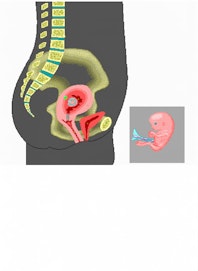
Click to View Larger Image
The placenta is a complex vascular structure formed during fetal development by the outer cells of the embryo along with cells of the maternal endometrium (wall of the uterus). Blood does not flow directly between mother and fetus through the placenta, but because of the proximity of the tissues comprising the placental membrane, certain substances diffuse readily. This allows for the transfer of oxygen and other gasses between the maternal and fetal blood via the placenta. This organ serves to attach the embryo to the uterine wall, to exchange nutrients, gases, and wastes between the maternal blood and the embryonic blood, and to secrete hormones.

Copyright © Innerbody Research 1997 - 2025. All Rights Reserved.