Mature Corpus Luteum
Last updated: Jul 31st, 2026
Click to View Larger Image
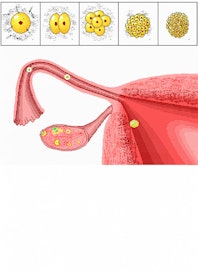
A mature corpus luteum produces high levels of progesterone; it's a glandular structure which is formed briefly by enlarged follicular cells at ovulation. When the corpus luteum ceases to function, the concentrations of estrogen and progesterone (hormones) decline rapidly, and in response, blood vessels in the endometrium (uterine lining) become constricted and soon disintegrate and slough away. At the same time, blood escapes from damaged capillaries, creating a flow of blood and cellular debris that passes through the vagina as the menstrual flow. The beginning of the menstrual flow marks the end of a menstrual cycle and the beginning of a new cycle.

Copyright © Innerbody Research 1997 - 2025. All Rights Reserved.