Eccrine Sweat Gland
Tim Taylor is a senior writer at Innerbody Research focusing on human anatomy and physiology. Tim earned both his Bachelor of Science degree in Biology and his Master's degree in Teaching from the University of Pittsburgh.

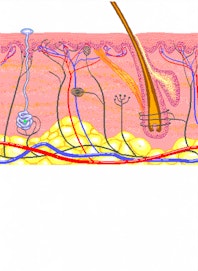
The eccrine glands are sweat glands that are not connected to hair follicles. They function throughout life by responding to elevated body temperature due to environmental heat or physical exercise. These glands are common on the forehead, neck, and back, where they produce profuse sweating on hot days and when a person is physically active. They also are responsible for the moisture that may appear on the palms and soles when a person is emotionally stressed.
Get the Innerbody Newsletter
Be the first to know about our latest reviews and biggest discounts
No spam! Your privacy is important to us.

Copyright © Innerbody Research 1997 - 2025. All Rights Reserved.
Innerbody Research does not provide medical advice, diagnosis, or treatment. You must consult your own medical professional.