Permanent 1st Premolar 9th Yr
Tim Taylor is a senior writer at Innerbody Research focusing on human anatomy and physiology. Tim earned both his Bachelor of Science degree in Biology and his Master's degree in Teaching from the University of Pittsburgh.

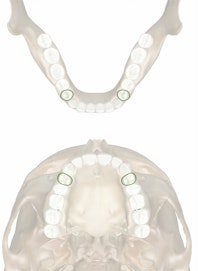
The permanent first premolar usually appears in the ninth year of life and is part of the secondary, or permanent, teeth. The first premolar, or bicuspid, is preceded by the cuspid and followed by the second bicuspid in the arrangement of the teeth from the midline of the mouth. The bicuspids have somewhat flattened surfaces and specialize in grinding food.
Get the Innerbody Newsletter
Be the first to know about our latest reviews and biggest discounts
No spam! Your privacy is important to us.

Copyright © Innerbody Research 1997 - 2025. All Rights Reserved.
Innerbody Research does not provide medical advice, diagnosis, or treatment. You must consult your own medical professional.