![]() |
|||||||||||||||||||||||||||||||||||||||||||||||||||||||||||||||||||||||||||||||
|
|
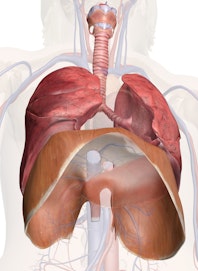
Adrenal GlandsThe adrenal glands are a pair of glands that secrete hormones directly into the bloodstream. Each gland can be divided into two distinct organs. The outer region secretes hormones which have important effects on the way in which energy is stored and food is used, on chemicals in the blood, and on characteristics such as hairiness and body shape. The smaller, inner region is part of the sympathic nervous system and is the body's first line of defense and response to physical and emotional stresses. The adrenal glands are shaped like the French Emperor Napoleon's hat and, just as Napoleon's three-cornered hat sat on his head, so each gland is perched on each of the kidneys. These glands are about one to two inches in length and weigh only a fraction of an ounce each while secreting more than three dozen hormones. They take instruction from the pituitary glands and have important effects on physical characteristics, development and growth. The adrenal gland has two parts. The cortex, or outer, yellow layer, takes its instructions from the pituitary hormone ACTH. The hormones secreted here are called "steroids" and have three main types: those which control the balance of sodium and potassium in the body; those which raise the level of sugar in the blood; and sex hormones. The inner, reddish brown layer makes two types of hormones and takes all its instructions from the nervous system, producing chemicals which react to fear and anger and are sometimes called "fight or flight" hormones. Abdominal AortaThe branches of the abdominal aorta may be divided into three sets: the visceral branches, which supply the organs in the abdomen, renals, testicles and ovaries; the parietal branches, which supply the diaphragm from below and the posterior abdominal walls; and the terminal branches, which descend to supply the organs of the pelvis, the pelvic wall and the paired common iliacs which supply the lower extremities. Carotid ArteriesThe carotid arteries are the four principal arteries of the neck and head. They have two specialized regions: the carotid sinus, which monitors the blood pressure, and the carotid body, which monitors the oxygen content in the blood and helps regulate breathing. The internal carotid arteries enter the skull to supply the brain and eyes. At the base of the brain, the two internal carotids and the basilar artery join to form a ring of blood vessels called the "circle of Willis." The external carotid arteries have several branches which supply the tissues of the face, scalp, mouth and jaws. The cavernous sinus lies at the base of the brain, adjacent to the temporal and sphenoid bones of the skull. It is an important structure because it holds nerves and veins, in addition to carrying large amounts of deoxygenated blood from the brain to the heart. DiaphragmPulmonary vertilation or breathing has two phases - inspiration which moves air into the lungs and expiration or exhalation that moves air out of the lungs. Inspiration occurs when the chest cavity enlarges expanding the lungs along with it causing air to rush into them and down into the alveoli. The diaphragm is a large dome-shaped muscle separating the abdominal cavity from the thoracic cavity, and is the primary muscle of respiration. The diaphragm contracts during inspiration and flattens out moving down toward the abdominal cavity. It is the flattening of the diaphragm that makes the chest cavity longer from top to bottom. Aided by the external intercostal muscles between ribs, thoracic size is also increased from front to back and side to side with contraction of the external intercostal muscles. Contraction of the inspiratory muscles increases the volume of the thoracic cavity and reduces pressure within it causing the air from outside to fill the lungs. When the inspiratory muscles relax, the thoracic cavity returns to its normal size and air flows out of the lungs to be exhaled through the mouth and nose. This is brought about by contraction of the internal intercostal and abdominal muscles which decrease the front-to-back size of the thorax and in addition, push the abdominal contents up against the underside of the diaphragm making it more "dome-shaped". The result is to further shorten or decrease the top to bottom size of the thoracic cavity. As the thoracic cavity decreases in size, the air pressure within the cavity increases and air flows out of the lungs. The diaphragm originates at the level of the 7th to 12th ribs, arcuate ligaments and lumbar vertebrae with a central tendon insertion into the inferior aspect of the sternum internally. GallbladderThe gallbladder is an active storage shed, which absorbs mineral salts and water received from the liver and converts it into a thick, mucus substance called "bile," to be released when food is present in the stomach. The gallbladder is a small, pear-shaped sac which is situated just below the liver and is attached to it by tissues. It stores bile and then releases it when food passes from the stomach to the duodenum (the first part of the small intestine) to help in the process of digestion. It has a capacity of around one and one-half fluid ounces. When food leaves the stomach, a secretion causes the gallbladder to contract and expel its contents into the duodenum, where the bile disperses the fats in the food into liquid. Pythagoras, the 6th Century BC Greek mathematician, believed that life is based on the four elements of earth, air, fire and water which correspond to the body's "humors": blood (hot and moist), phlegm (cold and moist), yellow bile (hot and dry) and black bile (cold and dry). The perfect or imperfect balance of these humors supposedly determined one's health and intelligence. We still speak in terms of "melancholia" (excess black bile, leading to depression) and "phlegmatic" (sluggish or impassive) and scientists have named the heavy mucus secreted in the respiratory passages - phlegm. Pythagoras was kind of a "square". Oh, come on; where's your sense of "humor"? The HeartThe heart is a pumping system which intakes deoxygenated blood through the veins, delivering it to the lungs for oxygenation and then pumping it into the various arteries to be transmitted to where it is needed throughout the body for energy. The heart is about the size of a fist but delivers a more powerful punch. Luckily for us, it contains a buffer zone to decrease its force or we would be shaken by every beat. This buffer zone also protects the heart from outside injury and keeps it from scraping against the chest wall. In some instances, nightmares can seem so real that the heart will pound in fear. In one study, the heart rate of the sleeper was timed at 150 beats per minute. Myth has it that the heart is the seat of the emotions, but it is, instead, a pump to circulate the blood throughout the body and only contributes to the emotions by sending oxygenated blood to our brain cells; so, if you want to gain someone's affection, you may have to ask Cupid to shoot them through the head rather than the heart. An arrow through the heart (or through the head, for that matter) would stop all bodily functions. The Medical Dictionary reports that the heart beats more than 2.5 billion times in an average lifetime. Isn't that "thumping"? KidneysAbout one-quarter (750-1,000 pints daily) of the blood which is output by the heart is sent to the body's "filter treatment plant", where it is purified by the kidneys and circulated on to the rest of the body. One to two thousandths (1/1000-2/1000) of the blood flow becomes fluid waste and is sent into the bladder for storage until it can be conveniently expelled. This toxic waste is called urine. The kidneys are located about two inches above the body's midline just below and behind the liver in the upper abdomen and behind the lower ribs. They receive about 120 pints of blood per hour, even if other body systems are shorted. They are the balancers of internal fluids, so if we overeat or overdrink one day and diet the next, or if we have an active, "sweaty" day, the kidneys will compensate and see that these fluctuations in fluid, salt and glucose are leveled out. It is important to drink plenty of fluids each day to keep the kidneys in good working order. The "kidney" bean is so named because of its resemblance to the shape and color of the kidneys. Many people believe the kidneys lie down in the flanks and are surprised when pain from kidney disorder comes from the upper middle back area. Well, I have "to go" now. LiverThirty per cent of the blood pumped through the heart in one minute passes through the body's chemical factory, which is called the liver. The liver cleanses the blood and processes nutritional molecules, which are distributed to the tissues. The liver also receives bright red blood from the lungs, filled with vital oxygen to be delivered to the heart. The only part of the body which receives more blood than the liver is the brain. The liver is located at the top of the abdomen, just below the diaphragm and has two main lobes. It is the largest gland in the body, weighing 2.5 to 3.3 pounds. When we eat, more blood is diverted to the intestines to deal with digestive processes; when not eating, three-fourths of the blood supply to the liver comes from the intestines. It also produces about two and one-half pints of bile in its ducts, which is delivered to the gallbladder through a small tube called the "cystic duct" for storage. "Liver" is probably an appropriate name for this gland, which makes the important decision as to whether incoming substances are useful to the body or whether they are waste. The liver is an extremely important organ and has multiple functions. The liver detoxifies blood cells by mixing them with bile and by chemical alteration to less toxic substances, such as the alteration of ammonia to urea. Many chemical compounds are inactivated by the liver through modification of chemical structures. The liver converts glucose to a storage form of energy called glycogen, and can also produce glucose from sugars, starches, and proteins. The liver also synthesizes triglycerides and cholesterol, breaks down fatty acids, and produces plasma proteins necessary for the clotting of blood, such as clotting factors I, III, V, VII, IX and XI. The liver also produces bile salts and excretes bilirubin. A "lily-livered coward" was someone whose liver contained no blood. The Greeks and Romans sacrificed animals to the gods before going into battle. When the liver was examined, if it was healthy and the blood was bright red, a victory was promised; if it was diseased or the blood was pale, defeat was predicted. Lungs (An Overview)Air, which is inhaled through the mouth and nasal passages, travels through the windpipe or "trachea" into two main air passages. These divide into smaller branches which separate into even smaller "twigs" like an upside-down tree. The respiratory system is mainly contained in two lungs. The little air sacs at the end of the twigs comprise the fruit of the tree, and through its thin walls gasses pass into and out of the blood. The right lung is made up of three compartments, each of which contain a branch and each of which stems off into smaller "twigs," which hold the air sacs (or "fruit" of the tree) that process the oxygen in the air to be released into the blood and expel carbon dioxide, which is exhaled through the nose and mouth. The left lung cavity contains only two sections (each with its own branches, twigs and fruit) and encloses the heart, which processes the oxygenated blood and returns deoxygenated blood into the lungs for exhalation. Breathing is an automatic process which comes from the brain stem and is so strong a force that the involuntary reflexes will not allow us to stop breathing for any length of time. The passageways in the respiratory system are lined with various types of epithelia to prepare the air properly for utilization and with hair-like fibers called cilia that move in a wave-like motion to sweep debris out of the lungs for expulsion. The women in ancient Greece and Rome wore corsets of linen to restrain their figures. The female waistline has been moved up and down over the passage of time, but this became a real health hazard when whalebone corsets came into use during the last part of the 19th and early part of the 20th centuries, because they constricted the vital organs in the body - especially those of the respiratory and digestive systems. Women with "wasp-like" waists fainted so often that those who were well-off purchased "fainting" couches; and when a woman "swooned," the cry, "Cut her laces!" often allowed her enough air to recover. Lymph NodesLymph nodes generally occur in groups along the larger lymphatic vessels. They are distributed throughout the body, but they lack the tissues of the central nervous system. All lymph nodes have the primary function of the production of lymphocytes, which help defend the body against microorganisms and against harmful foreign particles and debris from lymph before it is returned to the blood stream. The major locations are in six areas: (1) the cervical region: nodes in this area are grouped along the lower border of the jaw, in front of and behind the ears, and deep in the neck along the larger blood vessels. They drain the skin of the scalp, face, tissues of the nasal cavity, and the pharynx (2) the axillary region: these nodes are in the underarm region and receive lymph from vessels that drain the arm, the walls of the thorax, the breast, and the upper walls of the abdomen; (3) inguinal region: the nodes in this area receive lymph from the legs, the outer portion of the genitalia and the lower abdominal wall; (4) the pelvic cavity: the nodes here appear mostly along the paths of the blood vessels within the pelvic cavity and receive lymph from the lymphatic vessels in the area; (5) abdominal cavity: within this area, nodes occur in chains along the main branches of the arteries of the intestine and the abdominal aorta; (6) thoracic cavity: these nodes occur between the lungs and along the windpipe and bronchi, and receive lymph from this area and from the internal wall of the thorax. The popliteal and inguinal nodes are in the legs and groin, the lumbar nodes in the pelvic region, the axillary nodes in the armpits, the cervical nodes in the chest. Hodgkin's disease is an enlargement of the lymph nodes in the neck, which gradually spreads throughout the lymphatic system, including the spleen. Pressure on adjoining organs and nerve endings can result in a dysfunction of vital organs or in paralysis. PancreasThe pancreas is a long. tapered gland which lies across and behind the stomach. The "head" (the right-hand end which is the broadest part of it) lies within the curve of the duodenum. This gland secretes digestive juices which break down fats, carbohydrates, proteins and acids; it also secretes bicarbonate, which neutralizes stomach acid as it enters the duodenum. Some cells in the pancreas secrete hormones which regulate the level of glucose in the blood. Most of the pancreas consists of tissues which are embedded in "nested" cells. These cells secrete the digestive enzymes into tubes which meet to form the main duct. This duct joins the "cystic" duct (which carries bile from the gallbladder) and forms a small chamber which opens into the duodenum. The cells of the pancreas are surrounded by many blood vessels into which they secrete hormones (glucagon and insulin) into the blood. Insulin regulates the use of glucose into all the body tissues except the brain. If the pancreas fails to produce insulin or secretes it in low quantities, the result is a serious disease called diabetes mellitus. The Greek name "pancreas", meaning "all flesh" or "all meat", is descriptive of the protein composition of this powerful organ which resembles a fish with a large head and a long tail. Inside, the organ's appearance resembles a stalk with clusters of grapes attached to it. The "stalk" is a long duct which runs down the center of the pancreas and the "grapes" are clusters of cells which flow into this duct and later into the duodenum for digestion of proteins, fats and carbohydrates. If the ducts leading from the pancreas are blocked in some way, the digestive fluids build up in the pancreas and may then become activated so that they digest the pancreas itself! This condition is known as acute pancreatitis. Pancreatic cancer has the worst prognosis of all the types of cancer. This is probably because of the spongy, vascular nature of this organ and its vital endocrine and exocrine functions. Pancreatic surgery is a problem because of the soft, spongy, tissue it consists of that make it extremely difficult to suture. By the way, Webster's Dictionary says the "pancratium" was an ancient Greek athletic contest involving boxing and wrestling. Isn't that interesting? Pulmonary Artery/VeinWhen the muscular wall of the right ventricle contacts, the blood inside the heart chamber is put under more pressure, and the tricuspid valve closes. As a result, the only exit is through the "pulmonary trunk," which divides to form the right and left "pulmonary arteries." At the base of this trunk is a "pulmonary semilunar valve" that is made up of three leaflets or cusps. This valve opens when the right ventricle contracts. When the right ventricular muscles relax, blood starts back up the pulmonary trunk, causing the valve to close to prevent the flow from returning into the ventricular chamber. The pulmonary vein travels parallel to the pulmonary artery as it carries the blood back up to the heart. The RibsRibs are flat, curved bones that form the framework of the chest and make up a cage to protect the heart, lungs and other upper organs. There are twelve pairs of ribs, each joined at the back of the cage to a vertebra in the spine. Between the ribs, and attached to them, are thin sheets of muscle that help to expand and relax the chest during breathing. The spaces between the ribs contain nerves and blood vessels. There are seven true ribs attached to the sternum (breastbone) directly by their costal cartilages. The remaining five pairs are called "false ribs," because their cartilages do not reach the sternum directly. Instead, the cartilages of the upper three false ribs join the cartilages attached to the ribs above, while the last rib pairs have no cartilaginous attachments to the sternum at all. These last two pairs are sometimes called "floating" ribs." The front ends of the upper ribs are linked to the sternum by cartilage, which is tough, thick and elastic. It has no blood supply of its own, but obtains nutrients from tissue fluid. The ligaments which join the costal cartilages of the ribs to the clavicle (collarbone) are called the "costoclavicular ligaments." Small IntestineIf the small intestine were not looped back and forth upon itself, it could not fit into the abdominal space it occupies. It is held in place by tissues which are attached to the abdominal wall and measures eighteen to twenty-three feet in the average adult, which makes it about four times longer than the person is tall. It is a three-part tube of about one and one-half to two inches in diameter and is divided into three sections: (1) the duodenum, a receiving area for chemicals and partially digested food from the stomach; (2) the jejunum, where most of the nutrients are absorbed into the blood and (3) the ileum, where the remaining nutrients are absorbed before moving into the large intestine. The intestines process about 2.5 gallons of food, liquids and bodily waste every day. In order for enough nutrients to be absorbed into the body, it must come in contact with large numbers of intestinal cells which are folded like gathered skirts. Each of these cells contain thousands of tiny finger-like projections called "villi," and each villus contains microscopic "microvilli". In one square inch of small intestine, there are about 20,000 villi and ten billion microvilli. Each villus brings in fresh, oxygenated blood and sends out nutrient-enriched blood. The villi sway constantly to stir up liquefied food and remove the nutrients which can be absorbed and then passed through the membranes of the villi into the blood and lymph vessels. The fatty nutrients go to the lymph vessels, and glucose and amino acids go to the blood and on to the liver. The muscles which encircle this tube constrict about seven to twelve times a minute to move the food back and forth, to churn it, knead it, and to mix it with gastric juices. The small intestine also makes waves which move the food forward, but these are usually weak and infrequent to allow the food to stay in one place until the nutrients can be absorbed. If a toxic substance enters the small intestine, these movements may be strong and rapid to expel the poisons quickly. SpleenThe spleen is the largest of the lymphoid tissues. It is just about the size of the heart and is a spongy material which will hold up to .3 gallons of blood. It is located on the left side of the body, just behind the stomach. The spleen is a valuable organ which produces some of the white blood cells, filters the blood, destroys old, worn-out red blood cells and returns needed iron to the blood, disposing of the rest as waste. The spleen also stores excess blood for emergencies; for example, when oxygen in the circulatory system is short. We often hear that the victim of an auto accident has had a ruptured spleen which has been removed surgically. Because the spleen is so soft and spongy, it cannot be repaired by surgery, so it is removed to stop the loss of blood. SternumThe "sternum" is the medical name for the breastbone, a long, narrow, flat plate that forms the center of the front of the chest. It develops in three parts: an upper portion, or "manubrium," a middle "body," and a lower "xiphoid process" that projects down. The xiphoid process begins as a piece of cartilage. It slowly hardens into bone until, by middle life, it is usually fused to the body of the sternum. The sides of the manubrium and the body are notched where they unite with costal cartilages. It also joins the clavicles (shoulder blades) on its upper border. It usually remains a separate bone until middle age or later, when it fuses to the body of the sternum. The sternum is very strong and requires great force to fracture. The main danger in this type of injury is not the fracture itself, but the chance that the broken bone may be driven into the heart, which lies just behind it. Brachiocephalic Artery/VeinThe brachiocephalic artery supplies blood to the tissues of the brain and the head. It is the first branch of the aortic arch and rises up to a point near the junction of the sternum (breast bone) and the right clavicle (collarbone). At this point, it divides, giving rise to the "common carotid artery," which carries blood to the right side of the neck and head, and the right "subclavian artery," which leads to the right arm. Branches of the subclavian artery supply blood to parts of the shoulder, neck and head. The brachiocephalic vein takes blood from these sites back to the heart from the subclavian vein. VeinsInternally, the heart is divided into four hollow chambers, two on the left and two on the right. The upper chambers, called "atria," have relatively thin walls and receive blood returning through the veins. The lower chamber, the "ventricles," force blood out of the heart into the arteries to be carried back to the various sites throughout the body. Veins are responsible for returning blood to the heart after exchanges of gases, nutrients, and wastes have been made between the blood and the body cells. Veins begin when capillaries merge into venules, the venules into small veins, and the small veins merge into larger ones. They are harder to follow than the arteries, because these vessels are interconnected with irregular networks, so that many small unnamed venules may join to form a larger vein. On the other hand, larger veins typically parallel the courses taken by named arteries, and the veins are often given the same name as the companion arteries. The veins from all parts of the body (except from the lungs back to the heart) converge into two major paths that lead to the right atrium of the heart. These veins are the "superior vena cava" and the "inferior vena cava." TracheaThe trachea begins immediately below the larynx (voicebox) and runs down the center of the front part of the neck ends behind the upper part of the sternum. Here it divides to form two branches which enter the lung cavities. The trachea (windpipe) forms the trunk of an upside-down tree and is flexible, like a vacuum tube, so that the head and neck may twist and bend during the process of breathing. The trachea, or windpipe, is made up of fibrous and elastic tissues and smooth muscle with about twenty rings of cartilage, which help keep the trachea open during extreme movement of the neck. The lining includes cells that secrete mucus along with other cells that bear very small hairlike fringes. This mucus traps tiny particles of debris, and the beating of the fringes moves the mucus up and out of the respiratory tract, keeping the lungs and air passages free. In Russian folk medicine, there is the thought that rubbing the chest with pork fat will cure a cold. Mustard plasters and boiled snails in barley water were thought to be effective by others, and nobody knows what the ingredients were for early "cure-all tonics" and "snake oil" kits. It is now believed that the best medicine is to rest, keep warm, drink plenty of fluids, and eat good, digestible meals. Sounds good to me...and certainly better smelling |
||||||||||||||||||||||||||||||||||||||||||||||||||||||||||||||||||||||||||||||